Benefits of Roof Maintenance Contracts
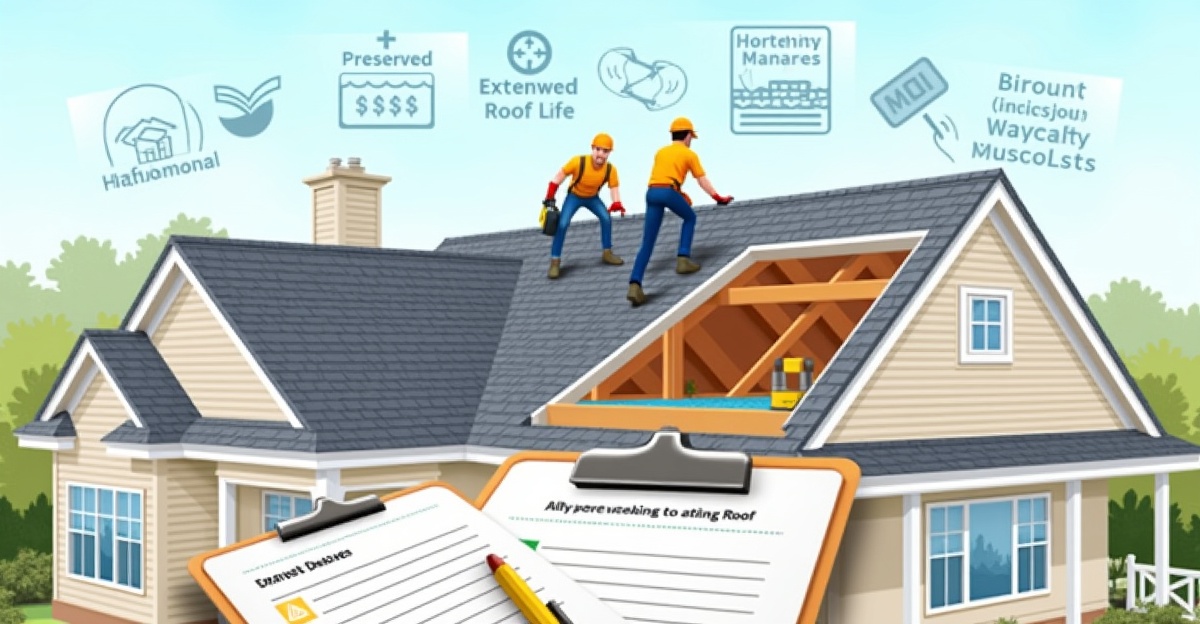
A roofing maintenance contract does more than handle routine checkups. It helps spot issues early, cut emergency repair costs, and extend the life of your roof. For both homeowners and property managers, it brings structure, protects warranties, and shields against high-dollar repairs before they arise.
Key Takeaways
- Preventive maintenance can lower emergency roofing costs by 30–50% and add up to 30% more life to your roof, according to guidance from the National Roofing Contractors Association on preventive maintenance and lifecycle cost management.
- Most contracts cover twice-yearly inspections, small repairs, gutter cleaning, and clear condition reports.
- Regular maintenance helps preserve warranty eligibility and supports long-term budgeting for commercial properties.
- Finding problems early means less damage to insulation, drywall, and interior materials—keeping repair bills and energy usage down.
- A smart choice for aging roofs, post-storm repairs, or property portfolios that benefit from consistent service and cost control.
Why Preventive Roof Maintenance Wins Over Reactive Repairs
Preventive roof maintenance is a planned approach—regular inspections, scheduled upkeep, and early fixes. Reactive repairs happen after the damage is obvious. Think leaks, mold, or failed insulation. Waiting too long can lead to far more expensive problems.
Emergency roof repairs often come with a higher price tag—30–50% more over time, a trend echoed in facilities management research comparing preventive and reactive maintenance models. That’s due to urgent response fees, water damage inside walls and ceilings, and premature system failures. By the time it’s visible, the damage is already spreading.
For commercial buildings, delays come with heavier consequences. Leaks can shut down operations, create slip risks, add faulty wiring liability risk, and throw insurance claims into question. A flooded office or warehouse could mean missed revenue and legal headaches. For homeowners, it means ruined drywall, rising energy bills, and stress.
Proactive roofing services prevent that spiral. By addressing minor issues before they snowball, both homeowners and facility managers save money, minimize downtime, and preserve building health. That’s the foundation of a good roofing maintenance contract.
What a Maintenance Contract Actually Includes
A roof maintenance agreement spells out exactly what you can expect, without guesswork or vague promises. Here’s what most roofing service plans include:
Typical items in a roofing maintenance contract
- Biannual or quarterly roof inspections, checking for wear, ponding, or early damage
- Gutter and drain cleaning to prevent water buildup and ice problems
- Minor sealant and flashing repairs to patch up early signs of failure
- Reporting with photos, so you can see exactly what’s been checked and what’s recommended
- Priority repair scheduling—faster response times if issues need fixing
- Budget planning tools to help forecast upcoming costs or roof aging timelines
At RayPro, we adjust your plan based on your building type, roof material, and age. Residential roofs may include seasonal checkups and weatherproofing, while commercial plans help satisfy compliance standards and budgeting cycles for property managers.
All services are performed by trained technicians using standardized inspections. Reports are logged after each visit, and we track your repairs over time. That ensures nothing gets missed from season to season, and your system’s trends are documented.
Real-World Cost Savings and ROI
Routine upkeep isn’t just about avoiding emergencies—it’s a smart investment in reducing long-term roofing maintenance cost.
Here’s the payoff:
- A well-maintained roof can last up to 30% longer, reducing the need for full replacement
- Many warranties demand proof of maintenance—skipping it can void your coverage, as outlined in manufacturer warranty documentation detailing required inspection and maintenance records
- Emergency roof repairs cost between $1,500–$3,000 on average—avoiding just one can offset an entire year of service
- Facility managers benefit most by aligning roof upkeep with long-term capital planning and fewer budget surprises
Take one example: A Texas school district avoided $40,000 in structural damage after a scheduled check flagged a blocked drainage system. The repair cost less than $500. It’s that kind of foresight that pays off—especially across multiple buildings.
Whether you’re managing several properties or protecting a single home, a roofing maintenance contract builds predictability. You know what to expect, what to budget for, and how your roof is aging—no surprises.
How It Protects Property – and Peace of Mind
Scheduled roof service isn’t just about materials—it’s about what’s underneath. Keeping the structure sealed prevents headaches later.
Roof issues rarely start where you can see them. That’s why maintenance helps you catch:
- Interior water damage, mold, and warped ceilings
- Ice dams and loose panels that can fall or trip pedestrians
- Failing insulation that drives up energy costs without warning
For homeowners, that means no more worrying after every storm. You know your roof’s been checked, and repairs haven’t been overlooked.
For commercial property owners, a roofing maintenance contract reduces liability, helps prove maintenance compliance, and keeps operations running without late-night emergencies. Staying ahead of roof decay protects both the people inside the building and the bottom line.
You can also explore general roof maintenance strategies for more ways to stay ahead of issues.
Who Benefits Most from a Roofing Maintenance Contract
Some properties get more value from a roof maintenance agreement than others. If you’re responsible for several buildings—or just one aging roof—it’s worth looking into.
Best candidates for routine roof care
- Commercial: Facility managers, multi-unit HOAs, school districts, retail chains, and developers with multiple roofs
- Residential: Homeowners with roofs 10+ years old, past storm damage, or a history of leaks
Why these groups benefit:
- Avoid unplanned repair costs—no more surprises
- Match roofing timelines to budget cycles and service planning
- Ensure ongoing accountability and better service consistency
We offer flexible contracts—from essential seasonal checks for small homes to full-scale maintenance plans for multi-property owners. Whatever the size, the goal stays the same: long-term success without last-minute scrambling.
FAQs and How to Take the Next Step
Here are a few common questions we hear about roofing maintenance plans:
Helpful answers about roofing service plans
- How often is service performed?
Twice a year works best—spring and fall. That catches damages from both winter storms and summer heat. - What if you find roof damage?
We send a digital report with photos and a quote. If repairs are needed, contract clients get priority scheduling. - Can I cancel?
Yes, our agreements are flexible. We don’t lock you in. You can opt out during renewals without penalty. - Does the plan include snow or ice removal?
Seasonal add-on services can be included. Let us know what fits your roof’s needs.
Need a walkthrough? You can download our “Roof Maintenance Contract Checklist” or see what’s in a commercial roof maintenance checklist.
And if it’s time to take action, go ahead and schedule a free inspection. We’ll evaluate your current roof condition, talk through your priorities, and recommend a service plan that fits.
Proactive care pays off. It protects your roof, your wallet, and the people inside. Ready when you are.
Frequently Asked Questions
A roofing maintenance contract is an agreement for scheduled roof inspections and preventive care. It typically covers routine inspections, minor repairs, gutter and drain cleaning, and written condition reports. The goal is to identify small problems early, reduce emergency repairs, and help extend the overall lifespan of the roofing system.
Yes, a roofing maintenance contract is usually cost-effective over time. Preventive care can reduce emergency repair expenses by up to 50% and delay full roof replacement. Avoiding even one major leak or urgent repair often offsets the annual contract cost, especially for aging roofs or commercial buildings with large surface areas.
Most roofing maintenance contracts include service twice a year, typically in spring and fall. These visits address damage from winter weather and summer heat. Some commercial or high-risk roofs may require quarterly inspections to manage drainage, foot traffic damage, or environmental exposure more effectively.
Yes, many manufacturer warranties require documented regular maintenance to remain valid. A roofing maintenance contract provides inspection records and repair history that prove proper care. Without this documentation, warranty claims for leaks or premature failure may be denied, leaving the property owner responsible for full repair or replacement costs.
Property owners with older roofs, commercial buildings, or multiple properties benefit the most. Facility managers, HOAs, and homeowners with roofs over 10 years old gain predictable costs, fewer emergencies, and longer roof life. Contracts are especially valuable for properties where leaks could disrupt operations or damage interior spaces.