What Is Flat Roofing?
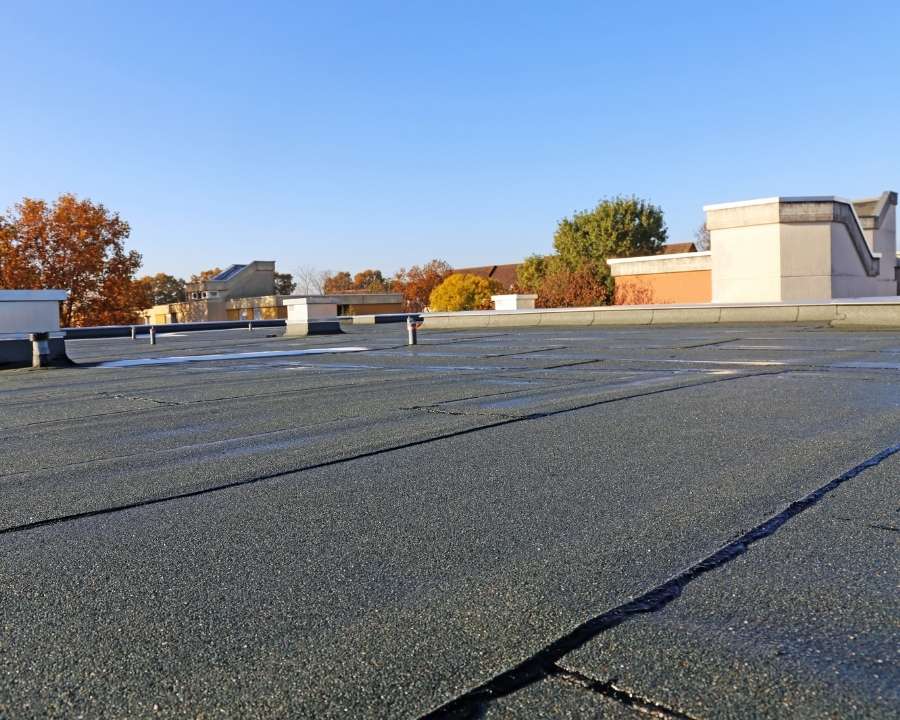
Flat roofing refers to low-slope roofing systems that are typically installed on commercial buildings, modern residential designs, and additions or extensions where a pitched roof is not architecturally appropriate. Despite being called flat, properly designed low-slope roofs have a slight pitch to facilitate water drainage toward internal drains, scuppers, or gutters, demonstrating how roof drainage systems work on flat roofing systems. The performance of a flat roof depends heavily on the integrity of the membrane system, the drainage design, and the quality of all penetration and edge detail work, which are important factors when comparing built-up roofing vs modified bitumen.
The most common flat roofing systems include TPO (thermoplastic polyolefin) membranes, EPDM (ethylene propylene diene monomer) rubber membranes, modified bitumen roofing systems, and built-up roofing (BUR). Each has distinct performance characteristics, cost profiles, and maintenance requirements, making it important to understand the built-up roof installation process when considering BUR systems. RayPro works with all of these systems and guides clients toward the product most appropriate for their building type, climate exposure, and budget through its roofing services.
One of the most common flat roof issues is water ponding, where water accumulates on the roof surface due to inadequate drainage or membrane deflection, and RayPro provides solutions designed to prevent long-term damage. Over time, ponding water can accelerate membrane deterioration and create conditions for leaks, which is why our team carefully evaluates drainage performance during every inspection. RayPro’s flat roofing assessments include a drainage review as a standard part of the process to identify and address any drainage issues, an important consideration in any flat roof vs shingle roof evaluation.
Flat roofing services may be appropriate for:
- Commercial property owners with flat roof systems showing signs of leaks, membrane failure, or blistering
- Residential properties with flat or low-slope roof sections that require installation or replacement
- Developers constructing new commercial or mixed-use buildings requiring a complete flat roofing system
- Property managers dealing with recurring flat roof issues that have not been resolved by previous contractors
What to Expect
- RayPro's flat roof assessment includes inspection of the membrane surface, all penetrations and flashings, drainage points, edge details, and any interior areas showing signs of water intrusion.
- We identify the cause of any existing issues before scoping repair or replacement work, ensuring that the underlying problem is addressed rather than just the visible symptom.
- A detailed written proposal is provided before any work begins, covering the recommended membrane system or repair approach, timeline, and full cost.
- Installation and repair work is carried out by crews experienced with the specific membrane system relevant to your project, following manufacturer and code requirements throughout.
- Drainage performance is reviewed as part of every flat roofing project to ensure that water can flow correctly off the finished surface.
- A final inspection is carried out at completion, including a review of all seams, penetrations, flashings, and drainage outlets.
How Flat Roofing Services May Help You
- A properly installed flat roofing membrane may eliminate the chronic leaks that can result from aged or poorly installed flat roof systems.
- Modern membrane products such as TPO may reflect significant solar heat, contributing to lower cooling costs for commercial properties in warm-climate states.
- Addressing drainage issues as part of a flat roof project may prevent the premature membrane deterioration that comes from persistent ponding water.
- A flat roof replacement using a quality membrane system may provide 20 to 30 years of reliable service with appropriate maintenance.
- RayPro's experience with the full range of flat roofing systems means you receive a recommendation based on what genuinely suits your property rather than what is most convenient to install.
Flat Roofing at RayPro
Flat roofing requires a level of technical detail that is not always well understood by contractors who are primarily residential roofing specialists. The performance of a flat roof is determined by the quality of every seam, every penetration detail, every drain collar, and every edge termination, all of which are critical factors in successful single membrane roof repair. RayPro’s flat roofing team understands these requirements in depth and applies them consistently, because the consequences of flat roofing installation errors are typically leaks and water damage that can be difficult and expensive to identify and remediate.
We also bring a practical long-term perspective to flat roofing, including guidance on roof coating where appropriate. That means recommending the membrane system that will serve your building best over time, advising on appropriate maintenance to protect your investment, and being honest when an aging flat roof is approaching the point where repair is no longer the most practical response.
Signs Your Flat Roof May Need Repair or Replacement
Flat roof problems often develop gradually before becoming visible inside the building. Identifying early warning signs can prevent costly structural damage and extend the life of your roofing system.
Common Warning Signs Include:
- Persistent ponding water that remains 48+ hours after rainfall
- Visible membrane blistering, bubbling, or surface deformation
- Cracks, splits, or open seams in the roofing membrane
- Interior water stains or ceiling discoloration
- Deterioration around drains, HVAC units, or roof penetrations
- Increasing frequency of patch repairs or recurring leaks
- Sagging or uneven roof surfaces indicating structural moisture retention
Why Early Detection Matters
Flat roofs rely on a fully sealed membrane system. Once water infiltration begins, damage can spread beneath the surface layers and insulation, making repairs more complex and expensive over time.
A professional inspection can determine whether localized repair is sufficient or whether full replacement or restoration is the more cost-effective solution.
Where Flat Roofing Is Most Commonly Used
Flat roofing systems are widely used across our 17-state service area due to their efficiency, design flexibility, and suitability for large surface areas.
Commercial Buildings
Flat roofs are commonly installed on retail centers, office buildings, warehouses, and industrial facilities where large uninterrupted roof spans are required.
Multi-Family Housing
Apartment complexes and condominium buildings often use flat or low-slope systems for shared structural efficiency and ease of maintenance access.
Modern Residential Design
Contemporary homes and architectural builds frequently incorporate flat roof sections for aesthetic design and rooftop usability.
Additions and Extensions
Flat roofing is often selected for home additions, garages, and extensions where matching the original roof pitch is not practical.
Frequently Asked Question
Why is my flat roof leaking?
Flat roof leaks commonly originate at penetration points such as drains, vents, HVAC units, and skylights, at seams and lap joints in the membrane, along edge flashings and parapet walls, or in areas where the membrane has been damaged by foot traffic, debris, UV degradation, or conditions requiring storm damage repair. RayPro’s inspection process is designed to locate the source accurately, which is not always directly above the interior drip point.
How long does a flat roof last?
The lifespan of a flat roof depends on the membrane system, the installation quality, and the maintenance approach. TPO membranes typically last 15 to 25 years. EPDM systems have similar lifespans. Modified bitumen and built-up roofing systems can last 20 years or more with appropriate maintenance. High UV exposure can accelerate degradation of some membrane products over time, making regular inspection and timely maintenance important.
What is the best flat roofing system for commercial properties?
TPO is widely used on commercial properties due to its UV reflectivity, heat-weld seam strength, and resistance to harsh weather. EPDM and modified bitumen are also appropriate in many applications. The right choice depends on factors including the roof’s size, slope, drainage design, and the specific performance priorities of the property owner. RayPro discusses all relevant options during the assessment.
Can a flat roof be repaired rather than replaced?
In many cases, yes. If the membrane is in generally sound condition and the damage is localised, repairs can be an effective and cost-efficient solution. If the membrane has widespread degradation, blistering, or systemic failure, a roof replacement is typically the more practical investment. RayPro’s assessment gives you an honest evaluation of which approach makes sense for your specific roof.
Does my flat roof need regular maintenance?
Yes. Flat roofs benefit significantly from regular maintenance, including biannual inspections, gutter and drain clearing, removal of debris from the roof surface, and timely repair of any minor membrane issues before they develop into larger problems. RayPro can advise on the appropriate maintenance schedule for your specific membrane system.
Dealing With a Flat Roof Problem?
Whether you have an active leak, are planning a flat roof replacement, or want to understand the condition of your current system, RayPro is here to help. Contact us today to arrange your free flat roof assessment.