How much is a plumbing inspection?
How much is a plumbing inspection? For most single-family homes under 2,500 square feet, we typically see costs between $150 and $400. Larger homes, more complex systems, or commercial properties often range from $400 to $2,000 or more based on scope, reporting needs, and tools such as camera scoping.
Key Takeaways
- Standard residential plumbing inspections usually cost $150 to $400, while larger or older homes often range from $400 to $800 or more.
- Standalone plumbing camera inspections generally run from $250 to $600, or $150 to $350 when we add them to a standard inspection.
- Commercial plumbing inspections often begin around $500 and can exceed $2,000 depending on square footage, number of units, and compliance requirements.
- Inspectors base pricing on property size, system age, accessibility, location, urgency, and the level of documentation required.
- A standard inspection covers accessible plumbing components and includes a written report, but it excludes wall removal, major repairs, or sewer excavation.
Realistic Plumbing Inspection Cost Ranges (What You’ll Actually Pay)
How much is a plumbing inspection? For most single-family homes under 2,500 square feet, a standard residential plumbing inspection typically runs between $150 and $400 nationwide.
Larger homes, older plumbing systems, or properties with complex layouts usually fall in the $400 to $800+ range. The more square footage, fixtures, and exposed piping we need to evaluate, the more time and documentation the inspection requires.
If we are performing a plumbing camera inspection as a standalone service, expect a typical range of $250 to $600, depending on the property and scope; sewer camera inspection cost data can provide a useful national benchmark. When added onto a standard inspection, that camera scoping usually costs an additional $150 to $350.
Commercial plumbing inspections are a different category. Pricing commonly starts around $500 and can reach $2,000 or more depending on square footage, number of units, system layout, and compliance requirements. A small retail space is not priced the same as a multi-tenant office building or apartment complex.
Location also matters. Urban markets and high cost-of-living areas trend higher due to labor rates, insurance costs, and local demand.
Inspection pricing reflects scope, time on-site, documentation depth, and equipment used. A thorough inspection with written findings, photos, and video takes planning and professional-grade tools.
If you would like a clear quote for your property, we are happy to review your situation and provide transparent pricing through our plumbing services team.
Standard Plumbing Inspection: What’s Included and What’s Not
A standard plumbing inspection is a visual and functional assessment of accessible plumbing components. We evaluate what we can reasonably see and test without opening walls or causing damage.
What’s Typically Included
- Water supply lines and visible drain lines
- Fixtures such as sinks, toilets, showers, and tubs
- Water pressure testing
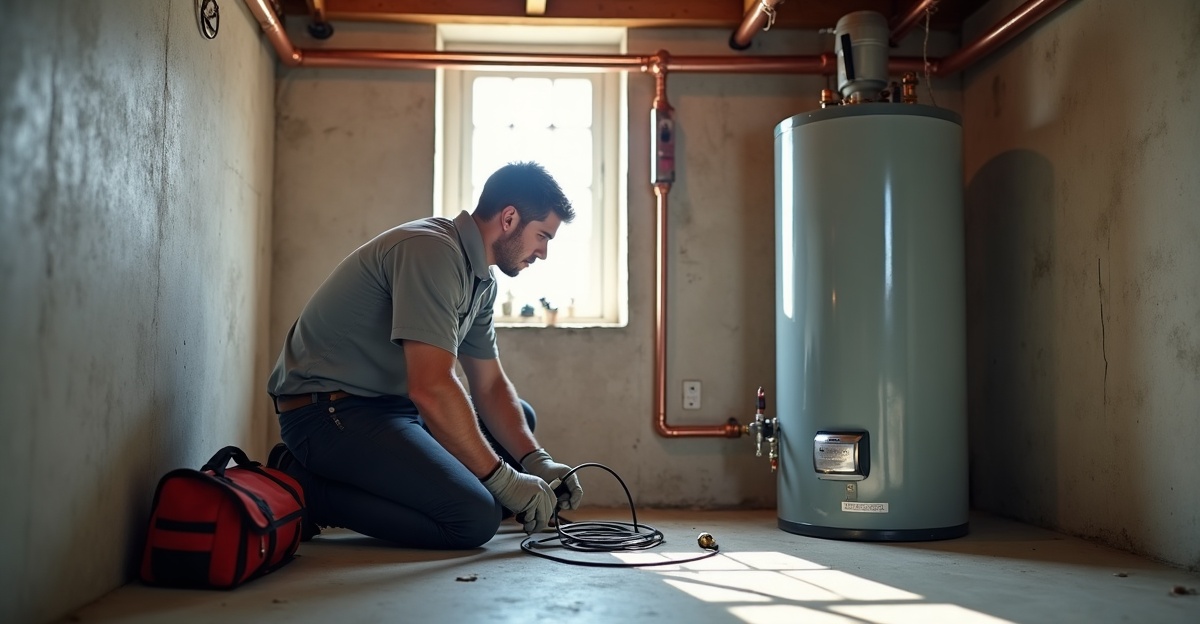
- Water heater inspection, including age, performance, and visible corrosion
- Leak detection on accessible piping
- Shutoff valves and basic system operation checks
- A written report with notes and site photos
For homeowners, this inspection brings peace of mind before buying, selling, or remodeling. If you are planning upgrades, it pairs well with a broader renovation strategy like this home remodeling checklist so you are not building over hidden plumbing issues.
For commercial property owners and managers, the focus shifts to documentation, budgeting, and risk reduction. Clear reporting supports capital planning and helps avoid emergency shutdowns.
What’s Not Included
- Opening walls or ceilings
- Major system disassembly
- Hydro-jetting
- Sewer line excavation
- Repairs or replacements
- Permit costs for future work
An inspection identifies existing issues. It does not guarantee that problems will not develop later. Plumbing systems age, materials corrode, and usage patterns change. Our job is to give you an accurate snapshot of current condition so you can make informed decisions.
Plumbing Camera Inspection Costs and When It’s Worth It
Homeowners and property managers often ask, how much is a plumbing camera inspection? As noted earlier, most standalone camera inspections fall between $250 and $600. If we are already on-site performing a standard inspection, adding a camera scope typically costs $150 to $350.
A plumbing camera inspection is a non-invasive sewer or drain line scoping process. We insert a specialized waterproof camera into the pipe to inspect the interior in real time.
What You Receive with a Camera Inspection
- Real-time video feed during the inspection
- Recorded footage for your records
- A camera inspection can help document conditions such as cracks, root intrusion, blockages, and offsets, consistent with sewer lateral video inspection guidance
- Depth or location markers with certain advanced systems
So, how much is a plumbing camera inspection worth compared to the risk of a missed sewer issue? In many cases, it is a small investment that prevents a five-figure pipe replacement surprise.
When It’s Strongly Recommended
- Recurring clogs or slow drains
- Suspected sewer line damage
- Purchasing an older home
- Unexplained leaks or foul odors
- Pre-construction due diligence
- Multi-family properties with shared lateral lines
In multi-unit buildings, we often find that one compromised line affects several units. A camera scope helps isolate the problem instead of tearing into multiple areas guessing.
For homeowners, this protects against unexpected sewer failures. For commercial owners, it safeguards high-value assets and limits operational disruptions. Targeted repairs based on video evidence are far more cost-effective than exploratory work.
What Drives the Price Up or Down
No two properties are identical. Inspection pricing adjusts based on real conditions, not arbitrary numbers.
- Property size: More square footage means more fixtures, more piping, and more time.
- Age and condition: Older homes with galvanized or cast-iron piping often require closer evaluation because of the deterioration associated with aging materials such as galvanized steel and cast-iron plumbing.
- Accessibility: Crawl spaces, slab foundations, limited clearances, and high ceiling runs can extend inspection time.
- Geographic region: Labor rates and overhead vary significantly by market.
- Urgency: After-hours or emergency scheduling typically increases cost.
- Scope: Combining pressure testing, camera scoping, and detailed documentation expands the inspection depth.
Commercial projects bring additional variables. Multi-unit and multi-site properties require coordination and often more formal reporting structures. Compliance standards may demand more detailed documentation.
Flat, one-size pricing rarely fits every situation. We believe in clear, scope-based estimates so you understand exactly what you are paying for.
Residential vs. Commercial Inspection Considerations
Residential Inspections
Most single-family homes can be evaluated within one to two hours, depending on size and access.
Homeowners typically want clarity on leaks, water heater condition, and overall reliability. The goal is family safety and predictable repair budgeting.
Commercial Inspections
Larger supply and waste networks require coordinated access. We often work with facility managers or maintenance teams to stage inspections without disrupting operations.
Documentation expectations are also higher. Many commercial clients require organized photo logs, written condition summaries, and occasionally video archives. Timelines extend based on occupancy and access limitations.
Costs scale with square footage and system complexity. However, the purpose is long-term asset protection and planned maintenance budgeting. Catching early-stage corrosion or drainage issues can prevent downtime and tenant complaints later.
Whether residential or commercial, the objective stays the same: clear information that supports smart decisions.
How to Evaluate a Plumbing Inspection Quote
Before approving any estimate, confirm exactly what you are getting.
- Ensure the price clearly states whether it includes a standard inspection, camera inspection, or both.
- Request a written breakdown of what is included, such as reports, photos, and video footage.
- Clarify potential extra costs, including repairs, hydro-jetting, advanced line tracing, or permit fees.
- Verify report turnaround time, especially during real estate transactions.
- Confirm proper licensing and insurance.
Many people assume plumbing inspections are automatically included in general home inspections. They are often limited in scope and may only involve a basic fixture check. A dedicated plumbing inspection goes deeper.
Is a plumbing camera inspection worth it? In properties with older sewer lines or recurring drainage issues, the answer is often yes.
A proper inspection reduces uncertainty. It sharpens your repair budget. It protects your property from preventable damage.
If you are ready for clear answers about your plumbing system, schedule an inspection or request a detailed estimate through our contact page. We will review your property and give you straight pricing with no surprises.
Frequently Asked Questions
How much is a plumbing inspection for a typical home?
A standard plumbing inspection for most single-family homes typically costs between $150 and $400. Larger homes, older plumbing systems, or properties with more fixtures may cost $400 to $800 or more because they require additional inspection time, testing, and documentation.
Is a plumbing camera inspection included in the inspection price?
Not always. A plumbing camera inspection is usually a separate service that costs about $250 to $600 on its own. When added to a standard plumbing inspection, it often ranges from $150 to $350. Camera inspections are valuable for identifying hidden sewer line issues that cannot be seen during a visual inspection.
When should you schedule a plumbing inspection?
A plumbing inspection is recommended before buying or selling a home, before major remodeling projects, or if you notice recurring leaks, slow drains, low water pressure, or unusual odors. Regular inspections can also help identify developing problems before they turn into expensive repairs.
What does a plumbing inspection include?
A standard plumbing inspection typically includes checking accessible water supply and drain lines, plumbing fixtures, water pressure, shutoff valves, and the water heater. The inspector also looks for visible leaks and signs of corrosion and provides a written report with findings and photos. It generally does not include opening walls, making repairs, or excavating sewer lines.
Why do commercial plumbing inspections cost more than residential inspections?
Commercial plumbing inspections are usually more expensive because they involve larger, more complex plumbing systems, multiple units, and additional reporting requirements. Pricing commonly starts around $500 and can exceed $2,000 depending on the property’s size, system complexity, accessibility, and any compliance or documentation requirements.