Roof Overlay vs Tear Off: Which Roofing Option Is Better?
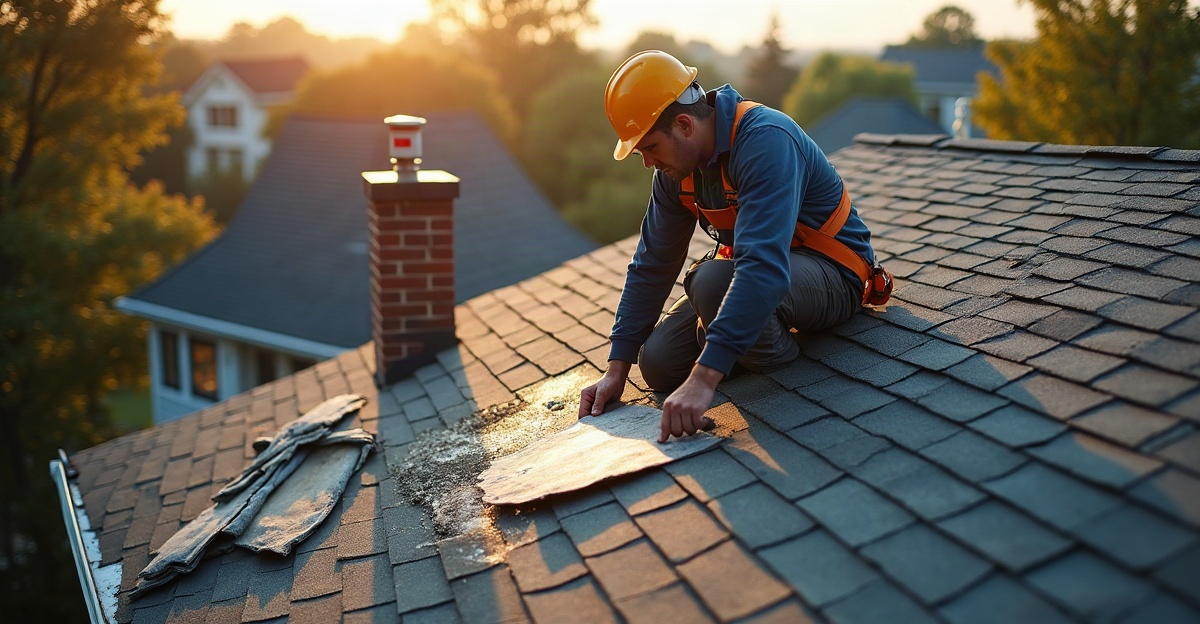
We base roof overlay versus tear-off decisions on our roof’s condition, structural capacity, local codes, and warranty requirements—not only the initial price. An overlay can suit a dry, stable roof with one existing layer. A tear-off usually delivers better long-term value when leaks, moisture, damaged decking, or failed details exist.
Key Takeaways
- A roof overlay cuts removal labor, disposal costs, and jobsite disruption. However, it adds weight and prevents us from inspecting the deck or substrate.
- A tear-off costs more upfront. It lets us inspect and repair decking, moisture damage, flashing, underlayment, drainage, and other concealed issues.
- Persistent leaks, soft spots, sagging, trapped moisture, multiple roof layers, or structural concerns usually require a full tear-off.
- Residential overlays need a careful review of shingles, ventilation, valleys, skylights, chimneys, and penetrations. Commercial recover systems also need moisture, drainage, insulation, and wind-uplift assessments.
- We should compare both options by lifecycle cost, code compliance, warranty eligibility, future replacement needs, and our long-term plans for the property.
The Short Answer: Choose Based on Roof Condition, Not Just Upfront Price
A roof overlay can be a practical, code-compliant option for a dry, stable roof with one existing layer and no major hidden issues. A complete tear-off is usually the safer long-term choice where leaks, trapped moisture, damaged decking, multiple layers, structural concerns, or failed details are present.
A roof overlay, also called a roof recover, installs a new roof covering over an existing roof system when code, weight limits, manufacturer rules, and roof conditions allow it. A complete roof tear-off removes the old materials down to the deck or substrate so we can inspect, repair, and rebuild the entire roofing system.
Neither roof overlay versus tear-off option is always better. The right choice depends on roof condition, local code, structural capacity, system requirements, budget, and long-term plans.
Overlay installation diagram: New roofing layer → existing roofing layer → roof deck/substrate.
Tear-off installation diagram: New roofing layer → new underlayment or system components → inspected and repaired roof deck/substrate.
Commercial low-slope assembly diagram: New membrane → approved cover board or insulation → inspected existing assembly or roof deck → structural deck.
Roof Overlay vs. Tear-Off Comparison
- Upfront cost: An overlay may reduce removal labor and disposal costs. A tear-off costs more initially because it includes removal, disposal, and possible deck repairs.
- Labor and disposal: An overlay usually requires less removal work and creates less landfill waste. A tear-off includes removing old roofing materials and hauling them away.
- Installation speed and disruption: An overlay can often move faster with less noise and debris. A tear-off may take longer and cause more disruption around the property.
- Ability to inspect decking or substrate: An overlay provides limited access. A tear-off gives us full access to inspect the deck or substrate.
- Hidden moisture risk: Existing moisture or damage can remain concealed under an overlay. A tear-off allows us to identify and correct those issues.
- Added weight: An overlay adds dead load to the structure. A tear-off removes old weight before the new system goes on.
- Flashing and detail work: Some flashings and transitions are difficult to fully correct with an overlay. A tear-off provides better access to underlayment, edge metal, drains, penetrations, and flashing details.
- Lifespan expectations: Material quality, installation, ventilation or drainage, maintenance, weather exposure, and repairs matter more than whether the roof was overlaid or torn off.
- Future replacement complexity: A future tear-off may cost more if another layer must be removed. A tear-off starts with a clean roof assembly.
- Energy and insulation opportunities: Most residential overlays offer limited insulation improvements. Tear-off projects, especially commercial reroofs, can create better opportunities for insulation and energy upgrades.
- Code considerations: Requirements vary by jurisdiction, roof system, building use, wind exposure, fire rating, and structural factors.
- Warranty considerations: Manufacturer, contractor workmanship, and commercial system warranties may have different requirements for a roof recover system versus a tear-off.
For a closer look at the work involved, review the roof replacement process before choosing a path.
An Overlay May Be Worth Considering If…
A roof overlay may work where there is only one existing layer, the roof is dry and stable, and local rules allow reroofing over existing shingles. The deck, framing, and structure must also safely support the added weight.
A second layer of shingles can reduce upfront labor and disposal costs. It may also shorten the schedule, which can help limit disruption at a home or business. These overlay roof benefits are real, but they only apply after a thorough evaluation.
We consider a roof overlay where there are no persistent leaks, soft areas, sagging, widespread shingle failure, or signs of trapped moisture. Flashing, drainage, ventilation, and penetrations must also be capable of proper detailing with the new system.
Roof overlay cost should never be the only deciding factor. Covering a roof with concealed deck damage, moisture, or flashing failures can defer the problem rather than solve it. Before adding a second layer, we verify the roof’s condition, code requirements, and manufacturer installation rules.
For sound steep-slope systems, our shingle roofing services can help determine whether an asphalt shingle overlay is appropriate.
A Tear-Off Is Usually the Better Choice If…
A roof tear-off is usually the right call when the roof’s condition is uncertain or known problems exist. Persistent or unexplained leaks, soft decking, sagging, deteriorated materials, widespread failure, and poor drainage all point to a full removal.
Trapped moisture in roof assemblies deserves special attention. Covering wet materials can allow decay, mold concerns, deck deterioration, and insulation damage to continue out of sight. A tear-off roof replacement gives us access to the deck or commercial substrate so we can identify and correct roof deck damage before installing the new system.
A complete roof replacement also makes it easier to correct the details that control long-term performance. That includes underlayment, flashings, vents, ridge details, drip edge, valleys, skylights, chimneys, pipe penetrations, drains, scuppers, equipment curbs, insulation, and edge metal. Learn more about roof underlayment replacement when planning a full system reset.
A tear-off does not automatically guarantee a longer roof life. Still, it provides the clearest view of what is below the surface. For homeowners, that often means greater peace of mind. For commercial owners, it can better protect the building asset where wet insulation, drainage failures, membrane problems, or structural concerns are involved.
Where replacement is warranted, our roof replacement team can provide a clear scope and explain any repairs found during removal.
Residential and Commercial Roofs Need Different Answers
Residential roof overlay decisions usually focus on asphalt shingles, deck condition, underlayment, ventilation, flashings, valleys, pipe boots, and edge details. Shingles can look acceptable from the ground while problems below the surface make an overlay a poor choice.
A residential roof overlay must account for chimneys, skylights, valleys, drip edge, vents, and penetrations. These areas often cause leaks, and they need careful evaluation before adding another roofing layer. A complete tear-off may be the better investment where the goal is to avoid surprise repairs, protect family comfort, improve curb appeal, or prepare for resale.
Commercial roof recover projects require a different approach. A flat roof recover system is not simply a new membrane placed over an old roof. We assess membrane compatibility, wet insulation, drainage, ponding water, slope, attachment methods, wind uplift requirements, rooftop equipment curbs, edge metal, penetrations, and commercial roofing warranty requirements.
Saturated insulation, failing seams, extensive penetrations, and drainage problems often require more than a commercial roof recover. In those cases, low-slope roof replacement can provide a cleaner, more reliable starting point for long-term building performance.
Compare the Full Cost: Lifecycle Value, Code, Performance, and Warranty
Roof overlay cost versus tear-off cost should be evaluated over the full life of the roof. An overlay can lower initial spending by reducing removal labor and disposal. However, it may leave existing issues uncorrected and increase future removal costs.
A tear-off generally costs more upfront because it includes removal, disposal, potential deck repairs, and a fully integrated roofing system. Actual pricing varies by roof size, slope, access, material selection, removal needs, repairs, permitting, and local labor conditions. Our guide to roof cost per square foot explains the major factors that affect project budgets.
Roof overlay building code requirements vary. Many jurisdictions limit the number of roof layers and may add requirements based on building use, wind exposure, fire rating, roof type, and structural capacity. There is no universal answer to how many layers of shingles are allowed on a roof. We recommend confirming requirements with a qualified contractor and the local building authority.
Roof overlay warranty coverage also varies. Manufacturer roofing warranty terms, contractor workmanship coverage, and commercial system warranties may require specific substrate conditions, attachment methods, moisture testing, ventilation, flashing details, or approved system components. Written warranty terms should be reviewed before work begins.
Questions to Ask During a Roof Inspection
A professional roof inspection should look beyond the visible surface. We assess roof layers, leaks, decking or substrate condition, trapped moisture, flashing, ventilation, drainage, penetrations, framing, structural capacity, insulation, and local requirements.
Inspection Questions and Answers
Use these questions to guide a roof overlay inspection or commercial roof assessment:
- How many roofing layers are already on the building?
- Is there evidence of moisture below the visible roofing material?
- What is the condition of the deck, substrate, insulation, and structure?
- Can flashing, vents, drains, and penetrations be properly detailed with an overlay?
- Does local code permit a recover or second layer for this roof?
- Can the structure safely support another layer?
- What warranty options apply to each approach?
- What future costs could an overlay defer rather than solve?
- How will work affect occupants, operations, landscaping, parking, or access?
- What documentation will be provided for code compliance, warranty coverage, and maintenance planning?
Is It Better to Overlay a Roof or Tear It Off?
It depends on roof condition, code, structural capacity, and system requirements. An overlay may fit a sound, dry roof, while a tear-off is usually better where leaks, moisture, damage, or multiple layers exist.
Is a Roof Overlay Cheaper Than a Tear-Off?
It may cost less upfront because removal labor and disposal are reduced. However, it can also create higher future removal costs or leave existing problems uncorrected.
Does a Roof Overlay Last as Long as a Tear-Off?
Longevity depends on materials, installation quality, ventilation or drainage, maintenance, weather exposure, and repairs. A tear-off allows hidden issues to be addressed, but it does not automatically guarantee a longer lifespan.
Can an Overlay Be Installed Over a Leaking Roof?
Persistent or unexplained leaks require investigation first. Covering damaged decking, failed flashing, or trapped moisture can allow the problem to continue.
Can Commercial Flat Roofs Be Recovered Instead of Replaced?
In some cases, yes. A commercial roof recover may be possible where the existing system is dry, stable, compatible with the new membrane, and permitted by code and manufacturer requirements.
Does a Roof Overlay Void the Warranty?
Not necessarily. Eligibility depends on the manufacturer, installation method, substrate condition, and written system requirements.
How Can Deck Damage or Trapped Moisture Be Identified?
An on-site roof moisture inspection can reveal soft areas, leaks, sagging, deteriorated materials, wet insulation, and drainage problems. Some conditions need additional testing or selective removal to confirm.
For a detailed starting point, use our roof inspection checklist. If the question is, “Does my roof need a tear-off?” contact RayPro Roofing and General Contracting to schedule an assessment. We’ll explain the tradeoffs and provide a clear recommendation based on the building, budget, and long-term goals.