Roof Inspection After a Storm: What Homeowners Need to Know
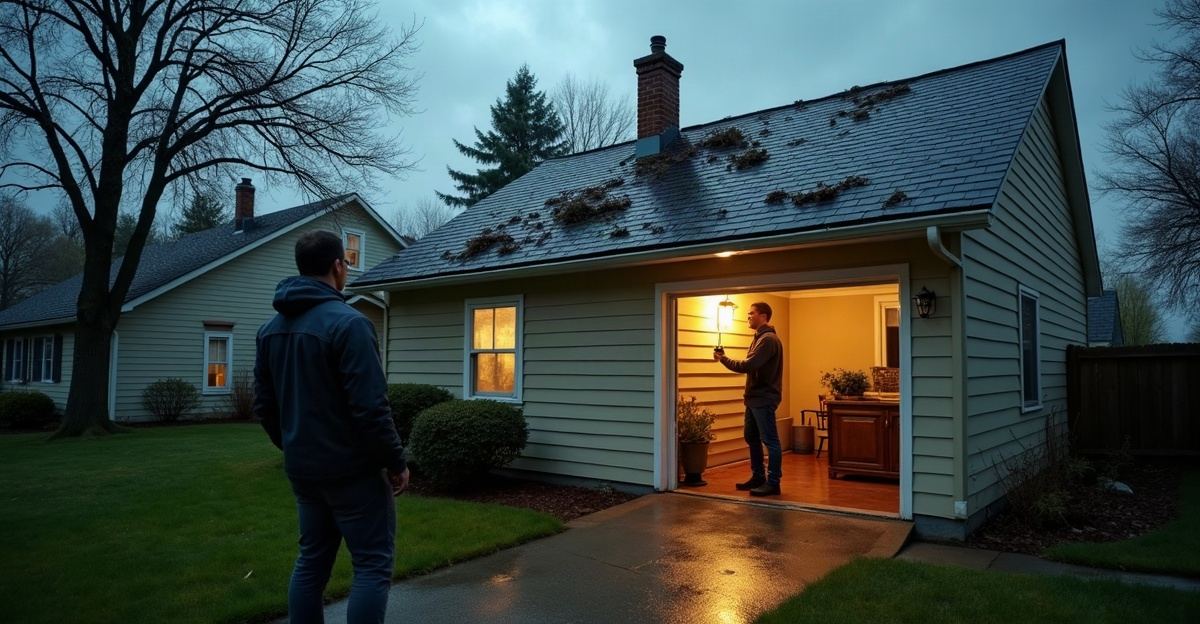
We recommend starting a post-storm roof inspection with safe checks from the ground and indoors. Look for missing materials, damaged flashing, clogged gutters, water stains, and active leaks. Hail, strong winds, debris strikes, and water intrusion can create hidden damage. A professional inspection provides documented findings, photos, and a clear repair plan.
Key Takeaways
- Avoid climbing onto a wet or damaged roof. Check first for electrical hazards, fallen trees, large openings, and sagging ceilings.
- Inspect the roof from the ground for lifted or missing shingles, loose flashing, dented parts, debris, and gutter damage that may disrupt drainage.
- Check indoors for ceiling stains, dripping water, damp insulation, peeling paint, bubbling drywall, musty odors, and daylight visible from the attic.
- Schedule a professional inspection after severe weather, even if leaks haven’t appeared. Hail strikes, wind uplift, damaged seams, and trapped moisture can remain hidden.
- Document visible damage, storm dates, leak locations, temporary repair costs, and earlier maintenance records. These details support repair planning and insurance discussions.
What to Do Immediately After a Storm
A roof inspection after storm damage starts with safety, not a ladder. Before checking the property, we should look for downed power lines, active electrical hazards, standing water, fallen trees, major roof openings, visible punctures, and sagging or wet ceilings.
We should never climb onto a potentially damaged roof, walk across wet roofing, use a ladder in unsafe conditions, or enter an area with structural instability. A storm can weaken materials that appear stable from the ground.
If water is entering the building, we should place buckets beneath the leak if it is safe, move valuables away from the affected area, and protect flooring or furnishings. Severe active leaks, large openings, fallen trees, missing roofing materials, and sagging ceilings need immediate professional attention. Our storm damage repair team can help stabilize the situation and identify the right next step.
Not every storm causes roof damage. Still, a timely after-storm roof inspection makes sense after significant hail, high winds, falling debris, or any sign of water intrusion. Quick action can limit further damage and provide clear documentation before a small issue grows.
How to Check a Roof Safely Without Climbing On It
A safe homeowner review happens from the ground and inside the property. Ground-level observations can reveal warning signs, but they cannot confirm every type of roof damage. Damage to seals, flashing, roof edges, and concealed layers may require a professional inspection.
Exterior Signs We Can See From the Ground
We should look for missing, lifted, curled, cracked, or displaced shingles. Granule loss is the shedding of the protective, sand-like coating on asphalt shingles. Granules may collect in gutters or around downspouts after a storm, although normal aging can also cause some shedding.
We should also check flashing, the metal material that directs water away from roof joints, chimneys, vents, and skylights. Loose flashing, dented metal, damaged ridge caps, displaced materials, blocked gutters, fallen branches, and debris all deserve attention. These checks apply to metal, tile, slate, and low-slope roofs as well as asphalt shingles.
Gutters and downspouts matter because they move water away from the roof and structure. If they are bent, detached, or clogged, water can back up near roof edges. Proper gutter installation helps support reliable drainage during future storms.
Indoor and Attic Warning Signs
Inside, we should watch for water stains, ceiling discoloration, dripping, damp insulation, peeling paint, bubbling drywall, and musty odors. In an attic, visible daylight or water intrusion can point to an opening above. We should avoid entering an attic if the ceiling is wet, sagging, or structurally questionable.
The decking is the structural wood layer beneath the roofing materials. Underlayment is the protective layer below the outer roof covering. Either layer can be affected by moisture even when the visible roof surface looks mostly intact. For a broader reference, our roof inspection checklist covers the areas that deserve regular attention.
What to Look for After Hail, Wind, Heavy Rain, or Fallen Debris
Storm damage takes different forms depending on the weather event, the roof material, roof age, installation quality, slope, exposure, maintenance history, and prior damage. A roof inspection after hail storm conditions should account for the full roofing system, not just the shingles.
Hail can bruise or crack shingles and damage gutters, vents, skylights, flashing, and metal components. These impacts may not cause an immediate leak, but they can weaken roofing materials over time. Some marks can resemble normal wear, foot traffic, or prior damage, so a professional assessment is important. Our guide on hail damage signs explains what often distinguishes storm impacts from everyday aging.
High winds can cause uplift, which means wind gets beneath roofing materials and lifts them away from the roof surface. We should look for lifted or missing shingles, loose ridge caps, compromised roof edges, damaged flashing, and displaced tile, slate, or metal panels.
Heavy rain often exposes existing weaknesses around flashing, skylights, roof penetrations, gutters, and low-slope roof seams. Drainage is the system that moves water off a roof through gutters, downspouts, drains, scuppers, or other outlets. Blocked drainage can allow water to pool where it does not belong.
Fallen branches and debris can cause punctures, displaced materials, broken accessories, and blocked drainage. A puncture is a hole or tear in roofing material that can allow water into the building. Even if a branch does not break through the roof, its impact can damage materials beneath the surface.
When to Schedule a Professional Roof Inspection After Storm Events
We recommend a professional roof inspection after storm events involving significant hail, high winds, debris impact, or signs of water intrusion. An inspection is worthwhile even without an active leak because hidden damage can worsen through repeated rain, heat, and freeze-thaw cycles.
Professional attention is especially important if we see interior or exterior warning signs, cannot safely assess the property, know a branch hit the roof, or have an older roof with past repairs or drainage concerns. Written findings also help with repair planning and insurance conversations.
During an after-storm roof inspection, we evaluate roofing materials, flashing, penetrations, skylights, vents, gutters, roof edges, drainage paths, and interior indicators. We look for subtle hail impacts, weakened seals, concealed flashing failures, punctures, membrane seam damage, drainage concerns, and wind uplift.
A membrane is the waterproof roofing layer commonly used on low-slope commercial roofs. Its seams are the joints where membrane sections meet. These areas can fail without producing obvious exterior damage from the ground.
Our team provides photographs, written findings, and practical recommendations based on the roof’s condition. An inspection does not automatically mean repair or roof replacement is necessary. Sometimes the right answer is maintenance, monitoring, or a focused repair through our roof repair services.
Storm Roof Inspection Steps for Commercial Property Managers
Commercial property owners, facility managers, maintenance directors, multi-family operators, developers, and institutional teams need a clear post-storm process. Tenant and occupant safety comes first. We should restrict access to areas affected by leaks, ceiling damage, structural concerns, or electrical hazards, then arrange temporary leak response where needed.
Teams should document affected areas and notify relevant internal stakeholders. Record tenant reports, active leaks, ceiling staining, equipment exposure, and operational interruptions. Prioritize buildings based on visible damage, safety risks, building importance, weather exposure, and the potential for additional water intrusion.
Preserving maintenance records helps establish the roof’s history and supports informed decisions. We can also coordinate inspection timing to reduce disruption to tenants, customers, staff, and daily operations across one or multiple properties.
Low-slope roofing requires close attention after storms. Membranes form the waterproof roof surface. Seams join membrane sections together. Drains and scuppers carry water off flat or low-slope roofs. Roof penetrations are locations where pipes, vents, HVAC equipment, or other components pass through the roof surface. Each of these areas can become a leak point after wind, impact, or standing water.
Our approach focuses on asset protection, maintenance planning, compliance needs, and long-term reliability. Clear findings help property teams make smart repair decisions without creating unnecessary operational disruption.
Document Damage, Handle Insurance Conversations, and Plan Next Steps
Good documentation creates a useful record of the property’s condition after a storm. We should collect information from safe locations and avoid disturbing damaged materials before they are evaluated.
Damage Documentation Checklist
For a clear record, we recommend the following steps:
- Photograph visible damage from safe ground-level or indoor locations.
- Record the storm date and notable weather conditions.
- Note when leaks began, where water appeared, and whether conditions worsened.
- Keep maintenance and prior repair records.
- Save receipts for emergency tarping, water containment, and temporary repairs.
- Document communications with insurers, contractors, tenants, and property stakeholders.
Documentation and a professional inspection can help property owners understand roof conditions and support conversations with an insurer. Coverage depends on policy terms, the cause of damage, the deductible, exclusions, and the insurer’s assessment. Written findings and photographs may help explain the situation, but they do not guarantee claim approval or coverage. Our roof insurance claim guide outlines practical steps for organizing the process.
We do not need an inspection after every storm. It makes the most sense after significant hail, high winds, debris impact, or signs of water intrusion. Active leaks and serious visible damage need immediate attention; otherwise, we should schedule promptly after a severe storm so hidden damage has less time to worsen.
Hail can damage a roof without causing an immediate interior leak. A safe self-check should remain limited to ground-level and indoor observations. If we see damage, manage multiple properties, have an active leak, cannot safely assess the roof, or need clear written findings, contact RayPro Roofing and General Contracting to schedule a professional roof inspection after storm events.