Horizontal vs Vertical Fence: Which Style Is Better for Your Property?
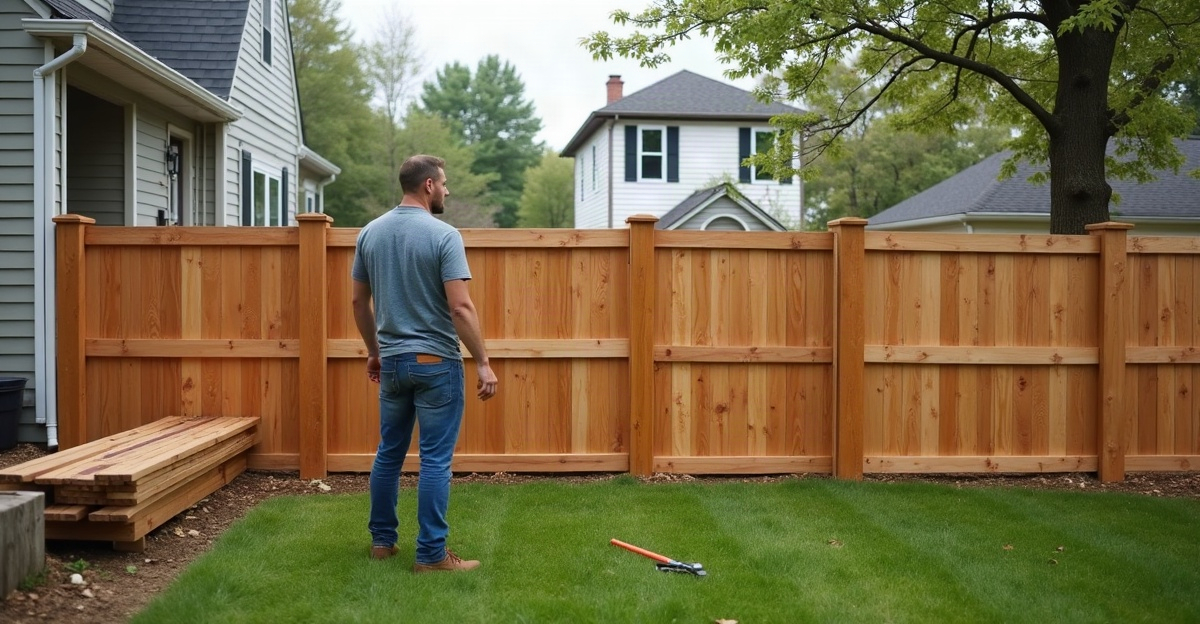
Choosing a horizontal or vertical fence depends on our priorities for privacy, curb appeal, budget, maintenance, and site conditions. Horizontal fencing creates a modern look and can make a yard appear wider. It also needs stronger framing. Vertical fencing offers a practical and often lower-cost option with simpler repairs.
Key Takeaways
- Board direction shapes appearance and construction. Fence height, spacing, materials, and installation quality affect privacy and durability more significantly.
- Horizontal fences complement modern properties and narrow yards. We need correctly spaced posts, strong rails, and corrosion-resistant fasteners to prevent sagging and warping.
- Vertical fences suit traditional homes, privacy boundaries, and pet containment. They use widely available pickets and support straightforward repairs.
- Material selection, drainage, wind exposure, soil conditions, gates, and slopes affect service life and total cost.
- We should confirm local permits, HOA rules, height limits, pool requirements, and commercial access needs before finalizing a fence design.
The Short Answer: Choose the Fence That Fits Your Property Goals
Neither option wins every horizontal vs. vertical fence comparison. The best fence style for a property depends on privacy needs, material choice, fence height, structural design, climate exposure, local rules, and budget.
A modern horizontal fence creates clean lines and can make a narrow yard look wider. It needs proper framing, quality fasteners, and materials that can handle longer board spans without excessive movement. A vertical privacy fence offers a familiar look, proven construction methods, and practical repair options. It often costs less when built with standard materials.
For homes, family comfort, privacy, pet safety, curb appeal, and long-term upkeep should come first. For commercial and multifamily properties, the decision also affects asset appearance, tenant experience, access control, liability, maintenance planning, and consistency across the site.
A simple framework helps narrow the choice. Choose horizontal fencing when a contemporary appearance and a visually wider outdoor area matter most, and the budget supports stronger framing and quality materials. Choose vertical fencing when a versatile, economical design with straightforward repairs is the priority. Before committing, have a qualified fence contractor assess the site, structure, drainage, and applicable local requirements.
Horizontal vs. Vertical Fence: Side-by-Side Comparison
The direction of the boards changes the appearance and construction approach, but both styles can perform well with sound installation. A horizontal fence vs. vertical fence decision should account for more than looks.
Horizontal fence pros and cons start with style. Horizontal boards create a sleek, architectural appearance that works especially well around contemporary homes, patios, landscape features, commercial entries, and outdoor gathering areas. The long lines draw the eye across the lot, which can make a compact or narrow yard feel broader.
A horizontal wood fence needs careful structural planning. Long boards can sag, warp, or shift if posts are too widely spaced or rails lack adequate support. Strong posts, closely planned spacing, corrosion-resistant fasteners, and stable board materials matter. Replacing a single board can also take more work when the fence uses a tightly integrated panel layout.
Vertical fence pros and cons are often easier to balance for a wide range of properties. A vertical wood fence works with traditional homes, standard neighborhood layouts, and many established architectural styles. Standard pickets and prebuilt vertical panels are widely available, which can simplify repairs and future fence replacement.
The tradeoff is visual. Vertical fencing may feel less custom than a modern horizontal fence, and its upward lines can make a compact space appear taller rather than wider. Still, it remains a practical choice for privacy, boundaries, and pet containment.
Horizontal fence cost and vertical fence cost vary far beyond board direction. Total pricing depends on material, height, custom details, site access, demolition, grading, gate construction, labor rates, and the condition of the existing fence line. Reviewing fence installation costs before comparing bids helps set realistic expectations.
Privacy, Security, and Curb Appeal: What Board Direction Really Changes
Board direction alone does not determine privacy. Fence height, board spacing, overlap, panel construction, gate design, and gaps at the bottom of the fence have a greater effect on how much visibility a fence blocks.
Both a horizontal privacy fence and a vertical privacy fence can create a solid barrier. Closely spaced boards, overlapping boards, tongue-and-groove systems, and solid panels all improve fence privacy options. The right design should also account for views from nearby second-story windows, patios, sidewalks, and adjacent properties.
Fence security and privacy are related but separate goals. A tall solid fence may limit sightlines, but security depends on gate latches, controlled entry points, durable hardware, material strength, perimeter layout, and visibility around vulnerable areas. Commercial locations may need reinforced gates, dependable access control, clear views around parking areas, and protected service entrances.
Fence curb appeal should fit the building and surrounding landscape. Horizontal boards pair naturally with modern fence design, clean-lined patios, and contemporary architecture. Vertical designs complement traditional homes and standard residential neighborhoods. Many HOAs also favor familiar vertical styles because they create a consistent street-facing appearance.
Gates, drainage routes, retaining walls, landscaping, pool areas, and patio elevations should be planned with the fence layout. A fence that looks right on paper can create drainage issues or awkward gate access if those details are ignored. Our fence installation process explains why planning the full site matters before construction begins.
Durability and Maintenance Depend on Materials and Installation
Fence orientation matters, but material quality and workmanship usually matter more. Post depth, rail configuration, fasteners, drainage, soil conditions, wind load, and installation quality all influence service life.
Horizontal boards can stay straight and secure when the framing supports their span. Posts must be properly placed, rails need sufficient strength, and boards require room for natural expansion and contraction. Without those details, horizontal fence maintenance can increase due to sagging, warping, and loose fasteners.
Vertical boards fit common rail systems naturally, but a vertical fence still needs stable posts, good drainage, and dependable fasteners. Vertical fence maintenance includes routine inspections, cleaning, gate adjustments, and prompt replacement of damaged pickets or panels.
Material selection has a major impact on appearance, upkeep, and ownership cost:
- Cedar fence boards offer natural beauty and good moisture resistance. They need periodic cleaning and protective care to preserve their color and finish.
- Pressure-treated pine fence materials are widely available and often cost-effective. Pine can shrink, crack, or warp over time, so proper installation and maintenance remain important.
- Vinyl privacy fence systems provide a consistent, low-maintenance finish. Repair methods and design options vary by manufacturer, so replacement parts should be considered before installation.
- Composite fence products resist many common moisture and maintenance concerns. They often have a higher upfront cost and can require heavier framing due to their weight.
- Aluminum fence systems work well for decorative boundaries, pool areas, and locations where visibility matters. Aluminum is not generally a complete privacy solution without added panels or landscaping.
- Steel fence options provide strength for security-focused properties. Protective coatings and drainage details help limit corrosion concerns over time.
Every fence benefits from regular care. Clean surfaces, seal or stain wood as needed, check fasteners, inspect posts for movement, replace damaged boards promptly, and keep gates aligned. If damage occurs, understanding broken fence repairs can help determine whether a targeted repair or full replacement makes better financial sense.
Site Conditions and Local Rules Can Narrow Your Options
Local requirements can determine what style, height, and material can be installed. Fence height regulations, setback rules, corner-lot visibility standards, fence permit requirements, pool barrier code rules, and commercial fence requirements should be confirmed before materials are ordered.
HOA fence rules may control height, color, material, board orientation, gate placement, and which finished side faces outward. Approval requirements can apply even when a fence replaces an existing structure. A design that suits the property may still need revision if it does not meet neighborhood standards.
Site conditions also shape the right build. High-wind areas and exposed commercial locations may need reinforced posts, stronger rails, and a wind-resistant fence design. Sloped lots may require stepped panels or fence installation on a slope with racked sections that follow the grade.
Wet soil, heavy rainfall, poor drainage, and freeze-thaw movement can weaken post stability and shorten material life. Existing trees, utility lines, retaining walls, limited access, and tight property lines can also affect the layout and cost. Avoid generic fence plans that overlook wind, moisture, soil, drainage, and access.
How to Choose the Right Fence Style for Your Home or Commercial Property
A clear plan leads to better estimates and fewer changes during construction. Before requesting a fence estimate, define what the fence must accomplish and what maintenance level fits the property.
Fence Selection Checklist
Use these points to choose a fence style with confidence:
- Define the main purpose: privacy, security, pet containment, pool safety, curb appeal, noise screening, or property separation.
- Choose materials based on climate exposure, maintenance expectations, budget, and desired service life.
- Review wind exposure, soil stability, drainage, slopes, retaining walls, and gate locations.
- Confirm permits, HOA approvals, pool rules, and commercial-property requirements before finalizing the design.
- Compare upfront pricing with maintenance costs, repairability, replacement-board availability, and expected lifespan.
For residential fence installation, horizontal fencing is often the right fit for a custom backyard, modern architecture, or a space that benefits from wider visual lines. Vertical fencing remains an excellent choice for practical privacy, traditional curb appeal, and accessible repairs. Our fence installation services help homeowners select materials and layouts that work with the property rather than against it.
For commercial fence installation, appearance is only part of the decision. Consider security, access control, maintenance cycles, customer or tenant impact, liability exposure, and consistency across multiple buildings or lots. A well-planned fence supports daily operations while protecting the property’s long-term value.
RayPro Roofing and General Contracting can assess the layout, materials, drainage, structural needs, and applicable requirements before work begins. For a practical recommendation and a clear fence estimate, contact our team to discuss the right horizontal or vertical fence for the property.