Polymeric Sand vs Regular Sand: Which Is Better for Pavers?
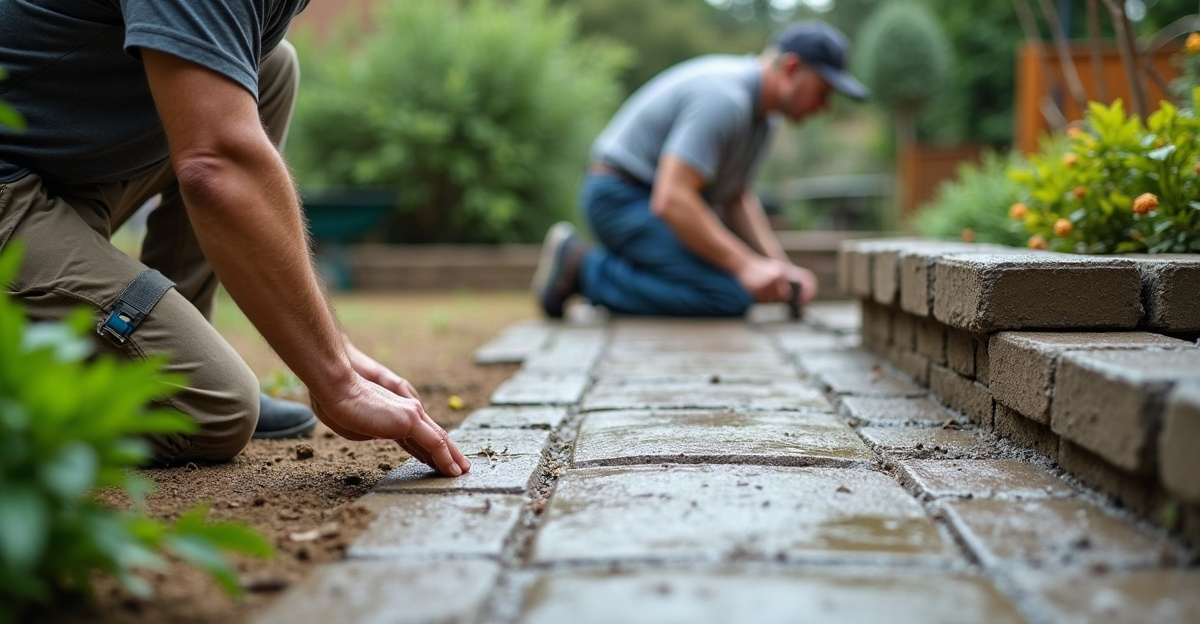
We should choose polymeric sand or regular sand based on paver base stability, drainage, joint width, and edge restraints. Polymeric sand creates stronger joints and resists washout on stable surfaces. Regular sand costs less and simplifies future paver repairs.
Key Takeaways
- Polymeric sand works best on stable, well-drained patios, walkways, and driveways with compatible joint widths.
- Regular jointing sand offers a practical choice when budget matters or pavers may require lifting and releveling later.
- Neither sand type can fix a failed base, poor drainage, standing water, weak edging, or shifting pavers.
- Polymeric sand can reduce washout, weeds, and insect activity, but it requires accurate installation and ongoing maintenance.
- Driveways and commercial paver areas require careful planning for traffic loads, drainage, maintenance costs, and repair access.
The Short Answer: Which Jointing Sand Is Better for Your Pavers?
Polymeric sand may be the better fit when a paver base is stable, drainage works properly, and joints meet the product requirements. It provides stronger joint binding, better washout resistance, and less routine joint maintenance in the right conditions.
Regular jointing sand remains a practical choice when keeping initial costs low matters most or when pavers may need lifting and releveling later. In the polymeric sand vs. regular sand decision, neither product can repair a failed base, poor grading, weak edge restraints, standing water, or improperly installed pavers.
The right material depends on joint size, paver type, traffic, drainage, climate, maintenance expectations, budget, and the likelihood of future repairs. For residential surfaces, we often focus on appearance, safety, and long-term peace of mind. For commercial pavers, maintenance costs, liability exposure, traffic disruption, and asset value carry equal weight.
For many stable patios, walkways, and driveways, polymeric sand vs. regular sand for pavers comes down to maintenance versus repair flexibility. Polymeric sand generally favors stability and washout resistance. Regular sand favors affordability and easier future access.
Polymeric Sand vs. Regular Sand at a Glance
Joint sand fills the gaps between pavers. It supports paver interlock, helps limit side-to-side movement, and affects how well the surface resists washout and routine wear. Joint sand matters, but it is only one part of a complete paver system. Base preparation, edge restraints, compaction, grading, and drainage must all work together.
| Factor | Polymeric Sand | Regular Jointing Sand |
|---|---|---|
| Material composition | Fine sand blended with water-activated binding agents | Loose, dry sand without binding agents |
| Upfront cost | Higher | Lower |
| Installation difficulty | Requires careful cleaning, compaction, and watering | Simpler to sweep and compact into joints |
| Joint stabilization | Stronger binding in compatible installations | Provides interlock but remains loose |
| Weed resistance | Reduces opportunities for weeds in joints | Allows more opportunity for growth over time |
| Insect deterrence | Can discourage insects from nesting in joints | Offers less resistance to insect activity |
| Washout resistance | Generally better when installed correctly | May wash out and require replenishment |
| Flexibility and paver movement | Less forgiving where movement is expected | Better for areas needing periodic adjustment |
| Permeability and water management | Varies by product; some products support permeability | Allows water through joints but does not fix drainage problems |
| Maintenance requirements | Often lower routine joint maintenance | May need refilling after weather and cleaning |
| Future paver repairs | Harder to remove before lifting pavers | Easier to remove and replace |
| Best applications | Stable, well-drained surfaces where reduced washout matters | Budget-conscious work, temporary areas, and surfaces needing future adjustments |
Polymeric sand typically consists of fine sand and binders that activate with water. Once installed correctly, it hardens or binds inside the joints. Regular jointing sand is usually dry, loose material swept into joints and compacted without a binding agent.
Joint stabilization means helping pavers remain interlocked and reducing sideways movement. Compaction uses a plate compactor or another appropriate method to settle pavers and drive sand fully into the joints. Permeability describes how easily water passes through a material. Efflorescence is a temporary white, powdery mineral residue that can appear on pavers or masonry.
A sound surface starts below the pavers. For new work or major repairs, professional paving services help ensure the base, edging, slope, and joint material support the same long-term goal.
Where Polymeric Sand Performs Best—and Where It Falls Short
Polymeric sand performs well on stable paver systems with proper drainage and joints that match the manufacturer’s requirements. It can reduce joint material loss during rain, surface cleaning, and normal use. The stronger joint bond also creates a cleaner finished look and may reduce routine refilling.
Compared with loose sand, polymeric material leaves fewer open spaces for weeds and insects. Still, it does not make a paver surface permanently weed-proof or pest-proof. Seeds can land on the surface, settle into debris, and grow above the joint material. Regular sweeping and cleaning remain part of responsible paver care. Proper paver sealing and protection can also support a cleaner, easier-to-maintain surface when the pavers and joint product are compatible.
Some polymeric sand products are made to allow water through the joints. That feature does not correct poor slope, saturated soil, clogged drainage paths, or standing water. No joint material can fix a failed base, inadequate edge restraints, or missing drainage planning.
Polymeric sand can help make pavers feel more stable, but that added binding creates a tradeoff. Later repairs often require breaking out the joint material before lifting and resetting pavers. Performance also varies with climate, freeze-thaw activity, foot or vehicle traffic, installation quality, drainage, paver movement, and product selection.
All polymeric sands differ. Joint width, paver type, slope, water-management needs, and traffic exposure affect which product fits the project. We recommend following the product manufacturer’s specifications before choosing a material.
Why Regular Sand Can Still Be the Right Choice
Regular sand vs. polymeric sand is not a choice between good and bad material. Regular jointing sand has clear benefits for the right paver system. It costs less, installs more easily, and allows faster access when pavers need lifting, replacement, or releveling.
That repair flexibility matters on surfaces with a history of settlement or on projects where future adjustments are likely. Regular sand can also make sense when joint widths, paver style, slope, or site conditions do not support polymeric products. It is often a sensible option for lower-cost repairs and temporary areas.
Loose sand has tradeoffs. It generally offers less washout resistance and may need replenishing after heavy rain, pressure washing, or seasonal movement. It can also leave more opportunity for weeds and insects than properly installed polymeric sand.
A properly built paver surface can still perform very well with regular sand. Strong edging, correct slope, stable base material, and controlled drainage do most of the heavy lifting. Before planning an upgrade, reviewing paver installation costs helps set realistic expectations for material, labor, and base repairs.
Installation and Site Conditions That Determine Whether Either Option Works
Many polymeric sand failures come from preparation or installation problems rather than a defective product. The paver system must be stable before joint material goes in. If pavers rock, sink, or shift, adding polymeric sand may hide the real problem for a short time without correcting it.
Installation Requirements and Failure Signs
For polymeric sand to perform as intended, joints must be clean and filled to the manufacturer’s recommended depth. Pavers and joints should be dry before installation unless product directions state otherwise. Crews must sweep sand fully into joints, compact as directed, remove excess material from the paver faces, and apply water evenly according to the product instructions.
Avoid installation during rain risk, freezing conditions, or on saturated surfaces. Too much water, too little water, uneven watering, poor compaction, or leftover dust on the pavers can lead to weak joints and surface haze.
Common warning signs include cracked joints, soft spots, residue on pavers, washout, weed growth, and continued paver movement. These symptoms may indicate base movement, poor drainage, unsuitable joint widths, incorrect installation, or a product mismatch.
Surface drainage and base repair must be handled separately from the jointing material. Foundation or hardscape settlement can also point to broader site concerns. Our guide on concrete foundation crack repair explains why addressing movement early can prevent wider exterior damage.
Choose the Right Sand for Patios, Driveways, and Commercial Pavers
Choose polymeric sand when joints meet product specifications, the paver base is stable, drainage functions properly, lower maintenance matters, and future paver removal is unlikely. Choose regular sand when the budget is the primary concern, periodic adjustment is expected, or the paver system does not support polymeric material.
Call a professional before choosing either option when pavers are sinking or rocking, water ponds on the surface, joints repeatedly wash out, edges are failing, vehicle traffic is involved, or the project is large or commercial. We can assess the full installation through our general contracting services, rather than treating joint sand as the only issue.
Patios and walkways often work well with polymeric sand if the base and drainage are sound. Regular sand remains useful for lower-cost areas or surfaces likely to need adjustment. Pool decks need close attention to drainage, water exposure, and product compatibility. For broader outdoor upgrades, our pool construction services can coordinate surrounding hardscapes with the pool area.
Driveways require the most caution. Vehicle loads demand proper base construction, suitable paver thickness, dependable edge restraints, and a joint product rated for driveway use if polymeric sand is selected. Commercial entryways and high-traffic pavers need a maintenance plan that balances safety, repair access, reduced disruption, and long-term return on investment. Our commercial construction team can review those requirements before work begins.
Frequently Asked Questions
Is polymeric sand better than regular sand for pavers?
Polymeric sand is often better for stable, well-drained paver systems that need stronger washout resistance and lower routine maintenance. Regular sand may be better for budget-sensitive work or areas needing future repairs.
Can regular sand be used between pavers?
Yes. Regular jointing sand is a valid option when installed over a properly built base with solid edging and drainage.
Does polymeric sand prevent weeds?
It can reduce weed opportunities within joints, but it does not stop seeds from growing in debris on top of the surface.
Does polymeric sand allow water to drain?
Some products are permeable. Product specifications matter, and permeable joints do not solve poor site drainage.
Can polymeric sand be used on a paver driveway?
Yes, if the product is rated for driveways and the paver system has the correct base, thickness, drainage, and edge restraints.
Is polymeric sand harder to remove when replacing pavers?
Yes. Its binding action usually makes paver removal more labor-intensive than loose sand removal.
Why is polymeric sand washing out or cracking?
Common causes include base movement, poor drainage, improper watering, incomplete joint filling, unsuitable joint width, or using the wrong product for the application.
If drainage issues, loose pavers, recurring washout, or a large commercial project create uncertainty, contact RayPro for a professional assessment. We’ll recommend a practical installation approach that protects the surface and supports reliable long-term performance.