Paver Sealing: Benefits, Process, and How to Protect Your Pavers
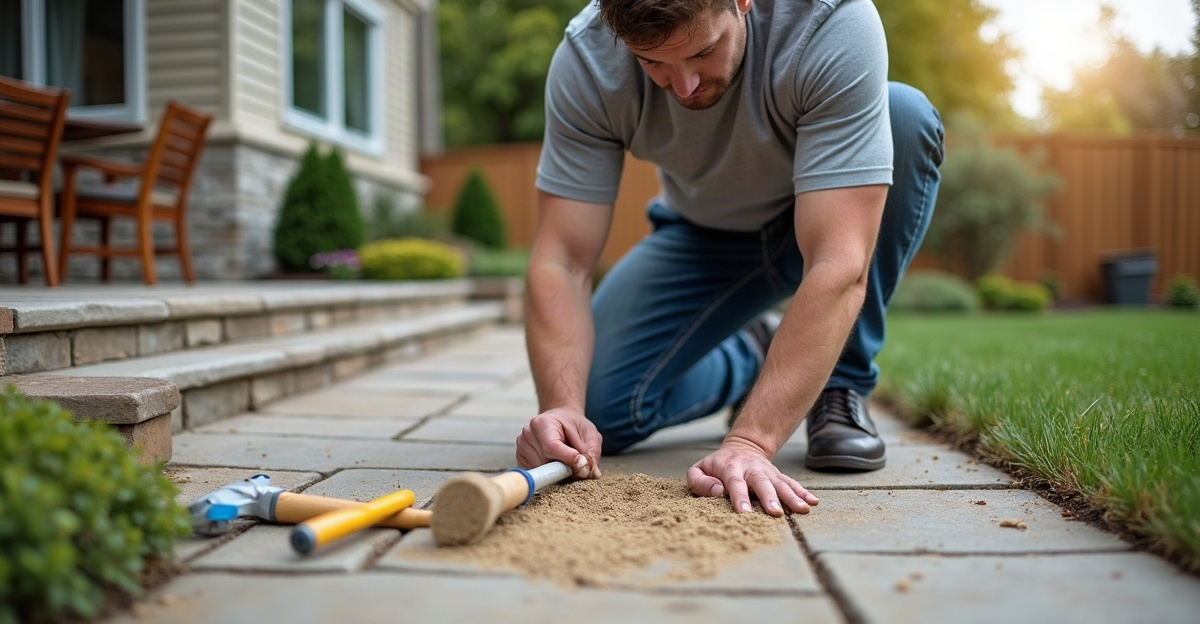
Paver sealing helps protect sound, well-prepared patios, driveways, walkways, and other high-use surfaces from stains, fading, moisture entry, joint-sand loss, and surface wear. We achieve the best results by fixing drainage and paver issues first, selecting a compatible sealer, and allowing enough drying and curing time.
Key Takeaways
- We treat paver sealing as optional maintenance, not a fix for failed bases, standing water, loose pavers, cracks, or damaged joints.
- We clean and dry pavers and repair joints before sealing. Trapped moisture, contaminants, and old coatings can cause haze, peeling, or weak adhesion.
- Penetrating sealers preserve a more natural finish, while film-forming sealers can deepen color. We select and apply film-forming products with care.
- We maintain sealed pavers through regular sweeping, quick spill cleanup, drainage checks, and joint inspections.
- We recommend professional planning for pool decks, entrances, commercial properties, and large or damaged surfaces. This support helps manage safety, access, weather, and curing needs.
Is Paver Sealing Worth It for Your Property?
Paver sealing is optional, not mandatory for every paved surface. It applies a compatible protective treatment to pavers that have been properly cleaned, repaired, and dried.
For patios, driveways, walkways, pool decks, parking areas, and other high-use spaces, sealing pavers can be a smart maintenance step. The right sealer for pavers may help reduce staining, fading, surface wear, water intrusion, joint-sand loss, and weed growth. Results depend on the product, paver material, preparation, traffic, climate, and follow-up care.
Sealed pavers still need attention. They can stain, fade, shift, develop weeds, and require cleaning or repair over time. Sealing doesn’t create a maintenance-free surface or guarantee permanent stain and weed protection.
The decision should account for paver material, current condition, vehicle or foot traffic, sun exposure, freeze-thaw cycles, food or oil exposure, pool chemicals, drainage, and the finish we want. Before planning a new surface, it also helps to understand paver installation costs and the long-term maintenance involved.
Should We Seal Our Pavers?
Use this checklist before moving forward:
- Are the pavers structurally sound and draining correctly?
- Is the surface clean and fully dry?
- Do oil stains, algae, efflorescence, old coatings, or damaged joints need treatment first?
- What material are the pavers made from?
- Do we actually want color enhancement or a wet-look finish?
- Does the area face pool water, food grease, vehicles, heavy foot traffic, or harsh weather?
- Are slip resistance or public-access concerns involved?
- Can the area remain closed during application and curing?
- Is a professional assessment needed before work starts?
What Paver Sealing Cannot Fix—and When Repairs Come First
Sealing is a maintenance measure, not a structural repair. A coating can improve appearance and add surface protection, but it can’t repair a failed base, poor drainage, low spots, standing water, structural movement, loose pavers, broken pavers, cracking, or major joint failure.
Repairs should come first if pavers are loose, uneven, sunken, cracked, or broken. Standing water, poor slope, and drainage issues also need correction before sealing. Missing or failed joint sand, active algae or mildew, food grease, oil stains, and old coating failures need proper treatment as well.
Efflorescence is a white, powdery mineral deposit that can appear on masonry and paver surfaces. It should be evaluated and addressed before sealing. Applying sealer over wet pavers, standing water, active efflorescence, algae, loose units, failed joints, or incompatible old coatings can cause hazing, whitening, peeling, poor adhesion, and uneven results.
We recommend completing drainage corrections, base repairs, paver replacement, and joint repairs before cosmetic work begins. Good drainage protects paved areas from moisture-related movement and surface damage. The same principle applies across exterior systems, as explained in roof drainage systems: water needs a clear path away from the structure and surface.
Choosing the Right Sealer for Pavers
Concrete pavers, brick, natural stone, and porcelain pavers don’t all accept the same preparation methods or products. We verify manufacturer guidance and test a small, inconspicuous area before broad application.
A penetrating sealer generally absorbs into porous materials. It often keeps a more natural appearance while helping resist water or stains. A film-forming sealer creates a visible surface layer and may add color enhancement or a wet-look finish. It requires careful preparation and product matching because poor application can lead to peeling, whitening, hazing, or increased slipperiness.
| Sealer Type | Typical Appearance | Best Use Cases | Key Advantages | Key Tradeoffs | Surface and Material Compatibility Considerations | Maintenance and Reapplication Considerations |
|---|---|---|---|---|---|---|
| Penetrating | Natural-look or low-sheen | Porous concrete, brick, and some natural stone | Helps resist moisture and staining without a visible film | Usually provides less color enhancement | Must suit the paver’s porosity and any prior treatment | Inspect performance and follow product guidance before reapplying |
| Film-forming | Matte, satin, or wet-look | Areas where color enhancement or a visible finish is desired | Can deepen color and create a more noticeable finish | May peel, haze, whiten, or become slippery if poorly matched or applied | Requires a clean, dry, stable surface and compatibility with existing coatings | May need more involved cleaning or removal before future applications |
Product specifications and manufacturer recommendations should guide final selection.
Natural-look, matte, satin, and wet-look finishes all have a place. The right option depends on material, location, expected traffic, preferred appearance, and safety requirements. Pool decks and entrances need extra attention because slip resistance and product choice carry greater risk in those areas. We don’t label a product non-slip, eco-friendly, VOC-compliant, or suitable for a specific use without supporting documentation and applicable local requirements.
The Proper Paver Sealing Process: Preparation, Application, and Curing
Preparation often determines whether paver sealing performs as expected. Most failures begin with poor cleaning, trapped moisture, incomplete drying, or unresolved surface issues.
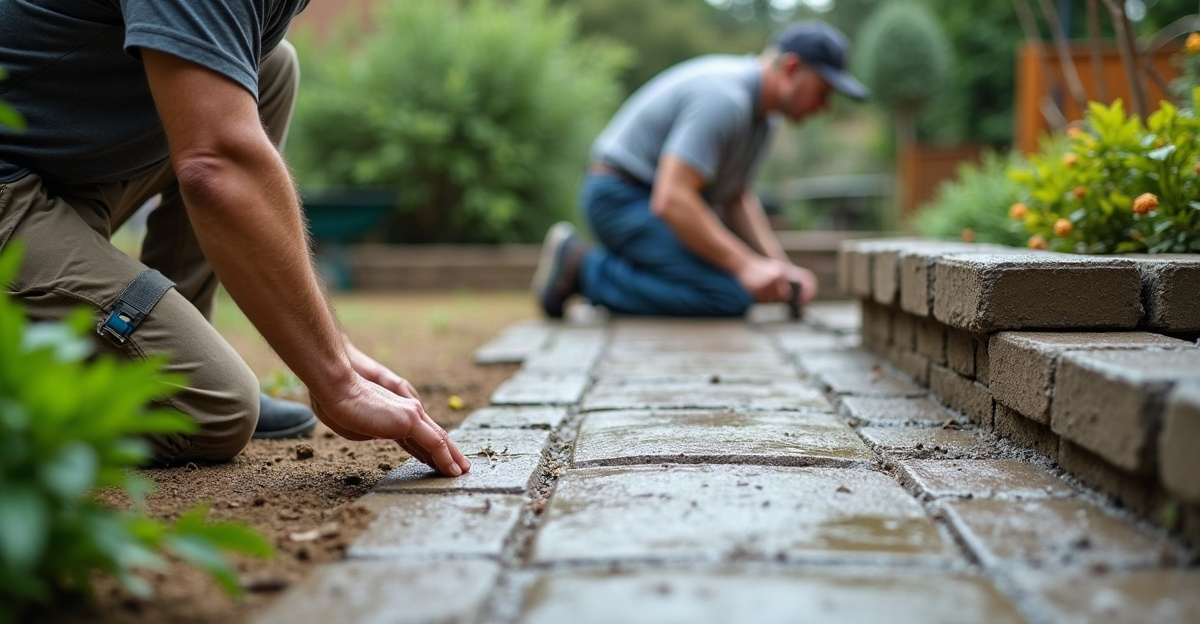
We start by inspecting paver condition, drainage, joints, stains, and any prior coatings. Next, we clean the surface thoroughly and treat oil stains, algae, mildew, and other contaminants where appropriate. Efflorescence needs evaluation before sealer goes down.
Loose, damaged, uneven, or sunken pavers should be repaired. Joint sand may need replacement or stabilization. Polymeric joint sand is a joint-filling material intended to help stabilize sand between pavers when used with a compatible paver system. Its use must fit the paver system, drainage needs, and selected sealer.
Before application, we protect nearby walls, doors, landscaping, drainage areas, and adjacent surfaces. The pavers must be fully dry. Cleaning water and rain need adequate time to leave the surface and joints because drying varies with material, humidity, shade, temperature, and drainage.
We then apply the compatible product evenly according to manufacturer instructions. Curing is the period when sealer dries and develops its intended performance characteristics. Rain, high humidity, extreme temperatures, shade, moisture, and poor drainage can affect both application and curing, so weather windows matter.
For larger upgrades or surfaces that need base work before sealing, our paving services can address the full condition of the area rather than covering up underlying problems.
Paver Sealing Maintenance, Reapplication, and Commercial Planning
How long sealing lasts varies by product, paver material, traffic, UV exposure, drainage, climate, cleaning practices, and maintenance. We recommend evaluating surface condition instead of relying on a fixed reapplication schedule.
Routine sweeping, prompt spill cleanup, periodic washing where appropriate, drainage monitoring, and joint inspections all protect the investment. Sealing may reduce joint-sand loss and weed growth, but it won’t permanently stop weeds or remove the need for maintenance.
Commercial properties need a clear work plan before sealing starts. Access restrictions, curing and reopening schedules, pedestrian safety, vehicle traffic management, odor and VOC concerns, local requirements, and product documentation all affect the project. Occupied properties often benefit from phased work and clear communication with tenants, visitors, staff, or customers.
For commercial sites, the value comes from protecting high-visibility, high-use paved areas when the surface is structurally sound and the maintenance plan fits the property. That supports predictable maintenance budgets, asset appearance, and long-term reliability. Our commercial construction team can coordinate paving work with access, safety, and operating needs.
DIY vs. Professional Paver Sealing: Common Questions and Next Steps
DIY sealing may work for small, simple, well-maintained spaces when we understand preparation, material compatibility, weather limits, safety requirements, and application instructions. Professional service is often the better choice for large areas, commercial sites, heavy staining, previous coating failures, pool decks, drainage concerns, uneven pavers, or complex access conditions.
A professional assessment can identify trapped moisture, inadequate cleaning, failed joint sand, poor drainage, incompatible old coatings, uneven application risks, and weather-related failure risks before work begins.
Is paver sealing worth it?
It can be worthwhile when pavers are sound, clean, dry, and located in an area where appearance and easier maintenance matter.
How often should pavers be sealed?
Surface condition and product guidance should drive the decision rather than a blanket schedule.
Does sealing pavers stop weeds from growing?
It may reduce weed growth by helping stabilize joints, but weeds can still develop and require maintenance.
Can we seal pavers after pressure washing?
Yes, once the surface is thoroughly cleaned, any damage is repaired, and the pavers are fully dry.
Can we seal pavers if they are wet?
No. Moisture can interfere with adhesion, appearance, and curing.
What is the best sealer for pavers?
The best option matches the paver material, surface condition, location, desired finish, and safety needs.
Is a wet-look paver sealer slippery?
It can increase slipperiness if poorly selected or applied. Pool decks and entrances require special care.
Should damaged or uneven pavers be repaired before sealing?
Yes. Sealer can’t correct structural or drainage problems.
Can pavers around a pool be sealed?
They can, provided the product fits the material and safety requirements of the area.
Is professional paver sealing better than DIY?
Professional work offers added value where preparation, repairs, drainage, product selection, or site access are complicated.
If we’re unsure whether pavers are ready for sealing—or whether drainage, repairs, old coatings, or material compatibility need attention first—RayPro can evaluate the surface and provide a clear project recommendation. We can help arrange an assessment, estimate, or consultation through our project contact team.