Roof Drainage Systems Explained
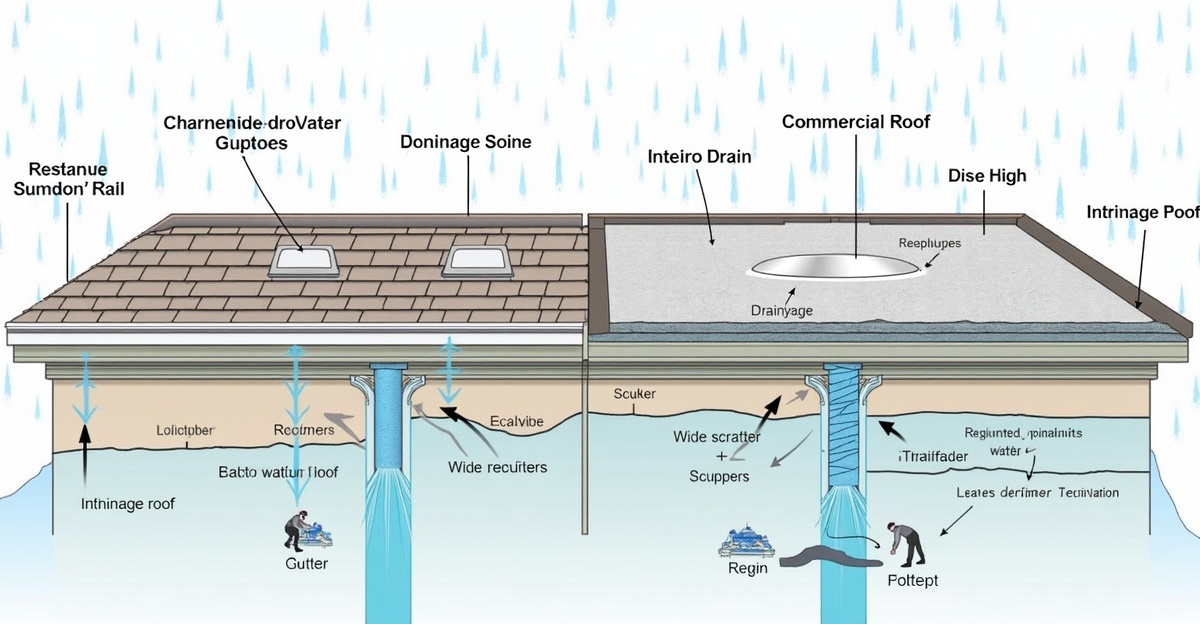
Understanding different roof water drainage systems is essential for keeping your building safe from water damage and early roof deterioration. We’ll walk through how systems like gutters, scuppers, interior drains, and siphonic networks function—and how to choose the right option based on your roof’s slope, layout, and local climate.
Key Takeaways
- Inadequate roof drainage causes leaks, mold growth, weakened structures, and even foundation damage—especially on flat or low-slope roofs.
- The five core drainage types include gutters and downspouts, interior drains, scuppers, siphonic systems, and green roof drainage designs.
- Flat commercial roofs usually need internal options like drains or scuppers, while sloped residential roofs work best with gutter systems.
- Selecting the correct drainage type relies on roof angle, rainfall levels, building codes, and how easily the system can be accessed for upkeep.
- Routine care—removing buildup and inspecting parts—is vital to avoid failures and help the roof last longer.

What Happens When Roof Drainage Fails?
Roof drainage isn’t just about redirecting a little rainwater. When it fails, you’re looking at damage that spreads fast and gets expensive. Poor drainage is one of the leading reasons roofs wear out before their time. It silently chips away at structural integrity, insulation, and even safety. Whether you manage a commercial property or own a home, ignoring drainage problems will cost you—financially and structurally.
Real-World Consequences of Failed Drainage
Here’s what can happen when a roof can’t get rid of water the way it’s supposed to:
- Water Pooling: On flat roofs, standing water adds serious weight. According to guidance from the National Roofing Contractors Association (NRCA), standing water on flat roofs can add significant weight—often reaching up to 5 pounds per square foot. That’s enough to strain support beams and compromise roof framing over time.
- Roof Leaks: Water that doesn’t drain has more chances to find a way inside. Over time, this leads to drips, stained ceilings, and warped walls. These leaks don’t wait politely at the door—they go where they want.
- Mold and Mildew Growth: Standing or trapped moisture creates a breeding ground for mold, especially in attics or between roofing layers, as explained in the EPA’s guidance on mold and indoor air quality. That not only eats away at materials, it puts air quality at risk.
- Deterioration of Roofing Materials: Saturated roofing layers break down faster than dry ones. Asphalt shingles curl. Membranes crack. Wood decks rot. A properly working residential or commercial roof drainage system helps extend the life of all of these components.
- Foundation Damage: If water pours straight off a roof edge—without gutters or drains—it soaks into the ground near the foundation. Over time, this erodes soil and creates pressure that cracks concrete or shifts walls.
- Ice Dams in Winter: In cold climates, poor drainage contributes to ice dams. These ridges of ice block melting snow from exiting properly, pushing water backward under shingles and into the attic.
In homes, signs of poor roof drainage often show up as ceiling stains, mold on windowsills, wet basements, or peeling paint near roof edges. For commercial buildings, the warning signs get bigger—ponding water, growing leaks, sagging decks, and bubbling roofing material.
Flat roofs are especially vulnerable. Even small dips in the surface can create puddles that linger for days. If you’re seeing ponding, it’s time to explore proper roof drainage system types that can move water off faster and more reliably.
Commercial Risks: More Than Repair Bills
Poor drainage on commercial roofs creates problems that ripple beneath the surface. This isn’t just about water—it’s about liability, energy performance, and code compliance.
- Slip-and-Fall Accidents: Overflowing roof drains or gutters lead to puddled sidewalks and slick entryways. That puts people at risk and opens the door to lawsuits.
- Structural Damage: The weight of ponding water stresses beams, joists, and insulation systems. Long-term stress can cause deflection or, worse, local collapses.
- Energy Loss: Wet insulation stops working. Heat escapes in winter. Cool air leaks out in summer. This drives up energy costs significantly.
- Code Violations: Building codes require proper drainage and waterproofing, as outlined in the International Building Code’s roof drainage provisions. Failing inspections due to drainage design or maintenance can shut down operations until repairs are complete.
We’ve seen businesses shut down a wing due to ceiling collapse from trapped water. We’ve also seen property managers rush to install emergency drains after violations. It doesn’t have to get to that point.
If you manage commercial property, a trustworthy commercial roofing partner can assess drainage design and recommend proactive upgrades.
Fixing the Root of Drainage Problems
Too often, folks treat the symptoms—pumping out ponding water, patching a leak—and not the actual cause. Solving drainage issues means looking at the whole system: roof slope, drain location, scupper condition, and gutter health.
That’s why our inspections don’t stop at what’s visible. We check pitch, look under membranes if needed, and trace water’s full path. If your gutters are clogged, damaged, or missing altogether, we may suggest new gutter installation to reroute runoff out and away.
Regular upkeep also plays a huge role. Simple routines like cleaning out gutter debris, resealing drains, and checking for pitch problems catch small issues before they turn into waterlogged disasters. Our full list of roof maintenance tips goes into more detail on what to check and when.
Staying ahead of drainage problems might feel like one more thing on the list, but it’s one of the biggest investments you can make in avoiding expensive repairs later. Every property deserves a drainage system that does its job so the roof can do its own.

Getting to Know Your Options: Common Roof Drainage Systems Explained
Choosing the right roofing drainage system isn’t just about moving water—it’s about preventing leaks, protecting your structure, and making sure your investment holds up over time. Different types of roof drainage systems are designed for different roof shapes, materials, and structures. Here’s how we break them down.
Breaking Down the Main Drainage Types
Here’s a quick rundown of the most common drainage systems you’ll find, with plain explanations that help you visualize how each one works:
- Gutters and Downspouts: Think of these as the standard setup for sloped residential roofs. Gutters act like external channels that catch rain as it runs off the edge, then guide it through downspouts to a safe place away from your foundation. They’re visible, easy to inspect, and cost-effective too. Just make sure they’re clear and properly pitched. Learn more about their function from our blog on how gutters protect your roof and property.
- Interior Roof Drains: These are the go-to solution for flat roof drainage systems, especially in larger commercial buildings. Picture a bathtub—water collects on the surface and drains through pipes hidden below. That’s how interior drains manage roof water. The system uses slopes built into the roof structure to guide water toward the drain openings, which connect to internal piping. These are protected against debris with strainers or domed covers.
- Scuppers: These are openings along the parapet walls or edges of flat/low-slope roofs. Water flows out sideways, either spilling directly off the building or into conductor heads and downspouts. Scuppers are more visible than interior drains and often easier to maintain. Unlike gutters, they rely on gravity and wide openings to move water quickly. If you’re weighing roof gutters vs scuppers, understand that scuppers are better suited for heavy rainfall when paired with secondary drainage.
- Siphonic Drains: For larger commercial setups, especially those with flat or low-slope roofs, siphonic systems offer another level of efficiency. These systems remove air from the piping to create a vacuum-effect, pulling water through at a faster rate. Think of a tightly sealed straw—you can drain more water, faster, with fewer and smaller pipes. They also reduce the number of roof penetrations and are mostly hidden, which is a plus for certain architectural designs.
- Green Roof Drainage: These setups pair eco-conscious planting with functional drainage. They often use a layered system under the vegetation to wick water away slowly. While these are more niche, they still rely on either interior drains or scuppers as a base system to channel excess water. If you’re going green, just know the drainage has to work twice as hard—keeping roots healthy and preventing structural damage.
What to Consider Before Choosing a Drainage Type
Picking the right system depends on how your roof is built. Flat roofs don’t get the benefit of gravity like a pitched roof does, so water tends to linger—creating higher chances of leaks and damage. Here’s what we check before making a recommendation:
- Roof slope: Flat roofs need internal or scupper-based drainage. Pitched roofs favor gutters.
- Building structure: Multi-story buildings often do better with interior systems to avoid visible run-off trails on walls.
- Aesthetic goals: Gutters and scuppers are visible; interior drains and siphonic systems stay hidden.
- Climate and rainfall: The more rain you get, the more robust your system needs to be.
- Maintenance access: Gutters are easier to check than internal pipes. But unmaintained gutters overflow fast.
Here are some best practices for owners dealing with flat roofs in particular:
- Never count on gutters alone. Flat roofs hold water, and standing water leads to damage fast. Our team discusses this in more detail in flat roof problems every owner should know.
- Combine scuppers and interior drains for redundancy. That way if one floods or clogs, the other picks up the slack.
- Use appropriate strainers or covers to keep drain inlets clear, especially in high-debris areas.
If you’re setting up or upgrading a system, our roof repair team can inspect your current drainage and help decide the best way forward. And if you haven’t done so recently, take a look at our practical roof maintenance guide—clear drains are one of the most overlooked maintenance items out there.
Every building’s different, but getting the right drainage system in place is always worth it. It protects your roof, your walls, and even your foundation from unnecessary water damage. We’re here to help you pick the right system that keeps water flowing the way it should—out and away.
Residential vs. Commercial: What Roof Drainage System Is Right for You?
Roof drainage isn’t one-size-fits-all. Whether we’re talking about your home or a shopping center, how water gets off the roof matters. Choosing the right drainage system starts with understanding the differences between residential and commercial needs—and being honest about how your building performs in heavy rain or snow.
Core Differences Between Residential and Commercial Systems
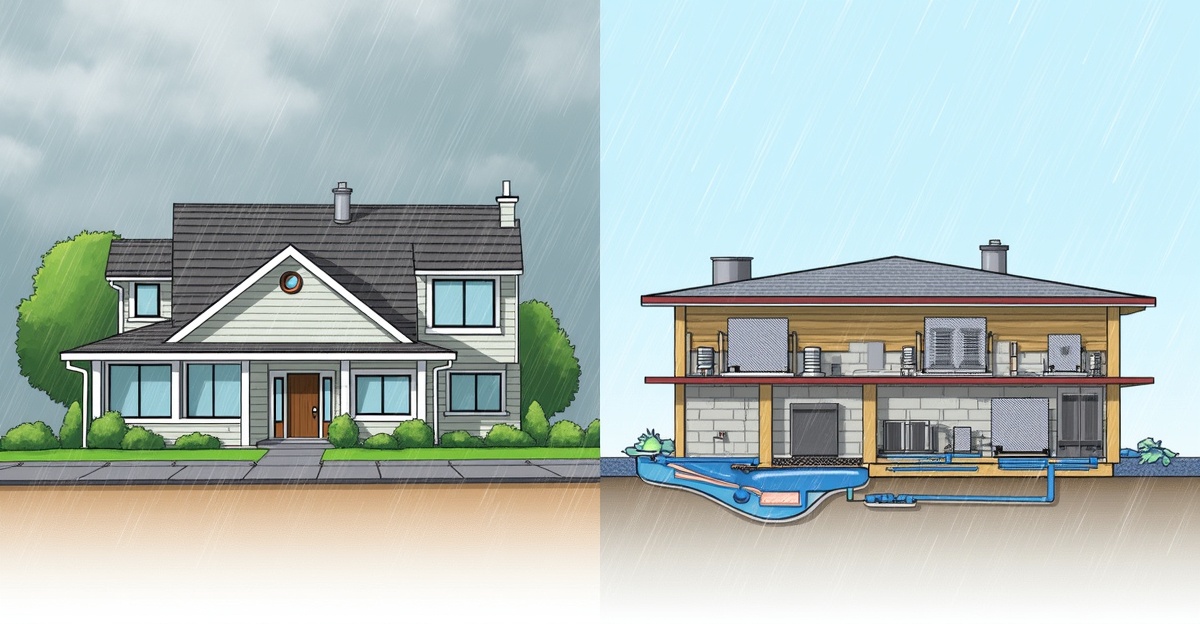
Residential systems are built for curb appeal and simple upkeep. They use visible gutters and downspouts that catch runoff from sloped roofs. Performance still matters, but homeowners want something that looks clean and works without constant fuss.
Commercial roof drainage has different goals. Flat or low-slope roofs need to carry larger volumes of water across wider areas. These setups often rely on internal systems—drains, scuppers, and sometimes parapet overflow—not just for efficiency, but to meet local building codes and reduce liability.
Here’s how it breaks out:
| Feature | Residential | Commercial |
|---|---|---|
| Typical Roof Type | Pitched (asphalt shingles, tile) | Flat/Low-slope (TPO, EPDM, built-up) |
| Drainage Method | Gutters and downspouts | Interior drains, scuppers, gutters (as backup) |
| Performance Needs | Handles average rainfall and snowmelt | Must carry heavy loads quickly and reliably |
| Aesthetic Considerations | High priority—visible components | Low priority—systems usually hidden |
| Access for Maintenance | Easy ground-level access | Requires roof access or specialized tools |
| Code and Liability Factors | Local codes, ice dam protection | Strict codes, including redundancy & overflow control |
Residential systems also require extra care in cold climates to prevent icicles and ice dams. We often recommend checking systems seasonally and keeping gutters clear to keep flow steady. For more ongoing tips, we’ve laid out helpful advice in our roof maintenance guide.
Commercial roofs, on the other hand, have far more at stake. Backups or failures can impact tenants, inventory, or operations. That’s why these systems demand stricter design and routine inspections. Overflow scuppers are often required as backup drainage, and internal lines must handle sudden storms without clogging. Get it wrong, and you’re dealing with building code violations and insurance headaches.
For a full overview of system types on both sides, take a look at our deeper dive into roof drainage system types.
Special Cases: Multi-Unit and Mixed-Use Properties
Not every building fits neatly into “residential” or “commercial.” Properties like apartment complexes or mixed-use buildings combine elements of both. These setups often include:
- Flat roofs with interior drains like commercial buildings
- Visible gutters in residential-style units or shared porches
- Requirements to meet both commercial and residential codes
In these situations, we balance performance, aesthetics, and long-term durability. We might suggest a hybrid system that includes scuppers or backup drainage alongside traditional outlets. It’s more involved, but worth it—especially when investing in flat roofing systems that serve multiple tenants or functions.
No matter the property, poor drainage leads to the same problems: leaks, sagging structures, and moisture damage under the surface. If you’re already seeing signs—like pooling water or sagging gutters—it could point to a bigger issue. Here’s a quick checklist that’s worth reviewing:
- Water exiting too slowly or backing up
- Overflow down walls or over eaves
- Consistent pooling after storms
- Ice forming in the wrong places
Issues like these should never be ignored. We’ve covered their causes and fixes in our article about roof leaks and how to fix them.
If you’re planning a new build, making upgrades, or responding to storm damage, choosing the right drainage isn’t optional. It’s one of the smartest long-term decisions you can make. For property owners wanting to get ahead of trouble—or line up a new system that meets today’s demands—our gutter installation services are a good place to start.
How to Choose the Right Roof Drainage System for Your Building
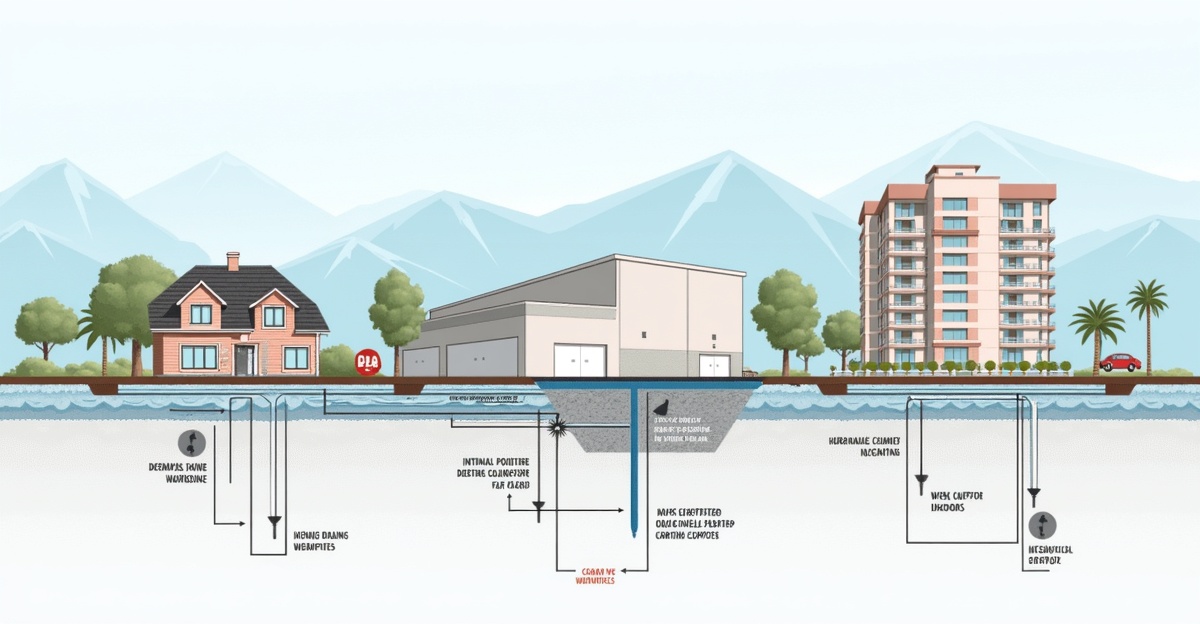
Matching your building to the right drainage system means looking at more than just gutters or downspouts. We’ve worked across climates and property types, from snowy rooftops in Pennsylvania to hurricane-prone zones in Florida, and every roofing system needs a drainage plan that fits its conditions. Let’s walk through what matters.
What to Consider Before Choosing a Drainage System
We look at a few core factors before recommending any type of roof drainage system. These aren’t optional—they’re essential for long-term performance and code compliance.
Start by looking at:
- Roof slope: Sloped roofs usually use gutters and downspouts, while flat roofing often depends on internal drains, scuppers, or gutters with custom pitch. Choosing the wrong setup leads to pooling water, leaks, and long-term roof damage.
- Climate and precipitation: In areas with heavy rainfall or snow, capacity matters. Internal drains are ideal for snowy climates—they stop dangerous icicles from forming along the edges. High-volume downspouts and wider gutters help in regions with heavy rainfall.
- Building size and budget: A large commercial warehouse with a flat roof won’t use the same system as a small residential home with a steep pitch. Internal systems may cost more up front, but they often reduce runoff risks on larger structures. We help weigh first costs against potential drain failures down the line.
- Design and curb appeal: In residential homes, visible downspouts might affect appearance. For commercial sites, function leads, but well-integrated drainage can still maintain a clean exterior look.
- Maintenance access: Can you safely clean your gutters or clear a drain after a storm? Some systems are tough to reach or require special equipment. In those cases, we’ll build in easy access or recommend alternatives like scuppers that lower maintenance demand.
To help clarify your needs, here are a few questions worth asking:
- How much rainfall or snow do we get annually?
- Is our roof mostly flat, low-slope, or steep?
- Are we dealing with freezing temperatures that lead to ice dams?
- Can we access our gutters, downspouts, or drains to clean them safely?
- Does the building have internal piping we can easily inspect or repair?
- What kind of long-term maintenance can we realistically handle or budget for?
We’ve installed everything from basic downspout systems to commercial flat roof drains with heaters and custom slopes. Since drainage systems must meet local code, and those vary across states, we always align our designs with regional rules. That includes making sure flow calculations and pipe sizing match the requirements, not just national standards.
For example, if you’re working on a warehouse with a flat surface, we may recommend internal drains with properly pitched insulation layers to move water away from weak areas. You can learn more about setups like that in our guide to roof drainage system types.
If you’re managing a home in a high-leaf area with sloped shingles, we might look at seamless gutters paired with debris guards—especially if the homeowner doesn’t want to climb a ladder every season. Our gutter installation services include these add-ons, along with options sized for higher flow in storm-heavy regions.
For flat roof issues, poor drainage is often the root cause. We’ve seen everything from membrane damage to ponding and mold caused by blocked drains. If you’re dealing with anything like that, check out this info on flat roof drainage problems and ways to fix them.
Whether it’s a retrofit or new installation, the system has to move water where you need it—not back into the structure. That means planning for volume, slope, freeze/thaw cycles, and even aesthetic expectations. And we make sure it’s done right, from pitch calculations to downspout placement.
If you’re still uncertain about your drainage options, we’re here to walk the site or plans with you. Our team handles everything from targeted drainage fixes to complete replacements with code-verified layouts. Choosing the right drainage system early on saves repair costs later—and makes your building safer and drier from day one.
Don’t Ignore the Warning Signs: When It’s Time to Inspect, Repair, or Upgrade
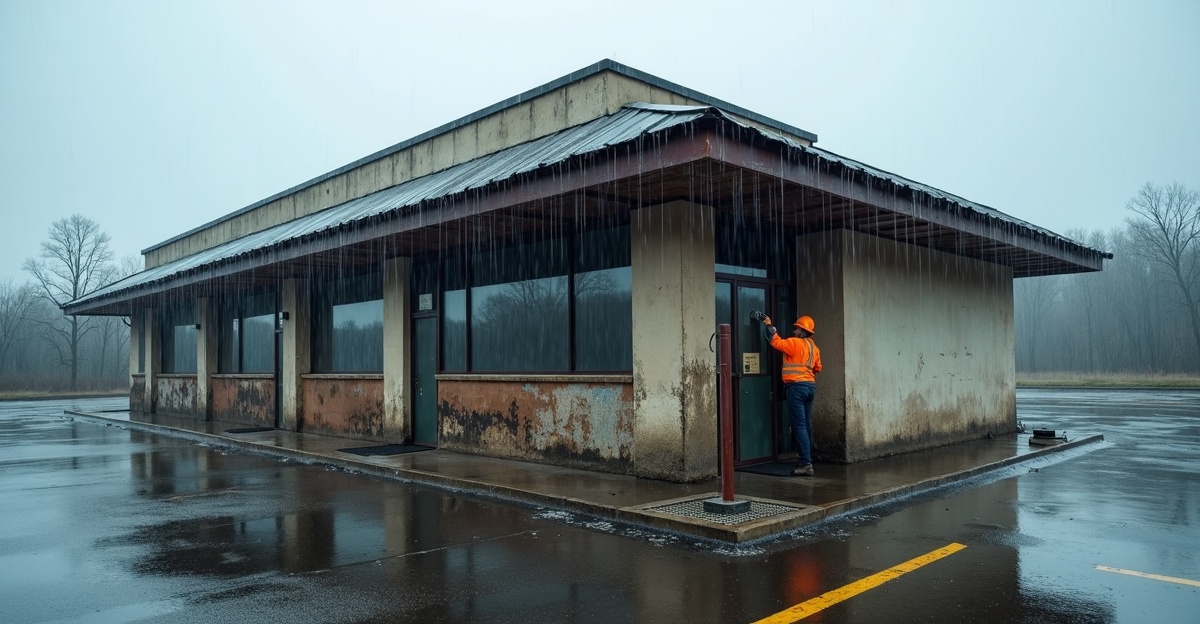
Even the best roof drainage systems don’t last forever. Knowing the signs of poor roof drainage helps us step in before things go south. Too many property owners learn the hard way—by waiting until repairs are unavoidable. Spotting early red flags saves money, stops long-term deterioration, and protects everything under the roof.
Watch for These Telltale Signs
If we notice any of the following issues, it’s time to take a closer look at the drains, scuppers, downspouts, and gutters:
- Overflowing gutters during moderate rain — That’s not just a mess; it’s a system failure. Either the gutters are clogged, undersized, or pitched wrong.
- Water stains on soffits, ceilings, or fascia boards — If that drip shows up inside, the water’s already gotten past the outer system.
- Visible mold, peeling paint, or soft wood near the edge of the roof — That kind of moisture damage often means the problem’s been happening for a while.
- Consistent standing water on the roof or near the foundation — Especially on flat roofs, ponding water threatens roofing material, insulation, and structural layers.
Early mold and mildew aren’t the first sign. They’re usually the second. And rotten wood under eaves or fascia points to hidden damage that’s begun eating away at the structure.
If we manage or own a flat roof, we’re especially vulnerable. Flat roof drainage tends to rely on internal scuppers or custom slope design, which can clog or sag over time. For more on roof types, check out this breakdown of roof drainage system types.
Each season brings its own weather challenges—freeze-thaw cycles in winter, heavy downpours in spring, summer debris buildup. That’s why we recommend scheduling seasonal roof inspections, especially after a major storm. Even if there’s no visible damage, drainage parts can separate, loosen, or clog without warning.
In some cases, cleaning or re-sloping gutters offers a quick fix. But if the system’s broken down completely, or the building’s use has shifted (like new HVAC on the roof), we may need a full upgrade. Improper drainage isn’t just annoying—it shortens roof life and increases the risk of leaks. If leaks pop up, take a look at these common leak causes and solutions.
For properties already showing damage, we may need to step in with targeted roof repair, or even consider updated drainage hardware through new gutter installation.
Don’t let minor warnings grow into major repairs. Fixing drainage issues early keeps the roof system functioning like it should, year after year.
Keep It Flowing: Maintenance Tips That Keep Problems (and Costs) Away
Drainage issues can leave behind costly water damage. The good news? Most of it is avoidable with regular upkeep. Roof drainage maintenance shouldn’t sit on the back burner—not when simple checks can save thousands in repairs.
Smart Strategies That Stop Problems Early
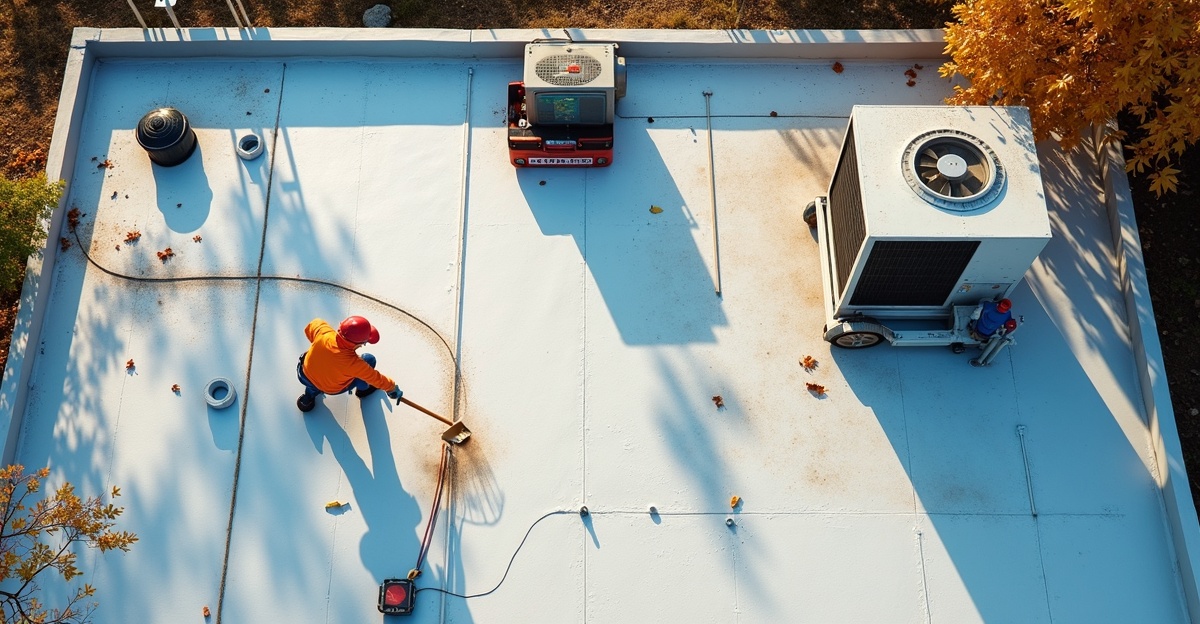
We’ve handled plenty of jobs where early action could’ve saved time and money. Proactive maintenance costs 4–7 times less than emergency repairs or full replacements. Here’s how to stay ahead of it:
- Clean your gutters twice a year. Once in the spring, once in the fall. More often if trees surround your property.
- Clear debris around scuppers and roof edges. Leaves and branches can block runoff and cause ponding—especially on flat systems.
- Check that interior drain domes are secure and clear. A loose or clogged dome slows drainage and allows backups under the membrane.
- Use video inspections for internal drain lines. These let us spot hidden blockages and cracks before they turn into problems.
Seasonal leaf buildup is one of the biggest culprits for drainage blockages—especially on flat roofs. It’s easy to miss until there’s standing water or signs of a leak. The right move? Catch it early. You can also read more about common flat roof drainage issues and what causes them.
Know When to Call a Pro
Some roofs are simple. Others come with miles of piping and tight access. If your building has:
- A large or complex flat roof
- Internal piping that runs to underground sewers
- Recurring leaks or standing water issues
…it makes sense to bring in pros who know what to look for. That’s where a trained roof repair team pays off—because the right inspection can uncover problems you won’t see from the surface.
We also recommend scheduling routine evaluations every couple of years. This keeps your system on track and gives us a chance to catch storm damage, slow-forming clogs, or signs the system just isn’t keeping up. You can explore more in this guide on roof drainage system types and how they work.
In some cases, the setup itself is the problem. If you’re getting frequent clogs or backups whenever there’s heavy rain, the system’s design might not be able to handle the volume anymore. That’s a clear sign it’s time to look into upgrading your roof drainage system—even more so if you’re doing patch fixes repeatedly.
A proper drainage system protects everything under it. Whether that’s by replacing worn components, redesigning flawed layouts, or installing a more modern gutter solution, it all starts with a solid inspection. If you’re not sure where yours stands, our crew can walk the system with you and talk real options—no fluff.
Frequently Asked Questions
The main roof drainage system types are gutters and downspouts, interior roof drains, scuppers, siphonic drainage systems, and green roof drainage layers. Each type is designed for specific roof slopes and building uses. Sloped roofs typically use gutters, while flat or low-slope roofs rely on internal drains or scuppers to prevent standing water and structural damage.
Flat roofs work best with interior roof drains or scuppers because water does not naturally run off. Interior drains use sloped roofing to guide water into internal piping, while scuppers allow water to exit through roof edges. Many flat roofs use both systems together for backup protection and to meet building code requirements.
Gutter systems collect water at the roof edge and move it down exterior downspouts, making them ideal for sloped residential roofs. Interior roof drains collect water through openings on the roof surface and channel it through internal pipes. Interior systems handle higher volumes and reduce exterior runoff, making them better for commercial and flat roofs.
Roof drainage systems fail due to clogged debris, improper slope, undersized components, or lack of maintenance. Leaves, dirt, and ice can block water flow, leading to pooling and leaks. Over time, standing water accelerates material deterioration, damages insulation, and increases the risk of structural problems if drainage issues are not corrected.
A roof drainage system should be upgraded if you notice recurring leaks, ponding water, overflowing gutters, or frequent clogs. Changes to roof structure, added rooftop equipment, or increased rainfall demands may also require a higher-capacity system. Upgrading improves water flow, extends roof lifespan, and helps maintain building code compliance.