How much does a paver installation cost?
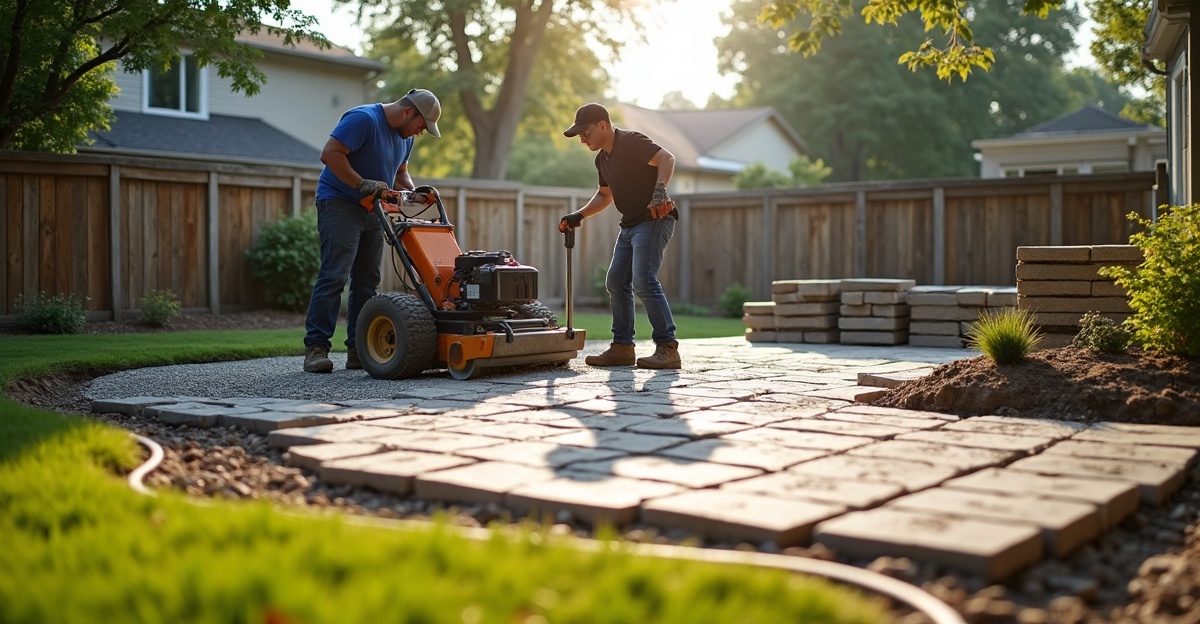
Most paver installation projects cost $15 to $35 per square foot. Final pricing depends on site conditions, base prep, material selection, and design complexity. A 300 sq ft patio often runs $5,400–$8,400. Larger residential driveways and commercial plazas cost more due to load requirements, drainage engineering, and access constraints. We evaluate each site carefully because small details in the ground work often drive the final number.
Key Takeaways
- National averages range from $15–$35 per square foot, but project size, soil conditions, grading, and site access can shift pricing fast.
- A 300 sq ft patio typically costs $5,400–$8,400, while a 600 sq ft driveway can range from $12,000–$21,000 depending on reinforcement and base depth.
- Base preparation, excavation depth, drainage layout, and proper compaction drive costs and directly impact long-term performance.
- Residential projects prioritize comfort and curb appeal, while commercial installations must satisfy ADA standards, engineering specs, and code compliance.
- Lower upfront pricing with poor base work often results in higher repair and replacement costs later, so proper installation protects long-term ROI.
Real-World Paver Installation Costs: What You Can Expect to Pay
Professional paver installation typically ranges from $15–$35 per square foot nationwide. Final pricing depends on site conditions, materials, access, drainage, and design complexity.
If we’re asking how much does paver installation cost for a typical residential patio, that answer shifts with size. A 300 sq ft patio at $18–$28 per sq ft runs about $5,400–$8,400. A mid-size 600 sq ft driveway at $20–$35 per sq ft falls between $12,000–$21,000. Large commercial plazas over 5,000 sq ft often land in the $18–$40+ per sq ft range depending on engineering, load capacity, drainage, and logistics.
To make this clearer, here’s how installations generally break down:
Basic Installation
Straight layout, standard concrete pavers, minimal cutting, easy site access, and lower prep requirements.
Mid-Range Installation
Decorative borders, upgraded materials, moderate excavation, and more detailed layout work.
Premium Installation
Intricate patterns, heavy-load design (driveways or commercial), advanced drainage systems, limited access, and complex cutting.
So when clients ask, “how much does paver installation cost?” the honest answer is: it depends on the base work and site conditions. Accurate pricing always requires a site evaluation. We don’t give fixed numbers without seeing soil, slope, and access firsthand. That protects your budget and your investment.
For homeowners comparing outdoor upgrades, it helps to review related costs like paving slabs cost to see how material choices shift overall pricing.
What’s Included in Professional Paver Installation
Many people price pavers based on material alone. That’s a mistake. The surface you see is only part of the system. What sits underneath determines whether it lasts 5 years or 30.
A complete professional installation includes:
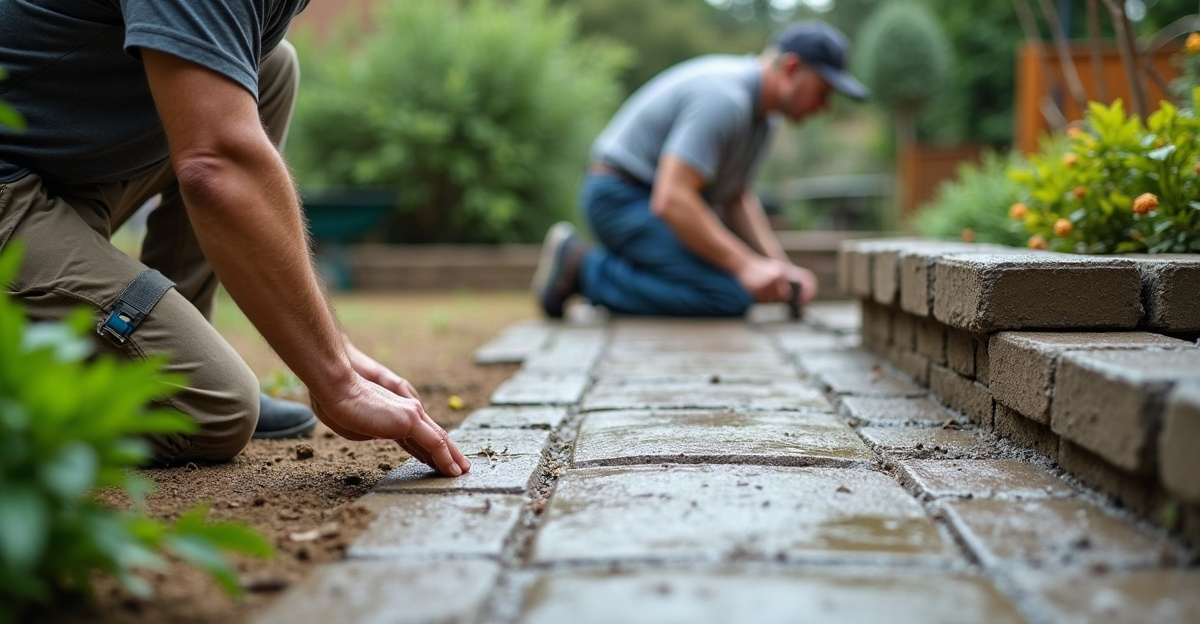
- Excavation to proper depth
- Removal of unsuitable soil
- Base material placement and mechanical compaction
- Edge restraints to prevent shifting
- Sand bedding layer
- Paver installation (concrete, brick, or natural stone)
- Cutting for borders, corners, and curves
- Polymeric sand in joints to resist weeds and erosion
- Sealing, if specified
Base preparation and compaction are usually the largest cost variables. If drainage isn’t handled correctly, water pooling can undermine the base and cause settlement. We never treat base prep as an afterthought.
Material warranties typically come from the manufacturer. Workmanship warranties come from the contractor. Make sure both are clearly defined in writing.
If we’re specifically calculating how much does paver patio installation cost, the biggest mistake is underestimating base depth. A decorative patio still needs a solid foundation.
The Biggest Factors That Change Your Price
Several variables can significantly swing your project cost.
Site grading matters. Sloped yards often require additional excavation or retaining edges. Drainage planning must meet local code. Poor water management leads to premature failure.
Soil condition drives base thickness. Expansive or unstable soils require deeper excavation and stronger compaction methods. Removing existing concrete or asphalt adds demolition and haul-off expenses.
Design complexity also affects pricing. Herringbone patterns, circles, and custom borders increase labor time. Heavy-load areas like driveways, fire lanes, and delivery zones must be engineered for weight, which changes base specifications.
Commercial projects introduce code compliance, ADA slope requirements, inspections, and engineering review. Tight urban properties increase labor due to limited access and staging.
Before requesting an estimate, review this checklist:
- Is grading or leveling required?
- Is there existing concrete to remove?
- Will the area support vehicles?
- Does water currently pool on site?
- Are permits required?
- Is access restricted for equipment?
- Are decorative patterns or borders planned?
This quick review helps prepare for a detailed and realistic proposal.
Residential vs. Commercial Paver Installation Costs
Residential projects typically range from $15–$30 per sq ft depending on scope, according to current construction cost data. These include patios, walkways, driveways, and outdoor living areas.
Homeowners focus on curb appeal, comfort, and longevity. A well-built patio creates usable space for years with minimal upkeep. When integrated into a broader plan with residential construction services, pavers enhance the entire outdoor environment.
Commercial projects usually fall between $18–$40+ per sq ft. Pricing increases based on engineering demands, load requirements, drainage design, scale, and inspections.
These projects include plazas, courtyards, retail centers, multi-family developments, and institutional campuses. Coordination often involves property managers, facilities directors, architects, and municipal inspectors. ADA compliance and structural considerations are mandatory, especially where vehicle traffic is expected.
For developers and property managers planning larger builds, integrating pavers into broader commercial construction projects allows for better cost control and timeline management.
Long-Term Value and Lifecycle Cost
Initial price is important. Lifecycle cost matters more.
Unlike poured concrete, individual pavers can be removed and replaced without replacing the entire surface. Utilities can be accessed below grade and reset cleanly. That flexibility reduces future repair costs.
Properly installed pavers are less prone to large slab cracking. Minor shifting can often be corrected by re-leveling isolated sections. Maintenance typically includes joint sand refresh and sealing cycles if specified.
Commercial owners gain additional ROI through curb appeal and safer walking surfaces. Reducing trip hazards lowers liability exposure. Maintained surfaces support tenant retention and foot traffic aesthetics.
When clients ask, “How much does paver installation cost?” we encourage them to compare total ownership over 20–30 years. A lower upfront price with poor base prep often turns into higher long-term repair costs.
We’ve documented project examples across residential and commercial properties in our completed projects portfolio so clients can see performance over time.
Questions to Ask Before Hiring a Paver Contractor
Choosing the right contractor protects your budget and property. Before signing an agreement, get clear answers.
Ask how deep excavation will go and how the base will be compacted. Confirm how drainage will prevent pooling. For commercial properties, ensure ADA slopes and code requirements are addressed.
Clarify load rating. A driveway base should differ from a patio base because the pavement must be designed for vehicle loading. Review exactly what the quote includes—demolition, hauling, sealing, permits. Confirm material and workmanship warranties.
Determine who manages the project day to day and who serves as the point of contact. Direct communication prevents surprises.
If you’re comparing bids and asking how much does paver installation cost for your specific property, the most reliable step is a detailed site visit. We provide transparent breakdowns, clear scopes of work, and realistic timelines through our professional paving services team.
To schedule a site evaluation or request a detailed estimate, connect with a RayPro project manager through our contact page. We’ll walk the property, review drainage and soil conditions, and deliver a clear, honest cost assessment tailored to your project.
Frequently Asked Questions
What is the average cost of paver installation per square foot?
Most professional paver installation projects cost between $15 and $35 per square foot. The final price depends on factors such as site grading, excavation, base preparation, drainage requirements, material selection, and design complexity. Larger or more intricate projects may cost more because they require additional labor and engineering.
Why does paver installation cost more on some properties?
Site conditions have a major impact on installation costs. Sloped terrain, poor soil, existing concrete removal, limited equipment access, and drainage challenges all increase labor and preparation time. A thorough site evaluation helps identify these factors and provides a more accurate estimate before construction begins.
Is a paver patio cheaper than a paver driveway?
In most cases, yes. Paver patios typically cost less because they are designed for foot traffic and require a shallower base than driveways. Driveways must support vehicle loads, which often means deeper excavation, additional aggregate base, and stronger compaction to ensure long-term durability.
How long do professionally installed pavers last?
Professionally installed pavers can last 25 to 30 years or longer when built on a properly prepared base and maintained over time. Routine maintenance, such as refreshing joint sand, cleaning the surface, and resealing when recommended, helps preserve appearance and structural performance while reducing future repair costs.
What should be included in a professional paver installation estimate?
A detailed estimate should outline excavation, base preparation, compaction, drainage work, edge restraints, bedding sand, paver installation, cutting, joint sand, cleanup, and any optional sealing. It should also specify whether demolition, hauling, permits, warranties, and project management are included so you can accurately compare quotes from different contractors.