How much do paving slabs cost?
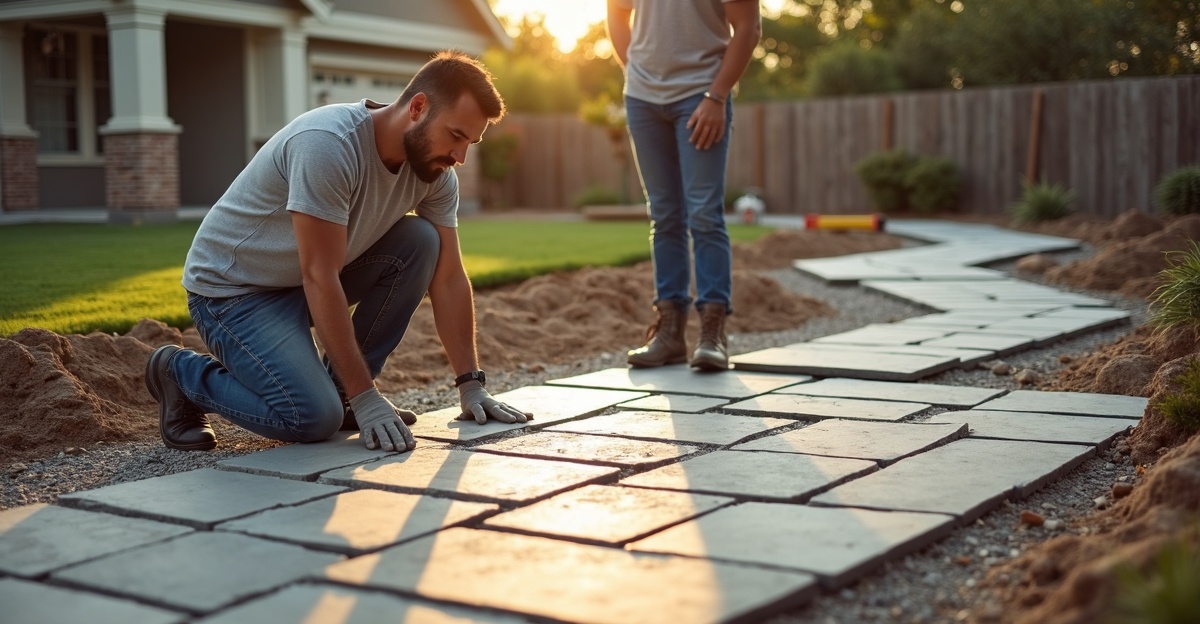
If we’re evaluating how much paving slabs cost, material prices typically range from $3–$15 per square foot. Fully installed projects usually fall between $12–$35+ per square foot, depending on material, thickness, and site conditions. We often install concrete for budget-friendly patios and walkways. We recommend granite for clients who want higher durability and long-term performance in high-traffic residential and commercial areas.
Key Takeaways
- We see material-only paving slabs cost about $3–$15 per sq ft, while installed costs typically range from $12–$35+ per sq ft.
- We price concrete slabs at an average of $3–$8 per sq ft, while granite slabs range from $8–$15+ per sq ft because quarrying and durability increase costs.
- We find installation often doubles or triples material costs since excavation, base preparation, drainage, and labor drive the final price.
- We factor in thickness, load requirements, site access, drainage conditions, and regional labor rates because each one directly impacts total investment.
- We advise comparing projects based on full scope details, since ignoring base preparation, freight, and installation specifics often leads to major budgeting mistakes.
What You Can Expect to Pay for Paving Slabs
Material costs for paving slabs typically range from $3–$15 per square foot, giving you a useful starting point when comparing the cost of paving stones per square foot. If you’re calculating how much to lay paving slabs, installed costs usually fall between $12–$35+ per square foot, depending on site conditions and slab type.
Many clients ask us about paving slabs prices and how much paving slabs cost in straightforward terms. The answer depends on material, thickness, finish, and project location.
For material-only pricing:
- Standard concrete slabs: $3–$8 per sq ft
- Granite slabs: $8–$15+ per sq ft
For installed pricing:
- Expect $12–$35+ per sq ft including excavation, base prep, labor, and cleanup.
If we break it down by individual slab size, here’s what typical 24”x24” slabs cost:
- Concrete slab: $15–$60 each
- Granite slab: $50–$150+ each
When clients ask how much are paving slabs each, we explain that retail pricing at a big-box store differs from contractor pricing. As contractors, we purchase in bulk, coordinate freight, and account for pallet charges and delivery logistics. Bulk purchases can lower per-unit cost, but freight and handling still affect the final number.
Pricing also varies across the 17 states we serve. Labor rates, freight distances, climate demands, and local material availability all influence what you’ll actually pay. A slab that’s affordable in one region may cost more in another due to transportation and supply chain factors.
How Much Are Concrete vs. Granite Paving Slabs?
Material choice drives much of the cost difference. Concrete and granite serve different purposes, budgets, and performance expectations.
How Much Are Concrete Paving Slabs?
Concrete paving slabs typically cost $3–$8 per square foot for materials alone. If you’re pricing per piece, the size and thickness matter. A thicker slab designed for driveways will cost more than a thinner patio slab.
So how much are concrete paving slabs in practical terms? It depends on:
- Size and thickness
- Surface finish
- Reinforcement
- Color additives
- Brand and manufacturing standards
Concrete works well for patios, walkways, and standard driveways when properly specified. With a solid base and routine maintenance, it can last 20–30+ years. We usually recommend sealing concrete to reduce staining and water absorption, following best practices for concrete surface protection. It’s a cost-effective option upfront, with moderate maintenance over time.
How Much Are Granite Paving Slabs?
Granite paving slabs typically range from $8–$15+ per square foot for materials. A 24”x24” granite slab can cost $50–$150+ each, depending on origin and finish.
Clients often ask how much are granite paving slabs and whether the higher price is worth it. Granite costs more due to quarrying, transportation, density, and performance characteristics. It’s significantly denser and more durable than standard concrete.
Finishes also affect price. Common options include:
- Flamed for slip resistance
- Honed for a smoother appearance
- Textured finishes for traction in wet areas
Granite offers long-term value. It has a lower replacement frequency and delivers a premium look, making it ideal for high-end residential projects and commercial properties that need durability and strong visual impact.
We never frame this as “best versus worst.” Concrete fits tighter budgets and standard residential use. Granite makes sense for heavy traffic, upscale design, or long-term lifecycle value.
Material Cost vs. Total Installed Cost: What Changes the Final Number
Material cost is only one part of the equation. Installation often doubles or triples the material price because most of the work happens below the surface.
Here’s what goes into total installed cost:
- Material-only cost
- Excavation and site preparation
- Base material and compaction
- Drainage correction and slope adjustment
- Labor
- Equipment
- Delivery and access constraints
- Permits, if required
- Sealing and final cleanup
A 200 sq ft patio may cost $2,400–$7,000+ installed. The same slabs can land at very different price points depending on how much prep the site needs.
On the commercial side, a 5,000 sq ft walkway might range from $60,000–$175,000+ installed. Thickness requirements, load-bearing design, equipment access, and operational logistics all influence price.
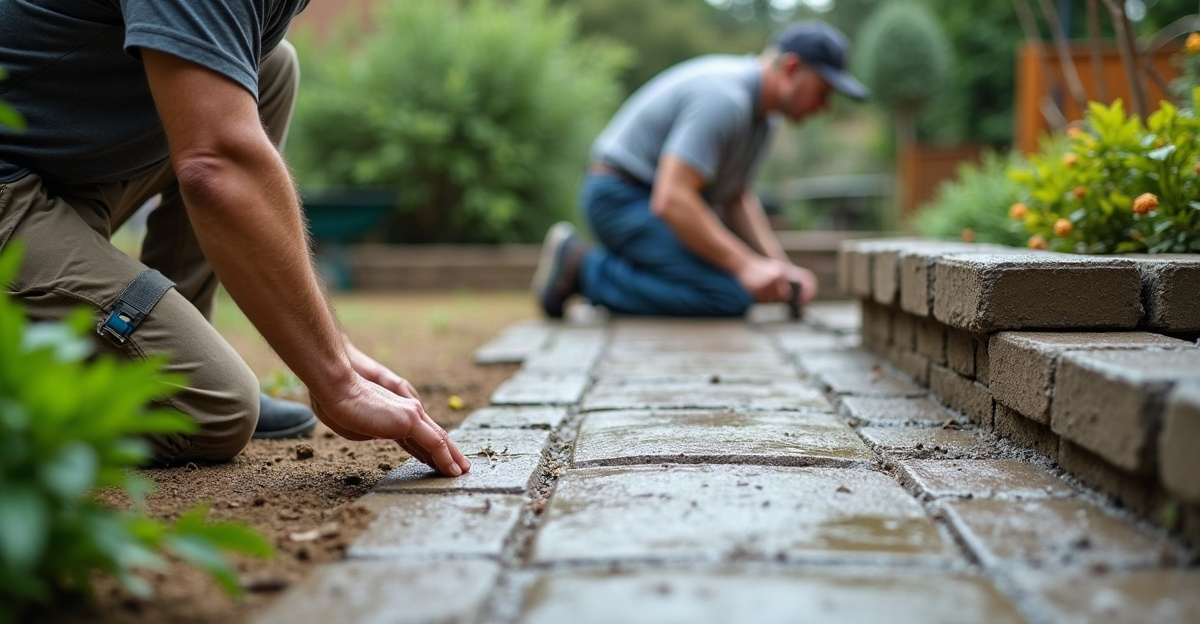
Base preparation is the most overlooked factor, and pavement drainage and base construction guidelines consistently emphasize proper excavation, compaction, and drainage for long-term performance. Skipping proper excavation or compaction to save money usually leads to shifting, cracking, or water problems. That’s why we insist on site evaluations before final pricing. Accurate bids prevent surprises and protect your investment.
If you’re budgeting paving as part of a larger build, our paving services integrate directly with full-site planning. For multi-scope projects, we coordinate through our general contracting team so grading, drainage, and structural elements work together.
What Factors Drive Paving Slab Pricing Up or Down?
Several variables move pricing in either direction.
- Size and thickness: Thicker slabs are required for driveways and commercial areas that handle vehicle or equipment loads.
- Load requirements: Pedestrian-rated installations cost less than vehicle-rated systems, while heavy-equipment areas cost more.
- Base preparation and grading: Soft soil, poor drainage, or uneven terrain require additional excavation and stabilization.
- Drainage design: Critical in freeze-thaw climates or heavy rainfall regions.
- Finish selection: Flamed, honed, textured, or specialty finishes increase material cost.
- Access limitations: Tight backyards slow installation and increase labor expenses.
- Project scale: Large commercial orders may qualify for bulk pricing.
- Regional labor and freight rates: Local market conditions directly influence final pricing.
Choosing the wrong thickness or cutting corners on the base might save money today. Long term, it increases repair and replacement costs. We always recommend building for the actual load requirements the space will carry.
Residential vs. Commercial Budget Planning
Budget planning looks different depending on whether the project is residential or commercial.
For homeowners, priorities usually include:
- Curb appeal and overall appearance
- Resale value
- Comfort and safety
- Maintenance expectations
- Installation longevity
A well-installed patio or walkway improves everyday living and adds measurable property value. We guide homeowners through clear options so the final choice balances appearance, performance, and budget.
For commercial clients, budgeting requires structure. Priorities typically include:
- Lifecycle cost and ROI
- Priorities typically include ADA accessibility requirements, slip resistance, lifecycle cost, and load-bearing performance
- Slip resistance
- Load-bearing requirements
- Minimal operational disruption
- Consistency across multi-site portfolios
Our commercial construction team works closely with property managers and developers to plan for decades of performance, not just initial install cost.
On the residential side, our residential construction services focus on comfort, durability, and transparent communication. We keep the process simple so there are no surprises.
Common Pricing Mistakes to Avoid Before You Request a Quote
Before requesting pricing, avoid these common mistakes:
- Comparing per-slab price without verifying thickness
- Overlooking delivery fees, pallet charges, and freight
- Underestimating site prep and base requirements
- Ignoring drainage and slope correction
- Choosing based only on upfront cost instead of lifespan
- Confusing material-only pricing with fully installed cost
When clients ask how much are paving slabs, we always separate material pricing from full installation cost. A slab priced at $6 per square foot can easily become a $20+ per square foot project once proper preparation and labor are included.
The most accurate way to price paving is through a property-specific evaluation. Soil condition, grading, access, load requirements, and finish selection all influence the final number.
We take a transparent, no-surprises approach focused on long-term value. If you’re planning a paving project and want clear, structured pricing, we’re ready to walk the site and provide a detailed estimate through our contact page.
Frequently Asked Questions
How much are paving slabs for a typical patio?
Paving slabs typically cost $3–$15 per square foot for materials, while fully installed patios usually range from $12–$35+ per square foot. The final price depends on the slab material, thickness, site preparation, labor, and drainage requirements. Larger or more complex projects may increase the overall installation cost.
Why do granite paving slabs cost more than concrete slabs?
Granite paving slabs cost more because they require quarrying, processing, and transportation, and they offer greater durability than concrete. They also resist wear and weathering better, making them a popular choice for high-traffic residential and commercial spaces. Concrete remains a more affordable option for standard patios and walkways.
What factors have the biggest impact on paving slab installation costs?
The largest cost factors include excavation, base preparation, drainage work, labor, equipment, and site accessibility. Material selection is only one part of the total investment. Projects with poor soil conditions, steep grades, or limited access often require additional work that increases the final installed price.
Should I compare paving slab prices by the slab or by square foot?
Comparing prices by square foot—or checking the price of slabs per square metre when using metric measurements—is usually more accurate because slab sizes and thicknesses vary between manufacturers. Looking only at the price of an individual slab can be misleading if installation requirements differ. Always compare material quality, thickness, delivery costs, and installation details before making a decision.
How can I reduce the cost of a paving slab project without sacrificing quality?
The best way to control costs is to choose the right material for your needs and invest in proper site preparation. Avoid skipping excavation or base compaction, as these shortcuts often lead to costly repairs later. Request a detailed quote that separates material, labor, and preparation costs so you can compare estimates fairly.