How long does a flat roof last?
When we answer how long does a flat roof last, we give a clear and practical range of 15–30+ years. Material plays a role. Installation quality, climate, drainage, and maintenance matter just as much. Built-up roofing, modified bitumen, EPDM, TPO, and PVC each perform differently. Rooftop traffic, standing water, and seam workmanship often decide whether a roof reaches the top or bottom of that range.
Key Takeaways
- Most flat roofs last between 15–30+ years. EPDM, PVC, and BUR often reach 20–30 years with proper installation and ongoing care.
- Industry installation standards show that installation quality, drainage layout, seam detailing, and regular inspections influence lifespan more than material selection alone.
- Residential flat roofs often see less wear than commercial systems because they have fewer penetrations and limited rooftop traffic.
- Standing water, poor workmanship, trapped moisture, and skipped maintenance can reduce a 25-year roof to 15–18 years.
- Annual inspections, documented maintenance, and proactive lifecycle planning extend service life and help us avoid expensive emergencies.
What You Can Expect: Average Flat Roof Lifespan by Material
According to industry guidance on low-slope roofing systems, most flat roofs last 15–30+ years depending on material, installation quality, climate, and maintenance. That’s the honest industry range we see in the field every year.
If we’re asking how long does a flat roof last, the better question is how long should a flat roof last under real-world conditions. Two roofs installed the same year can age very differently, which is why flat roof life expectancy depends on more than age or material alone. Drainage design, rooftop traffic, HVAC placement, and maintenance habits all play a bigger role than most owners realize.
Here’s what we typically expect by material:
Built-Up Roofing (BUR)
A traditional multilayer asphalt and felt system. When properly installed, BUR systems typically last 20–30 years. Their layered design adds durability, but they’re heavier and depend heavily on good drainage. For a deeper breakdown, review built-up roof systems for details.
Modified Bitumen
An asphalt-based system enhanced with polymers for better flexibility. Most modified bitumen roofs last 15–25 years. Performance depends on proper seam welding and flashing detail. For a side-by-side material comparison, see built-up vs modified bitumen.
EPDM (Rubber Roofing)
A synthetic rubber membrane known for flexibility and long-term durability. EPDM roofs typically last 20–30 years and can exceed 30 with consistent care.
TPO
A heat-welded single-ply system with a reflective white surface. TPO typically performs for 15–25 years. Seam quality and UV exposure significantly impact lifespan.
PVC
A premium single-ply membrane resistant to ponding water and chemicals. PVC systems usually last 20–30 years when installed correctly.
Most manufacturer warranties range from 10 to 30 years. That doesn’t mean the roof will perform perfectly for that entire period. Warranties include conditions, exclusions, and maintenance requirements. Workmanship and consistent upkeep ultimately determine real lifespan.
How Long Does a Flat Roof Last on a House vs. a Commercial Building?
How long does a flat roof last on a house? In most cases, residential flat roofs fall within the standard 15–30+ year material range when properly installed and maintained.
Homes usually have smaller roof areas and fewer rooftop units. That often means fewer penetrations and less foot traffic. With annual inspections and prompt repairs, residential systems can reach the upper end of their lifespan.
Commercial flat roofs are a different story.
Large buildings have more seams, vents, skylights, and heavy HVAC equipment. Technicians walk these roofs regularly. That traffic creates wear at walk pads, flashings, and seams. At this scale, drainage design becomes critical.
For commercial owners, the priorities are clear:
- Lifecycle budgeting and capital planning
- Warranty documentation and compliance
- Minimizing business disruption during repairs or replacement
When managing a large facility, long-term forecasting typically begins around year 20–25, depending on system condition. A planned replacement is always less disruptive than an emergency failure.
Homeowners usually focus on:
- Protecting property value
- Preventing interior leaks
- Avoiding surprise expenses
- Maintaining family comfort and safety
Flat roof longevity isn’t just about material type. System complexity, slope-to-drain layout, and the number of penetrations make a measurable difference. Whether it’s a retail center or a home addition, correct design and professional flat roofing services set the foundation for long-term performance.
How Long Does a Flat Rubber Roof Last? (EPDM Explained)
Many owners specifically ask, how long does a flat rubber roof last? In most cases, EPDM rubber roofing systems last 20–30 years. Under ideal conditions with consistent inspections, 30+ years is possible.
EPDM (Ethylene Propylene Diene Monomer) is engineered for flexibility and UV resistance. It handles temperature swings extremely well, reducing cracking during freeze-thaw cycles.
Strengths of EPDM include:
- Strong UV resistance
- Flexibility in extreme heat and cold
- Straightforward repairs when punctured
- Proven long-term performance record
Still, EPDM isn’t immune to problems.
Over time, membranes can shrink slightly. If seams weren’t installed correctly, that shrinkage can stress edges and vertical flashings. Punctures from dropped tools or heavy service traffic are also common. Seam adhesive failures occur when installation quality is poor.
Black EPDM absorbs more heat, which can help in colder climates but may increase cooling demand in hot regions. White EPDM reflects more sunlight and can improve energy efficiency during peak summer months.
Professional installation is critical. With any single-ply system, seam details determine lifespan. Learn more about proper single membrane roof installation practices to understand why workmanship matters so much.
Without routine inspections, even a system rated for 30 years may fall short. With consistent checkups, rubber roofing often reaches its expected service life.
What Shortens the Life of a Flat Roof
Many people ask, how long does a flat roof usually last? The reality is lifespan shrinks quickly when key issues go unchecked.
Poor installation is the number one problem we see. Improper seam welding, weak flashing details, and poor membrane adhesion create vulnerabilities from day one.
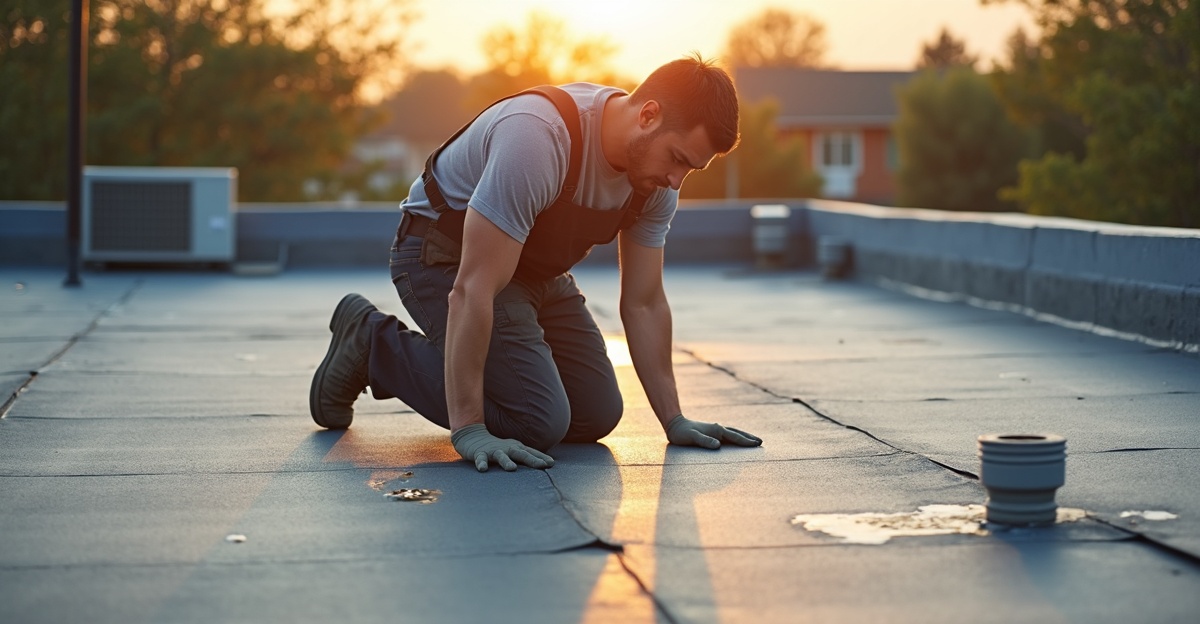
Ponding water accelerates membrane breakdown. Technical guidance on ponding water explains that standing water remaining longer than 48 hours increases the risk of seam separation and surface deterioration.
Trapped moisture beneath the membrane damages insulation and weakens attachment points. Once insulation becomes saturated, performance drops and replacement often becomes inevitable.
Heavy rooftop equipment and frequent service traffic add stress. Technicians dragging tools across seams can create small punctures that expand over time.
Weather also plays a major role. UV exposure, freeze-thaw cycles, hail, and high winds all affect lifespan. Climate differences matter more than many realize. Review how weather affects your roof’s lifespan to see how regional conditions factor in.
Clogged drains and scuppers force water to collect where it shouldn’t. Minor seam separations that could’ve been fixed with simple roof repair work turn into major leaks when ignored.
Neglect can reduce a 25-year system down to 15–18 years. Small issues compound quickly on flat surfaces.
To understand common failure points, review these flat roof problems we regularly address.
Warning Signs: Repair or Full Replacement?
Not every aging roof needs replacement. Some systems only require targeted repair.
A flat roof may only need repair if:
- Leaks are isolated
- Damage is limited to small membrane sections
- The roof is under 15–20 years old
- Most seams remain intact
In these cases, strategic roof repair extends service life without major reinvestment.
Replacement becomes more cost-effective when we see widespread blistering, membrane shrinkage, recurring leaks, or saturated insulation. If the system is nearing or exceeding its 20–30 year range, continued patchwork repairs often cost more long term.
For commercial properties, cumulative repair costs must be weighed against business interruption and warranty reset benefits. A new system under commercial roofing services provides predictable budgeting and renewed coverage.
For homeowners, full replacement under roof replacement services protects resale value and prevents sudden interior damage.
If a roof is within five years of its expected lifespan, scheduling a professional inspection is a smart move. A condition assessment provides clarity instead of relying on age alone.
How to Extend Your Flat Roof’s Lifespan and Plan Ahead
Annual professional inspections are the simplest way to extend roof life. Schedule one at least once per year and after major storms.
Routine maintenance includes clearing drains, checking seams, inspecting flashing, and limiting unnecessary roof access. These small habits preserve major investments.
Documentation matters. Keeping records of inspections and repairs protects warranty compliance and supports insurance claims if needed.
Preventative maintenance programs can add years to service life and lower cost per square foot. In some cases, applying a protective roof coating restores performance and delays replacement.
Commercial owners should begin lifecycle planning around year 20–25, depending on system condition. Budget forecasting prevents emergency capital expenditures.
Homeowners also benefit from proactive care. Protecting the roof protects everything underneath it.
So, how long does a flat roof last? The honest answer is 15–30+ years, depending on material, craftsmanship, weather exposure, and ongoing maintenance.
The only way to determine actual remaining life is a professional evaluation. If your flat roof is aging or showing signs of wear, schedule an assessment through our contact page. We’ll inspect it, clearly explain its condition, and help you plan the right next step with confidence.
Frequently Asked Questions
How often should a flat roof be inspected?
A flat roof should be professionally inspected at least once a year and after severe storms. Regular inspections help identify small issues such as loose seams, clogged drains, or damaged flashing before they develop into costly leaks. Keeping up with routine maintenance can significantly extend the roof’s overall lifespan.
Can a flat roof last more than 30 years?
Yes, some flat roofs can exceed 30 years when they are built with durable materials like EPDM, PVC, or built-up roofing and receive consistent maintenance. Proper installation, effective drainage, and timely repairs all contribute to maximizing the roof’s service life beyond the average lifespan.
Does standing water reduce the lifespan of a flat roof?
Yes, standing water is one of the most common causes of premature flat roof failure. Water that remains on the surface for more than 48 hours can weaken seams, accelerate membrane deterioration, and increase the risk of leaks. Improving drainage helps protect the roofing system and extend its lifespan.
Should I repair or replace an aging flat roof?
The right choice depends on the roof’s condition, age, and extent of damage. Localized leaks on a newer roof can often be repaired effectively, while widespread deterioration, saturated insulation, or repeated leaks may make replacement the more cost-effective long-term solution. A professional inspection provides the clearest recommendation.
What is the best way to make a flat roof last longer?
The best way to extend a flat roof’s lifespan is through regular maintenance and prompt repairs. Keeping drains clear, limiting unnecessary foot traffic, inspecting seams and flashing, and addressing minor damage early can prevent larger problems. A proactive maintenance plan helps protect your investment and reduces the likelihood of unexpected roof failures.