Should i stay home during roof replacement?
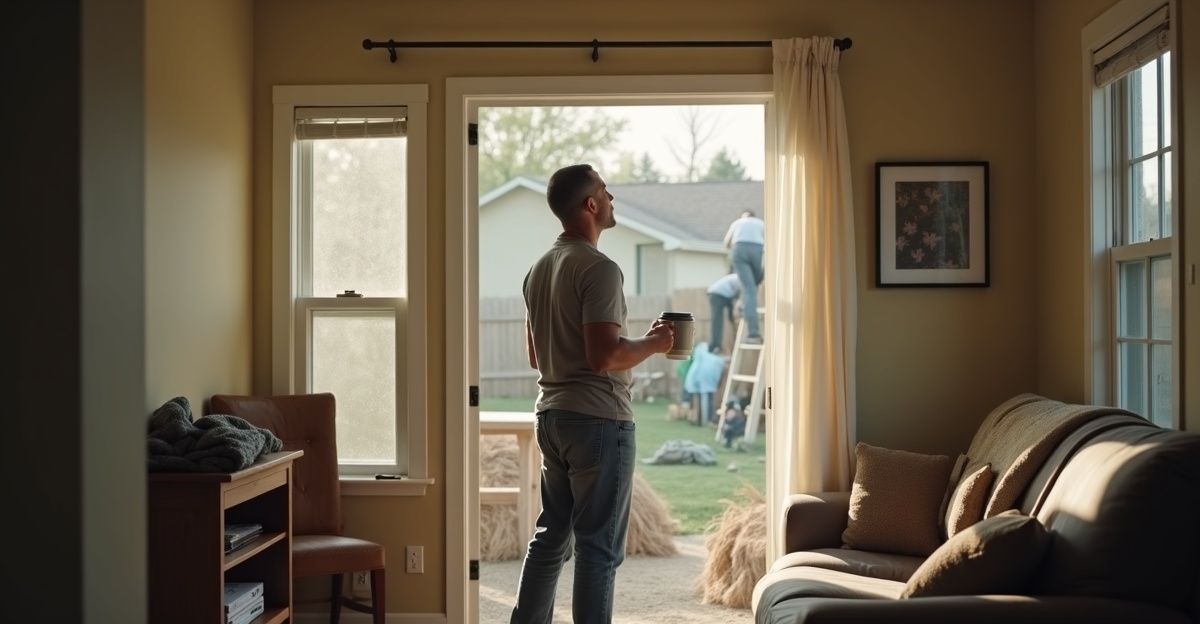
If we’re asking, should we stay home during roof replacement, the honest answer depends on our noise tolerance, safety needs, and how we manage the project as a contractor. If you’re wondering, can you live in a house while the roof is being replaced, most homeowners can remain inside during a typical 1–3 day replacement. However, loud tear-off work, falling debris, pets, children, remote work, and property type all influence whether staying feels practical or leaving makes more sense.
We complete most residential roof replacements without requiring homeowners to leave. That said, we always set clear expectations before work begins. Tear-off days create intense noise. Crews start early. Materials arrive in the morning. Dump trailers move in and out. The structure vibrates as old shingles come off.
Sound travels through framing and drywall. Hammering and nail guns create constant impact noise. We see many clients underestimate this part. If we work from home or take frequent calls, productivity will likely drop.
Safety inside the home usually stays manageable. We cordon off exterior work zones. We instruct homeowners to avoid driveways, patios, and yard areas near the structure. Falling shingles and nails pose real hazards outside. Inside, risk remains low if we follow proper jobsite controls.
Pets often react strongly to the sound. Dogs bark or panic. Cats hide. We recommend arranging daycare or temporary relocation for noise-sensitive animals. Families with infants or elderly occupants may also prefer spending the day elsewhere.
Property type matters. Single-family homes allow more flexibility. Multi-family or commercial buildings require coordinated planning. We use phased scheduling, safety barriers, and consistent communication to keep occupants safe and informed. Businesses can remain open in many cases, but management must prepare staff for disruption.
If we decide to stay home, preparation makes a major difference. We suggest removing wall décor and securing fragile items. Vibrations can shift pictures or mirrors. We also recommend covering valuables in the attic to protect them from dust. Clearing vehicles and outdoor furniture from the perimeter allows our crew to work safely and efficiently.
Strong communication drives everything. We set a clear timeline. We explain noisy phases. We outline safety zones. That clarity reduces stress and helps everyone plan realistically.
Key Takeaways
- Roof replacement creates heavy noise and constant activity, including hammering, debris removal, vibration, and early material deliveries.
- Staying home remains generally safe indoors, but we avoid outdoor areas due to falling debris and active work zones.
- Leaving often makes more sense if we work remotely, care for infants or elderly occupants, or have noise-sensitive pets.
- Commercial and multi-family properties can stay occupied with phased scheduling, firm safety controls, and direct communication.
- Proper preparation—securing pets, clearing exterior areas, protecting fragile items, and planning ahead—reduces stress if we remain onsite.
The Short Answer: It Depends on Your Tolerance, Safety Needs, and Property Type
The honest answer to “should I stay home during roof replacement?” is this: it depends. Your comfort level, your schedule, and how well your contractor manages safety and communication will determine the right decision.
There’s no one-size-fits-all answer. For most residential homes, you can physically stay home during the project. Whether you’ll enjoy it is another story.
If you’re asking, “should I stay home during a roof replacement,” consider what your day looks like. Remote work calls. Naps for young children. Pets that react to every unfamiliar sound. These comfort issues matter.
For commercial and multi-family buildings, occupancy during roof work is common. Retail stores stay open. Offices continue operating. Apartment residents remain inside. But those projects require structured planning, phased scheduling, and clear compliance controls to keep everyone safe.
When homeowners ask, “should I stay home during roof replacement?” we walk through a few practical decision points:
- Noise sensitivity
- Infants, elderly occupants, or medical recovery needs
- Anxious pets
- Business operations or client-facing activity
- Project size and duration
Every property and household is different. The right call depends on how those factors line up.
What Actually Happens During a Roof Replacement (And Why It’s So Loud)
A roof replacement is an active construction project. Once we explain the sequence, most property owners understand why the noise level surprises them.
First comes tear-off. Crews remove old shingles or roofing membrane. That means pry bars, shovels, and materials sliding down into dumpsters. It’s physical and noisy.
Next, we inspect the decking. If plywood is soft or damaged, we replace it. That adds cutting and fastening sounds.
Then we install roof underlayment, which acts as a waterproof barrier before the finished roofing material is installed. After that comes the visible roofing system—shingles, tile, metal panels, or a commercial flat system. Finally, we complete flashing, ridge vents, pipe penetrations, and detailed sealing before cleanup.
Here’s what that typically sounds like:
- Constant hammering and nail guns
- Air compressors cycling on and off
- Crew movement directly overhead
- Dumpsters being delivered and loaded
- Early morning material deliveries
Vibration is another factor. Wall décor and frames can shift or even fall. Light dust may drop from attic spaces. These effects are normal during tear-off and fastening.
For a typical residential roof, expect 1–3 days of active work, weather permitting. Larger homes or more complex systems can take longer. Commercial projects often run in phases over several days or weeks to maintain operations.
So, should I stay home during roof replacement? Yes, it’s possible. But working, resting, or attending virtual meetings will be challenging during peak activity.
If you want more clarity on the scope involved, review what is included in roof replacement services so there are no surprises.
Safety Risks You Shouldn’t Ignore
The primary safety concern during roof replacement is falling debris.
Old shingles, nails, wood fragments, and flashing pieces come off quickly during tear-off. Materials can slide off roof edges before they’re fully controlled. That’s why we establish restricted safety zones around the property perimeter.
Children and pets should never roam freely outside while active work is underway. Even a small nail or wood fragment can cause injury.
A responsible contractor reduces these risks through clear site controls:
- Licensed and insured crews
- OSHA compliance for roofing work helps establish safe work practices on commercial projects
- Barricades and caution tape
- Daily cleanup includes magnetic nail sweeps to help remove stray roofing nails before crews leave the site
- Daily cleanup practices
- A dedicated on-site supervisor or project manager
For commercial properties, the safety conversation expands. Entrances must remain clearly marked. Emergency exits must stay accessible. ADA-compliant access can’t be disrupted. Liability exposure increases if pedestrian routes aren’t controlled.
Occupants are far safer inside the building than walking around the exterior during active tear-off. If you stay home, stay indoors while debris removal and installation are happening.
When Staying Home Is Manageable — And When Leaving Is Smarter
Staying home is manageable when:
- You’re comfortable with loud, persistent noise
- You don’t have critical work calls scheduled
- Pets are secured indoors or temporarily relocated
- Children understand to avoid work zones
- The project is straightforward and short
In those cases, many homeowners choose to remain onsite. They may step out for a few hours during peak tear-off but return later in the day.
Leaving is the smarter move when:
- You work remotely and need quiet focus
- You’re sensitive to sustained noise
- An infant, elderly family member, or recovering patient needs a calm environment
- Pets are prone to panic
- You operate a daycare, school, or healthcare setting
Commercial decision-makers should also consider phased scheduling, off-hours work, or temporary relocation of sensitive departments. Some projects can be completed in sections to minimize disruption to operations.
The balanced takeaway is simple. Should I stay home during roof replacement? It depends on your tolerance, your property type, and how your contractor handles communication and safety planning.
If you’re unsure whether a full replacement is necessary right now, exploring professional roof repair options can sometimes reduce immediate disruption.
How to Prepare If You Plan to Stay On-Site
If you decide to remain during the project, preparation makes a big difference. We recommend taking the following steps before work begins:
Under this heading is the only checklist in this guide for clarity:
- Remove wall décor, mirrors, and fragile items due to vibration.
- Cover or protect belongings stored in the attic.
- Secure or relocate pets.
- Inform neighbors in advance.
- Move vehicles out of the driveway and away from the home.
- Clear patio furniture, grills, and loose yard items.
For multi-family and commercial properties, preparation should include written communication to tenants or employees. Share start dates, expected work hours, and any temporary access adjustments. Identify restricted areas clearly and coordinate parking or delivery zones in advance.
Clear timelines signal professionalism. Defined points of contact prevent confusion. Daily updates build trust and reduce frustration.
When planning larger renovations, it also helps to review practical strategies for managing a remodeling project effectively so expectations stay aligned from day one.
Choosing a Roofing Team That Manages Occupied Projects Well
The difference between a chaotic project and a controlled one comes down to planning.
A well-managed roof replacement includes a clear pre-project meeting. It includes a written communication plan. It defines safety perimeters and restricted zones. Crews perform daily cleanups and magnet sweeps. Licensed and insured workers are present onsite. A project manager remains available to answer questions.
For commercial clients, strong contractors go further. They provide phased scheduling plans. They document OSHA compliance. They coordinate with facility managers and distribute tenant notices.
The goal isn’t to eliminate disruption. Roof work is loud and active. The goal is to manage it in a structured, predictable way.
If you’re weighing the decision and want guidance specific to your property, schedule a roof inspection through our contact page. We’ll walk the site, explain logistics clearly, and help you decide whether staying onsite makes sense for your home or building.
Frequently Asked Questions
Is it safe to stay home during a roof replacement?
Yes, most homeowners can safely stay inside during a roof replacement as long as they avoid outdoor work zones. Professional roofing crews establish safety perimeters to protect occupants from falling debris, while the main inconvenience indoors is noise and vibration rather than significant safety risks.
How loud is a roof replacement?
A roof replacement is typically very loud because crews use pry bars, nail guns, air compressors, and other construction equipment throughout the day. The tear-off phase is usually the noisiest, making it difficult to work remotely, attend virtual meetings, or enjoy a quiet environment.
Should I leave the house if I have pets or young children?
Leaving the house is often a good idea if you have noise-sensitive pets, infants, or family members who need a calm environment. The constant hammering and vibration can cause stress for animals and disrupt naps or recovery, even though remaining inside is generally safe.
How can I prepare my home before roof replacement starts?
Before the project begins, remove or secure wall décor, protect valuables stored in the attic, relocate vehicles, and move outdoor furniture away from the work area. If you have pets, arrange temporary care if needed, and let your neighbors know about the upcoming construction.
Can businesses or apartment buildings stay occupied during roof replacement?
Yes, commercial buildings and multi-family properties often remain occupied during roof replacement when the project is carefully planned. Contractors typically use phased scheduling, safety barriers, clear communication, and restricted work zones to minimize disruption while maintaining safe access for occupants.