What is included in roof replacement?
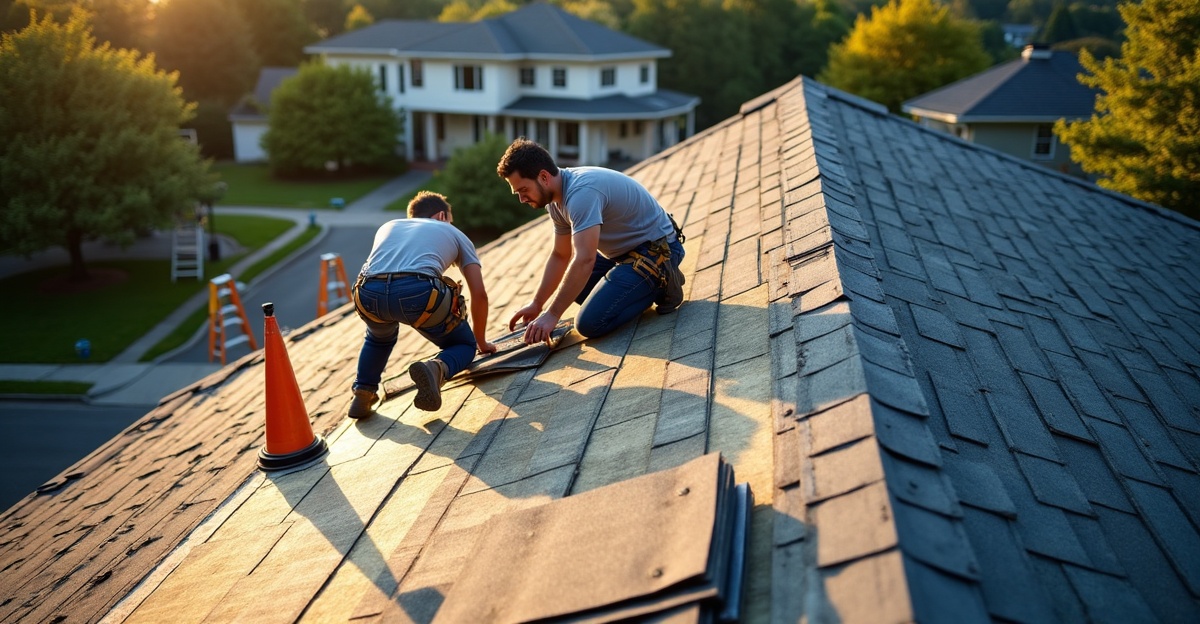
Understanding what is included in roof replacement starts with recognizing that we rebuild the entire system, not just swap shingles or roll a membrane over aging materials. We remove everything down to the decking, correct structural or code concerns, and install new underlayment, flashing, ventilation, insulation, and finished roofing materials that support long-term performance, following recognized roofing system installation standards.
Key Takeaways
- A full roof replacement includes tear-off to the deck, structural inspection, and complete system rebuild—not just surface materials.
- Core components include decking repairs, underlayment or membrane, flashing, edge metal, ventilation, insulation where required, and final roofing installation.
- Costs can change based on decking damage, structural repairs, code upgrades, insulation requirements, permits, and warranty options.
- Residential projects focus on family comfort and steep-slope protection, while commercial projects prioritize drainage design, compliance, and membrane performance.
- A clear proposal should outline scope of work, material specifications, warranties, timeline, payment terms, cleanup, and permit responsibility.
What a Full Roof Replacement Actually Covers (And What It Doesn’t)
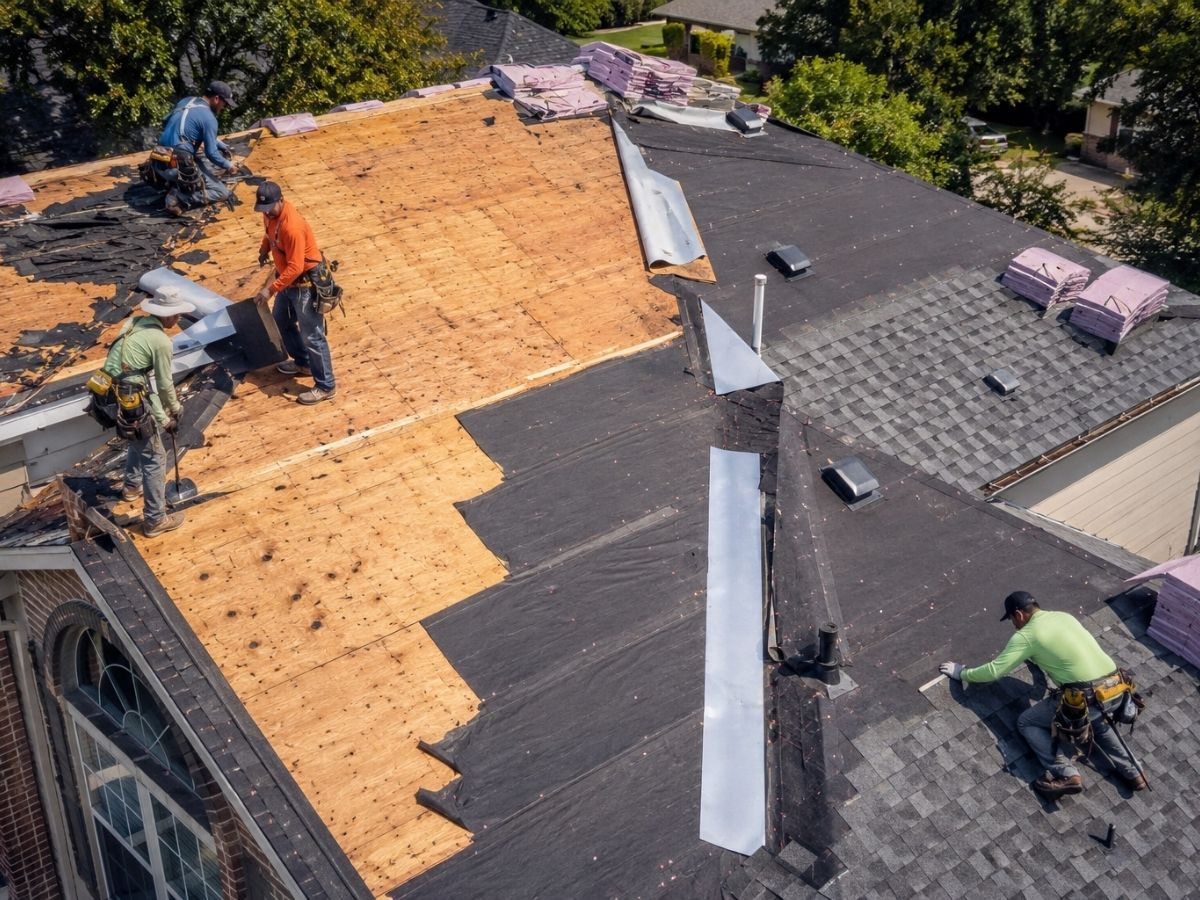
A full roof replacement means removing the existing roof down to the decking and rebuilding the entire roofing system correctly. It does not mean simply installing new shingles or laying a membrane over old materials.
When we explain what is included in roof replacement, we’re talking about a full-system approach. That system includes the decking, underlayment or waterproofing layer, flashing, ventilation, insulation where applicable, and the final surface material. Every piece matters. If one fails, the whole system is at risk.
It’s important to separate three terms that often get mixed up:
Roof repair focuses on isolated damage. We fix a leak, replace a section of shingles, or address flashing at a chimney. Repairs are cost-effective when the overall roof is still sound. If that’s what you need, our roof repair services are built for targeted solutions.
A re-roof or overlay installs new roofing material over the existing roof. This approach skips tear-off. It can reduce upfront cost, but it doesn’t address hidden decking issues or aging underlayment underneath.
A full replacement removes everything down to the deck. We inspect the structure, correct damage, and install an entirely new system that follows recognized roofing system installation standards. That’s the standard for long-term performance and warranty protection, especially with our professional roof replacement services.
The scope also changes depending on roof type. Steep-slope systems—like residential asphalt shingles and metal—require attention to underlayment, ventilation flow, and flashing details. Low-slope systems—like TPO, EPDM, and modified bitumen—focus more on insulation layers, drainage design, and membrane seams.
In short, what is included in a roof replacement depends on your structure, your region, and current building code requirements. The goal stays the same: build a complete, compliant roofing system that protects the property for decades.
The Core Scope of Work: Step-by-Step Breakdown
Let’s walk through what is involved in a roof replacement from start to finish.
Main Stages of a Full Roof Replacement
- Site preparation and property protection
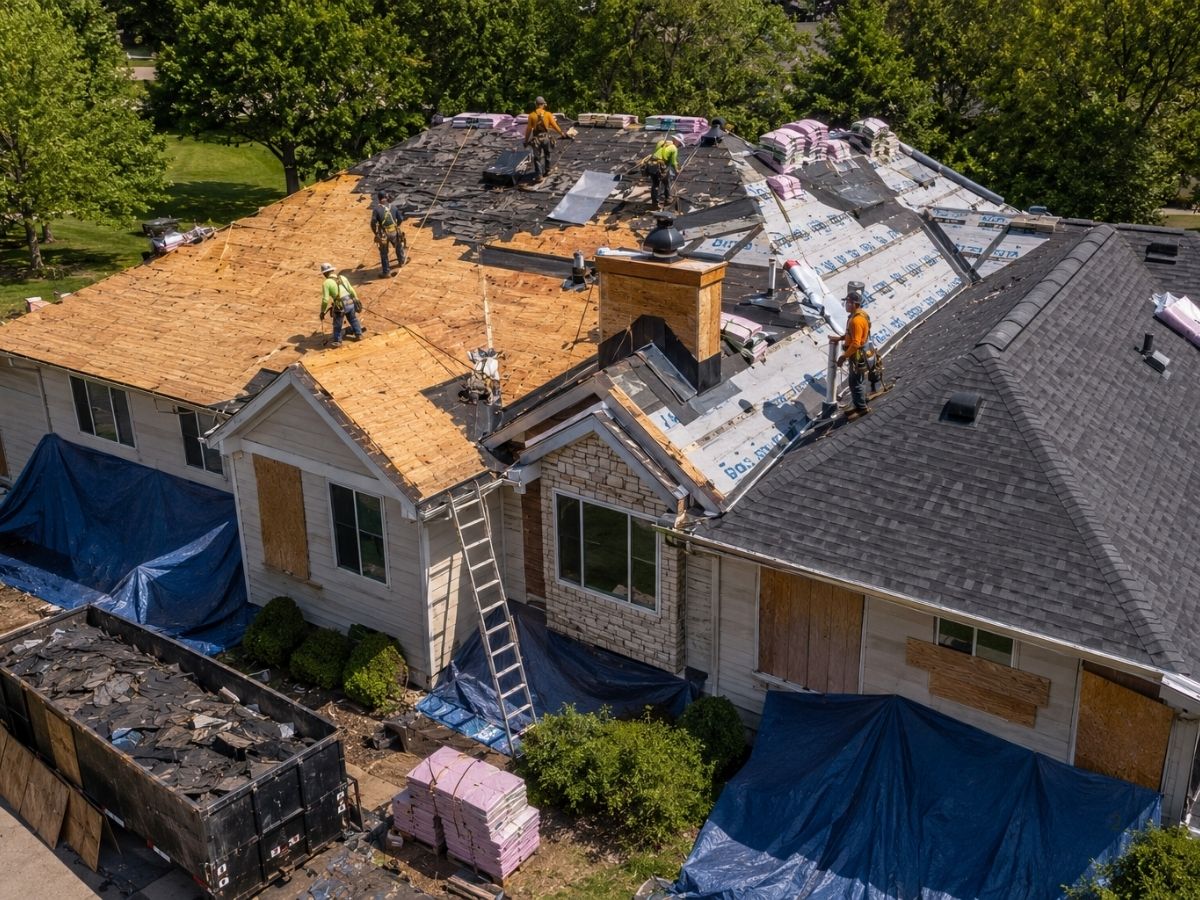
We protect landscaping with tarps, shield windows and siding with plywood where needed, and stage materials safely. For commercial properties, we coordinate around equipment, inventory, and access points. - Tear-off and disposal
We remove all existing roofing materials down to the deck. Disposal and haul-away fees should be clearly included in your estimate. - Decking inspection and replacement
Once the roof is open, we inspect plywood or concrete decking. Any rotted or damaged sections get replaced. Many contracts include a per-sheet contingency for this work since damage isn’t visible until tear-off. - Underlayment or waterproofing membrane
On residential systems, we install asphalt-saturated felt or synthetic underlayment. In colder climates, ice barrier requirements under residential building codes may require installation of ice and water shield. If you’re unsure about timing for this layer, review when to replace roof underlayment to understand why it matters.On commercial roofs, we install base layers such as TPO, EPDM, or modified bitumen assemblies.
- Flashing replacement
We replace flashing at chimneys, skylights, valleys, vent pipes, HVAC curbs, parapet walls, and other penetrations. Reusing old flashing without clear documentation is a red flag. - Drip edge and edge metal
We install new drip edge along eaves and rakes on residential roofs. On commercial buildings, we install updated edge metal systems to meet wind uplift standards. - Ventilation components
Residential systems require balanced intake and exhaust. That may include ridge vents, soffit vents, or other vent assemblies.Commercial systems rely on properly designed air management and ventilation tied to insulation and drainage design.
- Insulation installation
This is especially important on low-slope commercial buildings. We may install flat or tapered insulation to create slope and improve drainage and energy efficiency. - Installation of final roofing material
For homes, that could include architectural shingles, metal panels, or other steep-slope materials, each specified by brand and class rating.For commercial properties, we install single-ply membranes like TPO or EPDM, modified bitumen systems, or coating assemblies depending on design and performance goals.
- Sealants and waterproofing details
Every penetration gets properly sealed. These details prevent the small weaknesses that lead to major leaks. - Cleanup and final inspection
We perform a magnetic nail sweep on residential jobs, remove dumpsters, and complete a final walkthrough. Commercial projects include documented inspections and punch list resolution.
That’s what should be included in a roof replacement when done correctly. Anything less compromises long-term performance.
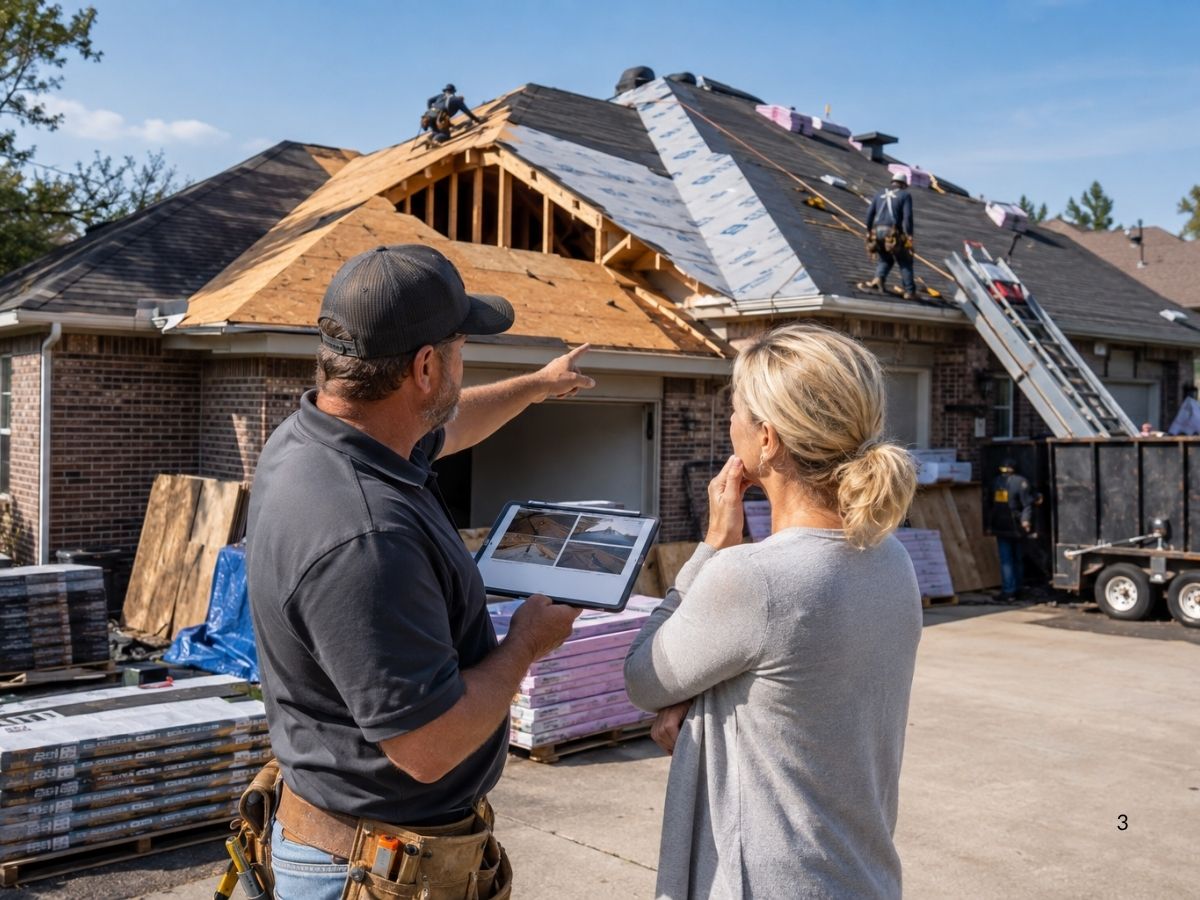
Key Cost Drivers and “Possible Extras” That Change Your Estimate
Two roof replacement estimates for similar properties can look very different. The fine print explains why.
Deck replacement is one of the most common variables. If we uncover extensive rot, the cost increases beyond the initial allowance.
Structural repairs can also change the total. Sagging framing or damaged trusses must be corrected before installing a new system.
Energy code upgrades affect pricing, especially on commercial buildings. Tapered insulation systems or higher R-value assemblies increase material and labor costs but improve long-term efficiency.
Code-required improvements may include upgraded ventilation or additional waterproofing layers. In Florida, permit compliance is critical. You can review roof replacement permits in Florida to understand what’s typically required.
Permit and inspection fees should always be clearly listed. If they’re missing, ask.
Equipment costs also matter. Larger commercial buildings often require cranes or lifts. That impacts labor hours and logistics.
Warranty choices change pricing as well. Extended manufacturer warranties and enhanced workmanship warranties offer stronger protection and higher resale value.
If you’re evaluating numbers, take time to understand how much a roof replacement costs and what drives that range. Low bids often skip components that should be standard.
Clear scope prevents surprise charges. Vague estimates create friction later.
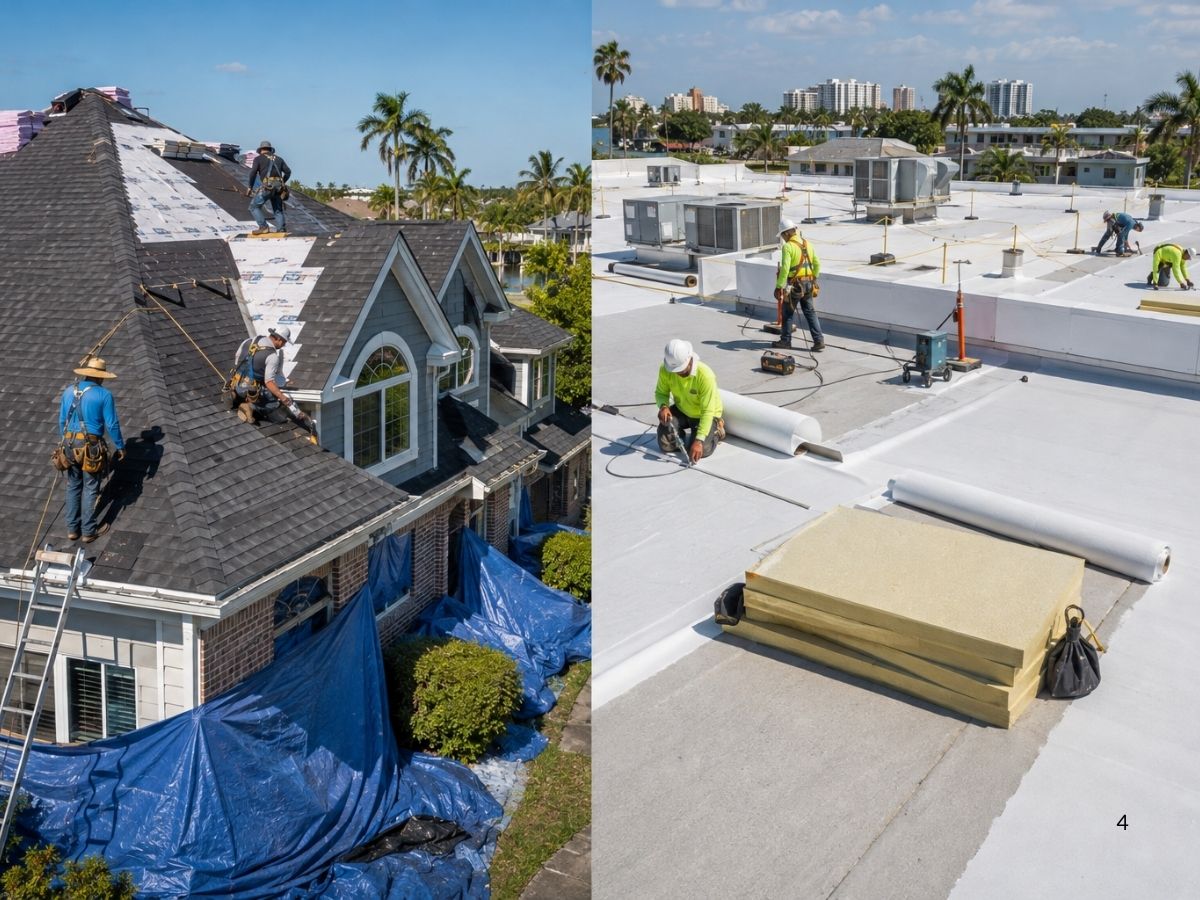
Residential vs. Commercial Roof Replacement: What Changes
Residential roof replacement puts family comfort and safety first. We plan around daily routines, pets, and children. Noise and debris are temporary but manageable with the right preparation.
Aesthetics matter. HOA guidelines and municipal approvals may affect material choice and color selection. In colder climates, ice and water shield is often required by code along eaves and valleys.
Commercial roof replacement shifts the focus. Compliance, insurance requirements, and documented safety plans take priority. OSHA standards must be followed. Access control and tenant communication are part of the project plan.
Drainage design becomes a central issue on low-slope roofs. Internal drains, scuppers, and overflow systems must function properly to prevent ponding water.
For property owners in South Florida, regional conditions make experience critical. Whether it’s a West Palm Beach roof replacement or a project elsewhere, wind codes, moisture exposure, and inspection requirements shape the scope.
Steep-slope systems rely heavily on gravity and layered protection. Low-slope systems depend on membrane integrity, seam welding, insulation layout, and drainage flow. The complexity level differs, but both demand precision.
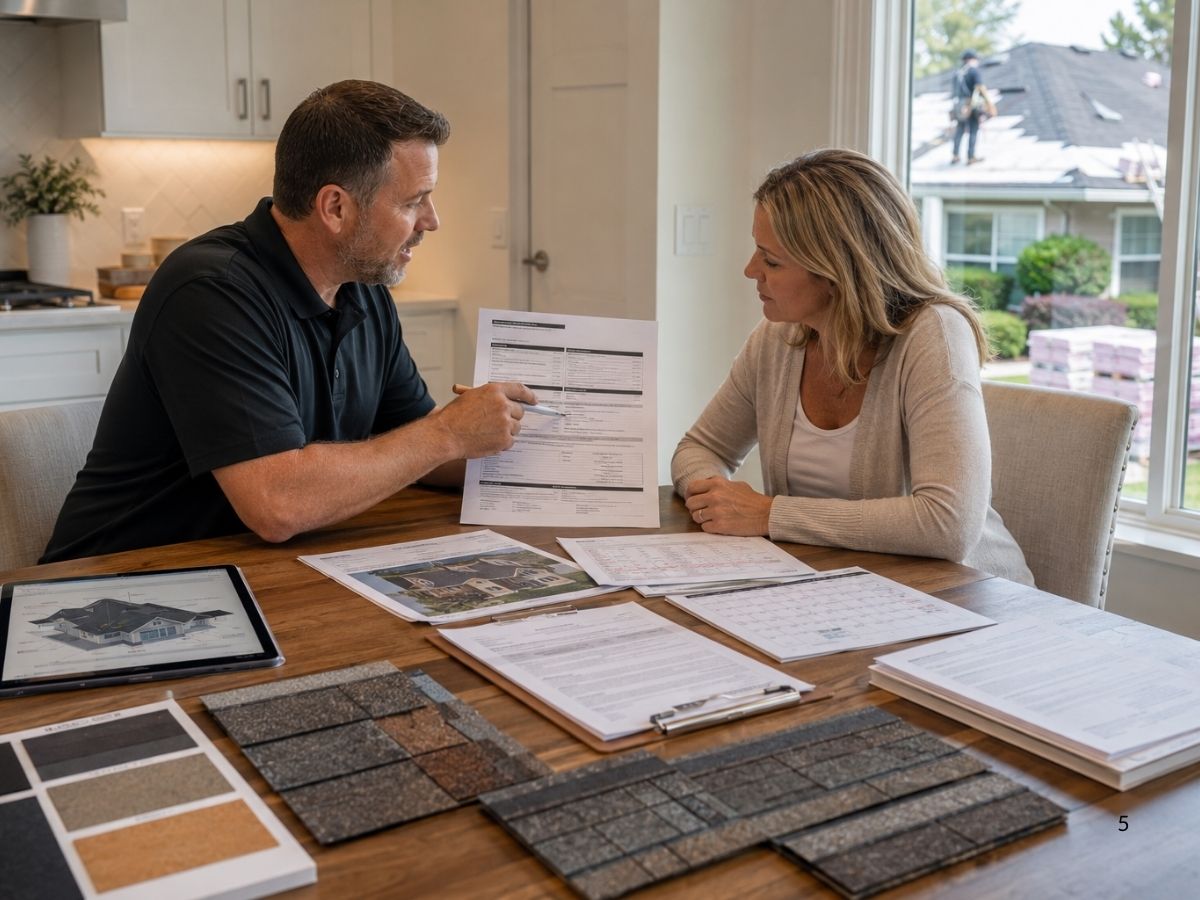
What Should Be Included in Roof Replacement Proposals?
A clear proposal protects everyone involved. It sets expectations before the first shingle comes off.
When clients ask what should be included in roof replacement proposals, we recommend reviewing these core elements:
- Detailed written scope of work
Avoid vague lines like “replace roof.” The document should explain tear-off, decking inspection, flashing replacement, ventilation, underlayment, and final materials. - Material specifications
The proposal should list brand, product line, thickness, and fire or wind rating where applicable. - Warranty details
Manufacturer warranty terms must be spelled out. Workmanship coverage should be defined separately. Ventilation or improper installation can void warranties, so that process must be clear. - Timeline
Estimated project duration and weather contingencies should be explained. You can also review the best season for roof replacement to plan strategically. - Payment terms
A transparent schedule builds trust and keeps cash flow predictable. - Cleanup and protection commitments
Nail sweeps, dumpster removal, and final site condition should be included. - Permit confirmation
The contractor should state who’s pulling permits and scheduling inspections.
Before signing, compare estimates side by side. If you need help preparing, review what to ask before getting a roofing estimate so you’re evaluating true scope—not marketing language.
Frequently Asked Questions
What is included in roof replacement?
A roof replacement includes removing the existing roofing materials down to the roof deck and rebuilding the entire roofing system. This typically includes deck inspection and repairs, underlayment, flashing, ventilation components, edge metal, insulation where required, and the installation of new roofing materials. The goal is to create a complete, code-compliant system designed for long-term protection.
How long does a full roof replacement usually take?
Most residential roof replacements take one to three days, while larger or more complex commercial projects can take several days or weeks. The timeline depends on roof size, weather conditions, material selection, structural repairs, and local inspection requirements. Your contractor should provide an estimated schedule before work begins.
Does roof replacement include replacing damaged roof decking?
Yes, damaged roof decking is typically replaced if problems are found after the old roof is removed. Because the decking cannot be fully inspected until tear-off is complete, many contractors include an allowance or contingency for this work. Replacing deteriorated decking provides a stable foundation for the new roofing system.
Is flashing replaced during a roof replacement?
In most professional roof replacements, flashing is replaced along with the rest of the roofing system. New flashing is installed around chimneys, skylights, roof valleys, vent pipes, and other penetrations to prevent water intrusion. Reusing old flashing may increase the risk of future leaks and can affect warranty coverage.
What should I look for in a roof replacement estimate?
A quality roof replacement estimate should clearly describe the scope of work, roofing materials, labor, warranties, permit responsibilities, project timeline, cleanup procedures, and payment schedule. It should also explain how unforeseen issues, such as damaged decking or code-required upgrades, will be handled so there are no unexpected costs during the project.