How wide is metal roofing?
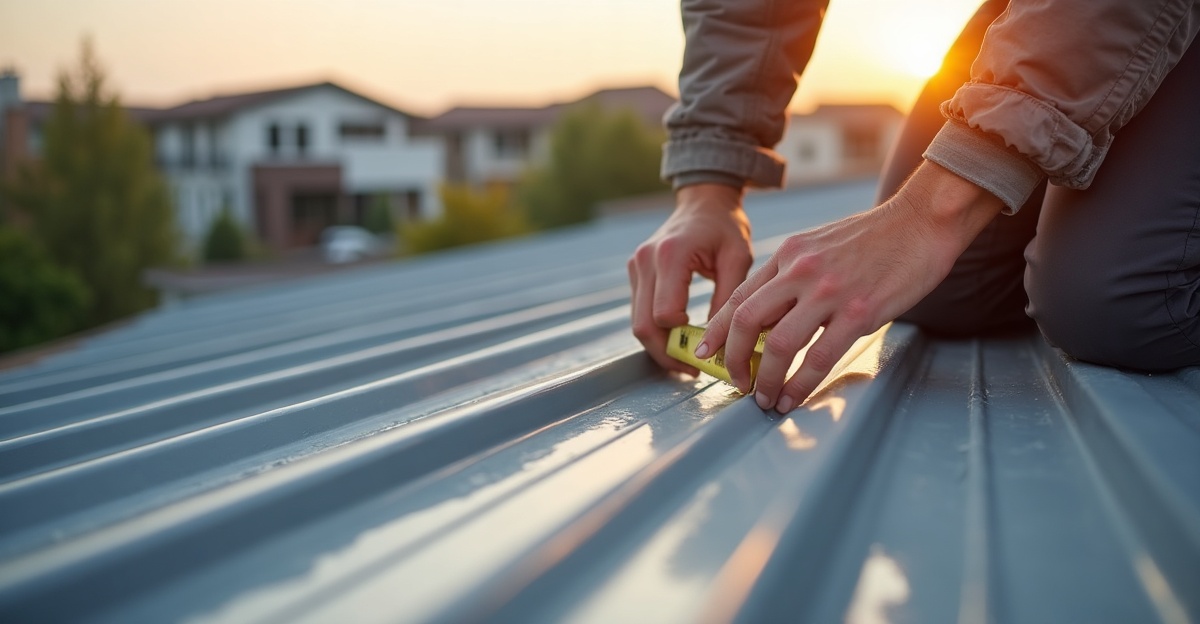
When we discuss how wide metal roofing is, we focus on panel type because width varies by system. Most panels range from 12 to 36 inches in either overall or coverage width. Standing seam panels usually cover 12–24 inches. Corrugated and ribbed panels often measure 24–36 inches wide overall. We must understand the difference between overall width and coverage width to estimate accurately and ensure strong performance.
Key Takeaways
- Most standard metal roof panel sizes range from 12 to 36 inches wide, depending on the profile and system.
- Coverage width (not overall width) determines panel count, material cost, and layout accuracy.
- Standing seam panels typically provide 12–24 inches of coverage, while ribbed and corrugated panels often measure around 36 inches overall.
- Panel width affects installation speed, seam count, wind resistance, and visual appearance.
- Accurate measurements using coverage width prevent waste, delays, and budget overruns.
Standard Metal Roofing Widths at a Glance (Quick Answer)
Most metal roofing panel sizes range from 12 to 36 inches wide, depending on the profile and system. There isn’t one universal width. The answer depends on the type of panel we’re using.
Here’s how it typically breaks down:
- Standing seam panels commonly provide 12–24 inches of coverage width, although custom widths are available depending on the manufacturer.
- Corrugated metal panels: typically about 24–36 inches overall width, with slightly less coverage after overlap.
- Ribbed or R-panel (exposed fastener): usually about 36 inches wide overall, with 34–36 inches of coverage depending on the profile.
When we hear questions like “how wide is metal roofing,” “how wide is roofing metal,” or “how wide is standard metal roofing,” we always clarify the panel type first. Width is standardized by the profile. If you’re wondering what lengths does metal roofing come in, the answer is that panels are usually custom-cut to match the slope of the roof.
That’s why two metal roofs can look similar from the street but use very different panel widths.
Overall Width vs. Coverage Width: Why the Numbers Don’t Always Match
Overall panel width is the full edge-to-edge measurement of the sheet. Coverage width (also called effective or exposed width) is the actual portion that covers the roof once seams or overlaps are engaged.
Those two numbers are rarely the same.
Corrugated and ribbed panels overlap at the sides. That overlap reduces the usable width. Standing seam panels lock together at vertical seams, which also reduces exposed coverage compared to the coil width they were formed from.
Failing to separate these measurements is one of the most common estimating mistakes we see.
Here’s why it matters:
- Panel count is based on coverage width, not overall width.
- Material cost per square foot changes depending on effective coverage.
- Waste can increase if calculations are off.
- Seam count affects both appearance and wind performance.
When someone asks, “how wide is sheet metal roofing,” they’re often referring to overall width right off the machine. When they ask, “how wide is metal roofing panels,” they usually mean how much roof area each panel will cover after installation.
We always calculate using coverage width. That keeps budgets accurate and avoids short orders.
Width by Panel Type: Corrugated, Ribbed, and Standing Seam
Each panel type comes with its own typical width range and use case. The right choice depends on your building style, structural needs, and budget.
Corrugated Metal Panels
The typical width of corrugated roof sheet panels is about 24–36 inches overall. Because of side overlaps, the coverage width will be slightly less.
We often see these panels on agricultural buildings, light commercial structures, and certain residential designs. They install relatively quickly and offer solid performance at a competitive price point.
Ribbed (R-Panel) and Standing Seam Panels
Ribbed or R-panel systems are commonly about 36 inches wide overall, with roughly 34–36 inches of coverage depending on the specific profile. These exposed fastener panels are popular in commercial and industrial buildings because they install quickly and control costs.
Standing seam metal roof sizes differ from exposed fastener systems because these panels are usually 12–24 inches in coverage width. These panels are usually 12–24 inches in coverage width and use concealed fasteners with vertical locking seams. We often recommend narrower 12–16 inch panels for residential homes that want a refined look. Wider 18–24 inch versions create a more modern appearance.
When people ask how wide is a sheet of metal roofing, they’re typically talking about factory-formed panels like these—not flat raw sheet metal. Flat sheet metal usually starts as coil stock and is then roll-formed into specific panel profiles.
For a deeper look at system options, we break down materials and configurations in our metal roofing services overview.
How Panel Width Impacts Cost, Performance, and Appearance
Panel width affects more than layout. It directly influences labor time, long-term durability, and overall return on investment.
Installation speed changes with width. A 36-inch ribbed panel covers more area per sheet than a 16-inch standing seam panel. Fewer panels mean fewer seams and faster installation. That can reduce labor hours, which plays into total installed cost. We explain pricing variables in detail in our metal roof cost guide.
Seam count matters for performance. Narrower panels increase the number of vertical seams. More seams can mean more labor, but in certain engineered systems, they also help manage thermal movement and improve structural behavior.
Wind uplift resistance also ties back to panel profile and seam spacing. Standing seam systems are often specified for higher wind performance in coastal zones because of their tested wind uplift performance and concealed seam attachment systems.
Oil canning is another factor. Oil canning is visible waviness in flat metal areas. Wider panels with large flat sections may show it more clearly, especially in certain lighting. Choosing the right width, material, and installation method helps reduce that visual effect.
Appearance is where many homeowners focus first.
- 12–16 inch standing seam panels create a classic, balanced look.
- 18–24 inch panels offer a cleaner, modern feel.
- 36-inch ribbed panels look more industrial and are common on commercial structures.
Long-term durability also depends on system design, underlayment, and material selection. We cover those factors in our guides on metal roof lifespan by material and how long a metal roof lasts. Panel width plays a role in seam exposure and maintenance points, which can affect life expectancy over decades.
For commercial properties, optimizing panel width can lower labor hours and reduce potential maintenance points. That improves total lifecycle value and strengthens ROI.
How to Estimate Panel Count for Your Roof
Accurate estimates start with coverage width. Never use overall width for ordering calculations.
Here’s a simple example.
Assume a roof section that’s 50 feet wide. We’re using panels that are 36 inches overall but provide 34 inches of actual coverage.
First, convert 34 inches to feet.
34 inches ÷ 12 = 2.83 feet.
Next, divide the total width by coverage width.
50 ÷ 2.83 ≈ 17.7 panels.
We always round up. That means 18 panels are required for that section.
Panel lengths are typically custom-cut to match the slope length of the roof. That reduces the need for horizontal seams and improves leak resistance.
Proper measurement upfront prevents material shortages and costly delays. If you want a step-by-step breakdown, review our guide on how to measure a roof for metal roofing before requesting quotes.
Estimating correctly keeps bids consistent across contractors and gives you clear budget expectations.
Common Questions About Metal Roofing Width
How wide is a sheet of metal roofing?
Factory-formed panels are typically about 24–36 inches overall, depending on the profile.
What is the standard width of standing seam metal roofing?
Standing seam panels commonly provide 12–24 inches of coverage width, with custom widths available from some manufacturers.
How wide is metal roofing panels for residential homes?
Most homes use 12–16 inch standing seam panels for a more traditional look. Exposed fastener systems often use panels around 36 inches wide.
How wide is standard metal roofing in commercial buildings?
Many commercial and industrial structures use ribbed or R-panel systems around 36 inches overall width because they install quickly and control costs.
Specifications vary by manufacturer and project requirements. We always confirm exact profile dimensions before ordering materials.
Choosing the right panel width affects appearance, wind performance, budget, and long-term service life. A site evaluation makes it easier to compare options side by side. When you’re ready to review panel widths for your property, schedule a consultation through our contact page, and we’ll walk through the details with you clearly and directly.