What is composition roofing?
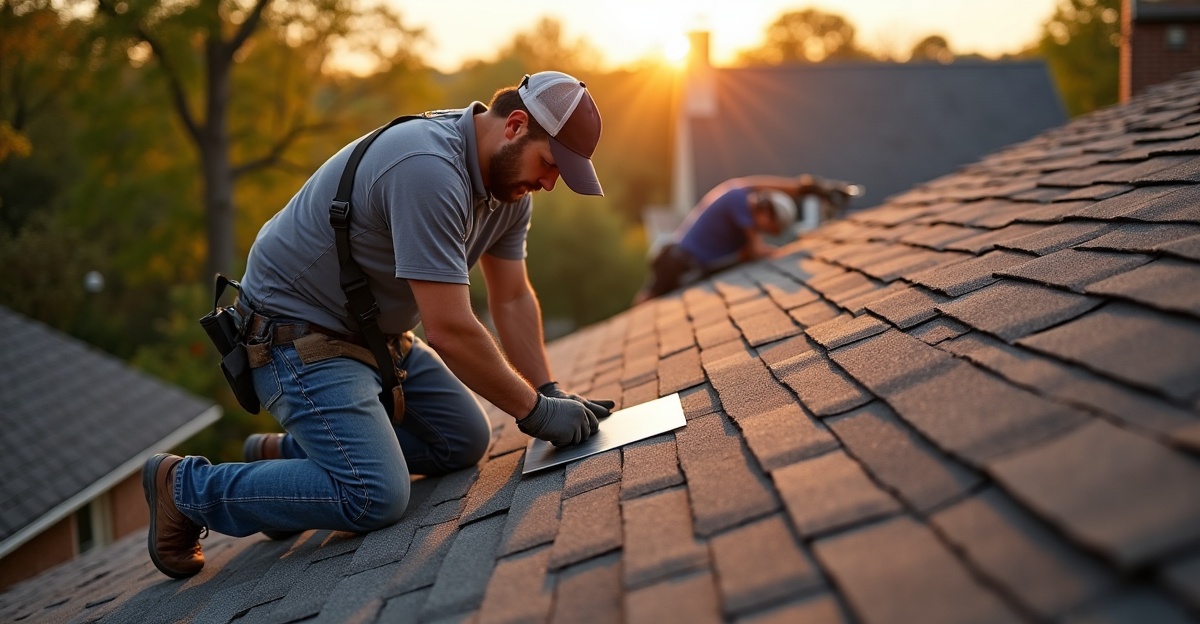
Composition roofing refers to a roofing system that uses asphalt-based shingles installed over decking, underlayment, flashing, and ventilation components. We build these systems in layers, and each layer affects performance. Material choice, installation quality, and local climate all shape how the roof performs over time. By understanding what composition roofing is, we can compare 3-tab, architectural, and premium shingles, set realistic lifespan and budget expectations, and decide whether this common residential and multi-family option fits our property’s long-term goals.
Key Takeaways
- Composition roofing describes asphalt shingles made from a fiberglass or organic mat, coated in asphalt, and finished with mineral granules.
- The complete roof system includes decking, underlayment, ice and water shield, shingles, flashing, and balanced attic ventilation.
- Shingle options include 3-tab (cost-conscious), architectural (the most widely installed and more durable), and premium (designer-grade with stronger visual impact and higher performance ratings).
- Lifespan usually ranges from 20–30 years for 3-tab and 30–50 years for architectural shingles, depending on ventilation, climate, and installation quality.
- Long-term performance and warranty coverage rely as much on precise installation and proper airflow as on the shingle manufacturer.
What Is Composition Roofing? A Clear Breakdown of Materials and Structure
Composition roofing material is built around asphalt-based shingles made from a fiberglass or organic mat, coated with asphalt, and finished with protective mineral granules, as described in asphalt shingle construction documentation. When people search what is composition roofing, what is composition shingles, or what is a composition roof shingle, they’re usually referring to standard asphalt shingles used on most residential homes.
The roof composition meaning comes from the blend of materials that make up the shingle, including a fiberglass or organic mat, asphalt, and protective mineral granules. In practice, composition shingles most often mean asphalt shingles. The terms are used interchangeably across the roofing industry.
A composition roof system includes more than just shingles. Every layer plays a role:
- Roof decking, typically plywood or OSB, which provides structural support
- Underlayment, either felt or synthetic, for moisture protection
- Ice and water shield in vulnerable areas like valleys and penetrations
- Shingles (3-tab, architectural, or premium) as the visible outer layer
- Flashing around chimneys, vents, skylights, and valleys
- Proper attic ventilation to regulate heat and moisture buildup
Ventilation plays a bigger role than many homeowners realize. Without balanced intake and exhaust airflow, heat and moisture can become trapped. That shortens shingle lifespan and can void certain manufacturer ventilation requirements.
Performance doesn’t depend on the shingle alone. Climate, installation quality, attic airflow, and routine maintenance all influence how long a composition roof lasts. High-quality shingles can fail early due to poor ventilation, while mid-range shingles can outperform expectations when installed and maintained correctly. The system works when every layer works together.
For homeowners exploring shingle roofing services, understanding the full system helps set realistic expectations about cost, durability, and long-term value.
Types of Composition Shingles: 3-Tab vs. Architectural vs. Premium
When clients ask what is composition shingles in practical terms, the next question is usually about types. Composition shingles come in three main categories: 3-tab, architectural, and premium.
3-Tab vs. Architectural vs. Premium at a Glance
- 3-Tab Shingles
- Flat, uniform appearance
- Typically 20–30 year lifespan depending on climate and installation
- Lower upfront material cost
- Common on budget-focused projects and some rental properties
- Architectural (Dimensional/Laminate) Shingles
- Thicker, layered construction
- Typically 30–50 year lifespan with proper ventilation
- Stronger wind resistance than 3-tab
- Most popular option for single-family homes
- Premium/Designer Shingles
- Engineered to mimic cedar shake or slate
- Heavier weight and often higher wind ratings
- Higher cost
- Often chosen for high-end homes or HOA-driven design standards
3-tab shingles are the simplest and most economical. For tight budgets, they can be a practical option.
An architectural composition roof is the most common upgrade homeowners choose because it offers added thickness, dimension, and durability. They offer added thickness, dimension, and durability. For many homeowners, this is the best balance between cost and reliability. Learn more in this guide to 3-tab vs architectural shingles.
Premium shingles focus on aesthetics and enhanced performance ratings. They come at a higher price point but can significantly improve curb appeal.
If you’re comparing all material categories, it helps to review top roofing materials for durability and value before making a final decision.
Cost, Lifespan, and Long-Term Value
Composition shingle roofing is generally moderate in cost compared to metal, tile, or slate. Installed pricing per square (100 square feet) varies by region, roof complexity, and material choice. Local labor rates and supply conditions also impact the final cost.
Key factors influencing total investment include:
- Roof pitch and architectural complexity
- Tear-off vs. overlay over existing shingles
- Decking repairs if rot or damage is uncovered
- Shingle type (3-tab, architectural, premium)
- Manufacturer warranty level
- Regional material and labor costs
In terms of lifespan, realistic expectations matter:
Typical asphalt shingle service life varies by product, with 3-tab shingles commonly lasting 20–30 years and architectural shingles often reaching 30–50 years under favorable conditions
- 3-tab shingles: 20–30 years
- Architectural shingles: 30–50 years
- Premium shingles: Often similar to or slightly exceeding architectural ranges, depending on manufacturer
Actual service life depends on ventilation, climate exposure, and installation quality.
From a return-on-investment standpoint, composition roofing works well for most residential properties. It’s widely accepted by HOAs, available in many colors, and familiar to buyers—supporting resale value without overextending the budget.
For multi-family and steep-slope commercial properties, composition shingles allow for predictable budgeting and scalable maintenance.
Remember, manufacturer warranties cover materials. Workmanship warranties come from the contractor. Both are important. A 50-year material warranty won’t protect against installation errors. That’s why proper installation and documentation are critical during every roof replacement and new roof installation.
In hail-prone regions, impact-rated shingles are available and often recommended for added protection.
Pros and Cons of Composition Roofing
Composition roofing remains popular for practical reasons.
Benefits include:
- Affordability compared to metal, tile, or slate
- Wide range of styles and colors
- Straightforward and typically faster repairs
- Compatibility with most residential roof designs
- Adaptability for multi-family and steep-slope commercial structures
Potential drawbacks include:
- Shorter lifespan than metal, tile, or slate
- Standard composition shingles are not ideal for low-slope or flat commercial roofs, where composition rolled roofing or membrane systems may be more appropriate
- Sensitive to poor ventilation or improper installation
- Standard versions may struggle in severe hail zones without upgrades
If you’re considering alternatives, reviewing metal roof vs asphalt shingles can clarify the trade-offs.
Residential and Commercial Applications: Where Composition Roofing Makes the Most Sense
On the residential side, composition roofing is ideal for:
- Single-family homes
- HOA communities with standard guidelines
- Storm-damage replacements
- Budget-conscious homeowners seeking dependable performance
Most homeowners prioritize peace of mind and warranty clarity. In those cases, architectural shingles typically meet expectations. Our residential roofing services cover everything from inspection through final cleanup.
On the commercial side, composition shingles are suitable for:
- Multi-family properties
- Churches and offices with steep-slope designs
- Mixed-use buildings where flat membranes aren’t required
Owners often focus on lifecycle cost and predictable maintenance, which composition systems can deliver when installed correctly.
Before requesting an estimate:
- Know the roof’s approximate age
- Ask about attic ventilation and decking condition
- Clarify proposed shingle type and warranty level
Property owners in South Florida can explore options for Boca Raton shingle roofing based on local climate conditions.
Maintenance, Warranties, and Common Questions
Composition roofing requires routine inspections but is not considered high maintenance.
- Schedule annual or post-storm inspections
- Keep gutters clear to prevent water backup
- Address minor damage promptly
- Watch for algae staining in humid climates
If algae is common in your area, consider algae-resistant asphalt shingles for additional protection.
For isolated damage, timely roof repair can extend system life.
Common questions:
Is composition roofing the same as asphalt roofing?
In most cases, yes. “Composition” typically refers to asphalt shingles made from layered materials.
How long does a composition roof really last?
Service life depends on shingle type, ventilation, climate, and maintenance. Expect 20–30 years for 3-tab and 30–50 years for architectural under normal conditions.
Are composition shingles good for hail or high wind areas?
Standard shingles perform well in many wind zones when installed correctly. In hail-prone regions, impact-rated shingles are recommended.
Can composition shingles be installed over old shingles?
Sometimes. Local codes, structural conditions, and roof integrity determine eligibility. A full tear-off often provides better long-term results.
How do they compare to metal or tile roofs?
Metal and tile typically last longer but cost more upfront. Composition shingles offer lower initial investment and strong versatility. For broader comparisons, review the best residential roofing material.
If you’re evaluating options and want straightforward guidance on what fits your property, visit our contact page. We’ll inspect the roof, explain findings clearly, and walk through practical solutions without pressure.