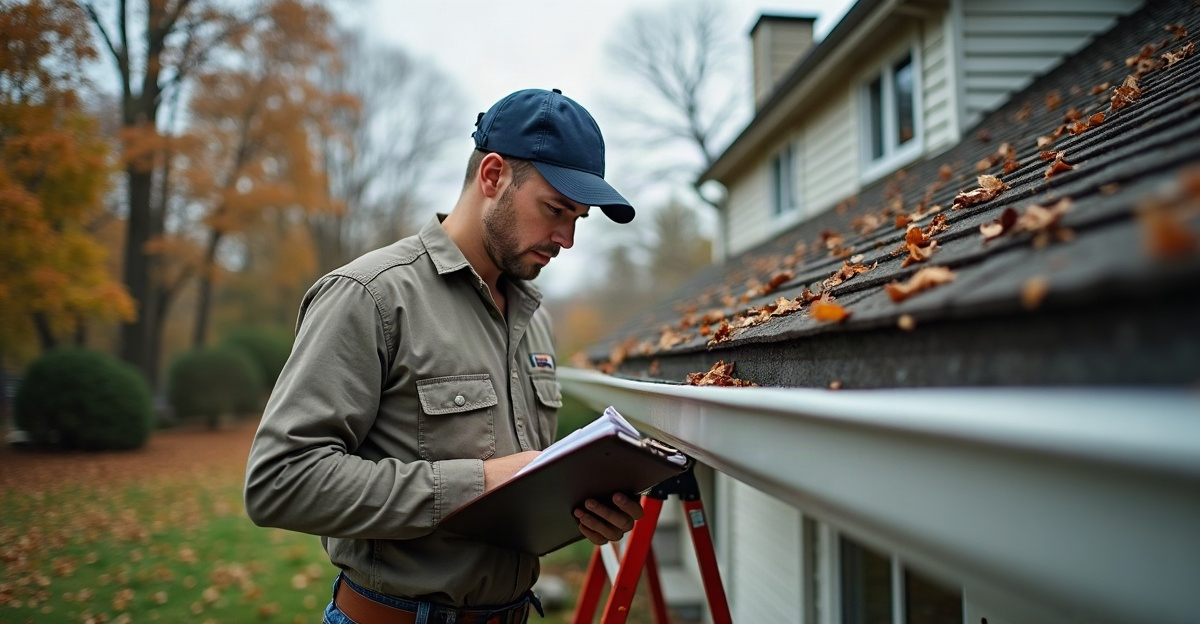
How to choose a residential roofing contractor?

Learning how to choose a residential roofing contractor requires more than comparing prices. We verify licenses and insurance, review detailed written estimates, and understand warranties and project management before we sign a contract. This step-by-step framework helps us avoid scams, control costs, and select a contractor who protects our home, our investment, and our family’s safety.
Key Takeaways
- We verify the contractor’s license, insurance coverage, permit process, and local business presence before discussing price.
- We confirm experience, manufacturer certifications, and recent local references to ensure proven installation quality.
- We compare two to three detailed written estimates that clearly define scope, materials, timeline, cleanup, and exclusions.
- We review both manufacturer and workmanship warranties, and we make sure all terms appear in a written contract.
- We watch for red flags like large upfront payments, vague proposals, high-pressure tactics, or refusal to provide credentials.
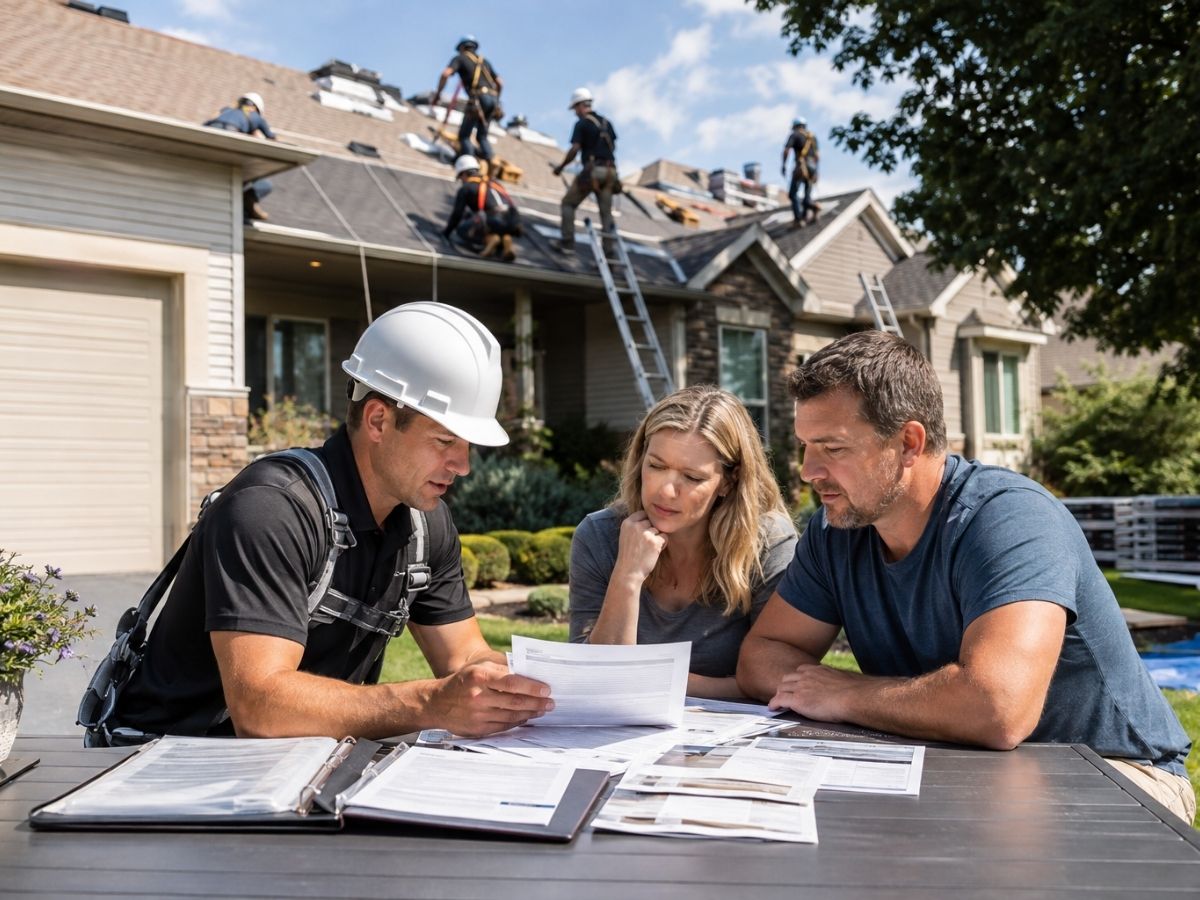
How to Choose a Residential Roofing Contractor: A Step-by-Step Framework That Protects Your Home and Investment
Learning how to choose a residential roofing contractor is one of the most important decisions we make as homeowners. Our roof protects our home, our finances, and our family’s safety every single day.
Most of us share the same concerns. We worry about hidden costs. We fear unreliable crews, unfinished work, insurance confusion, or a job site left in chaos. That’s why selecting a roofing contractor requires a clear framework—not guesswork.
This guide breaks down how to choose a good roofing contractor step by step. We’ll cover licensing, insurance, estimates, warranties, project management, and red flags so we can make a confident decision. Use this framework whether we hire RayPro or another company.
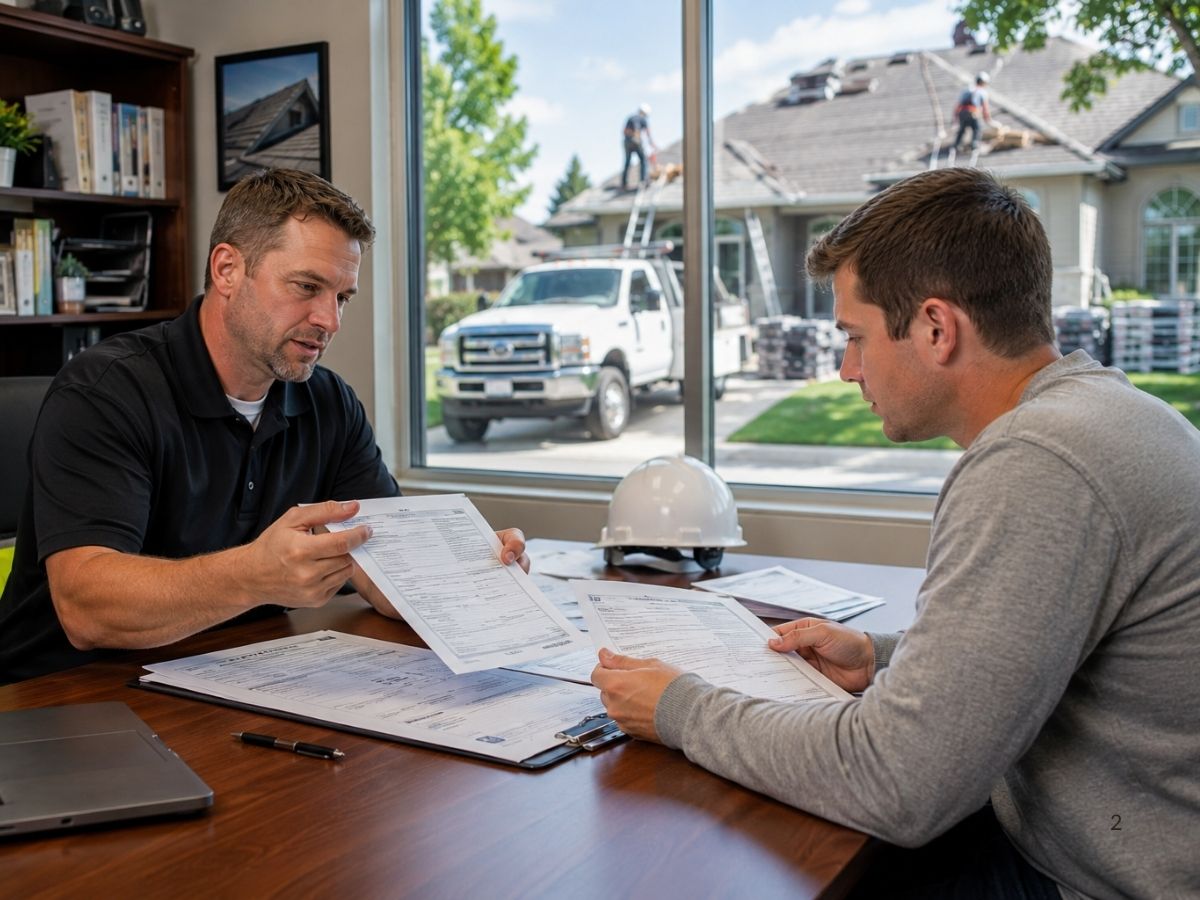
Verify Licensing, Insurance, and Local Legitimacy First
When selecting a roofing contractor, licensing and insurance are the first filter. This step protects us from legal issues, liability claims, and code violations.
Licensing and Insurance Verification
State and local requirements vary. Some states require a specific residential roofing license. Others require general contractor licensing. We should always:
- Ask for the contractor’s license number.
- Verify it through the official state or municipal database.
- Confirm the license classification covers residential roofing.
Insurance matters just as much. We should request current certificates for:
- General liability insurance
- Workers’ compensation insurance
Check coverage limits and effective dates. If anything looks unclear, call the insurance provider to confirm active coverage. Without proper insurance, we could be responsible for injuries or property damage, according to state insurance guidance on contractor liability coverage.
We also need clarity on permits. Ask who pulls the permit and schedules inspections. A qualified contractor handles this directly and understands local residential building code requirements.
Local Presence and Accountability
A legitimate roofing company has a physical local presence. Confirm a local office, business address, and a history in the community. Be cautious with companies that appear right after a storm with newly formed LLCs and no local track record.
Ask direct questions:
- Can we provide a copy of our license and insurance certificates?
- Who pulls the permit for this project?
Clear, prompt answers signal transparency and accountability.
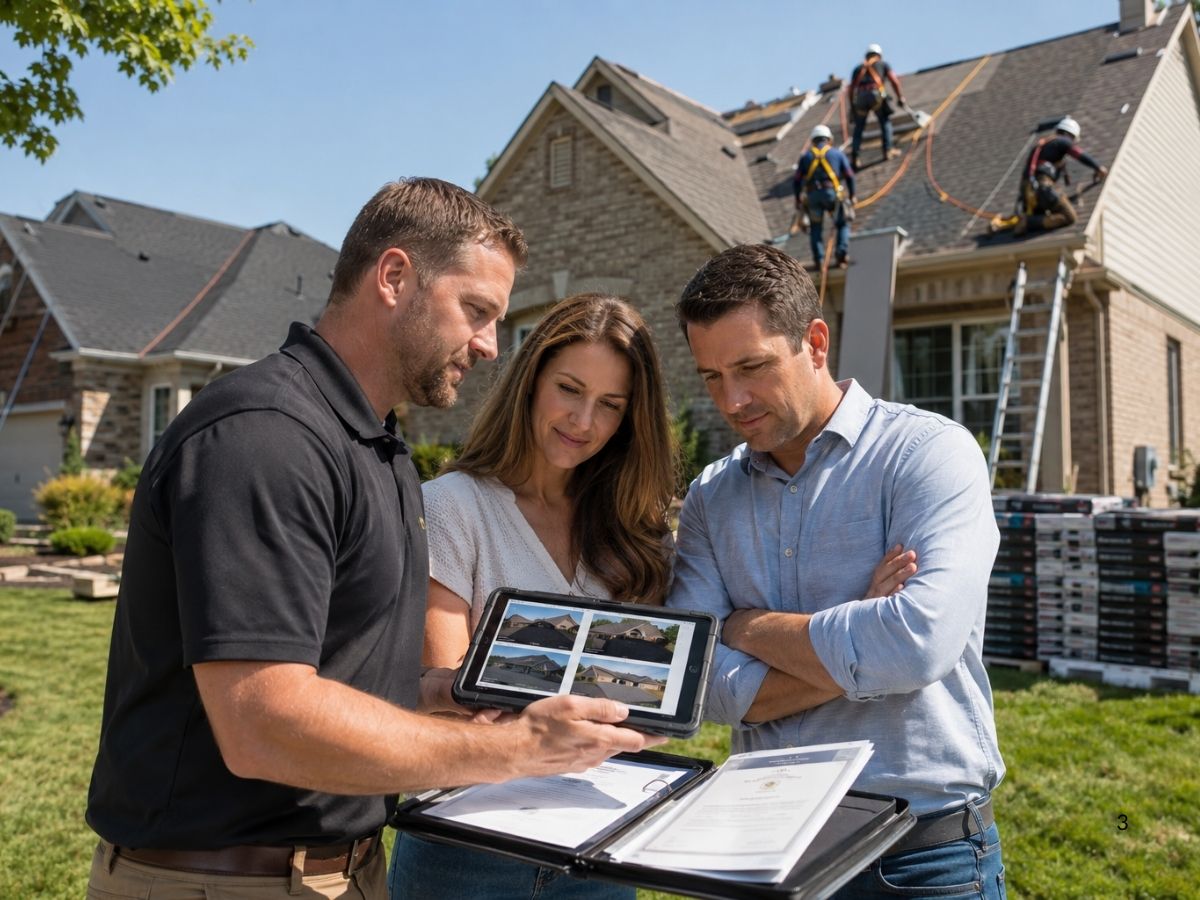
Confirm Experience, Certifications, and Proven Local Performance
Experience should be verifiable. It’s not enough for a company to say they’ve been around “for years.”
Ask how long they’ve operated under the same company name. Request the number of similar residential roof replacements completed.
Manufacturer certifications also matter. Certified contractors receive training on proper installation methods and may offer manufacturer-certified roofing warranty programs. Ask which roofing systems they’re approved to install and why they recommend them for our home.
Check past work. Request three to five recent local references. Ask for before-and-after photos of homes similar to ours. If possible, drive by a completed project or visit an active job site safely.
Online reviews help, but focus on patterns. Consistent feedback about communication, clean-up, and reliability tells us more than a single five-star rating.
If we want to understand common pitfalls, review common roofing mistakes. It helps us recognize warning signs and strong workmanship.
For homeowners actively comparing options, our residential roofing services page shows how we structure projects and standards.
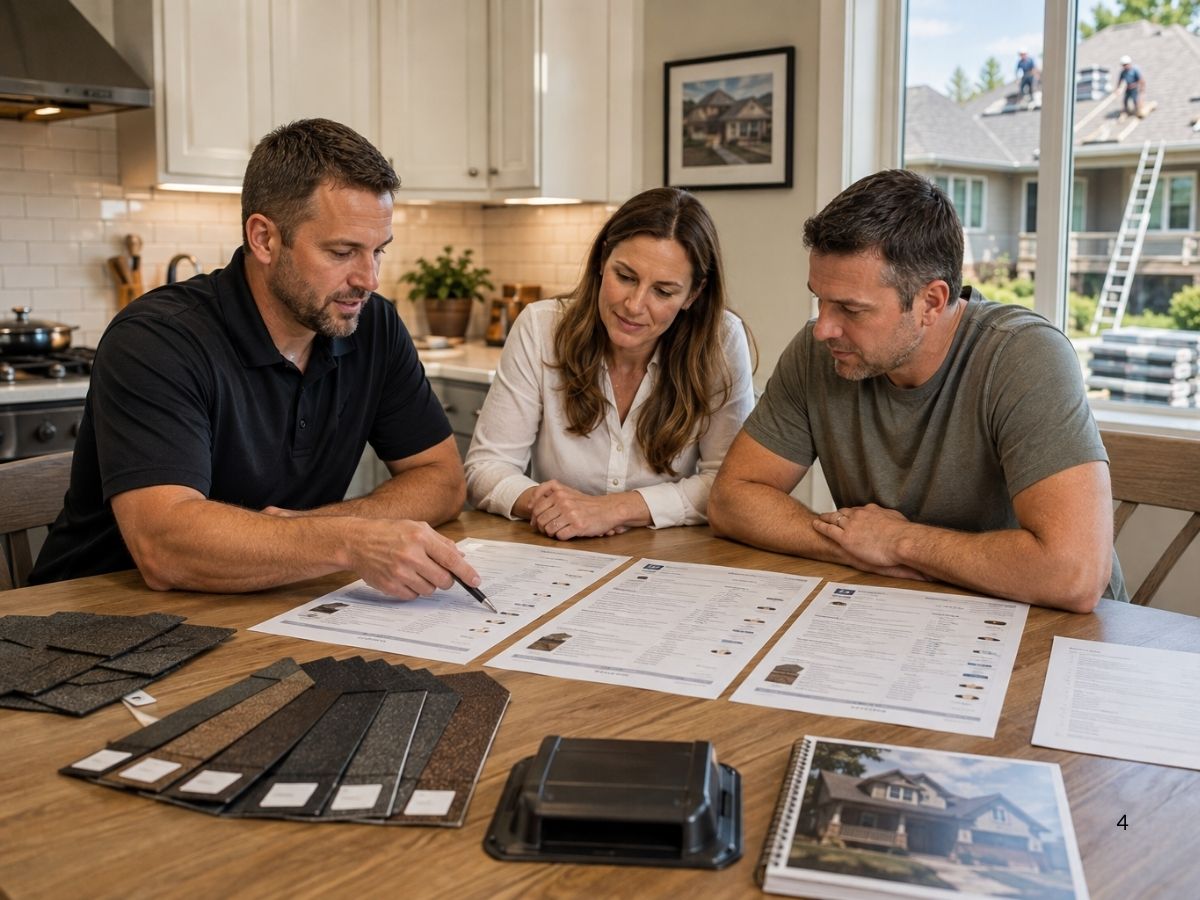
Compare Written Estimates the Right Way (Price vs. Long-Term Value)
Choosing the lowest price rarely delivers the best outcome. Understanding how to choose a roofing company means comparing value, scope, and long-term reliability.
We recommend collecting two to three detailed written estimates. That gives us a fair comparison without confusion.
A professional estimate should clearly outline:
- Full scope of work, including tear-off, decking inspection, underlayment, ventilation, and flashing
- Material brand, product line, and color
- Labor and material costs
- Cleanup and disposal procedures
- Project timeline with start and completion dates
- Payment schedule
Avoid vague proposals that simply say “roof replacement – $X.” A clear breakdown protects everyone.
Roof pricing varies based on size, pitch, complexity, material choice, and local labor and permit costs. If we want deeper insight, review how much a roof replacement costs. Expect differences, but demand clarity in writing.
Insurance claims add another layer. A contractor can document damage and meet with an adjuster. They should not interpret our policy coverage or promise claim outcomes. That’s between us and the insurer.
Ask every bidder:
- Can we walk through this estimate line by line?
- What is excluded from this proposal?
For more guidance before signing anything, see what to ask before getting a roofing estimate.
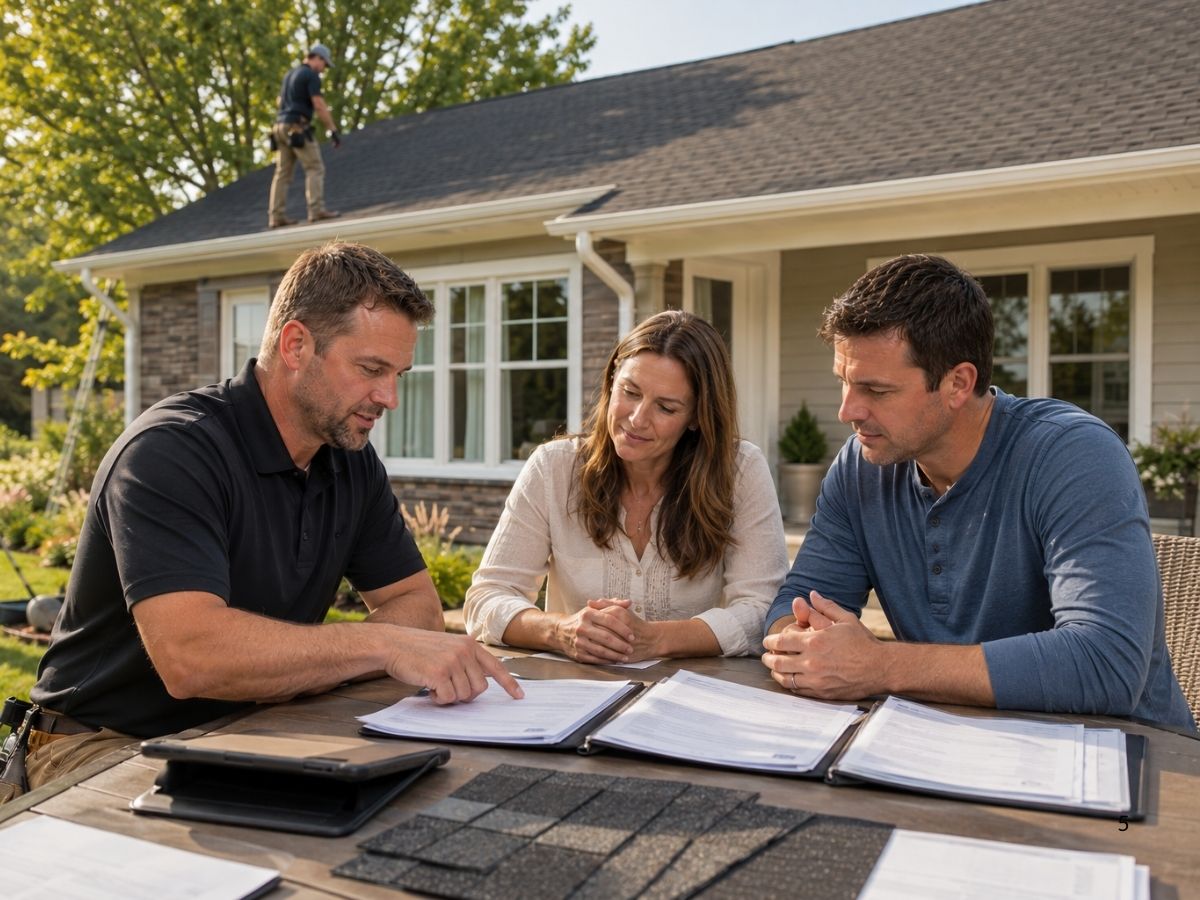
Understand Warranties, Contracts, and Post-Installation Support
Warranties protect our investment, but only if we understand them.
There are two main types:
Manufacturer warranty covers material defects.
Workmanship warranty covers installation quality.
Ask how long each lasts. Clarify whether the workmanship warranty is backed solely by the contractor or supported by a third party. If the contractor is manufacturer-certified, enhanced warranties may be available.
Every project needs a written contract. That document should define:
- Scope of work
- Payment terms
- Change order procedures
- Cleanup responsibilities
- Contingencies for weather delays or unexpected decking damage
Project management matters. Identify the point of contact. Confirm how updates will be communicated—phone, email, or job portal. Discuss how unexpected issues are handled mid-project.
After installation, expect:
- A final walkthrough
- Magnetic nail and debris cleanup
- Final inspection sign-off
- Confirmation that manufacturer warranties are properly registered
Long-term service is the true test. Ask how warranty claims or service calls are handled and what response times look like. A dependable contractor stands behind their work years later.
If we’re planning a full upgrade, our roof replacement services outline how we manage projects start to finish.
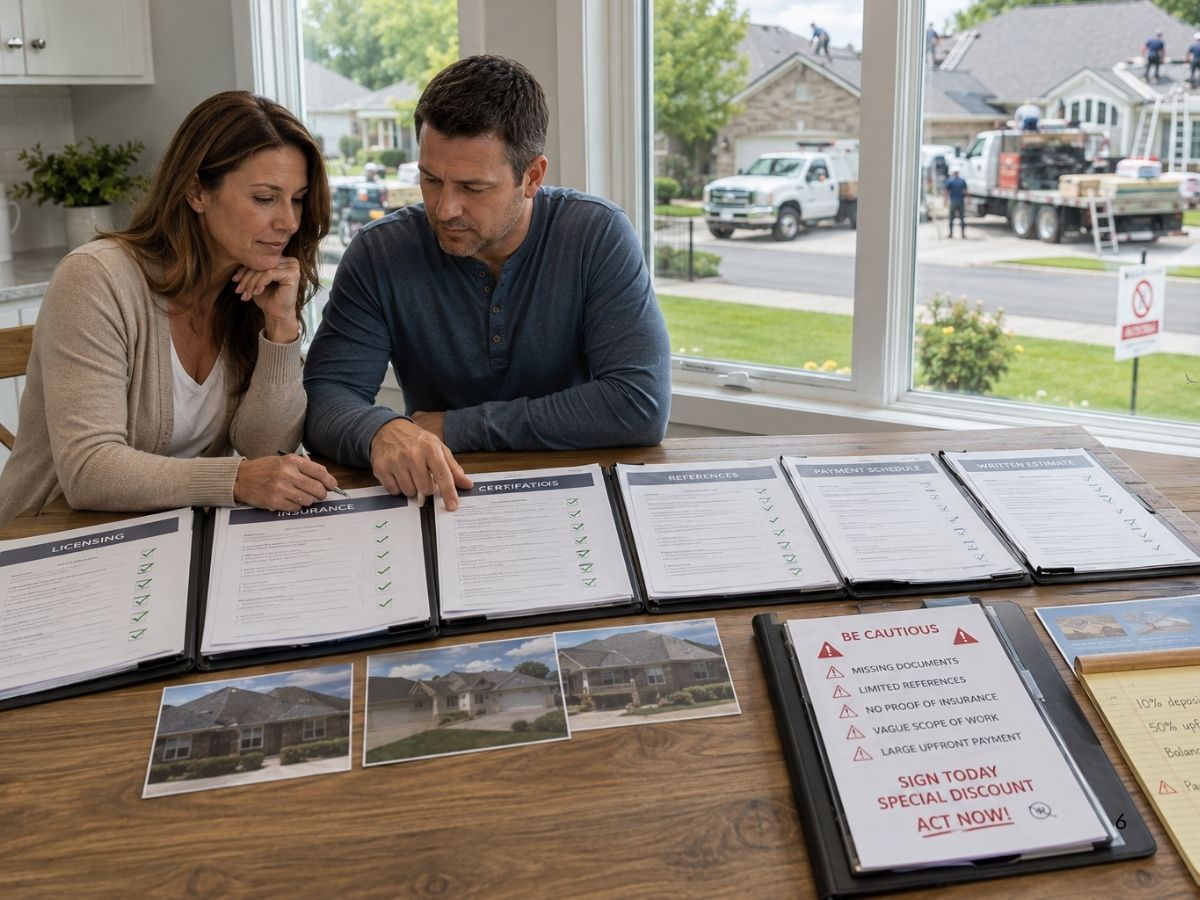
Spot Red Flags and Use a Contractor Comparison Checklist
Knowing how to choose a residential roofing contractor also means knowing what to avoid.
Red flags include:
- Large upfront payment requests before materials are delivered
- No written contract
- High-pressure “sign today” discounts
- Refusal to provide proof of license or insurance
- Vague scopes of work
- Door-knocking storm chasers with no local office
These are common themes homeowners face when learning how to choose a good roofing contractor. Staying disciplined protects us.
Contractor Comparison Checklist and FAQs
Use this checklist when comparing companies:
- License verified
- Insurance verified
- Local office confirmed
- Manufacturer certifications reviewed
- Two to three written estimates collected
- References checked
- Warranty terms compared
- Payment schedule reviewed
- Post-installation support clarified
How many roofing quotes should we get?
Two to three is ideal. Enough for comparison, not so many that analysis becomes overwhelming.
What questions should we ask a roofing contractor?
We should ask about licensing, insurance, materials, timeline, warranty coverage, cleanup, and exclusions in writing.
How do we verify a roofer’s license and insurance?
Request documentation, confirm through state databases, and call the insurance provider if needed.
How do we avoid roofing scams?
Avoid pressure tactics, verify credentials independently, insist on written contracts, and never rely on verbal promises.
If we’re ready for expert guidance or a no-obligation inspection, we can schedule one directly through our contact page. We’re committed to transparency, education, and long-term protection. Use this framework with us or any company we evaluate. The goal is confidence in the decision and lasting protection for our home.
Frequently Asked Questions
What certifications should a residential roofing contractor have?
A qualified residential roofing contractor should hold all required state or local licenses and carry appropriate roofing certifications from major manufacturers. These certifications often indicate additional training and adherence to installation standards. Ask contractors to provide proof of credentials and verify them independently before signing a contract.
How many roofing estimates should I get before choosing a contractor?
Most homeowners should obtain at least three roofing estimates before making a decision. Comparing multiple proposals helps you understand pricing differences, material options, warranty coverage, and project scope. Focus on overall value rather than choosing the lowest bid, as unusually cheap estimates can indicate shortcuts or hidden costs.
What is the difference between a workmanship warranty and a manufacturer warranty?
A workmanship warranty covers installation errors made by the roofing contractor, while a manufacturer warranty covers defects in roofing materials. Both are important because even high-quality materials can fail if installed incorrectly. Review warranty terms carefully and ask how claims are handled before hiring a contractor.
Should a roofing contractor handle permits for my project?
Yes, reputable roofing contractors typically obtain any required permits and ensure the project complies with local building codes. Contractors who ask homeowners to pull permits themselves may be attempting to avoid responsibility. Always confirm who will secure permits before work begins.
How can I verify a roofing contractor’s insurance coverage?
Ask the contractor for current certificates of liability insurance and workers’ compensation insurance. You can also contact the insurance provider directly to verify coverage. Proper insurance protects homeowners from potential liability if property damage or workplace injuries occur during the project.
What are the warning signs of a roofing scam?
Common roofing scam warning signs include door-to-door sales after storms, requests for large upfront payments, lack of a physical business address, pressure to sign immediately, and refusal to provide written contracts. Always research contractors thoroughly and verify references before agreeing to any roofing work.
How long does a residential roof replacement usually take?
Most residential roof replacements take one to three days, depending on roof size, weather conditions, material type, and project complexity. Larger homes or roofs requiring structural repairs may take longer. Your contractor should provide a realistic timeline before work begins and communicate any delays promptly.
Can a roofing contractor help with insurance claims?
Many experienced roofing contractors assist homeowners by documenting storm damage, providing inspection reports, and communicating with insurance adjusters. However, contractors should not guarantee claim approval. Choose a contractor who understands the claims process but allows your insurance provider to make final coverage decisions.
What should be included in a residential roofing contract?
A roofing contract should clearly outline materials, labor costs, payment terms, project timeline, warranty information, cleanup responsibilities, and change-order procedures. Detailed contracts reduce misunderstandings and protect both parties. Review every section carefully before signing and request clarification on any unclear terms.
What should I do after my new roof is installed?
After installation, conduct a final walkthrough with the contractor and request documentation for warranties, permits, and inspections. Check that debris has been removed and that the property has been cleaned properly. Keeping records organized can simplify future maintenance and warranty claims.