How much does a tile roof cost in Florida?
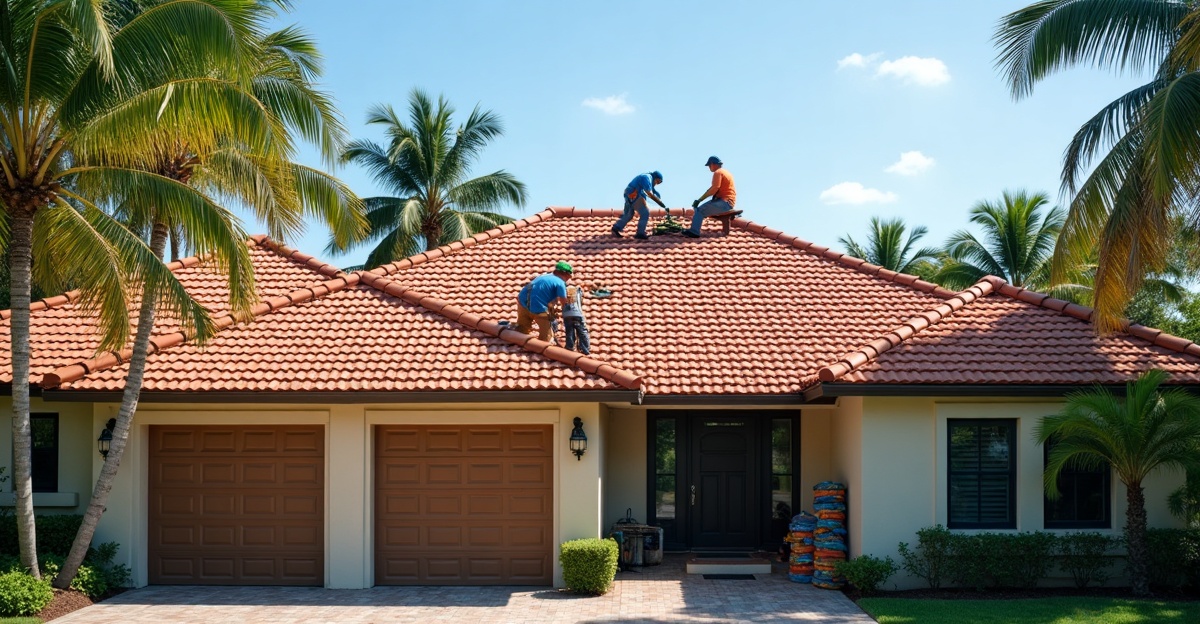
When homeowners ask how much does a new tile roof cost in Florida, we see current installed pricing range from $9–$14 per square foot for concrete tile and $12–$20+ per square foot for clay. Total projects often fall between $22,000 and $65,000+, depending on size and design complexity. Florida’s strict wind codes, hurricane requirements, underlayment systems, structural load engineering, and regional standards like Miami-Dade approvals directly affect what we pay.
Key Takeaways
- Concrete tile averages $9–$14 per square foot installed, while clay tile runs $12–$20+ per square foot under Florida code requirements.
- Most 2,000–3,000+ square foot homes pay $22,000–$45,000+ for concrete and $30,000–$65,000+ for clay, with large estates exceeding $60,000–$100,000+.
- Pricing varies due to tear-off needs, roof complexity, underlayment upgrades, permits, inspections, and possible structural reinforcement.
- Florida Building Code roofing requirements significantly influence total cost through HVHZ standards and engineered fastening systems.
- Tile offers long-term value with 50+ year lifespans (up to 100 for clay), strong wind resistance, and solid resale appeal despite higher upfront investment.
We also factor in pitch, access, and staging requirements. Steeper roofs raise labor costs. Complex designs with valleys, hips, and penetrations increase material waste and installation time. Crews must follow strict fastening patterns and underlayment specifications to meet code.
Structural support plays a major role. Tile weighs far more than asphalt shingles. We often reinforce framing to handle the added load, especially in older homes. Engineers may need to review the structure before installation begins.
Permits and inspections add time and cost. Florida municipalities enforce strict compliance checks. Miami-Dade approved roofing assemblies require specific fastening methods throughout High Velocity Hurricane Zones. Skipping these steps leads to failed inspections and expensive corrections.
Upfront pricing runs higher than shingle systems. Long-term performance offsets that investment. Tile roofs resist rot, insects, and fire. Properly installed systems handle high winds and harsh sun exposure with minimal degradation. Expected service life of concrete and clay tile roofs shows many concrete systems lasting 50 years or more, while clay may exceed a century with proper maintenance.
Maintenance still matters. We recommend periodic inspections, especially after major storms. Contractors should replace cracked tiles, secure loose pieces, and review flashing details to prevent leaks. Proactive service protects the underlayment, which often dictates the true lifespan of the system.
A tile roof suits homeowners who plan to stay long term and value durability. Property owners focused on resale also benefit from the premium appearance and buyer appeal. We weigh budget, structure, and local code requirements before making a final decision.
Florida Tile Roof Cost Per Square Foot (Installed Pricing We Can Expect)
Florida tile roofing prices run higher than most national averages. Strict building codes, hurricane standards, and insurance requirements all push costs up.
For homeowners and property owners asking how much does a tile roof cost in Florida, these are the installed ranges we see in today’s market:
- Concrete tile: $9–$14 per square foot installed, which is equivalent to the typical concrete tile roof cost per square when measured in roofing squares
- Clay tile: $12–$20+ per square foot installed
Those numbers reflect real Florida conditions. The Florida tile roof cost is driven by wind uplift requirements, upgraded underlayments, fastening systems, and detailed inspections. We can’t price tile here the same way it’s priced in low-wind states.
Regional differences also matter. The tile roof price Florida homeowners pay in coastal zones often runs higher than inland areas. Miami-Dade and other HVHZ regions require stricter approvals and fastening patterns. Even within South Florida, one county can differ from the next.
If we want a deeper breakdown of how pricing is calculated, we recommend reviewing roof cost per square foot so we understand how measurements and complexity affect final installed numbers.
What Most Homeowners and Property Owners Actually Pay (Total Project Ranges)
Per-square-foot pricing helps, but most people want to know total project numbers.
For a typical single-family home with 2,000–3,000+ square feet of roof area:
- Concrete tile: $22,000–$45,000+
- Clay tile: $30,000–$65,000+
Larger estates with 4,000+ square feet of roof area typically fall in the $60,000–$100,000+ range. Complexity, access, and tile style make a real difference.
Commercial and multi-family buildings scale by size, staging, safety requirements, and coordination. Large properties often reach $250,000 or more. These projects are highly case-specific and require detailed planning.
Tear-off, structural reinforcement, and code upgrades can significantly impact our total. If framing reinforcement is needed to carry tile weight, that alone can add several thousand dollars or more.
For homeowners, the focus is protection and peace of mind. Tile performs well in storms, holds up to heat, and adds curb appeal that strengthens resale value. For commercial owners, the conversation shifts to ROI, lifecycle cost control, compliance, and minimizing tenant disruption.
If we’re evaluating a full replacement, reviewing how much a roof replacement costs can help us compare systems side by side.
Concrete vs. Clay Tile: Cost Differences, Lifespan, and Value
When people ask how much is a tile roof in Florida, the answer depends heavily on material choice.
Concrete Tile
- Installed cost: $9–$14 per square foot
- Typical lifespan: 30–50 years
Concrete tile offers a lower upfront investment compared to clay. It’s durable and performs well in Florida’s heat and wind when properly installed. However, it’s heavy. Many homes need a structural review before installation.
Clay Tile
- Installed cost: $12–$20+ per square foot
- Typical lifespan: 50–100 years with proper maintenance
Clay comes with a higher upfront cost but delivers longer lifespan and superior color retention. It provides the classic look many homeowners want, especially in Mediterranean and coastal architecture.
One important point: the tiles often outlast the underlayment beneath them. In Florida, underlayment typically lasts 20–30 years. That means we may re-roof by removing and resetting tiles to install new underlayment before the tile itself wears out.
Here’s how tile compares at a high level:
- Pros: Long lifespan, excellent wind performance, fire resistance, strong long-term value
- Cons: Heavier system, higher upfront investment, specialized repairs
Compared to shingles, tile costs more upfront but often delivers better longevity in Florida’s sun and humidity. Compared to metal, it offers a different look and similar durability advantages. For a detailed breakdown, we can review metal vs tile roof cost and evaluate long-term value.
If we’re considering a professionally installed system, we can explore our tile roofing services to understand what proper Florida installation includes.
Why Estimates Vary So Much in Florida
The tile roof cost in Florida can vary widely between properties. That doesn’t mean pricing is inconsistent. It means the scope is different.
Key cost factors include:
- Material type: concrete vs. clay
- Underlayment system: standard vs. premium high-temperature options
- Full tear-off and disposal of the existing roof
- Roof complexity: valleys, hips, steep pitches, skylights, penetrations
- Height and site access limitations
- Permit fees and required inspections
- Engineering reports and attachment specifications
On commercial properties, factors expand to include crane use, staging areas, phased installation, tenant coordination, and safety compliance protocols.
Each of these items shows up in line-item pricing. We always recommend reviewing proposals carefully so we understand what’s included and what isn’t. Wide price ranges usually reflect real scope differences, not contractor inconsistency.
Florida Building Codes, Structural Load, and Hurricane Requirements
Florida’s building codes are strict for good reason. Wind uplift ratings, hurricane resistance standards, and fastening systems must meet Florida Building Code requirements.
In Miami-Dade and HVHZ areas, approvals are even stricter. Tile attachment patterns, fasteners, and underlayment types must match approved product systems.
Tile roofs are significantly heavier than shingles. Concrete and clay tiles place more load on trusses and decking. Some homes require structural reinforcement before installation.
Structural reinforcement can add several thousand dollars to $10,000+ depending on engineering findings and the changes required. We can’t skip this step. Engineering inspections and proper permitting protect our safety and long-term insurability.
If we’re near the coast, salt air and wind exposure also matter. Reviewing the best roof for coastal homes helps us weigh performance expectations in high-salt environments.
Code compliance is never optional. It protects our property and keeps our insurance coverage intact.
Long-Term Value, Maintenance, Insurance, and ROI
Tile roofs are built for longevity. Tiles themselves can last 50 years or more. Clay can reach 100 years under the right conditions. The underlayment below usually needs replacement after 20–30 years.
Maintenance is straightforward:
- Replace cracked or slipped tiles promptly
- Maintain flashing around penetrations and valleys
- Keep valleys and drainage paths clear
Insurance carriers often look favorably on fire-resistant and wind-rated systems. In storm-prone regions, that can improve insurability and sometimes premiums.
Resale value benefits from tile’s architectural appeal and perceived durability. Buyers recognize the upgrade. Appraisers often view it as a premium roofing system compared to basic shingles.
From a lifecycle perspective, the Florida tile roof cost may look high upfront. Spread over decades, the annual cost often compares favorably with systems that need more frequent full replacement.
If we’re evaluating options, start with a detailed inspection and structural review. Get a written scope. Compare materials, underlayment systems, and attachment methods line by line.
As a Florida-based contractor, we focus on transparency and long-term reliability. When we’re ready to move forward or want a detailed evaluation, we can schedule a consultation through our contact page and get clear answers based on our specific property.
Frequently Asked Questions
What is the average cost per square foot for a tile roof in Florida?
The average installed cost of a tile roof in Florida typically ranges from $10 to $18 per square foot, depending on the tile material, roof complexity, and local labor rates. Clay tiles generally cost more than concrete tiles. Homes with steep slopes or complex roof designs may fall at the higher end of the range. Always request a detailed estimate that includes materials, labor, underlayment, and permit costs.
Is a tile roof worth the higher upfront cost in Florida?
Yes, a tile roof can be worth the investment for many Florida homeowners. Tile roofs often last 40 to 50 years or longer when properly maintained and perform well in hot, humid climates. Their durability, energy efficiency, and curb appeal can help offset the higher installation cost over time. Consider long-term ownership goals when evaluating roofing options.
How much does a concrete tile roof cost compared to a clay tile roof?
Concrete tile roofs are generally more affordable, while clay tile roofs command a premium price. Concrete tiles usually cost less to purchase and install, whereas clay tiles offer a distinctive appearance and exceptional longevity. The best choice depends on your budget, architectural style, and long-term performance goals.
Do tile roofs require additional structural support?
Sometimes. Tile roofing is significantly heavier than asphalt shingles and many metal roofing systems. Older homes may require structural reinforcement before installation, which can increase project costs. A professional roofing contractor should evaluate the roof framing and decking before recommending a tile roofing system.
Are tile roofs resistant to hurricanes in Florida?
Yes, properly installed tile roofs can perform well in Florida’s hurricane-prone environment. Many modern tile roofing systems are designed to meet strict wind-resistance requirements and local building codes. Performance depends on the tile type, fastening method, underlayment system, and overall installation quality. Always verify that the roofing system meets local wind-load standards.
Can a tile roof lower energy costs?
Yes, tile roofs can improve energy efficiency. Their natural thermal properties and ventilation characteristics help reduce heat transfer into the home. In Florida’s warm climate, this may lower cooling demands during the summer months. Energy savings vary based on insulation levels, roof color, attic ventilation, and overall home design.
Does homeowners insurance cover tile roof replacement?
Insurance may cover tile roof replacement if the damage results from a covered event such as a hurricane, hailstorm, or fallen tree. Coverage depends on your policy terms, roof age, and the cause of the damage. Homeowners should review their policy and document roof conditions regularly to simplify future claims.
What maintenance costs should I expect with a tile roof?
Tile roofs generally require less frequent replacement than many roofing materials, but periodic maintenance is still important. Common expenses include replacing cracked tiles, cleaning debris, inspecting flashing, and maintaining underlayment systems. Regular inspections can help identify small issues before they become costly repairs.
Is it better to repair or replace a tile roof?
It depends on the roof’s age and condition. Localized damage may only require repairs, especially if the underlayment remains in good condition. However, widespread tile damage, underlayment failure, or recurring leaks may make tile roof replacement cost a more cost-effective long-term investment than repeated repairs. A professional inspection can help determine the best option.
Does a tile roof increase home value in Florida?
Yes, a tile roof can increase perceived and actual home value. Buyers often view tile roofing as a premium feature because of its longevity, durability, and attractive appearance. In many Florida markets, a well-maintained tile roof can improve curb appeal and make a property more attractive to potential buyers.