How much does metal roofing cost?
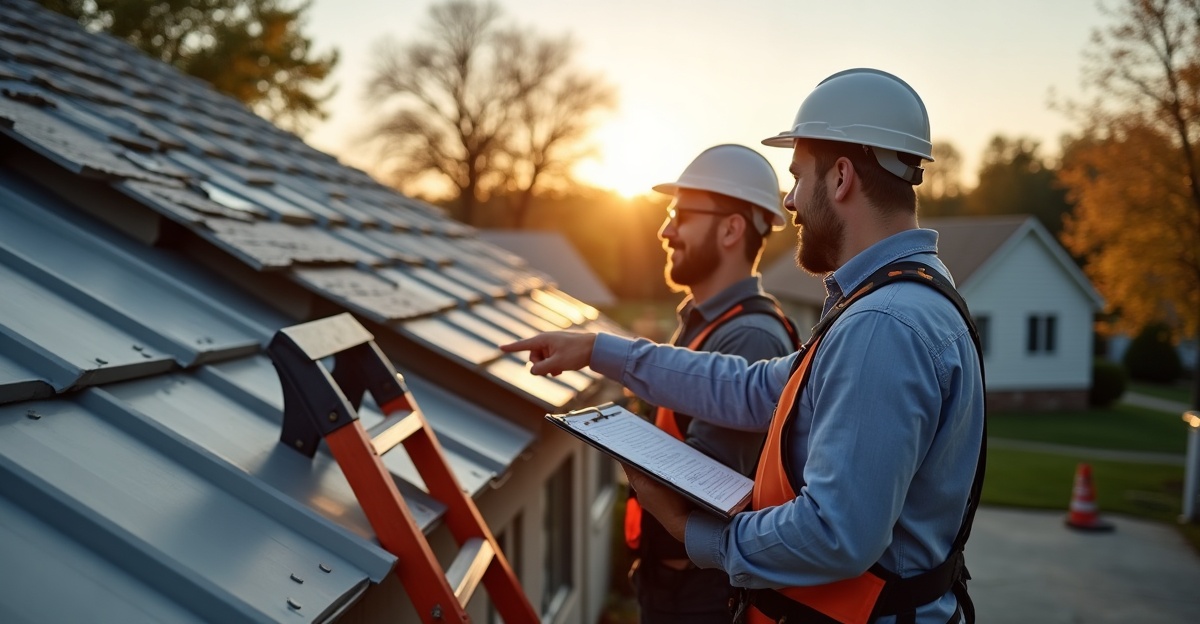
If we’re calculating how much metal roofing costs, we can expect metal roof installation cost to range from $8–$16 per square foot for standard residential systems, $14–$20+ for premium options, and $7–$15 for most commercial applications. Final pricing depends on material type, roof complexity, insulation requirements, building codes, and whether we’re budgeting for a 1,500 sq ft home or a 20,000 sq ft commercial facility.
Key Takeaways
- Residential metal roof square foot cost typically ranges from $8–$16 installed, while premium systems can reach $14–$20+ per square foot.
- Commercial metal roofs often range from $7–$15 per square foot, but total cost increases with building size and insulation systems.
- Roof complexity, tear-off needs, structural repairs, permits, and warranty requirements all impact final pricing.
- Metal costs more upfront than asphalt shingles or some commercial membranes, but it often delivers 40–70+ years of service life.
- A clear, line-item estimate should include materials, labor, insulation, disposal, permits, and warranty details to avoid surprise costs.
We base these ranges on real-world residential and commercial projects across various markets. The cost of metal roofing materials drives much of the pricing variation. Steel panels cost less than aluminum, copper, or zinc. Standing seam systems usually cost more than exposed-fastener panels due to added labor and concealed clip systems.
Roof design also plays a major role. Steep slopes slow installation. Valleys, dormers, skylights, and penetrations increase labor time. Complex layouts require more cutting and flashing, which raises both material waste and labor hours.
Tear-off work affects the budget as well. Removing old shingles or membranes adds disposal and labor costs. Structural repairs increase pricing if decking shows rot or damage. We always recommend factoring in a contingency for hidden issues, especially with older buildings.
Commercial projects introduce different cost drivers. Large footprints reduce price per square foot, yet insulation packages, tapered systems, and code-driven requirements often raise total investment. Energy codes may require specific R-values or continuous insulation layers.
Warranty coverage influences pricing, too. Extended weather-tight warranties often require certified installers and approved assemblies. Those steps raise upfront cost but protect long-term performance.
Metal roofing demands a higher initial investment than asphalt shingles or some single-ply membranes. Long service life changes the value equation. Many systems last 40–70+ years with proper installation and maintenance. Fewer replacements mean lower lifetime cost per year.
We always encourage reviewing a detailed metal roofing cost estimate before signing a contract. That document should list panel type, gauge, coating system, underlayment, insulation, trim, fasteners, labor, tear-off, disposal, permits, and warranty coverage. Clear documentation protects the budget and sets realistic expectations from day one.
What You Can Expect to Pay for a Metal Roof
Metal roofing is a premium system, and pricing reflects that. When clients ask us how much does metal roofing cost, we give clear installed ranges so they can budget with confidence.
Here’s what you can expect per square foot installed:
- Residential (standard steel or galvalume): $8–$16 per square foot
- Premium residential (standing seam aluminum, high-end finishes): $14–$20+ per square foot
- Commercial (R-panel, standing seam, structural systems): $7–$15 per square foot
These are typical installed ranges, not guarantees. Final pricing depends on material choice, labor market, building code requirements, and project complexity across the 17 states we serve.
To put that into real numbers:
- While a 1,500 sq ft home typically costs $12,000–$24,000, the cost of metal roof for 1000 sq ft generally falls between $8,000–$16,000
- 2,000 sq ft home: $16,000–$32,000
- If you’re wondering how much does it cost to put a metal roof on a 3,000 sq ft house, a typical installed range is $24,000–$48,000+, depending on material, roof design, and local labor costs
- 20,000 sq ft commercial facility: $140,000–$300,000+ depending on scope and insulation system
If you’re planning a replacement, comparing materials, or preparing to request quotes, these ranges provide a realistic metal roof replacement cost budget. For deeper detail, review our metal roof cost guide and our breakdown of roof cost per square foot to see how systems and materials affect pricing.
Residential vs. Commercial Metal Roof Costs: What’s the Difference?
Residential and commercial properties use similar materials, but the way they’re engineered and installed changes the cost.
Key Cost Differences Explained
Residential projects usually cost more per square foot. Homes have steeper slopes, valleys, dormers, skylights, and architectural details. Each transition requires precision flashing and more labor time.
Most common residential systems include:
- Standing seam (concealed fastener)
- Exposed fastener panels
On the commercial side, projects often cost less per square foot because of scale. Large roof spans allow faster installation and bulk purchasing. However, total project cost is much higher due to size.
Commercial systems typically include:
- R-panel
- Standing seam
- Structural metal systems engineered for wind uplift and code compliance
Here’s what really drives the cost difference:
- Scale and purchasing volume. Larger buildings reduce material waste and improve production speed.
- Building code requirements. Wind ratings, snow loads, and coastal corrosion zones can significantly affect system design.
- Insulation systems. Commercial roofs may require rigid board, batt insulation, or multiple ISO layers to meet energy codes.
- Drainage and penetrations. HVAC units, curbs, vents, and internal drains complicate layout and waterproofing.
- Warranty structure. Commercial clients often require manufacturer weathertightness warranties in addition to material coverage.
For commercial decision-makers, the conversation centers on ROI, compliance, and long-term reliability. A properly specified metal system can perform for decades with predictable maintenance.
For homeowners, the focus is durability, storm resistance, and peace of mind. We plan residential installs to minimize disruption and keep families safe during the process.
What Drives the Cost Up or Down
Saying “metal roof” is like saying “vehicle.” The type and features matter.
Material type affects pricing significantly, including tin roof cost, steel, aluminum, and copper options:
- Steel roof cost is typically the most affordable among common metal roofing materials.
- Galvalume adds corrosion-resistant coating at a moderate increase.
- Aluminum roof cost is higher than steel, but it performs exceptionally well in coastal environments.
- Copper sits at the top end and carries a premium price.
Panel system changes both material and labor cost:
- Standing seam panels use concealed fasteners. They cost more upfront but offer superior longevity and weather resistance.
- Corrugated metal roof cost is generally lower because exposed-fastener systems cost less initially, though they may require more maintenance over time.
Roof complexity is one of the biggest factors affecting metal roof labor cost. Steep slopes require additional safety setup. Multiple valleys and ridgelines increase flashing detail. Chimneys, skylights, and solar integrations add labor.
Other cost drivers include:
- Tear-off and disposal of existing roofing.
- Structural reinforcement if decking needs repair or load capacity upgrades.
- Underlayment and insulation improvements.
- Coatings and finishes such as premium Kynar/PVDF versus SMP finishes.
- Permits and inspections, which vary by municipality.
- Accessibility challenges like tight lots or height restrictions.
- Warranty level, especially extended weathertightness warranties.
Avoid vague averages. Always review what’s included. The number alone doesn’t tell the full story.
Metal Roof vs. Asphalt (Residential) or TPO (Commercial): Upfront Cost vs. 30–50 Year Value
Many property owners researching metal shingle roof cost are really comparing it to asphalt shingles or standing seam systems.
For homes:
- Asphalt shingles: $4–$8 per square foot installed
- Metal roofing: $8–$16 per square foot installed
- Shingles typically last: 15–30 years
- Metal roofs often last: 40–70+ years depending on material and maintenance
Upfront, metal costs more. Long term, the equation shifts. Fewer replacements. Less frequent maintenance. Better durability in high wind and impact conditions.
We break this down further in our guide to metal roof vs asphalt shingles.
On the commercial side, TPO often has a lower initial cost than metal. That matters for short hold periods or tight capital budgets. Metal systems, however, deliver longer service life and strong resistance to wind and snow loads.
Energy efficiency can play a role, especially with reflective finishes. Still, we don’t recommend making the decision on assumed savings alone. The smarter approach is lifecycle costing. Compare installation, maintenance cycles, expected service life, and operational reliability.
When evaluating how much does it cost for metal roofing, focus on long-term value, not just day one expense.
What’s Included in a Typical Metal Roofing Estimate (So You Don’t Get Surprised)
Clear estimates prevent frustration and change orders. A complete proposal should spell out exactly what you’re paying for.
A typical metal roofing estimate includes:
- Panels, trim, fasteners, and flashing
- Underlayment or vapor barrier
- Insulation if part of the system
- Labor and installation
- Safety equipment and setup
- Tear-off and disposal if required
- Permits and inspections
- Cleanup and site restoration
- Manufacturer and workmanship warranty documentation
Unrealistically low bids often leave out critical items like insulation upgrades, compliance requirements, or disposal costs. That savings disappears quickly once work begins.
If you’re unsure about your roof’s condition or budget range, schedule a consultation through our contact page. We’ll assess your property and provide clear, line-item pricing.
If replacement is required, learn more about our roof replacement services and how we structure projects for long-term performance.
Frequently Asked Questions About Metal Roofing Costs
How much does metal roofing cost per square foot installed?
Metal roof cost per square foot installed for residential systems typically ranges from $8–$16. Premium residential systems can reach $14–$20+ per square foot. Commercial metal roof cost generally falls between $7–$15 per square foot, depending on design and insulation, depending on design and insulation.
Is metal roofing more expensive than shingles?
Yes, upfront. However, metal typically lasts much longer and requires less frequent replacement. Over time, lifecycle cost may be lower.
How long does a metal roof last?
Most systems last 40–70+ years depending on material, environment, and maintenance.
Is metal roofing worth the investment?
That depends on how long we plan to keep the property, our climate exposure, and budget priorities. For long-term ownership, it often makes financial sense.
Does insurance cover metal roof replacement?
Insurance typically covers replacement if damage results from a covered event like hail or a storm. Age-related wear usually isn’t covered.
Costs vary based on labor markets, coastal requirements, wind ratings, snow loads, and permit differences across regions. The only reliable way to know your exact price is with a property-specific evaluation. Schedule an inspection with our team, and we’ll provide transparent pricing built around your building—not just a national average.