How much does it cost to repair a roof leak?
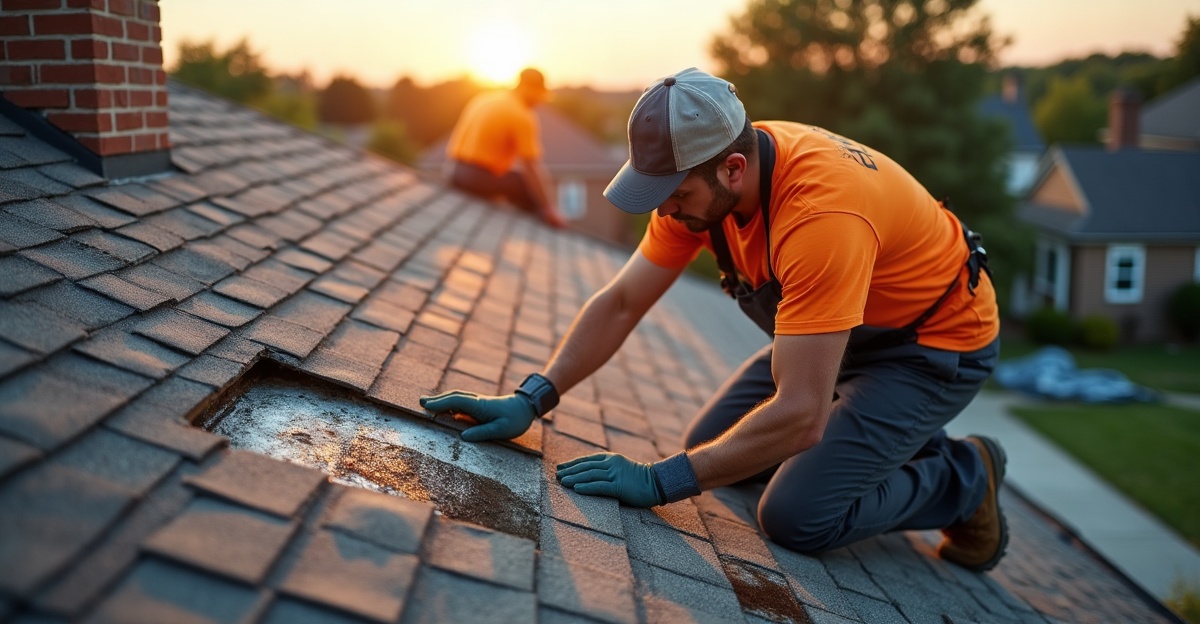
We see roof leak repair costs in 2026 range from a few hundred dollars for minor fixes to $20,000 or more for major commercial projects with saturated insulation and structural damage. Final pricing depends on the leak’s source, roof type, material system, level of water intrusion, site access, and whether we’re working on a home or a large commercial building.
Key Takeaways
- Residential roof leak repairs typically range from $250 to $3,500+, while commercial repairs range from $500 to $20,000+ depending on scope.
- Primary cost drivers include the leak source, roofing material, severity of water damage, and regional labor rates.
- Flat and commercial roofs often cost more due to wet insulation removal, safety requirements, and documentation standards.
- Hidden damage such as saturated decking, mold growth, or drainage failures can quickly raise repair costs.
- A professional inspection with a written scope, moisture detection, and clear warranty terms gives us the only reliable way to determine accurate pricing.
Real Roof Leak Repair Costs in 2026: What You Can Expect to Pay
Understanding how much it costs to repair a roof leak starts with real-world numbers. Prices vary widely, but national roof repair cost data shows similar pricing trends, although actual costs vary based on roof type, damage severity, and local labor rates. Here’s what we typically see across residential and commercial projects in 2026.
Residential roof leak repair:
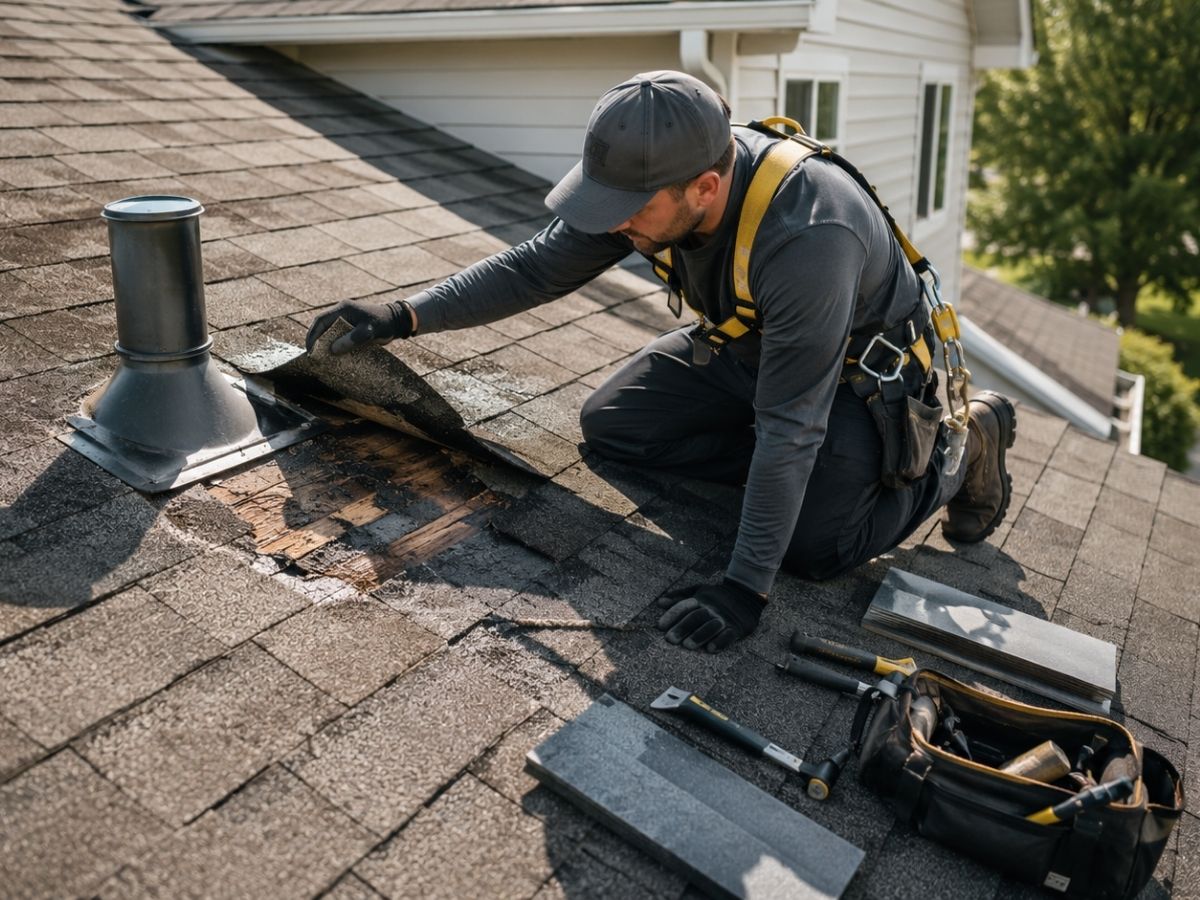
- Minor repair (isolated shingle, small flashing issue): $250–$750
- Moderate repair (multiple shingles, vent boot replacement, small decking section): $750–$1,500
- Major repair (extensive water intrusion, partial section rebuild): $1,500–$3,500+
Commercial roof leak repair:
- Minor repair (membrane patch, seam repair on TPO/EPDM): $500–$1,500
- Moderate repair (larger membrane section, flashing detail, drainage correction): $1,500–$5,000
- Major repair (wet insulation removal, substrate replacement, large membrane tie-in): $5,000–$20,000+
Those ranges aren’t arbitrary. How much it costs to repair a leaky roof depends on:
- The cause of the leak
- Roof type and material
- Severity of water damage
- Ease of access and safety requirements
- Regional labor rates across the 17 states we serve
A single “national average” without context often leads to surprise costs. A small shingle fix might be a few hundred dollars. A commercial roof with soaked insulation beneath the membrane can run into five figures.
An active leak should be repaired quickly. Water spreads fast. It can damage insulation, decking, ceilings, and even structural framing if left unchecked, according to EPA guidance on moisture and mold. Acting early usually keeps the scope — and the bill — manageable.
Roof Leak Repair Cost by Cause: What’s Actually Driving the Price
The source of the leak is the biggest cost driver. We always start by identifying the root cause rather than patching symptoms.
Common repair ranges include:
- Asphalt shingle damage (wind-lifted or missing shingles): $300–$1,200
- Flashing failure around chimney or wall transitions: $400–$1,500
- Pipe boot deterioration: $300–$800
- Skylight leak repair or re-flashing: $500–$2,000
- Metal roof seam or fastener failure: $500–$2,500
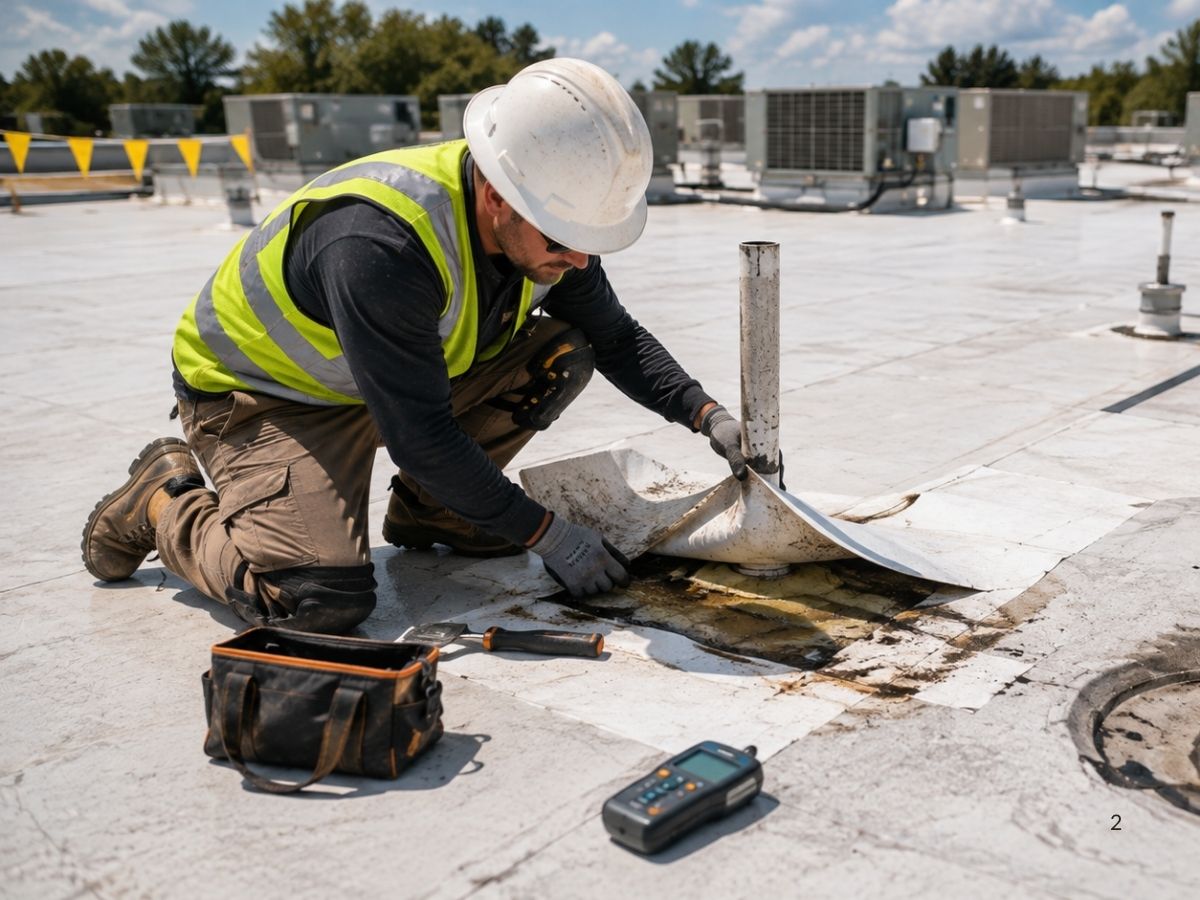
- TPO/PVC membrane puncture: $500–$1,500
- EPDM seam failure: $800–$2,500
- Modified bitumen blistering or split: $800–$3,000
- Flat roof pooling correction (minor slope or drainage adjustment): $1,000–$5,000+
On homes, deteriorated pipe boots are one of the most common culprits. Rubber cracks under UV exposure, and water follows the pipe into the attic. The fix is usually straightforward if caught early.
On commercial buildings, rooftop traffic often causes punctures in TPO or PVC membranes. Equipment installations are another frequent issue. A simple patch might solve it — unless water has migrated beneath the surface. For more on how these systems are repaired, see our breakdown of single-membrane roof repair.
Drainage problems can push costs higher. Flat roofs that hold water may need adjustments beyond a basic patch. We’ve outlined common causes in our guide on flat roof drainage problems and fixes.
If insulation, decking, or structural components are compromised, costs increase. Wet materials must be removed and replaced. Skipping that step leads to repeat leaks and mold risk.
Roof Type Matters: Cost Differences by Roofing System
Roofing material directly affects how much it costs to repair a roof leak. Some systems are simple and widely available. Others require specialized labor and matching materials.
Asphalt shingles are the most common residential system. Repairs are often the most affordable because materials are easy to source and crews are familiar with installation methods.
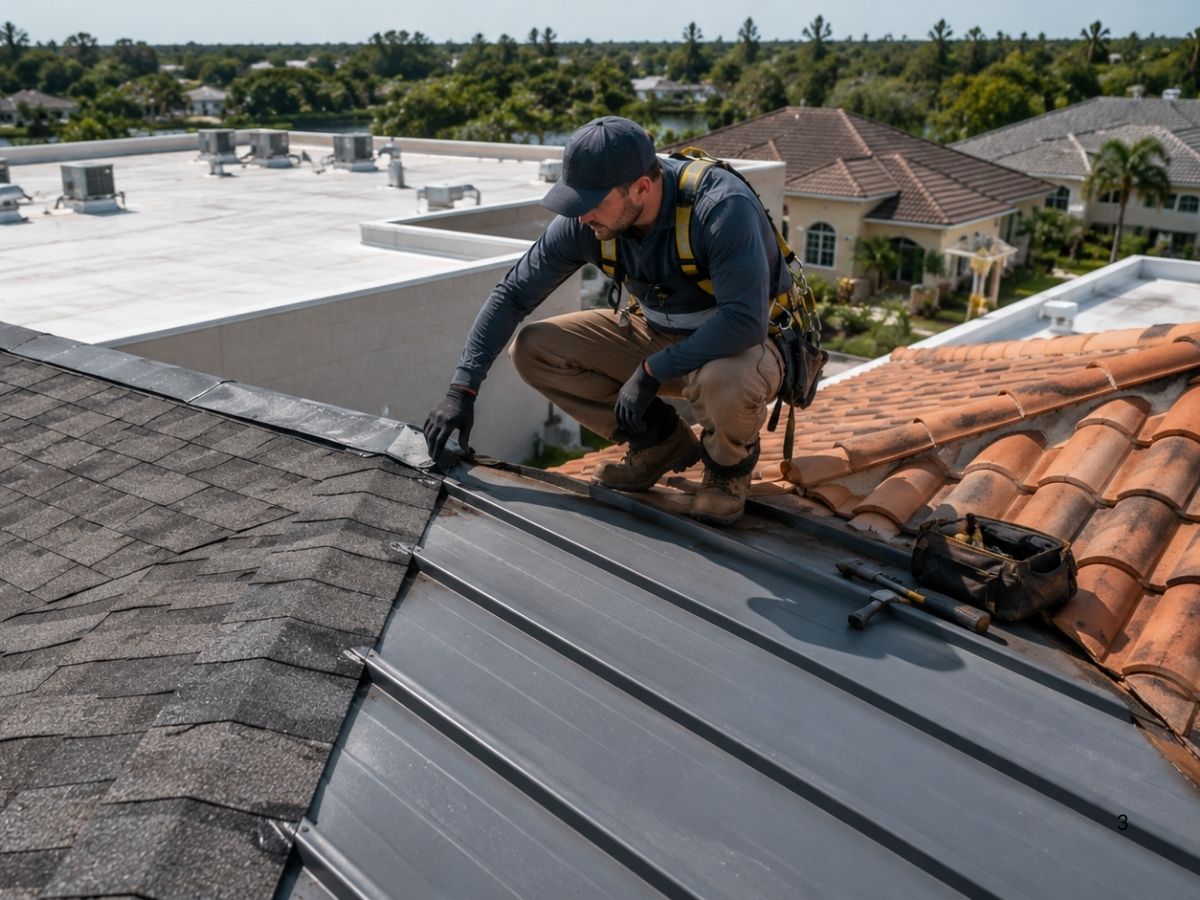
Metal roofing requires precision. Matching panel profiles and finishes can add cost. Repairs often land between moderate and higher price ranges due to labor detail.
Tile roofing — clay or concrete — demands careful handling. Tiles are fragile, and underlayment condition matters just as much as the visible break. Expect $700–$3,000+ depending on scope.
Slate roofing sits at the premium end. Repairs often range from $1,000–$3,500+ because materials and craftsmanship are specialized.
Commercial systems vary widely:
- TPO and PVC: Heat-welded single-ply membranes requiring proper equipment and trained crews.
- EPDM: Adhesive seams that must be restored correctly to prevent recurring leaks.
- Modified bitumen: Torch-applied or cold-adhered systems where safety protocols and surface prep affect labor.
We break down system-level considerations in our guide on modified bitumen roofing cost.
Warranties also come into play. Some manufacturers require certified contractors and documented repair procedures. Cutting corners can void coverage. That’s another reason the question “how much does it cost to repair a leak in the roof” doesn’t have a one-size answer.
If age and widespread wear suggest larger issues, compare repair pricing with full system costs using resources like roof cost per square foot estimates.
Residential vs. Commercial Roof Leak Repair: What Changes
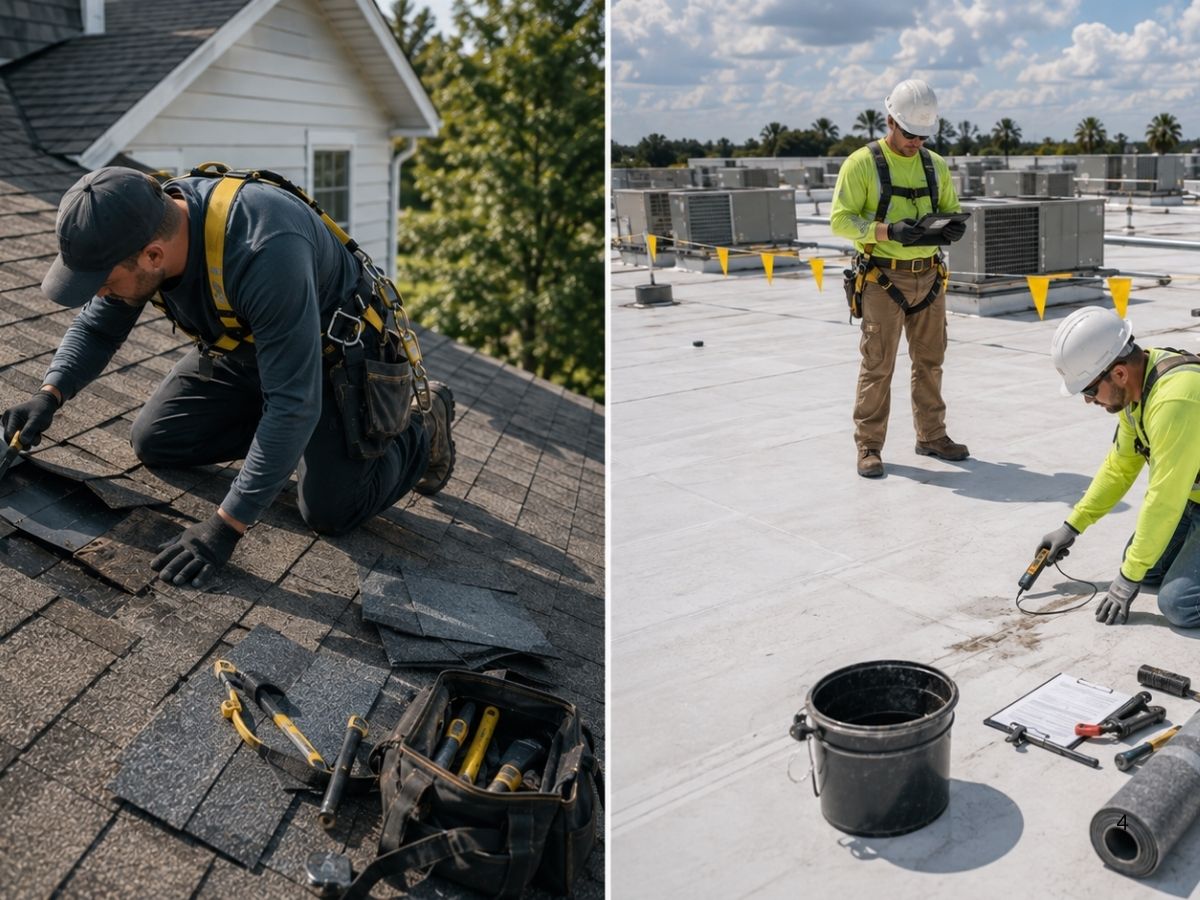
Residential projects focus on safety and peace of mind. We’re protecting families, personal property, and living spaces. Typical homes involve smaller square footage and easier access, which usually keeps costs lower.
Commercial projects focus on uptime, documentation, and long-term asset value. The roof protects inventory, operations, and compliance exposure.
Key commercial cost drivers include:
- Larger roof areas
- Wet insulation replacement requirements
- Core cuts and moisture scans
- OSHA fall protection requirements can increase labor and setup costs on commercial roofing projects
- After-hours scheduling to avoid business disruption
Multi-property owners often require photo documentation, written condition reports, and warranty tracking. That adds coordination time but protects investment value.
We handle both residential homes and large-scale commercial roofing systems. The scope changes, but the goal stays the same: stop the leak at its source and prevent it from coming back.
What Can Increase the Cost (and Turn a Repair Into a Bigger Project)
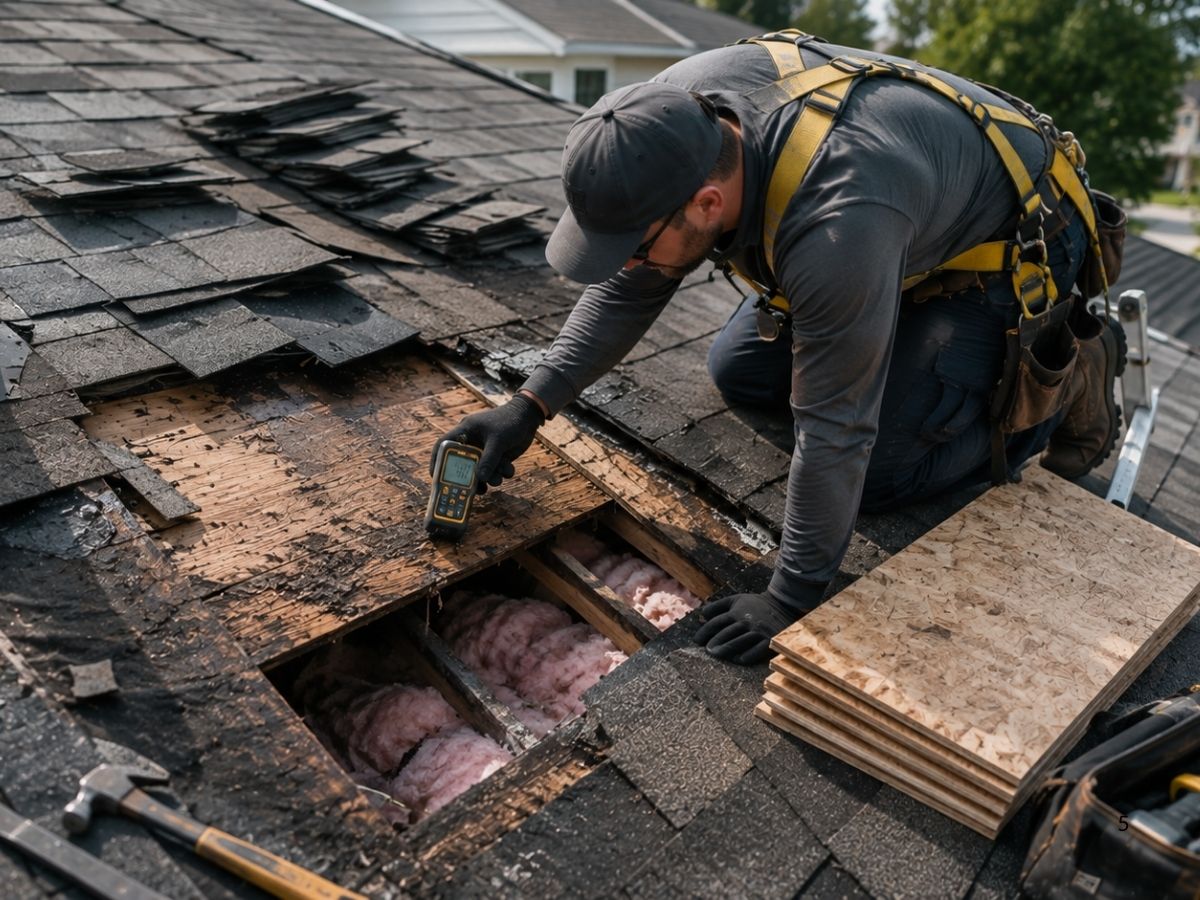
Some leaks look minor from the outside. Once we open the roof system, the real damage becomes visible.
Water-damaged decking replacement typically runs $70–$100 per sheet installed, depending on region. On commercial roofs, saturated insulation removal and replacement significantly increases scope and cost, especially with thicker systems.
Other factors that raise pricing include:
- Mold remediation or interior drywall and ceiling repairs
- Code-required upgrades during repair
- Limited accessibility on steep slopes or multi-story structures
Certain warning signs suggest a repair could turn into partial or full replacement:
- Repeated leaks in multiple areas
- Widespread shingle granule loss or brittle membranes
- Roof age near end of service life (20–30 years for shingles; 20–25 years for many single-ply systems)
Early inspections help avoid hidden costs. Professional moisture detection is especially important for flat roofs. Many surface issues trace back to deeper concerns, as outlined in flat roof problems every owner should know.
Clear documentation matters. Always ask for written scope details and photo evidence so there’s no confusion about what’s included.
What’s Included in a Professional Roof Leak Estimate
Transparent estimates prevent surprises. Here’s what should be included for clarity from day one.
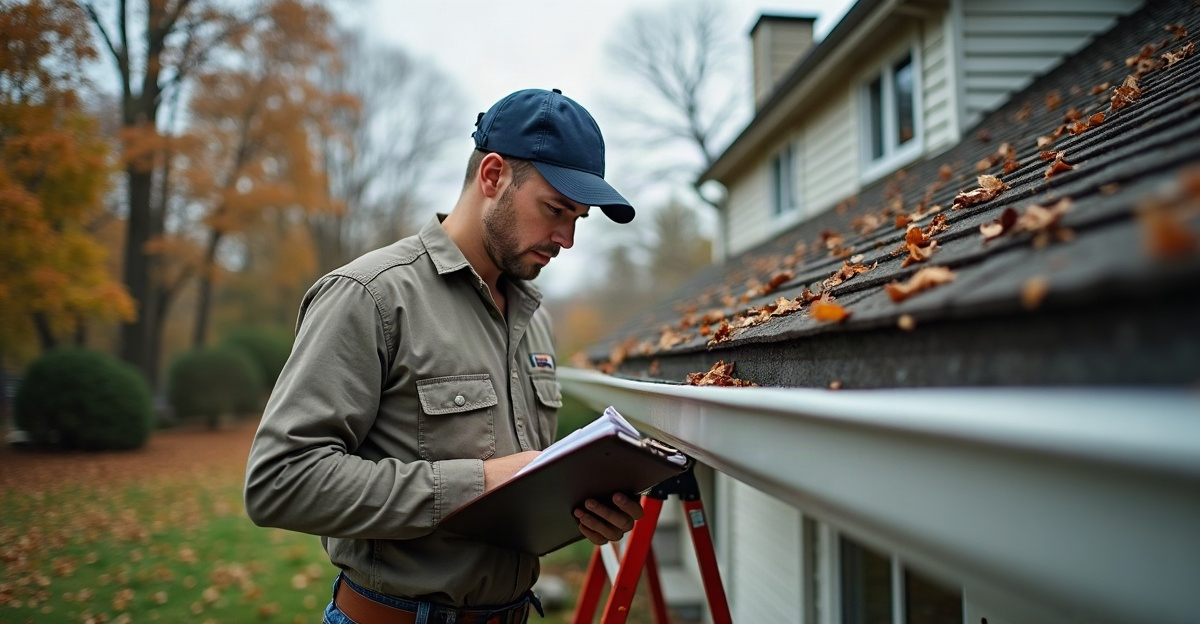
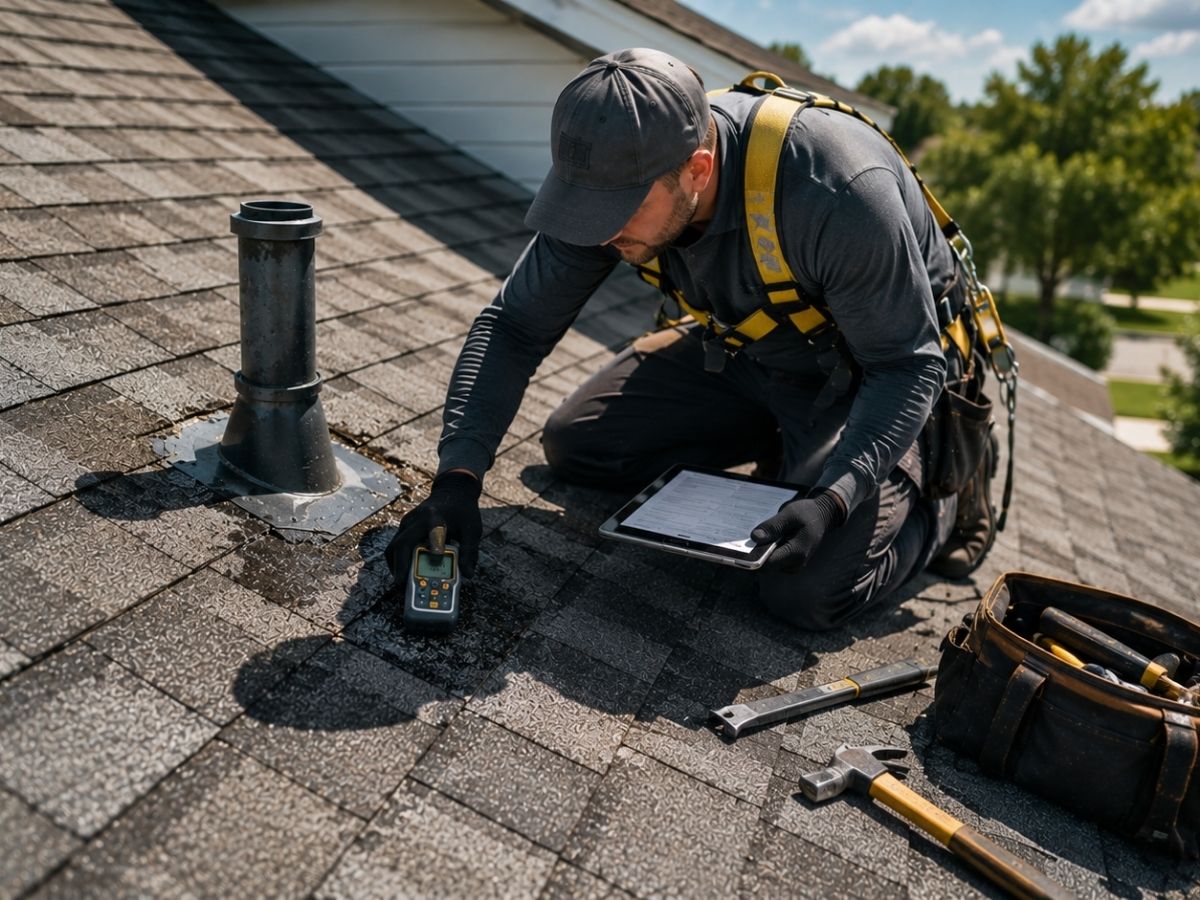
A thorough inspection comes first. That means reviewing the exterior roofing surface, flashing details, and penetrations. For homes, the attic should be inspected. For commercial buildings, insulation core samples may be performed.
Moisture scans are completed where needed using infrared or meter testing. This step identifies trapped water that isn’t visible from the top.
A complete estimate should include:
- A written scope of work with defined material specifications
- Clear line items for labor, safety setup, disposal, and cleanup
- Timeline expectations and potential disruption notes
- Workmanship and material warranty details
- Proof of licensing, insurance, and code compliance
If storm damage contributed to the issue, our storm damage repair services address both emergency fixes and long-term solutions.
For day-to-day leaks or aging materials, our professional roof repair team evaluates whether a targeted repair makes sense or if a broader solution saves money over time.
Every roof is different. The only accurate way to determine how much it costs to repair a leak in the roof is through a detailed inspection. Schedule an evaluation and request a written quote so there’s complete clarity about cost, scope, and next steps.
Frequently Asked Questions
What factors affect the cost of repairing a roof leak?
Several factors influence roof leak repair costs, including the source of the leak, roof material, roof pitch, accessibility, labor rates, and the extent of water damage. A leak caused by damaged flashing may cost far less to repair than one involving structural decking damage. Scheduling a professional roof inspection is the best way to receive an accurate estimate.
Does homeowners insurance cover roof leak repairs?
Sometimes. Homeowners insurance typically covers roof leaks caused by sudden events such as storms, wind damage, or fallen trees. Leaks resulting from age, wear and tear, or lack of maintenance are usually not covered. Review your policy carefully and document any damage before filing a claim.
How much does emergency roof leak repair cost?
Emergency roof leak repairs generally cost more than standard repairs because they often require immediate service, temporary tarping, or after-hours labor. The final cost depends on the severity of the leak and weather conditions. Acting quickly can prevent more expensive interior water damage and structural issues.
Is it cheaper to repair a roof leak or replace the roof?
Repairing a roof leak is usually more affordable when the damage is isolated to a specific area. However, if the roof is nearing the end of its lifespan or has multiple recurring leaks, replacement may provide better long-term value. A roofing professional can help determine the most cost-effective option.
How long does it take to repair a roof leak?
Most minor roof leak repairs can be completed within a few hours. More complex repairs involving flashing, skylights, chimneys, or structural components may take one to two days. The repair timeline depends on weather conditions, material availability, and the extent of the damage.
Can a small roof leak become a major problem?
Yes. Even a small leak can allow moisture to enter the roof system, leading to mold growth, damaged insulation, rotting wood, and interior water damage. Addressing a leak early is typically much less expensive than repairing the extensive damage caused by long-term water intrusion.
Do different roofing materials affect repair costs?
Yes. Repair costs vary based on the roofing material. Asphalt shingles are often less expensive to repair, while metal, tile, slate, and specialty roofing systems generally require specialized materials and labor. The availability of matching materials can also influence the final repair price.
What are the most common causes of roof leaks?
Common causes include damaged shingles, deteriorated flashing, clogged gutters, cracked vent boots, skylight failures, chimney issues, and storm damage. Identifying the exact source of the leak is essential because water often travels before becoming visible inside the home.
Should I repair a roof leak myself?
DIY repairs may work for very minor issues such as replacing a few shingles or clearing clogged gutters. However, most roof leaks require professional diagnosis because the visible leak location may not be the actual source. Professional repairs help ensure the underlying problem is fully resolved.
How can I prevent future roof leaks?
Regular roof inspections, gutter cleaning, flashing maintenance, and prompt repairs can significantly reduce the risk of leaks. Homeowners should inspect their roofs after major storms and address small issues before they become costly repairs. Preventive maintenance is often far less expensive than emergency repairs.