Does aluminum roof coating stop leaks?
Property owners often ask if aluminum roof coating stops leaks, especially after they notice minor damage or persistent drips. The answer depends on the roof’s condition. We use aluminum coating to seal small surface cracks and fastener penetrations on a dry, structurally sound system. However, we don’t rely on it to fix saturated insulation, failed flashing, separated seams, or deeper structural damage.
Key Takeaways
- Aluminum roof coating can stop minor leaks if we apply it over a dry, stable roof that we’ve repaired in advance.
- We use it as a protective, reflective surface layer rather than a structural repair solution.
- It won’t correct leaks caused by saturated insulation, deteriorated decking, rusted metal panels, or widespread flashing failure.
- Proper surface preparation and targeted repairs determine whether the coating performs well or fails within a single season.
- We evaluate every leaking roof to decide whether a short-term patch, a full restoration plan, or a replacement offers the strongest financial and structural outcome.
Aluminum roof coating will sometimes stop leaks, but only under the right conditions. It works as a protective, reflective layer. It doesn’t rebuild a failing roof system, as roof coatings are intended to protect existing roofing assemblies rather than replace structural repairs.
So does aluminum roof coating stop leaks? Yes, if the roof is fundamentally sound and the problem is minor and surface-level. No, if the leak comes from structural failure, wet insulation, or widespread seam breakdown.
We see this mistake all the time. Someone asks, “Does roof coating stop leaks?” and assumes it’s a cure-all. In reality, coating is a surface treatment. It can seal small cracks and protect aging asphalt, but it can’t fix deteriorated decking, failed flashing, or trapped moisture.
There’s a difference between active leaks, minor seepage, and systemic roof failure:
- Minor seepage may come from hairline cracks or small fastener penetrations.
- Active leaks often trace back to flashing, seams, or penetrations.
- Systemic failure involves wet insulation, membrane shrinkage, or structural movement.
Does aluminum coating stop leaks in every one of those cases? No. When coating is applied over open seams or wet substrates, the leaks usually reopen within a season. We’ve replaced plenty of roofs where coating was used as a shortcut instead of part of a real repair plan.
Aluminum coatings work best when paired with proper prep and targeted repairs. They fail when used to hide major damage.
How Aluminum (and Fibered Aluminum) Roof Coatings Actually Work
Aluminum roof coating is typically asphalt-based and infused with aluminum flakes that reflect UV radiation and protect asphalt roofing systems. Those flakes reflect UV rays and reduce roof surface temperatures, helping slow weather-related aging. That slows aging and protects asphalt-based systems from drying out and cracking.
Fibered aluminum roof coating includes reinforcing fibers. Those fibers add thickness and durability, but they still don’t create structural strength. So if anyone asks, “Does fibered aluminum roof coating stop leaks?” the answer is the same: sometimes, in limited scenarios.
Here’s what aluminum coatings are built to do:
- Reflect heat and lower roof surface temperature.
- Slow UV degradation.
- Protect modified bitumen and built-up roofs from aging.
- Provide light surface sealing over small cracks.
Here’s what they cannot do:
- Repair deteriorated decking.
- Replace damaged flashing or failed seams.
- Remove trapped moisture.
- Correct membrane shrinkage or structural movement.
Preparation makes or breaks performance. We clean the surface, allow it to dry fully, repair seams, tighten fasteners, and address flashing details before applying any coating. Skip that work and the coating will fail, no matter what the label promises.
Performance also depends on roof type.
On metal roofs, aluminum coating often protects against surface rust and seals small fastener penetrations. On modified bitumen and built-up roofing (BUR), it adds UV protection and slows wear, but it won’t fix blisters or saturated insulation. On flat commercial roofs, success depends heavily on substrate condition and drainage. If ponding water is present, coating alone won’t solve the issue. You can read more about common issues in these flat roof problems.
Coating protects. It doesn’t rebuild.
When Aluminum Coating Can Stop Minor Leaks
Aluminum coating works best when the leak source is small, isolated, and limited to the surface.
We’ve seen success in situations like:
- Hairline cracks on aging asphaltic roofs.
- Small fastener penetrations on metal panels.
- Seams reinforced and sealed before coating.
- Light surface oxidation on metal roofs.
In those cases, the coating acts as an added sealant layer after proper repair. It’s not a standalone fix. First, we address the defect. Then the coating protects the repair and surrounding surface.
For homeowners, this can provide short-term peace of mind on a garage roof, porch roof, or aging but stable system. If the structure is dry and intact, coating can extend life and reduce heat gain.
For commercial properties, coating can be part of a structured maintenance strategy. It may extend service life on a sound low-slope or flat roof when used alongside scheduled inspections and targeted repair work. That’s where return on investment becomes real. Extending a roof’s life by several years can offset capital replacement costs and minimize disruption.
If you’re exploring protective options, it helps to understand the broader roof coating benefits before deciding.
In these limited scenarios, does roof coating stop leaks? It can, as long as the substrate is dry, the insulation isn’t saturated, and the system is structurally sound.
When Aluminum Coating Will Not Stop Leaks
There are clear situations where coating will not solve the problem.
It’s ineffective when:
- Insulation beneath the membrane is wet.
- The roof has widespread seam failure.
- Decking shifts or sags.
- Flashing at penetrations is deteriorated.
- Metal panels have rusted through.
- Ponding water causes recurring infiltration.
Coating sits on the surface. It must bond to a stable, dry base. If moisture is trapped underneath, the coating may blister, peel, or crack. The leak continues below the surface.
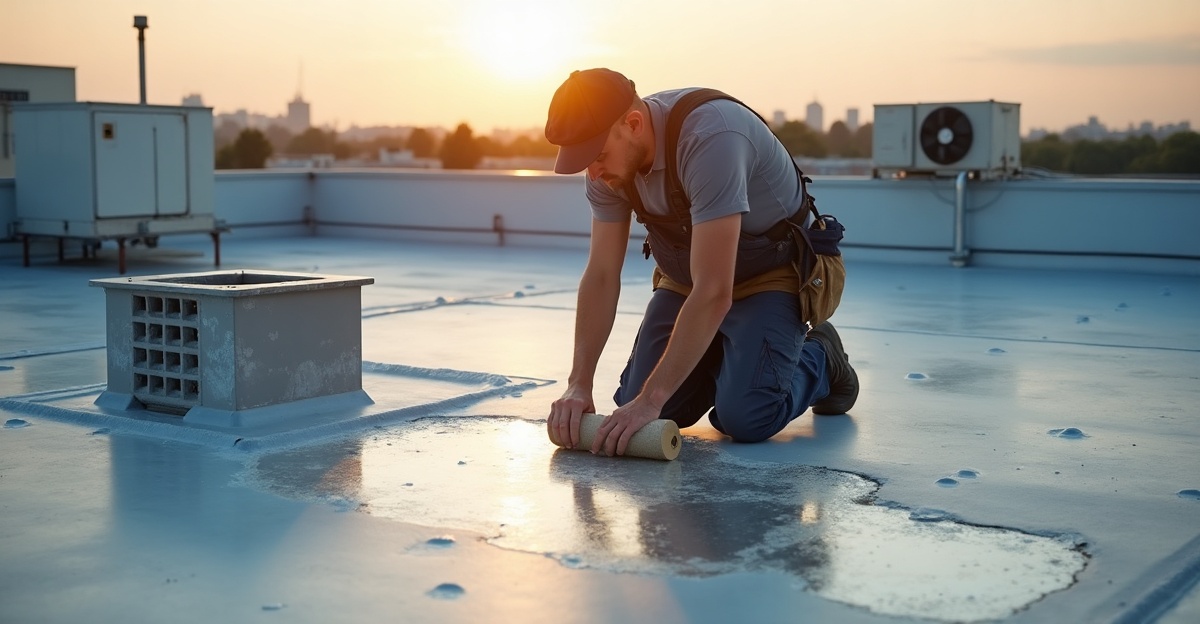
One common mistake we see is coating over active leaks without tracing the moisture path. For example, we’ve inspected commercial buildings where the entire roof was coated to “solve” interior leaks. The real issue was flashing failure around HVAC curbs. The water kept entering where the coating couldn’t address the underlying gap. Within months, the leaks came back.
Metal roofs with rust-through panels present another limit. Aluminum coating can slow oxidation, but it can’t restore metal that has perforated. At that point, panel replacement or broader repair is required.
Overselling coating as a universal fix leads to higher long-term costs. Repeated coating over a failing system traps moisture and can accelerate deterioration. In those cases, a proper roof repair or system upgrade makes far more sense than another surface application.
Temporary Patch vs. Restoration Strategy vs. Replacement
Every leaking roof falls into one of three paths: temporary surface fix, restoration strategy, or full replacement.
A temporary fix usually means coating applied with little or no repair work. That’s a short-lived solution.
A restoration strategy includes inspection, moisture detection, targeted seam and flashing repair, fastening corrections, and then coating. In that context, coating becomes a protective layer over a stabilized system.
Replacement is necessary when structural components, insulation, or large sections of membrane have failed.
For commercial buildings, this is about long-term reliability and compliance. Frequent recurring patches increase operational risk. Water intrusion can affect inventory, equipment, and tenant spaces. A proper restoration or replacement plan protects capital investments and reduces disruption.
For homeowners, the focus is different but just as important. Repeated minor leaks create stress and emergency expenses. Understanding the potential cost to repair a roof leak helps weigh whether a strategic fix or system upgrade is the better move.
Before coating, we recommend a full inspection and moisture assessment. On commercial roofs, that may include core cuts or moisture scans. Applying coating over a compromised system can trap moisture and speed up failure.
How to Know If Your Roof Is a Good Candidate for Coating
Some roofs are strong candidates for aluminum coating. Others aren’t.
A roof may qualify if:
- It’s aging but structurally sound.
- Leaks are minor and isolated.
- Insulation is dry.
- Seams and flashing can be repaired first.
A roof likely needs repair or replacement if:
- Multiple interior leak points appear across different areas.
- Decking sags or feels soft underfoot.
- Leaks return repeatedly after patching.
- Large seams are separating.
- Metal panels show rust perforation.
Due diligence matters. We recommend a professional inspection before investing in any coating system. That step protects your budget and prevents false confidence.
If you’re unsure whether aluminum coating will truly solve the leak, start with an honest assessment. Whether it’s a residential home or a commercial facility, we focus on long-term performance instead of quick surface fixes. You can connect with our team through our contact page to schedule an evaluation and get clear answers about the right next step for your roof.
Frequently Asked Questions
What types of roof leaks can aluminum roof coating help prevent?
Aluminum roof coating can help prevent minor leaks caused by small cracks, weathering, and surface deterioration. It creates a reflective protective layer that improves water resistance. However, it is not designed to repair major leaks caused by damaged flashing, open seams, structural issues, or deteriorated roofing materials. A roof inspection should be completed before applying any coating.
Can aluminum roof coating be applied over an existing leak?
No, aluminum roof coating should not be applied over an active leak without first addressing the source of the problem. Coatings may temporarily cover small imperfections, but water intrusion from damaged seams, flashing, or roof penetrations will usually continue. Repairs should be completed before coating application for long-term performance.
How long does aluminum roof coating last?
Most aluminum roof coatings can last between 3 and 10 years depending on roof condition, climate, product quality, and maintenance. Regular inspections and timely recoating can help extend performance. The lifespan is typically shorter if the roof experiences ponding water, severe weather exposure, or poor surface preparation before application.
Is aluminum roof coating suitable for all roof types?
No, aluminum roof coatings are most commonly used on metal roofs, modified bitumen roofs, and certain low-slope roofing systems. They may not be appropriate for every roofing material. The roof substrate, age, and existing condition should be evaluated to determine compatibility before installation.
What is the difference between aluminum roof coating and silicone roof coating?
Aluminum roof coating primarily provides UV protection, reflectivity, and added moisture resistance. Silicone roof coating offers stronger waterproofing performance and better resistance to ponding water. Property owners dealing with persistent moisture issues may find silicone coatings more effective, while aluminum coatings are often chosen for their reflective and cost-saving benefits.
Does aluminum roof coating help reduce energy costs?
Yes, aluminum roof coatings are highly reflective and can help reduce roof surface temperatures by reflecting sunlight away from the building. Lower heat absorption may reduce cooling demands during warmer months. Energy savings vary based on building design, insulation levels, climate, and roof condition.
What roof preparation is required before applying aluminum coating?
The roof should be thoroughly cleaned, dried, and inspected before coating application. Loose debris, dirt, rust, and damaged roofing components should be addressed first. Any leaks, cracks, or flashing issues should be repaired to ensure proper adhesion and maximize the coating’s effectiveness.
How can you tell if a roof needs repair instead of coating?
A roof may require repairs instead of coating if it has widespread leaks, saturated insulation, structural damage, significant rust, failing seams, or deteriorated roofing materials. In these situations, a coating alone is unlikely to solve the underlying problem. A professional roof assessment can determine the most appropriate solution.
Will aluminum roof coating stop leaks around flashing and roof penetrations?
Not always. Leaks around flashing, vents, skylights, HVAC units, and other roof penetrations are often caused by failed seals or damaged components. These areas typically require targeted repairs before a coating is applied. The coating can provide additional protection afterward but should not be relied on as the sole repair method.
Is roof coating more affordable than roof replacement?
Yes, roof coating is generally much less expensive than a full roof replacement when the existing roof is still structurally sound. Coatings can extend roof life, improve energy efficiency, and delay replacement costs. However, if the roof has extensive damage, replacement may provide a better long-term investment.