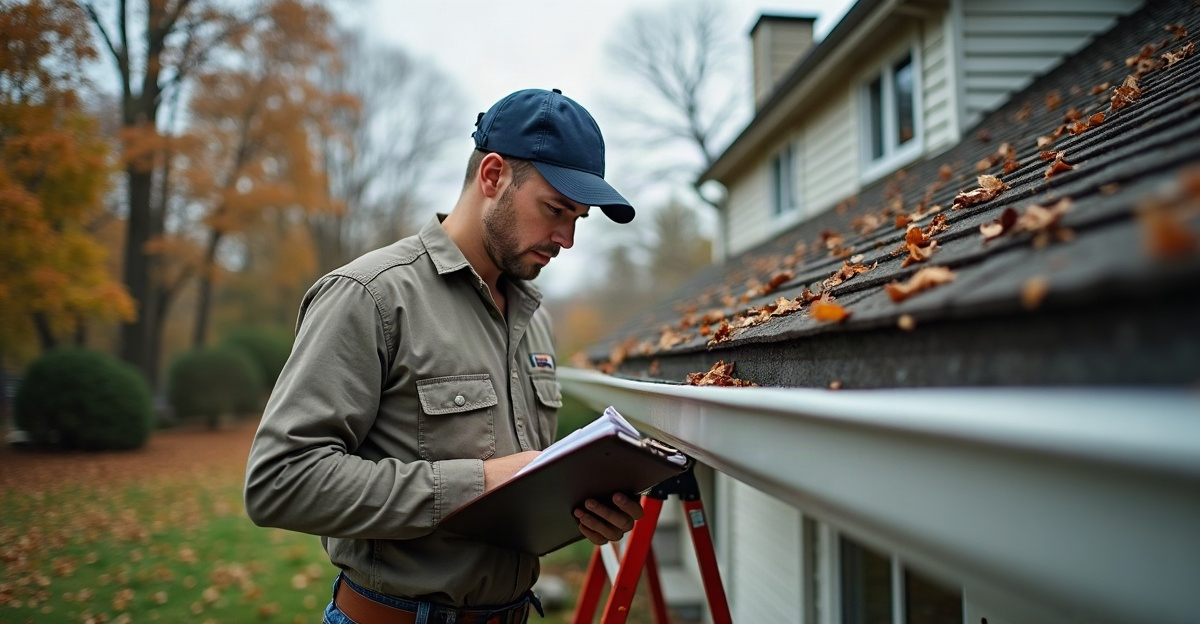
How to measure a roof for metal roofing?
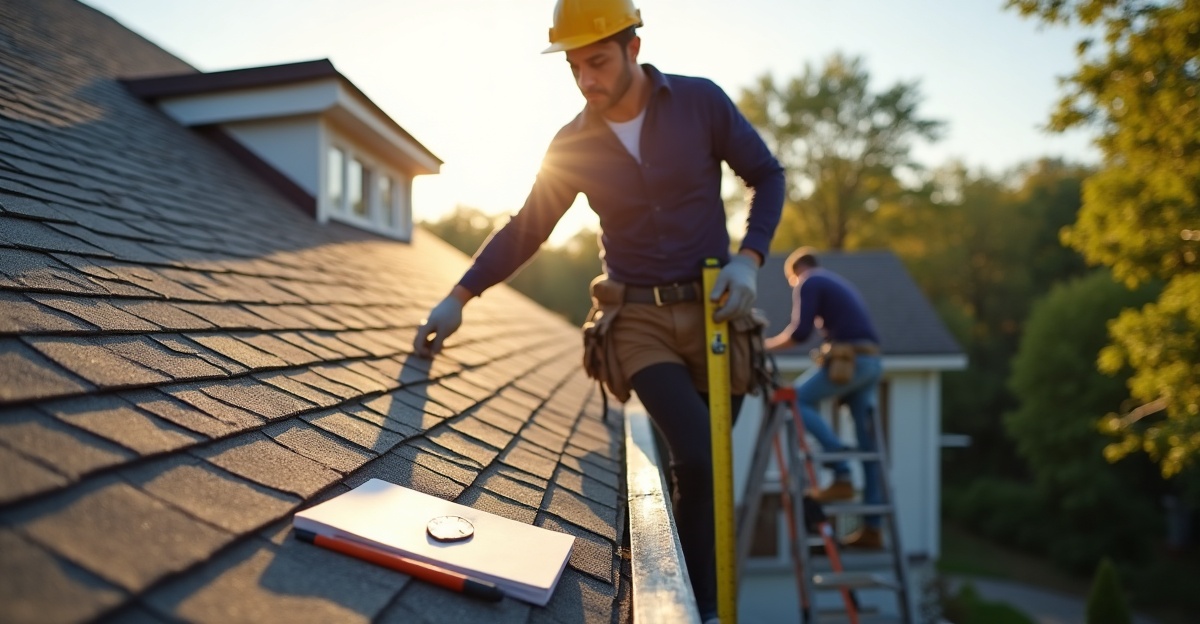
Knowing how to measure a roof for metal roofing starts with calculating the building footprint, adjusting for pitch, and accounting for roof features that affect material quantities. We rely on precise measurements to protect the budget, prevent underordering panels, and ensure trims, flashing, and ridge components fit as planned.
Key Takeaways
- Measure the roof’s ground-level footprint first, including overhangs, and break complex areas into simple shapes to calculate total square footage.
- Determine roof pitch safely and apply the correct pitch multiplier to convert flat measurements into true sloped surface area.
- Account for valleys, hips, dormers, and all penetrations, since these features increase material needs and layout complexity.
- Convert total square footage into roofing squares and add a realistic waste factor—5% to 15% depending on roof design.
- Bring in a professional for steep, complex, or commercial roofs to avoid costly ordering mistakes and protect long-term performance.
What You Need Before You Start Measuring
Start by getting clear on your goal before estimating metal roofing materials. Are we measuring for a rough budget, or are we preparing to place a final material order? A quick estimate helps with planning and reviewing resources like this metal roof cost guide. Final ordering measurements must be precise because panel lengths, trim, and flashing depend on them.
Gather the right tools before we do anything else. At a minimum, we recommend:
- 25–100 ft tape measure
- Ladder
- 12-inch level
- Framing square
- Chalk line
- Calculator
- Graph paper
- Safety harness and gloves
For higher accuracy and better safety, consider advanced tools. Drone imaging, satellite roof reports, and professional on-site inspections are especially helpful for steep slopes, complex rooflines, commercial buildings, or multi-structure properties. These tools reduce risk and improve ordering accuracy.
Before learning how to measure a roof for metal roofing, get comfortable with a few simple terms:
- Square footage: The total area of the roof surface.
- Roofing square: 100 square feet of roof area.
- Roof pitch: The steepness of the roof, expressed as rise over run (for example, 6:12).
- Pitch multiplier: A number used to convert flat measurements into true sloped area.
- Waste factor: Extra material added to cover overlaps, ridge caps, flashing, and trim.
Safety First: Read This Before Climbing Anything
Avoid getting on a roof without proper fall protection guidelines from OSHA. Metal roofs and steep-slope systems are slippery and dangerous without training and gear.
Use ground-based measurements whenever possible, as they are among the safest roof measurement methods. Measure the footprint from the ground and calculate pitch from inside the attic if you can. Never walk a steep roof without fall arrest equipment.
Commercial properties add another layer. OSHA construction roofing requirements must be followed. If there’s doubt, let a trained crew handle it.
Measure the Roof Footprint: Length × Width (The Starting Point for Accuracy)
Every accurate measurement starts at the base. When we explain how to measure a roof for metal, we always begin with the building footprint.
Measure the ground-level outline of the home or structure. Work from the exterior walls. Include overhangs in your measurements. Ignoring overhangs is one of the most common mistakes we see, and it leads to underordering panels.
Break complex rooflines into simple shapes to understand how to get accurate measurements for complex roofs. Rectangles and triangles are easiest to calculate. Measure each section’s length and width separately and write them down on graph paper.
Use this simple formula for each section as a basic steel roof sheet calculation formula to understand how to calculate metal roofing requirements:
Length × Width = Square Footage
Then add all sections together.
Here’s a realistic example:
- Main section: 40 ft × 30 ft = 1,200 sq ft
- Garage section: 20 ft × 20 ft = 400 sq ft
- Total flat roof area = 1,600 sq ft
That 1,600 square feet is the flat measurement. It is not your final number for metal roofing materials.
If we’re learning how to measure for a metal roof correctly, we need to adjust for slope next. The base footprint is only the starting point when calculating how to measure a roof for metal roofing panels that run along the pitch.
Calculate Roof Pitch and Apply the Pitch Multiplier
Roof pitch tells you how steep the roof is. It’s written as rise over run. A 6:12 pitch means the roof rises 6 inches vertically for every 12 inches horizontally.
We can determine pitch safely using a 12-inch level. Place the level horizontally against a rafter or roof surface. Measure from the 12-inch mark straight up to the roof surface. That vertical height is the rise. If attic access is available, measure directly off the rafters instead of climbing onto the roof.
Once we know the pitch, we apply a roof pitch multiplier. This converts flat square footage into true surface area.
Common multipliers:
- 4:12 pitch ≈ 1.05
- 6:12 pitch ≈ 1.12
- 8:12 pitch ≈ 1.20
Using our earlier example of 1,600 sq ft and a 6:12 pitch:
1,600 × 1.12 = 1,792 sq ft
Now we have the actual sloped roof area.
Forgetting the pitch multiplier is a major error. It leads to underordering panels and delaying the project. Metal panels install along the slope, so we must measure the real surface area. This step is essential when learning how to estimate a metal roof accurately.
Account for Valleys, Hips, Dormers, and Roof Penetrations
Simple gable roofs are straightforward. Most homes aren’t that simple.
Break complex features into measurable shapes. Triangles and trapezoids help calculate dormers and intersecting rooflines. Add each calculated area to your total.
Measure and account for:
- Valleys
- Hips
- Dormers
- Skylights
- Chimneys
- Plumbing vents
- HVAC penetrations
Each of these increases material needs and labor time. Complexity also impacts layout planning for metal panels.
Metal roofing adds another consideration. Panels overlap. Ridge caps must be ordered to match panel profiles. Valley metal needs precise lengths. Custom trim, flashing, and closures vary by manufacturer.
Complex designs increase the waste factor. They also require more detailed panel layout planning to reduce scrap. Oversimplifying these elements can cause serious ordering mistakes. Not every roof can or should be measured entirely from the ground without professional evaluation.
Convert to Roofing Squares and Add a Realistic Waste Factor
Once we have the slope-adjusted square footage, convert it into roofing squares.
1 roofing square = 100 square feet
Using our adjusted example:
1,792 sq ft ÷ 100 = 17.92 squares
Suppliers may round up to the next full square, depending on panel type and packaging. Always confirm manufacturer guidelines before placing a final order.
Next, apply a waste factor.
Typical waste for metal roofing:
- 5%–10% for simple gable roofs
- 10%–15% or more for complex rooflines
Waste includes more than scrap pieces. It covers:
- Panel overlaps
- Ridge caps
- Trim
- Flashing
- Fasteners
- Starter strips
Let’s apply a 10% waste factor to 1,792 sq ft:
1,792 + 179 (10%) = 1,971 sq ft total order estimate
That gives a working number for budgeting and supplier discussions.
Still, avoid promising cost accuracy based on square footage alone. Panel layout, seam direction, manufacturer specs, and trim requirements all influence the final material quantity.
Understanding square footage helps, especially if reviewing roof cost per square foot data, but final pricing must reflect layout and system details.
When to Bring in a Professional to Prevent Costly Mistakes
Some roofs demand professional measurement from the start.
We recommend bringing in experts for:
- Steep-slope roofs
- Complex architectural designs
- Large commercial properties
- Multi-structure or multi-building sites
- Projects requiring compliance documentation
Professional measurement tools make a difference. Drone imaging captures accurate elevations. Satellite reports provide verified dimensions. Detailed panel layout planning reduces scrap and controls trim costs. Flashing and ridge calculations become exact instead of estimated.
For commercial properties, accurate measurement protects ROI. It prevents overordering and underordering. It avoids project delays and protects construction timelines.
For homeowners, it means peace of mind. No surprise shortages. No mismatched trim. No delays waiting on custom-ordered panels.
If we’re planning a metal roofing installation or considering a full roof replacement, precise measurement is the foundation of the entire project.
We handle residential and commercial roofing across multiple markets, and we approach measurements with care and transparency. If accuracy matters—and it always does—schedule a professional inspection before placing a final metal roofing order. Reach out through our contact page to confirm quantities and move forward with confidence.
Frequently Asked Questions
What is a roofing square when measuring a metal roof?
A roofing square is a unit of measurement equal to 100 square feet of roof area. Contractors commonly use roofing squares to estimate materials and labor costs. For example, a 2,000-square-foot roof equals 20 roofing squares. Converting measurements into squares helps simplify metal roofing estimates and material orders.
Do I need to include roof pitch when measuring for metal roofing?
Yes, roof pitch must be included to get an accurate measurement. A roof’s actual surface area is larger than its footprint on the ground because of the slope. Using a pitch multiplier helps account for this difference and prevents underestimating the amount of metal roofing material required.
How much extra material should I order for a metal roof?
Most metal roofing projects require an additional 5% to 15% of material to account for cuts, waste, mistakes, and complex roof features. Simple gable roofs typically need less waste allowance, while roofs with valleys, dormers, and multiple angles often require more. Always confirm recommendations with your roofing supplier.
How do you measure a roof with multiple slopes and valleys?
Measure each roof section separately and calculate the square footage of every plane before adding them together. Valleys, hips, dormers, and intersecting roof lines increase complexity and waste. Breaking the roof into smaller geometric shapes improves accuracy and reduces the risk of ordering incorrect material quantities.
Can I measure my roof from the ground?
Yes, in some cases. Ground measurements combined with building dimensions, roof pitch calculations, satellite imagery, or aerial measurement tools can provide reasonably accurate estimates. However, complex roofs often require direct roof access or professional measurement services for the most precise results.
What tools are best for measuring a roof for metal roofing?
Common tools include a tape measure, measuring wheel, ladder, pitch gauge, calculator, and roofing measurement app. Many contractors also use aerial measurement reports and roof takeoff software to improve accuracy. Digital measurement tools can reduce errors and speed up the estimating process.
Should I measure roof features like chimneys and skylights separately?
Yes, chimneys, skylights, vents, and other penetrations should be measured separately. These features affect flashing requirements and material layout, even though they may reduce the total roofing area. Accurate measurements help ensure you order the correct accessories and avoid installation delays.
How do I calculate the amount of underlayment needed for a metal roof?
Start by calculating the total roof surface area, including pitch adjustments. Most underlayment products are sold by coverage area, so matching the roof’s total square footage is essential. Adding a small waste allowance helps account for overlaps and trimming during installation.
Is it better to hire a professional to measure a roof for metal roofing?
For simple roof designs, homeowners can often measure accurately themselves. However, professional roof measurements are recommended for complex roofs, large properties, or projects with multiple valleys and dormers. Accurate measurements can prevent costly material shortages or excess purchases during installation.
Can inaccurate roof measurements increase roofing costs?
Yes, inaccurate measurements can significantly increase project costs. Underestimating may cause material shortages and installation delays, while overestimating can result in unnecessary expenses. Taking precise measurements before ordering materials helps improve budgeting accuracy and reduces waste throughout the project.