What is the best residential roofing material?
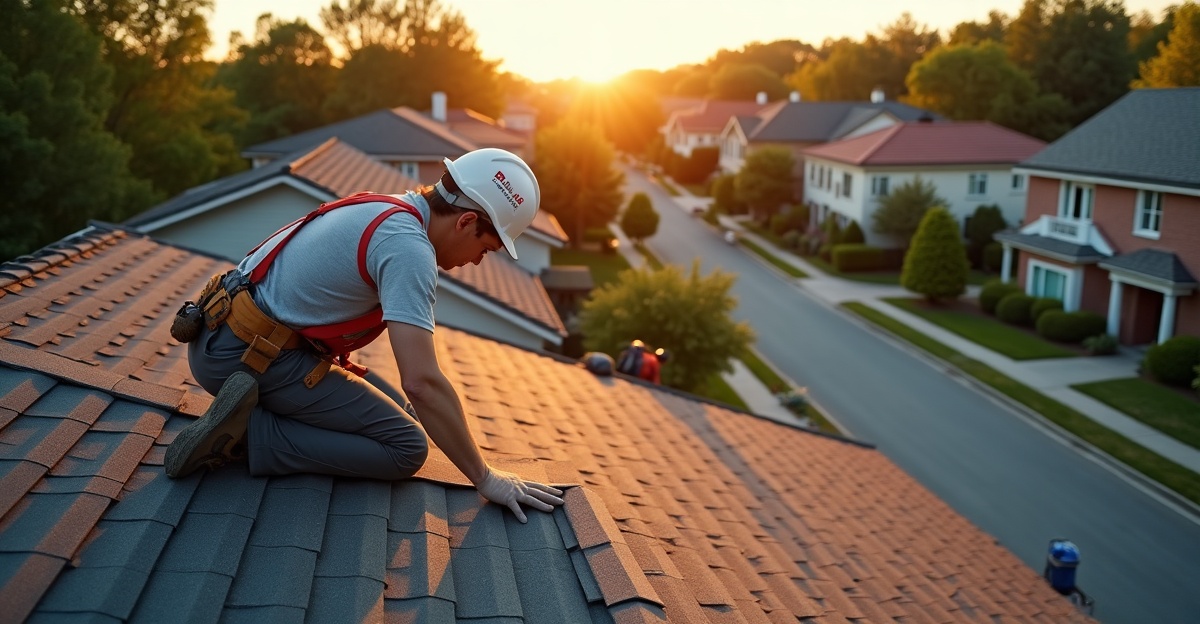
Many homeowners ask what the best residential roofing material is, but we know the real answer depends on budget, climate, home structure, and how long we plan to stay in the house. Asphalt, metal, tile, slate, and synthetic roofing each deliver different lifespans, price points, and performance levels. We often see installation quality play a bigger role in long-term results than the material itself.
Key Takeaways
- There is no single best roofing material—climate, budget, long-term plans, and HOA rules should guide the decision.
- Asphalt shingles cost less upfront, while metal, tile, and slate deliver longer lifespans and stronger long-term value.
- Lifetime cost carries more weight than initial price, especially after we factor in durability, potential insurance discounts, and resale impact.
- Climate conditions like hail, extreme heat, high winds, and wildfire risk should directly shape material selection.
- Proper installation, ventilation, and flashing remain critical, because workmanship often determines how long a roof actually lasts.
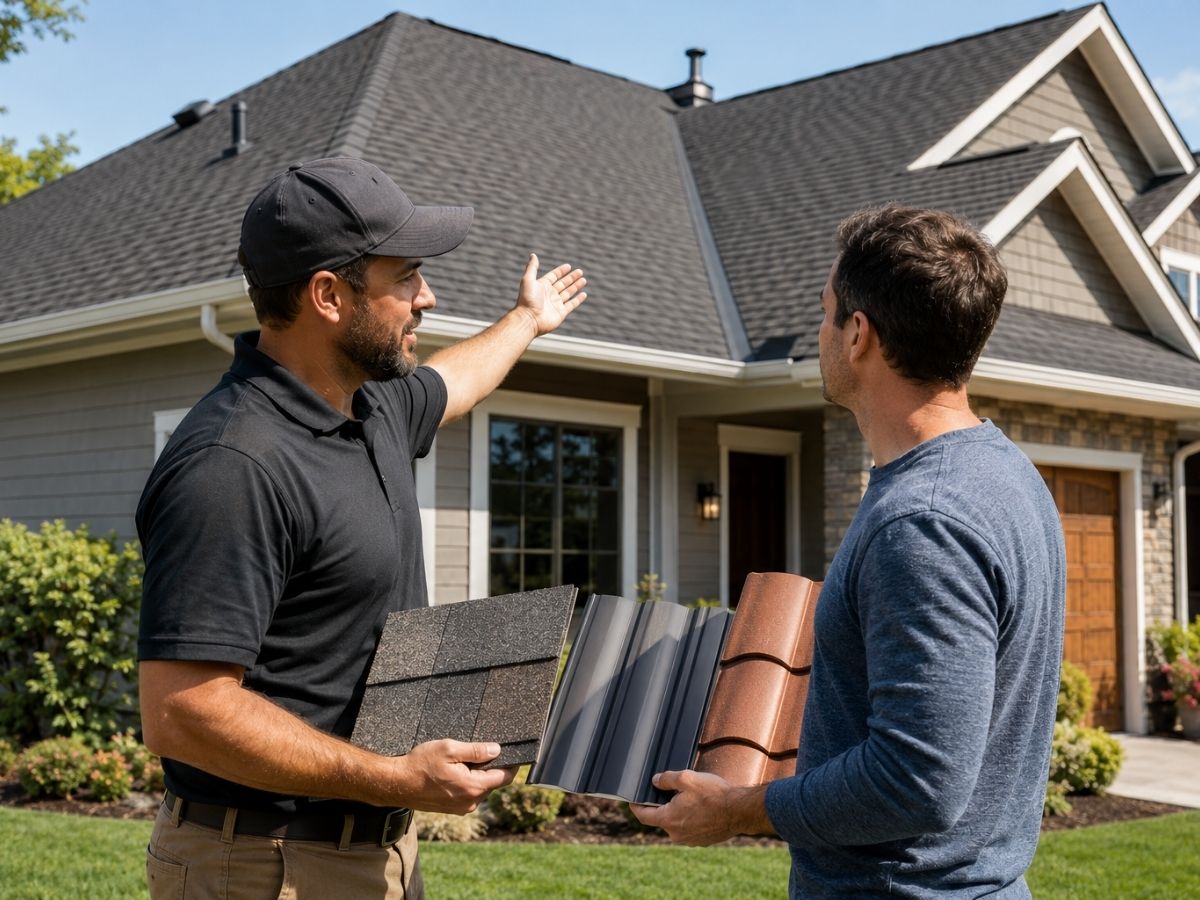
There Is No One “Best” Roof—Only the Right One for Your Home
Homeowners often search for what is the best residential roofing material expecting one clear answer. The truth is that there isn’t a single product that wins for every home.
When clients ask us what is the best residential roof, we walk them through context first. Budget matters. Climate matters. How long you plan to stay in your home matters. HOA rules, resale goals, and even attic ventilation all play a role.
We’ve seen common regrets over the years:
- Choosing the cheapest option without considering lifespan
- Ignoring attic ventilation upgrades
- Overlooking local weather patterns like hail, high winds, or heavy sun exposure
Material choice is important. Installation quality is often more important. A premium roof installed poorly will fail early. A mid-range product installed correctly, with proper flashing and ventilation, can outperform expectations.
Our goal is to help you compare options clearly before you request estimates for residential roofing services. When you understand lifespan, cost, and performance in your specific environment, you make a confident decision instead of guessing.
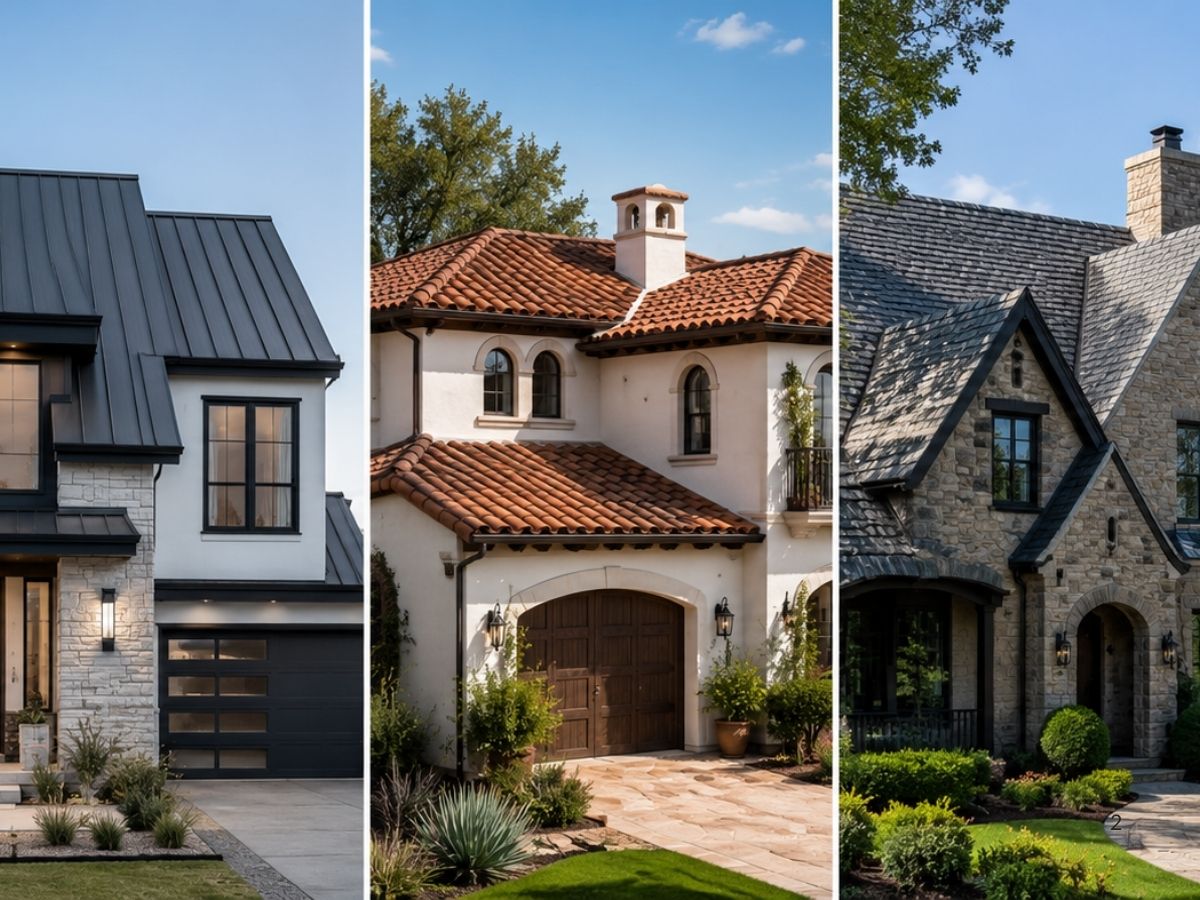
Side-by-Side Comparison of the Most Popular Residential Roofing Materials
Every material has strengths and trade-offs. Below is a clear breakdown to help you compare.
Asphalt Shingles
Lifespan: 15–30 years (architectural shingles trend toward the higher end)
Cost: Approximately $4.00–$8.00 per square foot installed
Maintenance: Low to moderate
Pros:
- Affordable
- Widely available
- Easier and less costly to repair
Cons:
- Shorter lifespan than most alternatives
- More vulnerable to wind and hail damage
Best for: Budget-focused homeowners and standard suburban homes.
Resale impact: Neutral to positive, especially with architectural shingles. Learn more about 3-tab vs architectural shingles if you’re deciding between basic and upgraded options.
Metal Roofing
Lifespan: 40–70 years
Cost: Approximately $8.00–$16.00 per square foot installed
Maintenance: Low
Pros:
- Long lifespan
- Strong wind resistance
- Lightweight
- Energy-efficient with reflective coatings
Cons:
- Higher upfront investment
- Can be noisy without proper insulation
Best for: Heavy snow regions, wildfire risk areas, or long-term ownership goals.
Resale impact: Strong. Buyers value durability and lower replacement risk. Compare details in this breakdown of metal roof vs asphalt shingles.
Tile (Clay or Concrete)
Lifespan: 50–100 years with proper structural support
Cost: Approximately $10.00–$20.00 per square foot installed
Maintenance: Moderate (underlayment may need replacement before tiles do)
Pros:
- Excellent heat resistance
- Distinctive architectural look
- Very long service life
Cons:
- Heavy
- May require structural reinforcement
Best for: Hot climates, Spanish- or Mediterranean-style homes, HOA-controlled neighborhoods.
Resale impact: High, especially in markets where tile is common. Explore more in our comparison of metal roof vs tile roof.
Slate Roofing
Lifespan: 75–100+ years
Cost: Approximately $15.00–$30.00 per square foot installed
Maintenance: Low, but repairs require specialized skill
Pros:
- Premium appearance
- Exceptional longevity
Cons:
- Expensive
- Very heavy
- Requires skilled installation
Best for: High-end homes focused on long-term legacy value.
Resale impact: Significant for luxury properties.
Synthetic or Composite Roofing
Lifespan: 30–50 years
Cost: Approximately $7.00–$15.00 per square foot installed
Maintenance: Low
Pros:
- Lighter alternative to slate or wood shake
- Often impact resistant
- High-end appearance without as much weight
Cons:
- Product quality varies by manufacturer
Best for: Homeowners who want premium curb appeal without structural upgrades.
If you want a deeper dive into durability and value, review our guide on top roofing materials for durability and value.
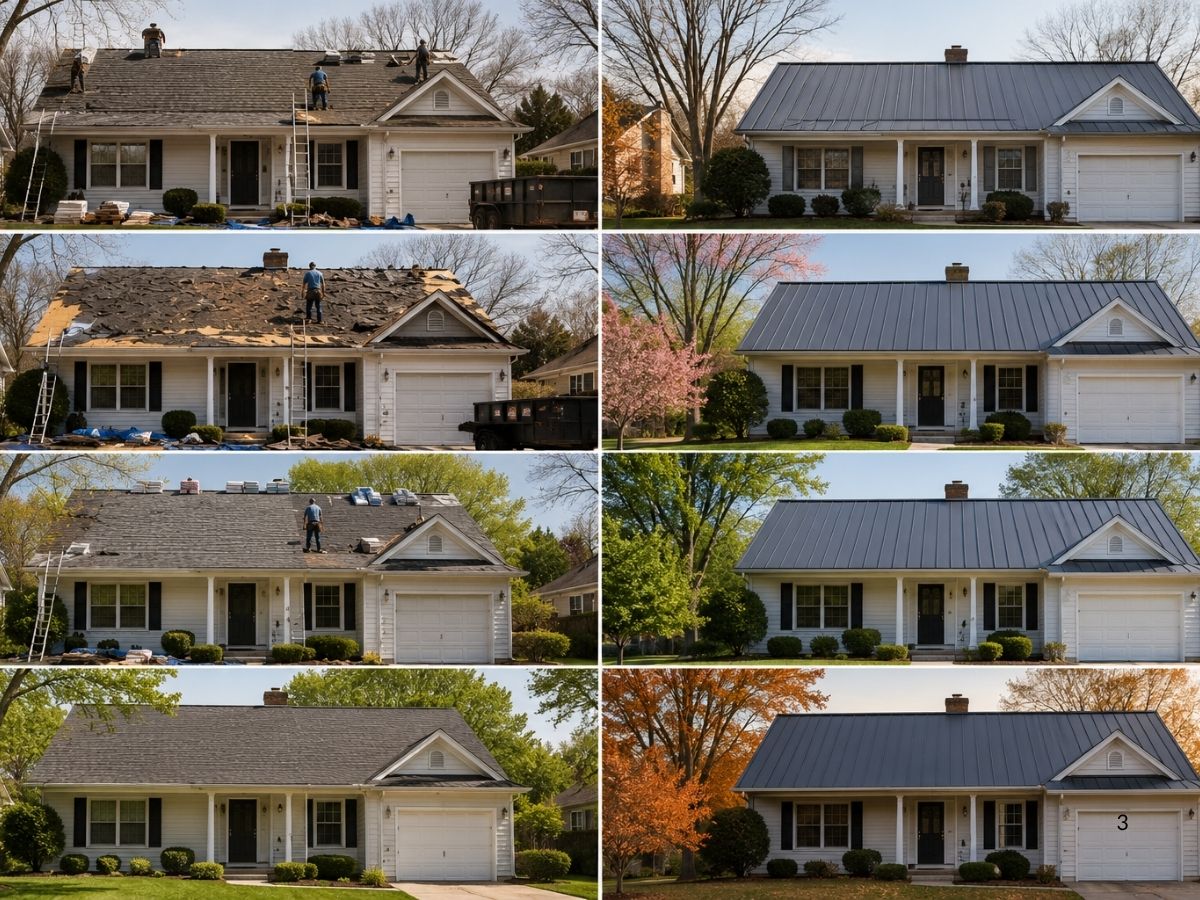
Upfront Cost vs. Lifetime Value: What You Actually Pay Over Time
Initial price doesn’t tell the full story. Long-term cost per year gives a clearer picture.
Consider this simple example:
- A $10,000 asphalt roof lasting 20 years costs about $500 per year. Over 50 years, you may replace it twice, possibly three times.
- A $20,000 metal roof lasting 50 years costs about $400 per year over that same period.
In that case, the higher upfront investment may result in a lower long-term cost.
Insurance discounts can also shift the math. Impact-resistant shingles (Class 4) or metal systems sometimes qualify for reduced premiums in hail-prone regions. Over decades, that adds up.
Resale value plays a role as well. Buyers often hesitate when a home has a roof nearing the end of its lifespan. A newer metal or tile roof can improve buyer confidence and strengthen negotiating power.
Code compliance is another factor. Many jurisdictions now require upgrades during roof replacement, such as improved underlayment or ventilation. Planning for durability today can prevent future code-driven expenses.
For more cost breakdowns, review our detailed guide on roofing material cost.
Short-term thinking focuses on the lowest bid. Long-term thinking focuses on reliability, ROI, and fewer disruptions over time.
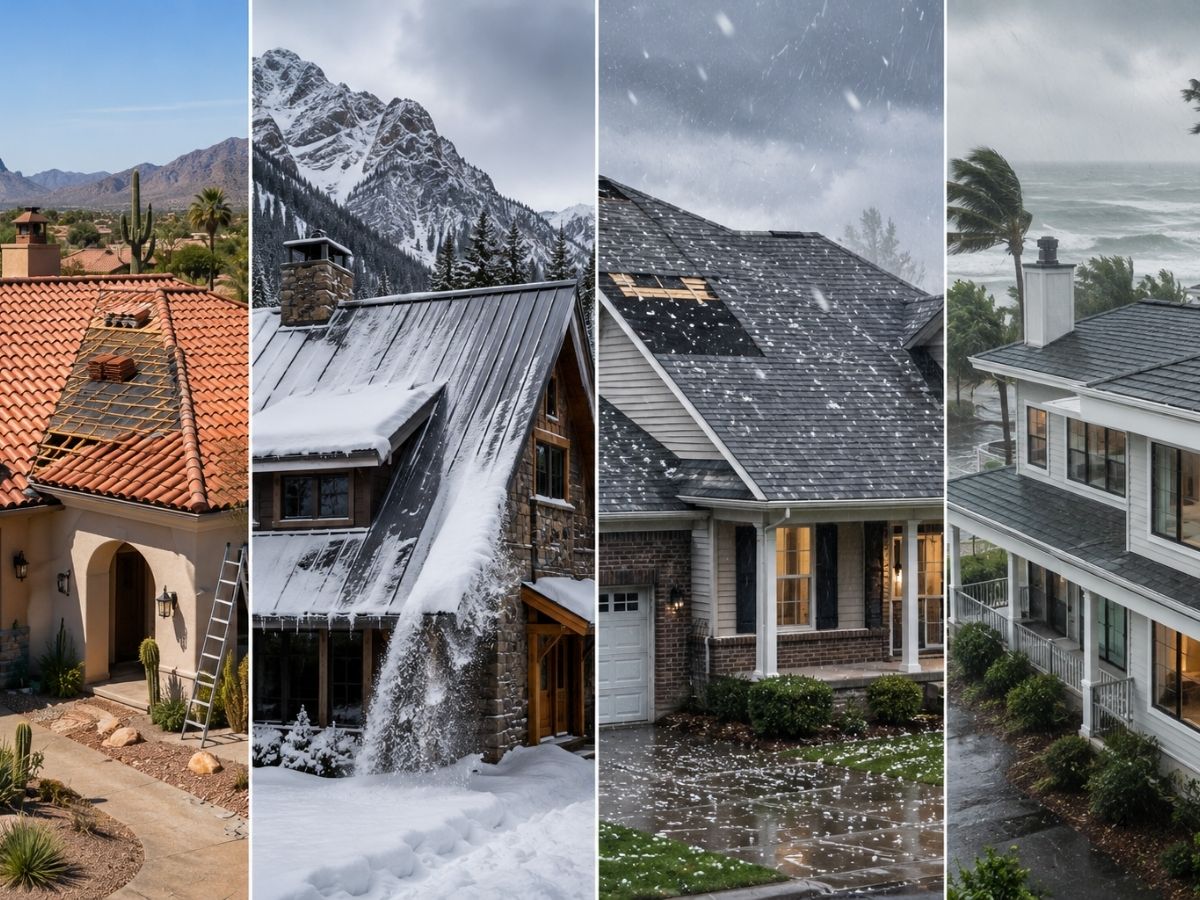
Climate, Codes, and Real-World Performance
National averages only go so far. Your region’s weather should drive your decision.
- Heat and sun exposure: Tile and metal reflect heat well. Roofing products with higher solar reflectance and thermal-emittance ratings may improve energy performance and reduce roof-surface heat gain.
- Snow load: Metal sheds snow effectively. Structural load ratings matter in heavy winter climates.
- Hail: Products with a Class 4 impact-resistance classification may offer improved impact performance, although ratings do not guarantee protection from every hailstorm.
- Hurricanes and high winds: High-wind-rated shingles and standing seam metal systems perform well when installed correctly with proper fastening schedules.
- Humidity and algae: Algae-resistant shingles reduce streaking in damp climates.
- Wildfire zones: Metal, tile, and fiberglass-based asphalt shingles typically carry Class A fire ratings.
Most roof failures we see are installation-related, particularly when roof-covering installation requirements are not followed. Flashing errors around chimneys and valleys, poor ventilation, or improper underlayment shorten lifespan fast. Product defects are far less common than workmanship mistakes.
That’s why selecting the right installation team matters just as much as selecting the material.
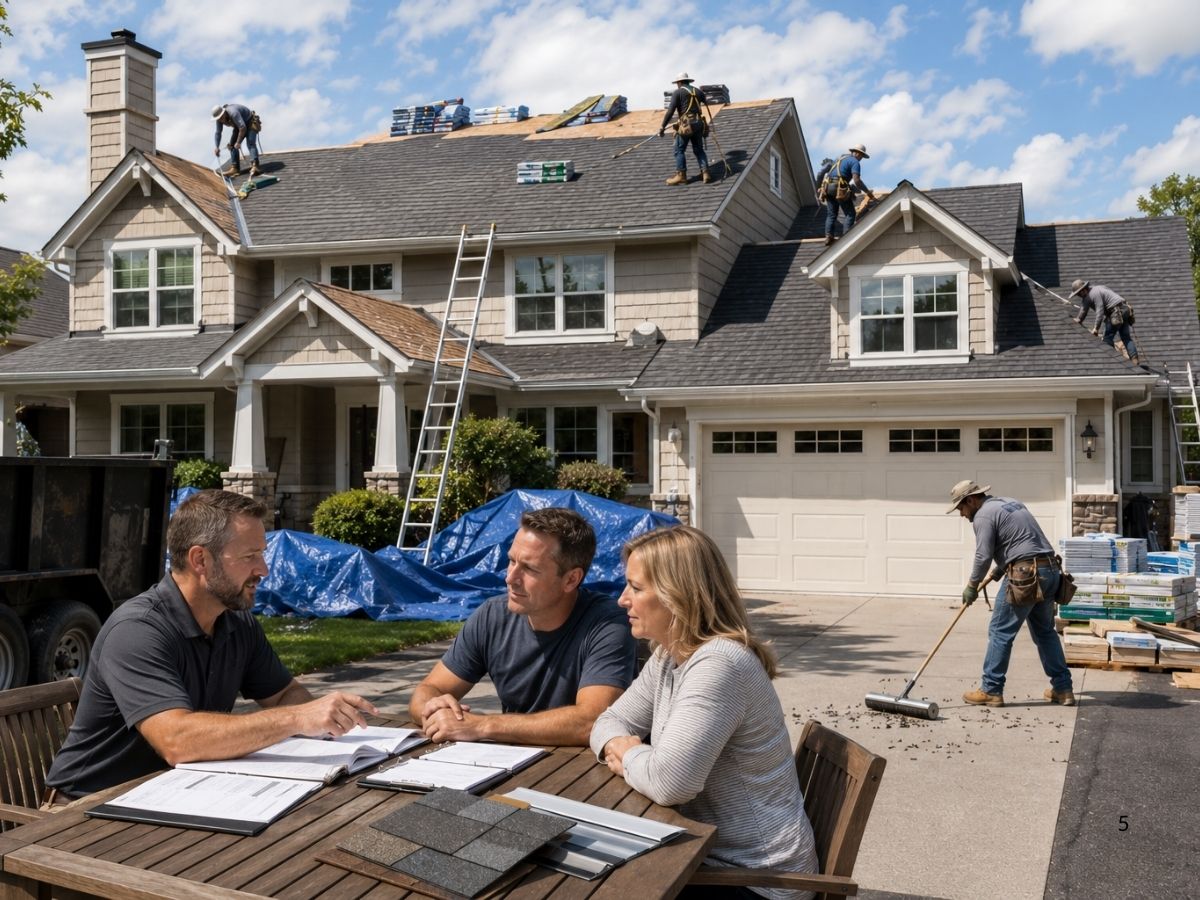
Common Homeowner Concerns: Timeline, Noise, Warranties, and HOA Rules
Roof projects disrupt daily life. Setting clear expectations helps.
Timeline:
Asphalt roofs typically take 1–3 days for an average home. Tile, slate, or complex systems can take longer due to staging and precision installation.
Noise:
Tear-off is loud. We prepare homeowners for a few intense hours during shingle removal. Proper communication reduces stress.
Cleanup and property protection:
We protect landscaping, cover sensitive areas, and perform magnetic sweeps for nails. A professional crew leaves your property clean and safe.
Warranties:
Manufacturer warranties cover material defects. Workmanship warranties cover installation errors. Both matter. We recommend registering warranties when required to maintain coverage.
HOA rules:
Some communities regulate color, profile, or material type. Confirm approval before starting a new roof installation.
Insurance and code upgrades:
Policies may pay for code-required improvements in some cases. Clear documentation and proper scope writing make a difference.
We’ve heard the frustration homeowners feel after unclear bids or surprise costs. Transparency fixes that. A detailed scope of work and clear communication protect everyone involved.
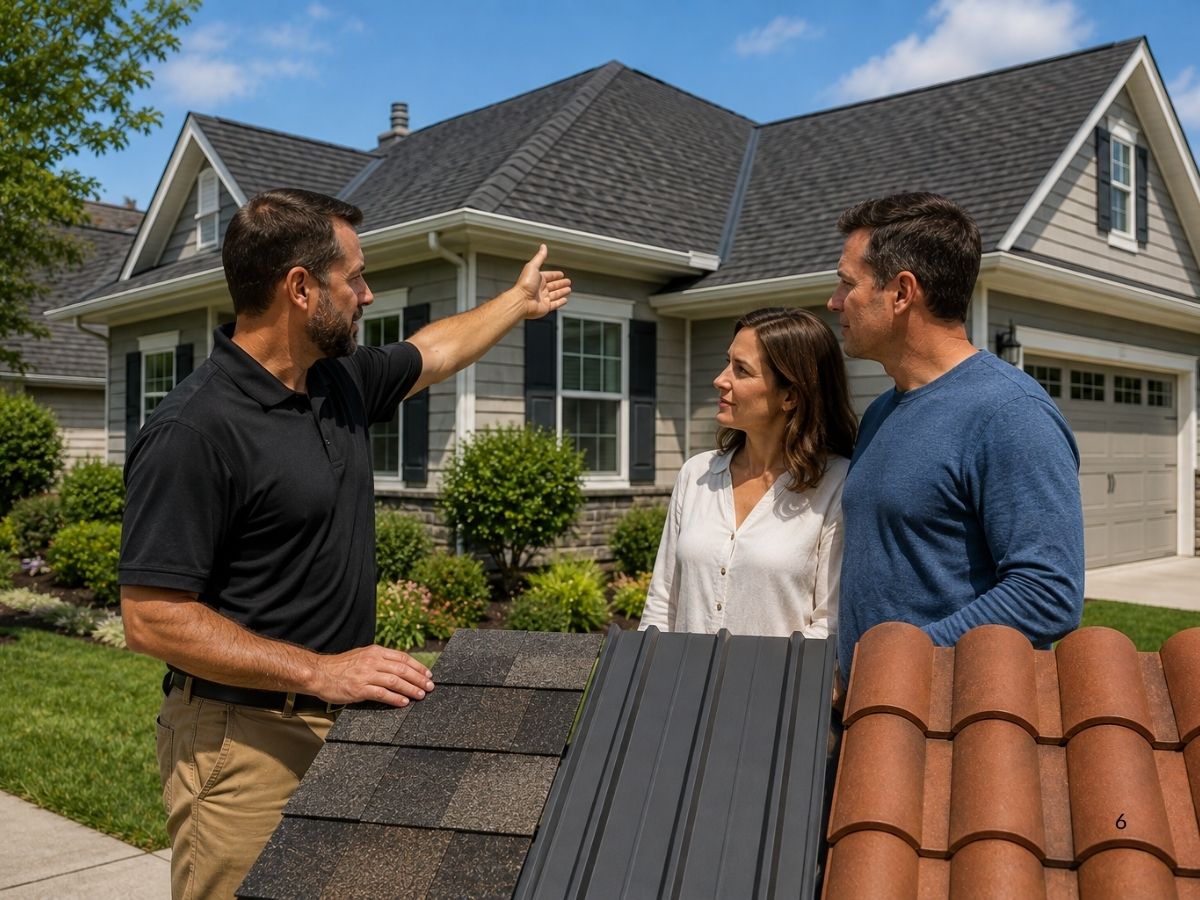
How to Choose the Best Roof for Your Home
Clarity comes from asking the right questions:
- How long do we plan to live in this home?
- What is our realistic budget today versus our long-term savings goals?
- What weather does this roof face every year?
- Does our HOA restrict material or color?
- Is the home structurally ready for heavier materials like tile or slate?
- How important are resale value and curb appeal?
Answering those questions narrows your options quickly.
If longevity and low maintenance are priorities, explore metal roofing services. If classic curb appeal and budget balance matter most, consider shingle roofing. For distinctive architecture in warm climates, tile roofing may be the right fit.
Material selection is critical. Choosing the right contractor is just as important. Proper installation, ventilation, and flashing determine whether your roof lasts 15 years or 50.
We focus on education first. Clear comparisons. Straight answers. No pressure. If you’re ready for a personalized recommendation based on your home, reach out through our contact page and we’ll walk you through options that make sense for your budget, climate, and long-term plans.
Frequently Asked Questions
What roofing material provides the best long-term value for homeowners?
Metal roofing often provides the best long-term value because it combines durability, energy efficiency, and low maintenance. While the initial cost is higher than asphalt shingles, metal roofs can last 40–70 years and may reduce cooling costs. Homeowners planning to stay in their homes for many years often see a stronger return on investment from metal roofing.
Which roofing material is best for hot climates?
Metal roofing, clay tiles, and concrete tiles are excellent choices for hot climates. These materials reflect sunlight better than traditional asphalt shingles and can help reduce attic temperatures. Choosing a reflective roofing system with proper ventilation can further improve energy efficiency and indoor comfort.
Does a heavier roofing material require structural reinforcement?
Yes, some roofing materials such as clay tile, concrete tile, and natural slate may require structural reinforcement due to their weight. Not all homes are designed to support these materials without modification. A professional roof inspection can determine whether your home’s structure can safely handle a heavier roofing system.
What is the most energy-efficient residential roofing material?
Metal roofing is generally considered one of the most energy-efficient residential roofing options. Reflective coatings can reduce heat absorption and lower cooling expenses during warmer months. Some Energy Star-rated roofing products may provide additional energy savings depending on your location and climate.
How do roofing materials affect home insurance costs?
Certain roofing materials may help lower insurance premiums. Impact-resistant shingles, metal roofing, and fire-resistant materials often qualify for discounts because they reduce the risk of storm or fire damage. Homeowners should check with their insurance provider to understand available incentives and qualification requirements.
Which roofing material requires the least maintenance?
Metal roofing typically requires the least maintenance among common residential roofing materials. It resists rot, insect damage, and moisture-related issues while requiring fewer repairs over its lifespan. Regular inspections are still recommended to identify minor issues before they become costly problems.
Are synthetic roofing materials a good alternative to slate or tile?
Yes, synthetic roofing materials can be an excellent alternative to natural slate or tile. They offer a similar appearance while being lighter, more impact-resistant, and often more affordable. Many synthetic products are designed to withstand harsh weather conditions while reducing structural load on the home.
How important is a roofing warranty when choosing materials?
A roofing warranty is an important factor because it helps protect your investment. Material warranties vary by manufacturer and can range from limited coverage to lifetime protection. Homeowners should review both manufacturer warranties and workmanship warranties to understand what is covered and for how long.
Can the right roofing material increase home resale value?
Yes, a high-quality roofing system can improve curb appeal and increase buyer confidence. Durable materials such as metal, slate, and architectural shingles are often viewed as premium upgrades. A newer roof with strong warranties may also make a property more attractive to potential buyers.
What roofing material performs best in severe weather conditions?
The best material depends on the specific weather risks. Metal roofing performs well against high winds, while Class 4 impact-resistant shingles are designed for hail-prone areas. In coastal regions, corrosion-resistant metal and properly installed tile roofing systems are often preferred for long-term durability.