Does homeowners insurance cover roof leaks?
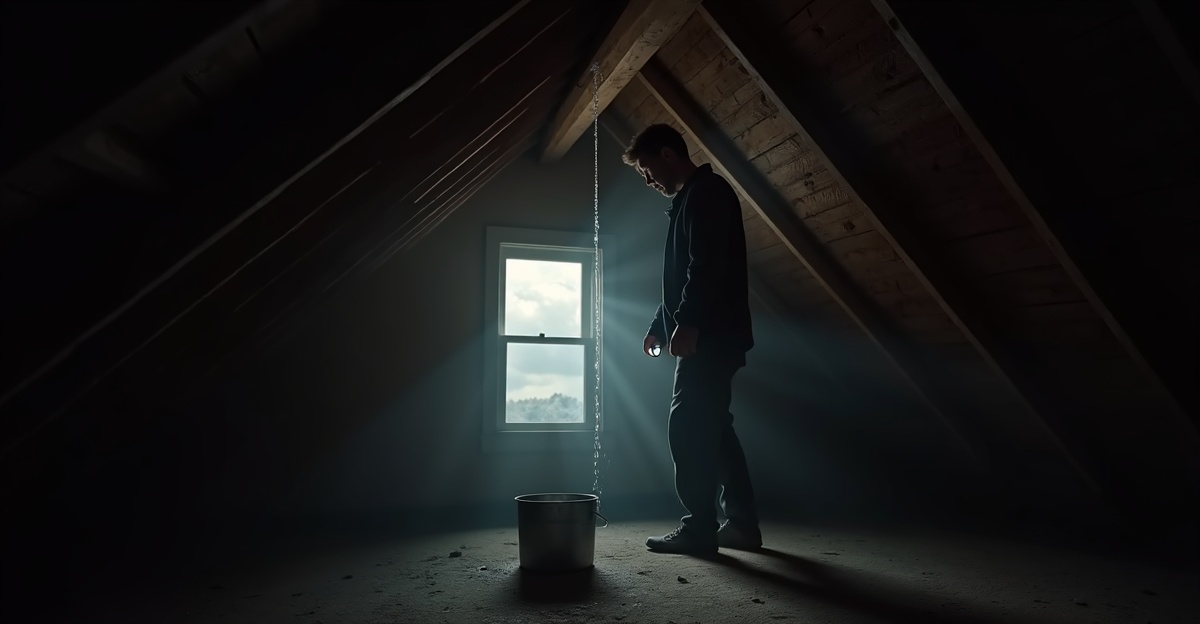
When we ask whether homeowners insurance covers roof leaks, the answer depends on the cause. Policies usually cover damage that happens suddenly and by accident. Carriers often deny claims that stem from gradual wear, aging materials, or ongoing maintenance issues.
Key Takeaways
- Homeowners insurance usually covers roof leaks caused by sudden events like wind, hail, fallen trees, or storm-created openings.
- Leaks that result from wear and tear, aging shingles, poor maintenance, or faulty installation usually fall outside standard coverage.
- Rain damage typically qualifies for coverage only if a covered storm event first creates an opening in the roof.
- Clear documentation, fast claim reporting, and a professional inspection can improve our chances of approval.
- Routine inspections and documented upkeep help us avoid larger problems and lower the risk of claim denial.
When Insurance Covers a Roof Leak (And When It Doesn’t)
It depends. Homeowners insurance typically covers roof leaks when the damage is sudden and accidental, such as a storm or fallen tree, according to guidance on sudden and accidental property damage. It usually does not cover leaks caused by wear and tear or lack of maintenance.
If we’re asking, does homeowners insurance cover roof leaks, the honest answer is that coverage hinges on how the leak started. Many homeowners also ask, does my homeowners insurance cover roof leaks or does your homeowners insurance cover roof leaks in this situation. The answer always comes back to the same factor: was the damage sudden, or did it happen gradually?
Most policies are built to protect against unexpected events. They are not home maintenance coverage under standard homeowners insurance. Coverage depends on individual policy terms, deductibles, exclusions, and endorsements. What we’re sharing here is general industry guidance, not legal or insurance advice.
If we’re dealing with an active leak right now, the priority is to stop further interior damage. Contain the water, protect belongings, and document everything. After that, begin the claims process.
For commercial properties, the same sudden-versus-gradual principle applies. However, commercial policies often include stricter maintenance and documentation requirements tied to asset protection, compliance, and long-term ROI.
Meta description: Roof leak? Homeowners insurance may cover it if the damage is sudden. Learn what’s covered, what’s not, and what steps to take next.
What Homeowners Insurance Typically Covers
Insurance usually steps in when a covered peril under a homeowners insurance policy causes immediate damage to the roofing system.
Common covered scenarios include:
- Storm damage from high winds, hail, or lightning
- Fallen trees or heavy branches
- Wind-driven rain that damages shingles or flashing
- Sudden structural impact from debris
A frequent question is: does homeowners insurance cover roof leaks from rain? Rain alone is rarely the issue. Rain is typically covered only if it enters because a storm first damaged the roof.
When a claim is approved, insurers often pay for:
- Roof repair or full replacement if the damage stems from a covered event
- Interior repairs, including ceilings, drywall, and insulation damaged by the leak
Keep the deductible in mind. The payout equals the approved repair amount minus the deductible. If repairs cost $8,000 and the deductible is $2,000, the net claim payment would be $6,000.
From our field experience, insurers almost always request dated photos, local storm reports, and a professional inspection that clearly identifies storm-related damage. They look for lifted shingles, hail strikes, punctures, and creased tabs. A thorough roof inspection makes a major difference in how smoothly the claim moves forward.
If storm damage is present, prompt action helps. Coordinating professional storm damage repair supports both documentation and property protection. For isolated issues, targeted roof repair services may be enough if the event qualifies under the policy.
What Insurance Usually Does Not Cover
Most policies exclude issues tied to aging or neglect.
Typical exclusions include:
- Wear and tear from old shingles
- Gradual leaks that develop over time
- Poor maintenance or ignored minor repairs
- Pre-existing damage
- Improper installation
If a roof is 20 years old and leaking because shingles have deteriorated naturally, a claim will likely be denied. That situation falls under property upkeep, not sudden damage.
Adjusters look for signs of long-term problems. Common denial triggers include missing maintenance records, visible long-term moisture staining, and delayed reporting of damage. If water marks show months or years of staining, it signals ongoing exposure rather than a single storm event.
A homeowners policy is designed for sudden accidents, not ongoing upkeep. For facility managers, the impact can be even greater. Without documented inspections and maintenance logs, large commercial claims can be reduced or denied, affecting capital planning and compliance requirements.
Does Homeowners Insurance Cover Roof Leaks From Rain?
Does homeowners insurance cover roof leaks from rain? Sometimes, but only if rain enters through storm-created damage.
Here’s the key distinction:
- Covered: A hailstorm lifts shingles, cracks flashing, or punctures a membrane. Rain then enters through that new opening.
- Not covered: Rain seeps through an old, cracked, or poorly maintained roof without a specific storm event.
Many policies use what’s often called a “creating opening” rule. For interior water damage to qualify, a covered event must first create an opening in the roof or walls. Without that, interior damage from rain may be denied.
Consider two scenarios. A hailstorm hits, shingles crease and lift, and rainwater leaks into the attic the same night. That’s typically covered. Now consider slow seal failure around chimney flashing over several years. Water intrusion from that aging detail is usually considered maintenance-related and not covered.
After heavy rain, even if the leak seems minor, we recommend scheduling a professional inspection. Small entry points can turn into structural problems fast.
What to Do Immediately and How to File a Claim
When water starts dripping from the ceiling, quick action limits damage and strengthens the claim.
Immediate and Claims Steps
Take these steps right away:
- Contain the water with buckets, tarps, or plastic sheeting
- Move furniture and valuables out of the affected area
- Safely document damage with photos and video
- Stay off the roof to avoid injury
Then move into the claims process:
- Review the policy to confirm coverage and deductible
- Contact the insurance company promptly
- Schedule a professional inspection
- Provide documentation, including photos, storm dates, and maintenance records
- Mitigate further damage and save receipts for temporary repairs
Temporary repairs are often reimbursable, but insurers want proof. Detailed inspection reports, measurements, and a clear cause-of-loss assessment strengthen the file.
For a deeper walkthrough, review this step-by-step roof insurance claim guide: how to file a roof insurance claim.
Commercial property owners should notify internal risk management teams immediately. Document maintenance logs and prior inspections to protect asset value and reduce operational disruption.
How to Reduce the Risk of Claim Denial and Protect Your Property Long-Term
Preventive maintenance protects both the building and the claim.
We recommend:
- Schedule professional inspections at least once a year and after major storms.
- Keep gutters clean and drainage systems clear.
- Address small issues, such as missing shingles or cracked flashing, before they escalate.
- Maintain written records of inspections and repairs.
From an insurer’s perspective, well-documented upkeep shows responsible ownership. Strong documentation can be the difference between fast approval and drawn-out review.
For homeowners, routine maintenance protects family safety and peace of mind. For commercial properties, preventive care supports compliance, extends roof life, and protects capital investment.
Here are clear answers to common questions:
Does homeowners insurance cover roof leaks?
It may, if the leak results from sudden, covered damage.
Does my homeowners insurance cover roof leaks caused by storms?
In most cases, yes, if the storm directly damages the roof and creates an opening.
Does your homeowners insurance cover roof leaks if the roof is old?
If age and deterioration caused the leak, coverage is unlikely.
Does homeowners insurance cover roof leaks from rain without storm damage?
Typically no. Rain without a storm-created opening usually falls under maintenance.
If the situation feels unclear, the safest next step is a professional inspection. We can document the condition of the roof, identify the source of the leak, and help determine whether filing a claim makes sense. Schedule an inspection through our contact page, and we’ll help you make a confident, informed decision about what comes next.
Frequently Asked Questions
Does homeowners insurance cover roof leaks caused by wind or hail?
Yes, homeowners insurance often covers roof leaks caused by wind, hail, or other covered storm events. Coverage generally applies when the storm creates sudden damage that allows water to enter the home. You’ll typically need to provide photos, inspection reports, and other documentation showing the damage was caused by the covered event.
Can a roof leak claim be denied because of poor maintenance?
Yes, insurers commonly deny claims if the leak resulted from neglect, aging materials, or lack of routine maintenance. Homeowners insurance is designed to cover sudden, accidental damage rather than gradual deterioration. Regular roof inspections and timely repairs can help reduce the risk of claim denial.
How long do you have to file a homeowners insurance claim for a roof leak?
The deadline depends on your insurance policy and state regulations, but it’s best to report the damage as soon as possible. Delaying a claim may make it harder to prove the cause of the leak. Prompt reporting, along with clear documentation, can improve the chances of a successful claim.
Does homeowners insurance pay for ceiling and water damage from a roof leak?
It can, provided the roof leak was caused by a covered peril such as a storm or fallen tree. In many cases, insurance may pay for repairs to ceilings, drywall, insulation, and other interior areas damaged by the leak. Damage resulting from long-term neglect is typically excluded from coverage.
What should you do before calling your insurance company about a roof leak?
First, take steps to prevent additional damage by containing the water and protecting your belongings. Then photograph the affected areas, note the date of the incident, and arrange for a professional roof inspection. Having accurate documentation and a clear assessment of the cause can make the claims process smoother.