What is the best coating for metal roof?
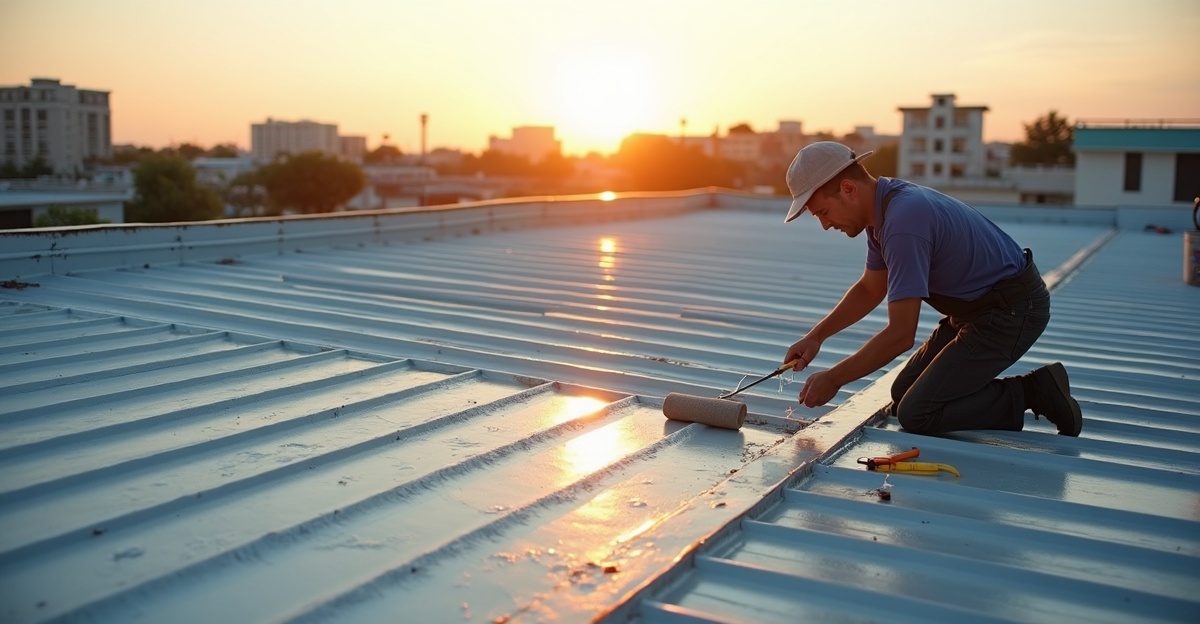
Property owners often ask what the best coating for metal roof systems is. We know the true answer depends on climate, roof slope, corrosion levels, foot traffic, and long-term performance goals. Silicone, acrylic, and polyurethane coatings each address different needs. We choose the right product and apply it with precision based on the roof’s specific conditions.
Key Takeaways
- There is no universal coating; silicone, acrylic, and polyurethane perform best in specific climates and roof conditions.
- Technical guidance on silicone roof coatings shows they perform exceptionally well where long-term ponding water is unavoidable, acrylic works well on sloped roofs in drier climates, and polyurethane stands up to heavy foot traffic and hail-prone areas.
- According to industry guidance on roof coating installation, surface preparation, seam reinforcement, fastener sealing, and correct mil thickness determine whether a coating lasts 10–20 years.
- Coatings extend service life and improve energy efficiency, but they do not correct structural failure or advanced corrosion.
- Lifecycle cost, return on investment, and long-term reliability should drive the decision, rather than upfront price alone.
There’s No One-Size-Fits-All “Best” Metal Roof Coating”—Here’s What Actually Works
There isn’t one universal best metal roof coating for every property or roof condition. The right system depends on climate, roof condition, slope, building use, and long-term goals.
Homeowners often search for what is the best coating for metal roof, what is the best coating for a metal roof, or what is the best roof coating for a metal roof. The honest answer stays the same: performance depends on the roof itself, not just the product label.
The three most common coatings for metal roofs are silicone, acrylic, and polyurethane. Each performs well in the right conditions. Each can fail if misused.
Field experience matters here. In high-ponding areas, we often recommend silicone. On sloped residential metal roofs in dry climates, acrylic is often the most cost-effective solution. For high-traffic commercial roofs or hail-prone regions, polyurethane systems often make more sense.
Success also depends heavily on prep work. Surface cleaning, rust treatment, seam reinforcement, fastener encapsulation, proper mil thickness, and correct application methods determine whether a system performs for 10–20 years—or fails early.
Choosing based on upfront price alone usually leads to regret. Long-term reliability, lifecycle cost, and ROI should guide the decision.
If you’re evaluating a professional roof coating system, the product matters—but installation quality matters more.
What a Metal Roof Coating Actually Does (And When It Makes Sense)
A coating restores and extends life. It does not correct structural failure.
If panels are intact and the substrate is stable, a properly installed coating can deliver real advantages. If there is severe corrosion, deck damage, or widespread panel separation, replacement is often the smarter move.
Here’s what a quality metal roof coating system provides:
- Waterproofing and reinforcement at seams and fasteners
- Rust encapsulation and corrosion control (when properly treated first)
- UV protection and reflectivity
- Reflective roof coatings recognized by the U.S. Department of Energy can help improve energy efficiency by reducing heat gain
- Service life extension of 10–20 years in appropriate conditions
Coatings also reduce disruption compared to full tear-offs. That’s critical for commercial facilities, multi-family properties, and occupied homes where shutting down operations isn’t practical.
In many cases, coating allows asset preservation without the cost and interruption of full replacement. For deeper insight into restoration value, see our breakdown of roof coating benefits.
However, inspection comes first. If rust has eaten through panels or fasteners are failing at scale, coating alone won’t solve the issue.
Side-by-Side Breakdown: Silicone vs. Acrylic vs. Polyurethane
How the Main Coating Types Compare
Before choosing, consider how each performs in real-world conditions:
Silicone Coatings
Strengths: Exceptional resistance to ponding water and strong UV stability. Performs very well on flat or low-slope roofs.
Ideal uses: Flat or low-slope commercial roofs in heavy rain climates.
Limitations: Can attract dirt over time, becomes slippery when wet, and recoat prep can be more involved.
Best fit: Roofs where standing water is unavoidable.Acrylic Coatings
Strengths: Cost-effective, highly reflective, easy to apply and recoat.
Ideal uses: Sloped metal roofs in moderate or dry climates, especially residential properties.
Limitations: Not suitable for long-term ponding water. Can lose effectiveness in freeze-thaw cycles without proper design.
Best fit: Roofs that shed water efficiently.Polyurethane Coatings
Strengths: High impact resistance, excellent durability, handles foot traffic well.
Ideal uses: Service-heavy commercial roofs, hail-prone regions, high-traffic facilities.
Limitations: Higher cost and often requires a UV-stable topcoat such as silicone.
Best fit: Buildings where abrasion resistance outweighs reflectivity alone.
Blended elastomeric or hybrid systems are sometimes used to combine strengths—for example, a polyurethane base with a silicone topcoat for durability plus UV performance.
Warranty tiers typically align with thickness. 10-, 15-, and 20-year systems correlate directly with applied mil thickness and documented installation procedures. Underapplying material reduces service life. It’s that simple.
Key Factors That Determine the Right Coating for Your Roof
Coating selection isn’t just about product type. It’s about conditions.
Climate is one of the biggest drivers. Heavy rainfall and ponding water favor silicone. Extreme heat and UV exposure demand strong reflectivity and UV resistance. Freeze-thaw cycles require systems engineered for expansion and contraction. Hail zones may benefit from impact-resistant polyurethane bases.
Slope and drainage performance matter just as much. Sloped residential panels that shed water effectively open the door for acrylic systems. Flat commercial roofs with chronic ponding eliminate acrylic as a serious option.
Corrosion level is another deciding factor. Light surface rust can be treated and encapsulated. Deep oxidation or structural deterioration changes the equation entirely.
Foot traffic also influences decisions. Service-heavy roofs with HVAC access need tougher systems than residential metal roofs with minimal traffic. For high-use properties, coordination with your commercial roofing team helps align durability and warranty expectations.
Energy performance goals may shift priorities as well. Reflective coatings help reduce heat gain, particularly in sun-exposed regions. Color choices also affect long-term performance, which we explain in our guide to metal roof color longevity.
Budget matters—but lifecycle cost matters more. A cheaper system that fails in eight years isn’t a bargain. Compliance standards and warranty documentation, especially for commercial properties, also affect system selection.
Choosing based on price alone is one of the most common and costly mistakes we see.
Cost, Lifespan, and ROI: Coating vs. Replacement
Pricing varies widely. Roof size, prep requirements, rust remediation, seam reinforcement, primer use, mil thickness, and warranty length all impact cost per square foot.
Surface prep alone can shift budgets significantly. Power washing, fastener replacement, rust conversion, and seam treatment are critical steps. Skipping them lowers cost upfront—and shortens lifespan.
A properly installed coating system typically delivers 10–20 years of additional service life depending on thickness and maintenance. Recoating at the right interval can extend performance even further.
Compare that with full replacement. A new metal roofing system offers the longest reset but comes with higher capital cost and greater disruption. If panels are structurally sound, restoration may offer better cash flow efficiency.
Commercial property owners often use coatings as part of asset preservation strategy. Predictable budgeting, multi-site consistency, and minimizing tenant disruption drive decisions.
Residential owners prioritize leak protection, energy efficiency, visual appearance, and peace of mind. Understanding how long a metal roof lasts helps frame whether restoration or replacement makes more financial sense.
Material warranties cover product defects. Labor warranties cover workmanship. Neither covers neglect. Routine inspections and maintenance protect your investment.
Common Mistakes Property Owners Make (And When Coating Isn’t the Right Choice)
Many coating failures trace back to preventable decisions.
We commonly see coatings applied over active rust without proper treatment. We also see primer skipped where required, acrylic installed on ponding roofs, and fasteners left unsealed.
Underapplying thickness while expecting a 20-year outcome is another frequent issue. Product marketing rarely tells the full story. Roof condition determines success.
Coating may not be appropriate in situations such as:
- Extensive corrosion or structural deck damage
- Widespread panel separation
- Severe substrate movement
- Conditions where full replacement provides stronger long-term ROI
In those scenarios, a new system likely delivers better performance and fewer recurring costs.
If there’s uncertainty about which direction makes sense, a professional inspection clarifies options quickly. We evaluate panel integrity, fasteners, seams, drainage, rust depth, and overall lifecycle position.
Clear data leads to confident decisions.
If you’re ready for that clarity, schedule a metal roof evaluation or request a detailed coating assessment through our team at RayPro Roofing. We provide straightforward, experience-based recommendations built around long-term reliability.
Frequently Asked Questions
What is the best coating for a metal roof?
The best coating for a metal roof depends on the roof’s condition, climate, and performance goals. Silicone works best for roofs with frequent ponding water, acrylic is ideal for sloped roofs in dry climates, and polyurethane offers superior durability in high-traffic or hail-prone environments. A professional inspection helps determine which system will provide the longest service life.
How long does a metal roof coating last?
A professionally installed metal roof coating can last between 10 and 20 years, depending on the coating type, application thickness, and ongoing maintenance. Proper surface preparation, seam reinforcement, and routine inspections are just as important as the coating itself. Recoating at the recommended interval can extend the roof’s lifespan even further.
Can a roof coating stop leaks on a metal roof?
A roof coating can help stop leaks caused by aging seams, exposed fasteners, and minor weathering when the roof structure remains sound. However, coatings are not a solution for severe corrosion, damaged panels, or structural failure. An inspection should identify and repair underlying issues before a coating is applied.
Is it better to coat a metal roof or replace it?
Coating a metal roof is often the better choice when the panels are structurally sound and only need waterproofing, corrosion protection, and life extension. Replacement becomes the better investment when there is widespread rust, structural damage, or significant panel failure. The decision should be based on the roof’s condition, expected lifespan, and long-term return on investment.
What should you look for in a metal roof coating contractor?
Choose a contractor with experience restoring metal roofing systems, not just applying coatings. They should inspect the roof thoroughly, recommend the appropriate coating for your climate and roof design, follow manufacturer specifications for preparation and application, and provide clear warranty information. Proper installation has a greater impact on long-term performance than the coating product alone.