What is commercial construction?
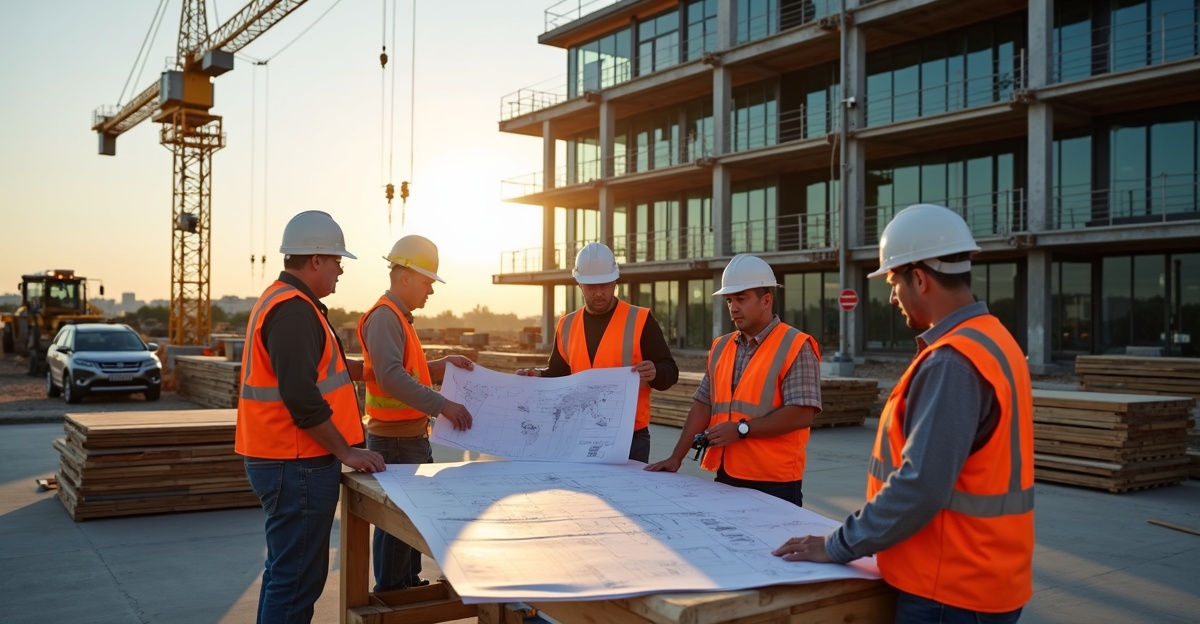
Commercial construction covers the planning, design, renovation, and building of structures used for business, public access, multi-tenant occupancy, or income generation. We follow stricter codes, manage larger budgets, control higher risk, and apply structured project management that goes far beyond typical residential work.
Key Takeaways
- Commercial construction applies to offices, retail centers, hospitals, schools, warehouses, multi-family complexes, mixed-use buildings, and other income-producing or public-use properties. We approach these properties with systems that support scale, safety, and long-term performance.
- These projects require stricter permitting, ADA compliance requirements, fire and life-safety standards, inspections, and higher insurance and bonding requirements. We coordinate approvals early and maintain documentation so projects keep moving without costly delays.
- Commercial work often includes roofing systems, structural framing, MEP coordination, site work, tenant improvements, and phased renovations in occupied facilities. We plan carefully so businesses stay operational while construction progresses.
- Larger scale, multiple stakeholders, formal bidding, and documented communication set commercial projects apart from residential jobs. We rely on clear contracts, defined scopes, and regular reporting to keep every party aligned.
- If a building generates revenue, serves the public, or houses multiple tenants, it likely falls under commercial standards and requires an experienced commercial contractor. We bring the expertise, manpower, and oversight needed to deliver safe, compliant, and profitable results.
Commercial construction explained in plain terms
Commercial construction refers to the planning, design, renovation, or building of structures used for business, public, institutional, or income-producing purposes rather than private single-family living. That’s the straightforward answer to what is commercial construction.
If a property generates revenue, serves the public, or houses multiple tenants, it likely falls under commercial construction standards. Office buildings, shopping centers, hospitals, schools, and large apartment complexes all operate under a different rulebook than a single-family home.
So what is a commercial construction project in real life? It usually means larger budgets, stricter codes, multiple decision-makers, and tight project management. Replacing a roof on an occupied retail center is very different from reroofing a home. Renovating a hospital wing while patient care continues demands serious planning, safety controls, and phased scheduling.
The definition matters because it affects permitting, code compliance, insurance requirements, inspections, and contractor qualifications. It also impacts long-term risk. A project built under commercial standards must meet higher expectations for durability, life safety, and performance. Treating a commercial job like a residential one leads to costly problems.
Types of properties that qualify as commercial
Commercial properties come in many forms. The most common include:
- Office buildings
- Retail centers
- Warehouses
- Hospitals and medical facilities
- Schools and universities
- Apartment complexes
- Mixed-use developments
- Industrial sites
- Municipal buildings
- Hospitality properties
Multi-family housing and mixed-use properties may feel residential, but they often follow commercial codes. Large-scale apartment complexes typically require commercial permitting, inspections, and ADA accessibility compliance. Occupancy classifications and building size usually determine which codes apply.
Property owners often ask what is commercial construction in the case of a four-story apartment building with ground-floor retail. If multiple tenants occupy the structure or customers regularly enter the space, it likely qualifies as commercial construction work.
If there’s uncertainty, a professional review provides clarity. Even smaller properties can trigger commercial standards based on use and occupancy.
What commercial construction work actually includes
Commercial construction work covers far more than new ground-up buildings. It frequently involves upgrading, expanding, and maintaining existing facilities.
Common scopes include:
- Roofing systems such as flat roofing, TPO, EPDM, metal systems, and built-up roof systems
- Structural work, including steel framing and reinforcement
- Interior build-outs and tenant improvements
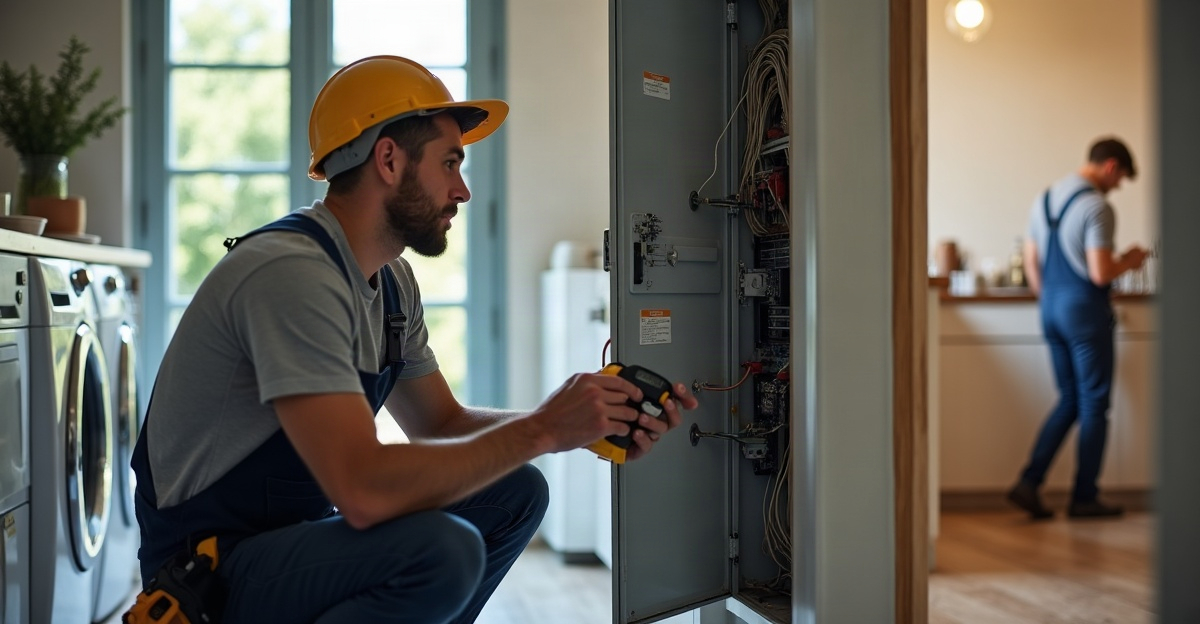
- MEP coordination covering electrical services, HVAC systems, and plumbing systems
- Site work, grading, and drainage infrastructure
- Expansions, phased renovations, and code-driven upgrades
Each area requires coordination across trades. Improper sequencing can delay the entire project.
Operational demands shape commercial jobs. Work often occurs around active tenants, employees, students, or patients. Schedules must minimize downtime and protect revenue through careful planning, clear communication, and strict site safety.
Compliance is another defining factor. Commercial projects commonly involve ADA standards, fire ratings, and integrated life-safety systems. Inspections may require approvals from multiple jurisdictions. Insurance and bonding requirements are typically higher than residential projects.
Risk management drives material selection. Systems must withstand heavy foot traffic, equipment loads, and larger occupancy counts. Investing in quality delivers longer service life and lower lifecycle costs. For owners managing multiple buildings, a structured plan such as roof maintenance for multi-property owners helps control expenses and avoid unexpected shutdowns.
How commercial construction differs from residential projects
The difference between commercial and residential work is substantial. Codes, scale, oversight, and materials all shift. For a deeper comparison, see our guide on the difference between commercial and residential construction.
Stricter codes and oversight
Commercial projects face more rigorous building codes, including accessibility mandates, fire separation requirements, and more frequent inspections.
Larger scale
Roofing a 200,000-square-foot warehouse requires large crews, heavy equipment, staging logistics, and formal safety planning. A 2,000-square-foot home involves far fewer variables.
Structured budgeting
Commercial work often includes formal bidding, detailed cost tracking, and ongoing financial reporting. Investors, boards, and property managers remain involved from start to finish.
Stakeholder complexity
Tenants, city officials, facilities managers, and ownership groups frequently contribute input. Communication must be organized and documented.
Heavier-duty systems
Commercial buildings use reinforced assemblies designed for higher occupancy and longer service life. That includes reinforced roof decks, advanced insulation configurations, and engineered drainage systems. Choosing correctly matters, which is why understanding options like the best shingles for commercial roofs impacts long-term performance.
Selecting a contractor experienced in commercial standards reduces compliance failures, delays, overruns, and safety risks. The definition of commercial construction is more than a label. It determines the level of expertise required.
How commercial projects are delivered and managed
Commercial construction follows structured delivery models built for accountability and performance.
General contractor model
One company coordinates all trades, schedules, budgets, and compliance. This centralized oversight keeps projects aligned. We provide this structure through our commercial construction services and full general contracting capabilities.
Design-build approach
One team manages both design and construction through the design-build project delivery method, creating a single source of responsibility and often accelerating timelines.
Phased renovation
In occupied facilities, work occurs in planned sections to limit disruption. Hospitals, schools, and retail centers rely on this method to maintain operations.
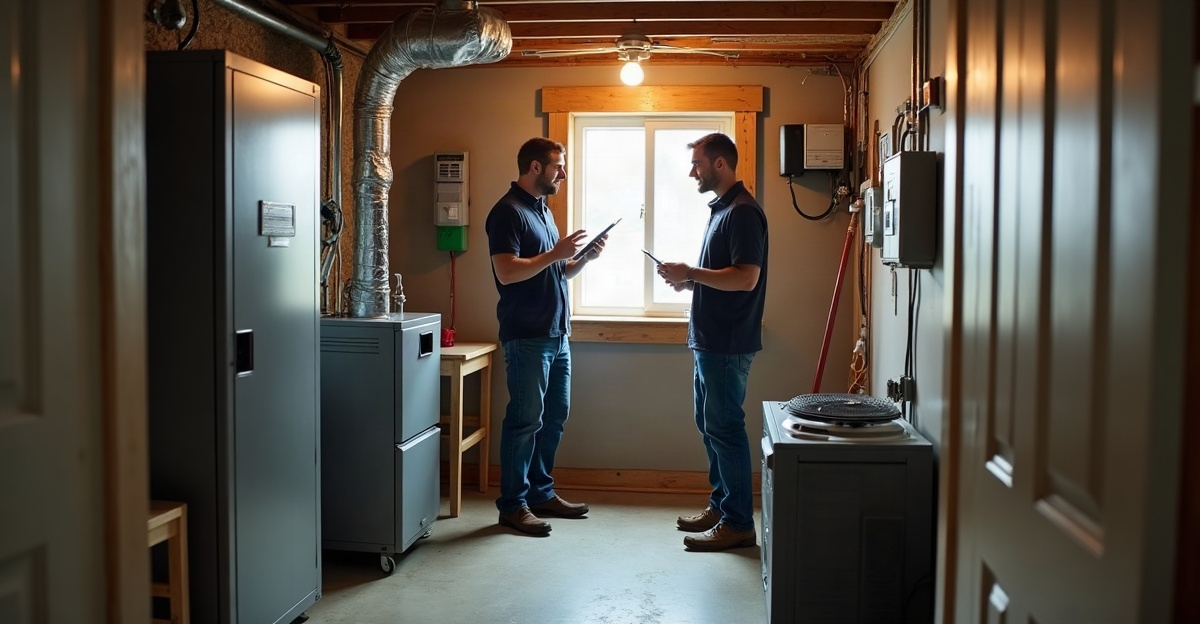
Hiring a commercial contractor typically begins with site inspections and scope evaluation, followed by detailed estimates, compliance reviews, permit coordination, and milestone scheduling. Communication remains documented throughout the process.
Labor environments may involve union or non-union crews depending on location. Multi-state work introduces varying regulatory standards. Early planning addresses these factors to prevent delays.
A strong management plan minimizes cost overruns, compliance issues, and safety incidents while preserving revenue and long-term building performance. For contractor selection guidance, review our framework on how to choose a good commercial roofing contractor.
How to know if your project falls under commercial standards
Practical checkpoints help determine qualification:
- Does the building serve the public or generate business or rental income?
- Are there multiple tenants or high occupancy loads?
- Do ADA rules, fire inspections, or commercial permits apply?
If the answer to any of these is yes, the project likely falls under commercial construction standards.
Even smaller retail plazas, mid-size apartment buildings, and light industrial spaces often require commercial processes. Drainage design, for instance, demands coordination and inspection. Understanding options like roof drainage system types ensures systems are built for large surface areas and higher water volume.
Mixed-use and multi-family buildings may appear residential but must comply with commercial codes internally. That affects scope, materials, inspections, and long-term compliance obligations.
If uncertainty remains, the safest move is a professional evaluation. Reviewing scope, permits, and code requirements early prevents costly errors. Our team at RayPro Roofing and General Contracting performs these assessments directly. When clarity matters, schedule a site visit through our contact page and move forward with confidence.
Frequently Asked Questions
What is commercial construction used for?
Commercial construction is used to build, renovate, or maintain properties that support businesses, public services, or income-generating activities. These projects include offices, retail centers, schools, hospitals, warehouses, and multi-family buildings. They must meet stricter building codes, safety regulations, and performance standards than typical residential construction.
How do you know if a building is considered commercial?
A building is generally considered commercial if it serves the public, generates business or rental income, or accommodates multiple tenants. Factors such as occupancy, building use, accessibility requirements, and local building codes determine its classification. A professional review can confirm which regulations apply before construction begins.
Why is commercial construction more complex than residential construction?
Commercial construction is more complex because it involves larger budgets, multiple stakeholders, stricter code compliance, and detailed project coordination. Contractors must manage permitting, inspections, scheduling, and specialized building systems while minimizing disruptions to occupants or business operations. This level of oversight helps reduce delays, safety risks, and costly mistakes.
What services are included in commercial construction projects?
Commercial construction services often include new construction, renovations, tenant improvements, structural work, roofing, site preparation, and mechanical, electrical, and plumbing (MEP) coordination. Many projects also require phased construction to keep facilities operational while work is completed safely and efficiently.
Why should you hire an experienced commercial construction contractor?
An experienced commercial construction contractor understands complex regulations, project management, and risk control. They coordinate permits, inspections, subcontractors, budgets, and schedules while ensuring compliance with safety and accessibility standards. Their expertise helps deliver durable, code-compliant projects that stay on schedule and support long-term building performance.