How long should a shingle roof last?
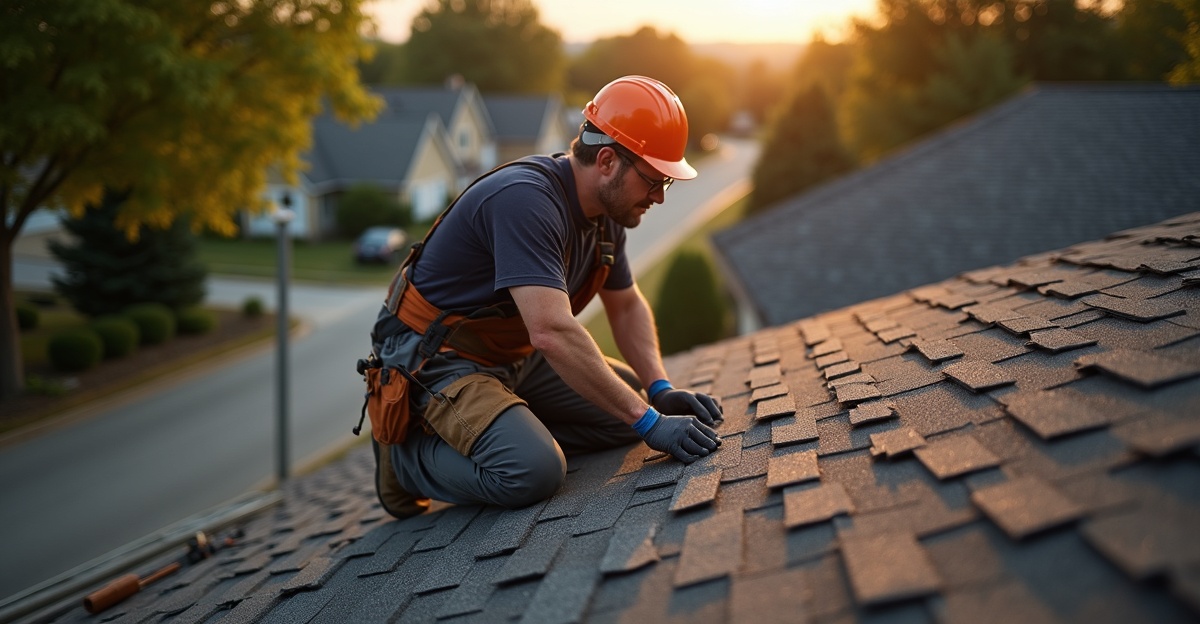
If we’re asking how long a shingle roof should last, the realistic answer is 15 to 40 years based on material type, installation quality, climate, and ventilation. We see most architectural asphalt shingles perform between 22 and 30 years in real conditions. Workmanship, weather exposure, and maintenance determine whether a roof reaches its expected lifespan.
Key Takeaways
- Most shingle roofs last between 15 and 40 years, with architectural shingles averaging 22 and 30 years on typical homes.
- Manufacturer warranties don’t equal actual lifespan and usually cover product defects, not normal wear or installation mistakes.
- Climate, attic ventilation, and installation quality influence performance more than brand name alone.
- Warning signs like granule loss, curling shingles, flashing failure, and interior water stains signal aging and decline.
- Planning inspections and budgeting at 70–80% of expected lifespan helps us avoid emergency replacements and control costs.
What You Can Realistically Expect From a Shingle Roof
A shingle roof should last about 15 to 40 years in real-world conditions, depending on the material and installation quality. That’s the straight answer to how long should a shingle roof last on a house.
Here’s what we typically see:
- 3-tab asphalt shingles – Typical Warranty: 20–25 years | Real-World Lifespan: 15–20 years | Best for budget-conscious owners
- Architectural (dimensional) shingles – Limited lifetime warranty | Real-World Lifespan: 22–30 years | Best for most residential homes
- Premium or impact-resistant shingles – Limited lifetime warranty | Real-World Lifespan: 30–40 years | Best for high-wind areas or long-term ownership
If we’re asking how long should a asphalt shingle roof last, the average answer falls between 20 and 30 years for most homes using architectural shingles. Three-tab options trend lower. Premium systems trend higher under solid conditions.
Those “20-year” or “30-year” labels don’t mean the roof will last exactly that long. Manufacturer warranties do not equal expected lifespan. They are structured around defect protection, not normal wear.
Another common question we hear: how long should a new shingle roof last? A properly installed architectural system in a moderate climate should reasonably perform for 25 years or more. In harsher climates, that number drops. In milder regions with proper ventilation, it may stretch longer.
If we’re comparing materials, understanding 3-tab vs architectural shingles helps clarify why lifespan ranges vary so much. Architectural products are thicker, heavier, and more wind resistant.
For a broader view of roof materials and longevity, we break that down here: how long does a roof last. Shingles perform well, but they’re still exposed systems.
Installation quality and local climate often matter more than the brand stamped on the wrapper. A mid-grade shingle installed correctly can outlast a premium one installed poorly.
Homeowners want peace of mind and fewer surprise expenses. Property managers care about lifecycle cost and capital planning. In both cases, realistic expectations lead to better financial decisions.
What Impacts a Shingle Roof’s Lifespan Most
Material is just one part of the equation. Performance depends heavily on environment, airflow, and workmanship.
Climate Exposure
Climate plays a major role. High heat and constant UV exposure dry out shingles and speed up granule loss, as described in research on weather exposure and roofing materials. Freeze-thaw cycles cause expansion and cracking. Heavy snow loads stress decking and flashing. In hurricane or high-wind regions, uplift reduces lifespan significantly.
We break this down further in how weather affects your roof’s lifespan.
Ventilation
Poor attic ventilation traps heat and moisture, as explained in guidance on proper attic ventilation. Overheated shingles age prematurely from the underside. Moisture buildup can rot decking and weaken fastener grip. That damage often starts where homeowners can’t see it.
Workmanship
We consistently see avoidable failures caused by:
- Incorrect nailing patterns
- Nails placed too high, reducing wind resistance
- Improper flashing around chimneys and walls
- Weak or improperly installed underlayment
Small installation mistakes early translate into major repairs years later. That’s why professional shingle roofing services matter.
Storm damage, fallen limbs, and debris impact shorten lifespan. Lack of maintenance does the same. A roof ignored for 10 years rarely reaches its full potential.
The same shingle can last 30 years on one building and struggle to reach 18 on another because variables differ.
What “20-Year” and “30-Year” Shingles Really Mean
Most modern shingles carry limited lifetime roofing warranties, although coverage terms vary by manufacturer. That sounds reassuring, but structure matters.
Early in the roof’s life, manufacturers may offer non-prorated coverage. As years pass, coverage becomes prorated, meaning payout value declines annually.
Many warranties are material-only. Labor to remove or reinstall shingles often is not included. This can leave property owners covering most replacement costs.
Here’s the key point: warranties protect against manufacturing defects. They do not cover normal aging, weather exposure, poor ventilation, or improper installation.
A 30-year shingle suggests an expected service range under standard conditions. It does not guarantee three full decades of performance.
Instead of focusing only on warranty paperwork, evaluate:
- Actual roof age
- Visible wear patterns
- Ventilation condition
- Repair history
How long should a new shingle roof last? Long enough to justify the investment, if it’s installed correctly and maintained consistently.
Warning Signs Your Roof Is Nearing the End
Most shingle roofs give warning before failure. Recognizing those signs early prevents interior damage and emergency costs.
- Granules collecting in gutters or downspouts
- Curling, cracking, or cupping shingles
- Flashing failures around chimneys, vents, and walls
- Soft spots in the roof deck
- Interior water stains or rising energy bills
We recommend planning for replacement when a roof reaches 70–80% of its realistic lifespan. If we have a 25-year architectural system, inspections and budgeting should begin around years 18–20.
Waiting for active leaks limits options. Proactive evaluation allows controlled planning instead of emergency replacement.
How to Extend the Life of Your Shingle Roof
Longevity improves with consistent attention.
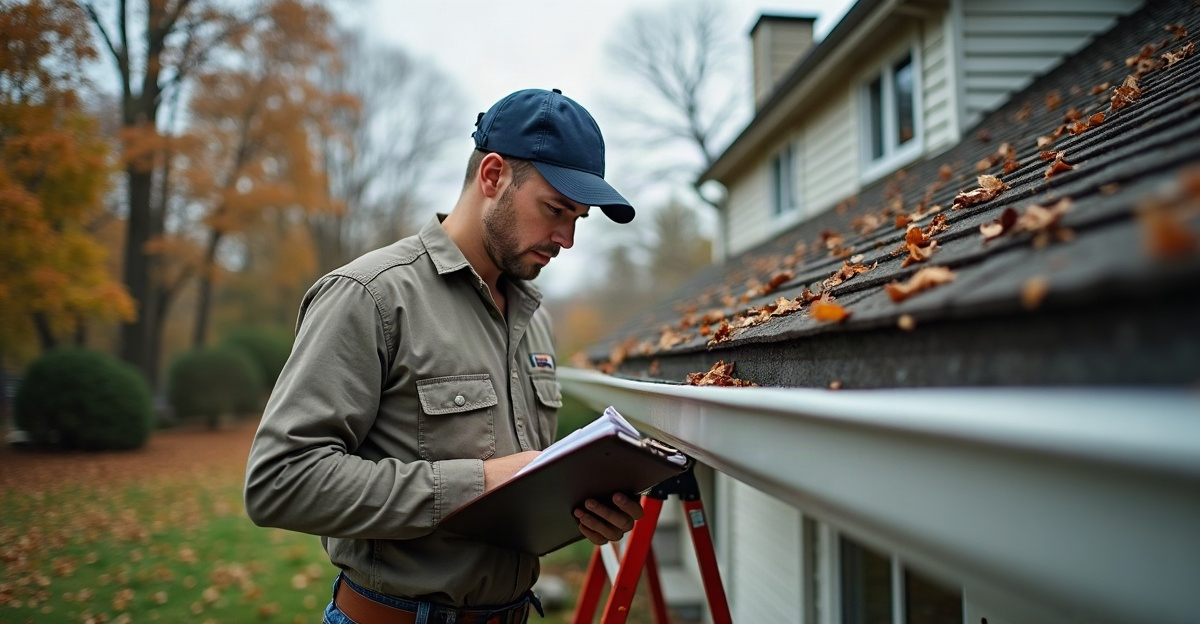
- Annual professional inspections
- Post-storm evaluations
- Regular gutter cleaning
- Ventilation checks
- Immediate minor repairs
Small fixes today prevent structural repairs later.
For homeowners, this protects interior finishes and long-term property value. For commercial property managers, preventative maintenance reduces unplanned capital expenditures and supports asset management goals.
When issues are localized and the roof remains structurally sound, targeted roof repair can extend service life efficiently.
Planning Ahead: Budgeting for Repair or Replacement
Repairs make sense when damage is isolated and the roof is under 60–70% of its expected life. Replacing a few compromised sections is financially smart at that stage.
Replacement becomes more cost-effective when shingle failure is widespread, leaks are recurring, or the system nears the end of its realistic lifespan.
We advise setting aside funds once the roof reaches 70–80% of expected service life. Planning early allows material upgrades that improve long-term return on investment. Architectural or impact-resistant shingles often justify their added cost through extended durability.
If replacement is necessary, a structured roof replacement plan prevents rushed decisions.
The smartest move is a professional assessment. Guessing based on age alone leaves too much uncertainty.
Scheduling an inspection through our team provides clarity, options, and a practical path forward without pressure.
Frequently Asked Questions
How long should a shingle roof last in most climates?
A shingle roof typically lasts between 15 and 40 years, depending on the material, installation quality, climate, and maintenance. Most architectural asphalt shingle roofs perform for about 22 to 30 years under normal residential conditions. Regular inspections and proper attic ventilation can help maximize the roof’s lifespan.
What factors can shorten the lifespan of a shingle roof?
Extreme weather, poor attic ventilation, improper installation, and neglected maintenance are the most common reasons a shingle roof wears out early. High winds, intense sunlight, heavy snow, and moisture buildup all accelerate aging. Addressing small issues quickly can help prevent premature roof failure.
How do you know when a shingle roof needs to be replaced?
Common signs include curling or cracked shingles, excessive granule loss, recurring leaks, damaged flashing, and water stains inside the home. While some problems can be repaired, widespread deterioration often indicates the roof is nearing the end of its service life. A professional inspection can confirm whether repair or replacement is the better option.
Are architectural shingles worth the extra cost over 3-tab shingles?
Architectural shingles generally offer better durability, improved wind resistance, and a longer expected lifespan than traditional 3-tab shingles. Although they cost more upfront, many homeowners find they provide better long-term value through fewer repairs and a longer replacement cycle.
Can regular maintenance help a shingle roof last longer?
Yes. Routine maintenance can significantly extend the life of a shingle roof. Annual inspections, gutter cleaning, post-storm evaluations, ventilation checks, and prompt repairs help prevent minor damage from becoming major structural problems. Preventative care also reduces the likelihood of unexpected replacement costs.