How to repair a damaged roof?
Learning how to repair a damaged roof starts with fast action. We identify whether the issue is isolated or structural as early as possible. We also recognize the line between safe do-it-yourself work and repairs that require a licensed professional. From emergency leak control and safe inspection steps to membrane-specific commercial solutions and cost planning, we focus on fixing the right issue at the right time. That approach protects the property and preserves long-term value.
Key Takeaways
- Act immediately to control interior damage by containing leaks, protecting belongings, and documenting issues for insurance and compliance.
- Start with a safe ground and attic inspection before climbing, and avoid accessing steep, wet, or structurally compromised roofs.
- Minor issues like a few missing shingles or small flashing gaps may be manageable, but structural damage and commercial membrane failures require licensed professionals.
- Proper diagnosis is critical, especially for TPO, EPDM, PVC, and other flat roof systems where incorrect repairs can void warranties.
- Repair is cost-effective when damage is isolated, but widespread deterioration or recurring leaks may justify full replacement based on ROI and roof lifespan.
Emergency Steps to Take When You Notice Roof Damage
Roof damage escalates quickly. Water intrusion spreads through insulation, drywall, and structural framing faster than most property owners expect.
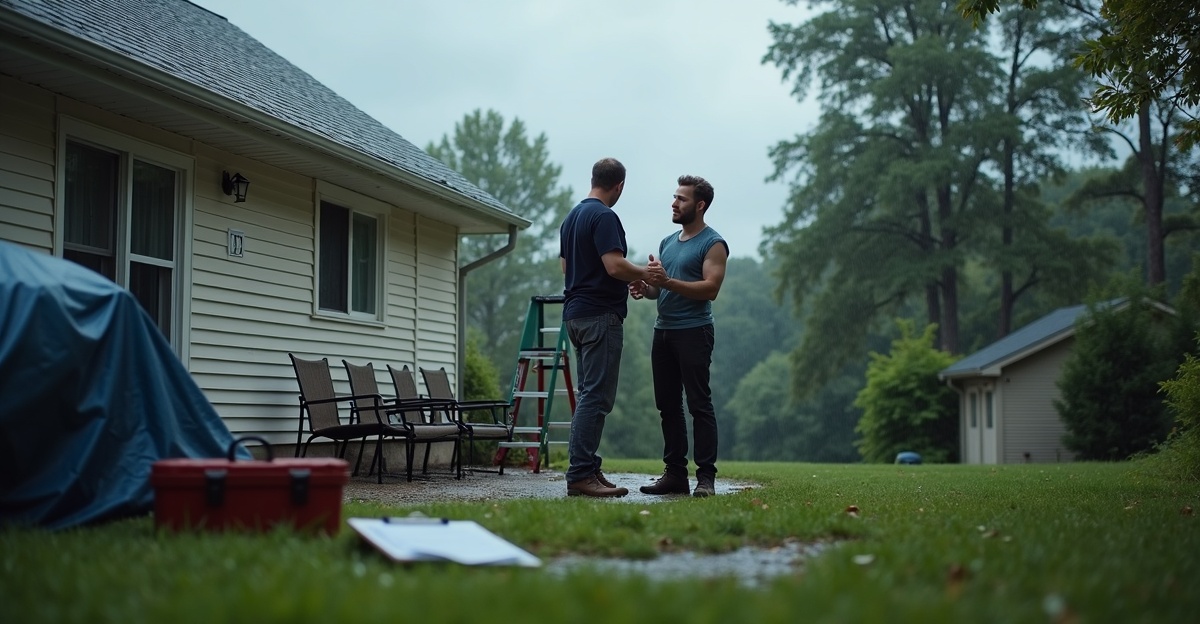
Our first priority during roof damage repair is always safety. We protect the people inside, stop active leaks if possible, and prevent further interior damage.
If water is entering the building, act immediately:
- Move furniture, electronics, and valuables out of the affected area.
- Place buckets or containers under active drips.
- Use plastic sheeting to shield exposed flooring or equipment.
- Apply a temporary tarp to small exposed sections if it is safe and accessible.
Roof access carries serious fall risk, and occupants should never climb onto steep, wet, icy, or visibly unstable roofs. If decking looks soft or sagging, or if the structure appears to be shifting after a storm, treat it as urgent structural damage. A licensed contractor should step in immediately.
Storms often cause hidden failures. High winds lift shingles. Hail punctures membranes. Flying debris damages flashing. In these cases, fast action matters. Emergency roof repair and storm damage repair often need to happen within 24 to 48 hours to help reduce the risk of mold growth and deeper structural problems.
We also document everything. Clear photos and video of exterior and interior damage strengthen insurance claims and support compliance records for commercial properties. Accurate documentation speeds approval and protects your position.
If the damage appears widespread or structural, do not delay. That is when professional emergency roof repair becomes essential.
Common Types of Roof Damage and Warning Signs You Shouldn’t Ignore
Roof systems fail differently depending on material and building type.
Residential roofs commonly use asphalt shingles, tile, or metal panels. Commercial buildings typically rely on TPO, EPDM, PVC, modified bitumen, or built-up roofing systems. Each has distinct failure points.
Common Residential Roof Issues
- Missing or lifted shingles
- Cracked or displaced tiles
- Warped or lifted metal panels
- Flashing failure around chimneys and vents
- Granule loss and nail pops
Common Commercial Roof Issues
- Membrane punctures from foot traffic or debris
- Seam separation on TPO or PVC systems
- Ponding water due to drainage failures
- Flashing breakdown at penetrations
- Membrane shrinkage on aging systems
Interior warning signs often appear before exterior damage is obvious. Look for ceiling stains, bubbling paint, attic moisture, wet insulation, musty odors, or unexplained increases in energy bills.
Exterior warning signs may include sagging sections, torn flat membranes, displaced shingles, or visible impact damage.
Isolated damage is often repairable. A few missing shingles or a localized puncture may not require full replacement. However, widespread deterioration, recurring leaks, or large seam failures may indicate the system is approaching end-of-life.
Flat roof repair on commercial systems differs significantly from residential roof leak repair. Many flat roofs depend on heat-welded seams, specialized adhesives, and strict manufacturer warranty requirements. Improper patching can void coverage and reduce lifespan.
When water enters at flashing joints or penetrations, targeted flashing repair may solve the issue. When insulation becomes saturated or membranes separate, the solution becomes more complex.
Accurate diagnosis always comes first.
How to Safely Assess Roof Damage Before Attempting Repairs
Before learning how to repair a damaged roof, start with a safe and thorough assessment.
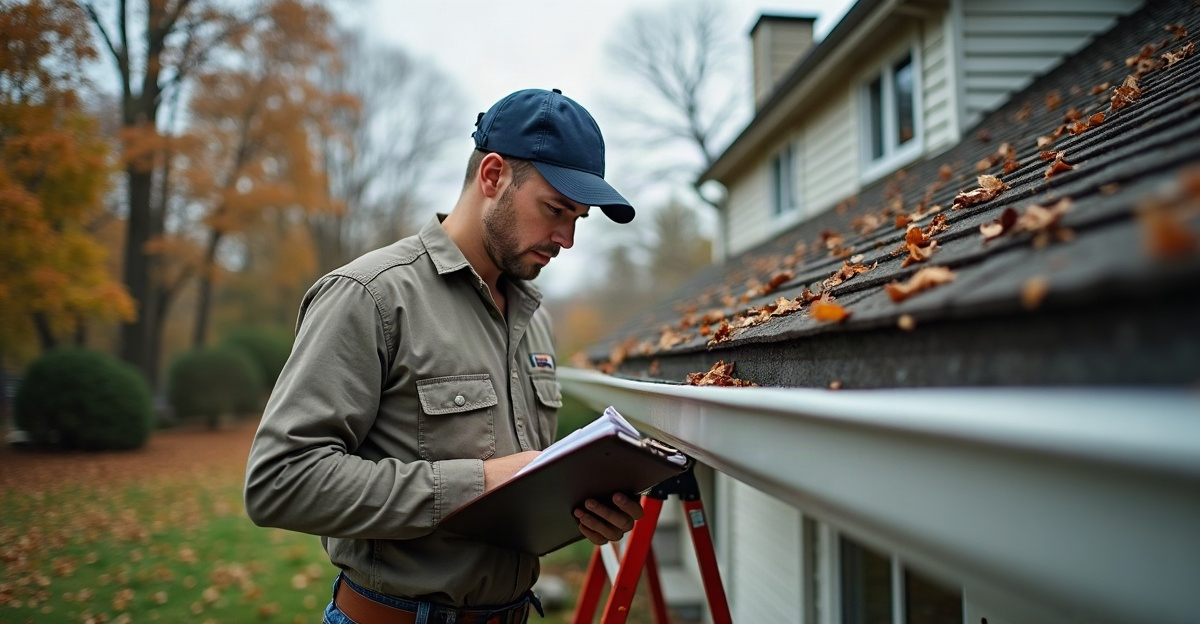
Begin from the ground. Use binoculars to spot missing materials, punctures, lifted flashing, and uneven rooflines. This allows evaluation without stepping onto potentially unstable surfaces.
Next, inspect the attic. Look for daylight through decking, moisture trails along rafters, and active drips. Damp insulation is a serious warning sign. Structural movement or soft decking may indicate framing issues similar to those addressed in professional truss repair scenarios.
Avoid climbing if:
- The roof pitch is steep.
- The surface is slick from rain, snow, or algae.
- The decking feels soft or compromised.
Building codes and permit requirements should always be reviewed before beginning roof repairs. Even minor repairs may require compliance checks, particularly for commercial facilities. Proper documentation protects asset value, insurance status, and warranties.
DIY mistakes can void warranties on TPO, EPDM, and PVC systems. Many manufacturers require certified installers for seam repairs and alterations. A poorly applied patch can create long-term financial consequences.
When in doubt, schedule professional roof inspection services to fully understand the scope of damage before making repair decisions.
Minor Repairs You May Handle vs. Repairs That Require a Professional
Knowing how to repair a damaged roof begins with recognizing what qualifies as minor and what requires licensed expertise.
Minor Repairs Some Skilled Homeowners Can Handle
If you have proper safety equipment and roofing experience, small localized issues may be manageable:
- Replacing a few asphalt shingles using methods similar to how to shingle a roof.
- Applying roofing sealant to minor flashing gaps.
- Securing a loose shingle tab with roofing cement.
Always prioritize fall protection and safe conditions. Never attempt repairs during storms or on unstable surfaces.
Repairs That Require a Licensed Contractor
- Structural damage or sagging rooflines
- Widespread or recurring leaks
- Membrane failures on TPO, EPDM, or PVC systems
- Complex flashing repair around chimneys and skylights
- Extensive storm-damaged areas
- Commercial flat roof repairs involving seams, insulation, or drainage
Flat roof systems often involve complex drainage challenges. If ponding occurs near scuppers or interior drains, review flat roof drainage problems and fixes to better understand potential causes. Persistent ponding typically demands professional correction.
Residential properties may require targeted roof repair services to prevent local damage from spreading. Commercial buildings require detailed documentation and system-specific procedures to maintain warranty compliance.
Structural repairs, decking replacement, or framing modifications should never be improvised.
What the Professional Repair Process Looks Like (Step-by-Step)
Professional roof repair follows a structured, accountable process.
1. Detailed Inspection
We evaluate shingles or membranes, flashing, decking, insulation, and drainage systems. Special focus is placed on penetrations, valleys, and parapets.
2. Documentation
We capture photos, measure moisture levels when needed, and prepare a written scope of work. This protects insurance claims and commercial compliance records.
3. Clear Proposal
Clients receive a straightforward breakdown of materials, labor, timeline, warranty details, and cost drivers.
4. Permitting (If Required)
Local regulations vary. Commercial properties often require additional compliance documentation.
5. Repair Execution
Damaged materials are removed. Compromised decking is replaced when necessary. New shingles or membranes are installed, flashings are sealed, and penetrations are fully waterproofed. On flat systems, seam integrity is restored using manufacturer-approved techniques similar to those described in single membrane roof repair guidance.
6. Final Quality Check
We verify sealing, drainage performance, and compliance with warranty standards.
Minor roof leak repairs may take only a few hours. Large commercial sectional repairs may extend several days depending on weather and scope.
Early repair limits long-term cost and disruption.
How Much Roof Repairs Cost, Repair vs. Replacement, and When to Schedule an Inspection
Roof repair costs vary widely depending on several factors:
- Extent of damage
- Roofing material type
- Accessibility and pitch
- Labor intensity
- Emergency tarping requirements
- Water intrusion and insulation replacement
A small asphalt shingle repair generally costs less than restoring a large commercial membrane with saturated insulation. Tile, metal, and flat membrane systems require specialized procedures and compliance with manufacturer standards.
For a detailed breakdown of pricing considerations, review how much it costs to repair a roof leak.
Repair is appropriate when damage is localized and the system remains structurally sound. Replacement becomes more cost-effective when deterioration is widespread or the roof nears the end of its service life.
For commercial properties, we evaluate return on investment, lifespan extension, warranty status, and tenant impact. For homeowners, the goal is long-term protection and peace of mind.
Preventive maintenance reduces future emergencies:
- Schedule periodic professional inspections.
- Keep gutters and drains clear.
- Address flashing repairs early.
After major storms, interior leaks, or before buying or selling property, schedule a professional assessment.
If roof damage is present and you need clear answers, request a professional evaluation from RayPro through our contact page. We will help you develop a practical, cost-effective repair plan.
Frequently Asked Questions
Can you repair a damaged roof without replacing the entire roof?
Yes, a damaged roof can often be repaired if the problem is limited to a specific area and the rest of the roof remains in good condition. Replacing a few shingles, repairing flashing, or patching a small leak is usually more cost-effective than a full replacement. However, extensive deterioration or recurring leaks may make replacement the better long-term solution.
How do you know if roof damage is structural?
Structural roof damage often includes sagging rooflines, soft decking, cracked framing, or widespread water intrusion. You may also notice interior ceiling cracks, sticking doors, or significant attic moisture. These issues affect the roof’s stability and should be evaluated by a licensed roofing professional rather than repaired as a DIY project.
Is it safe to repair a leaking roof yourself?
It depends on the extent of the damage and the roof conditions. Minor repairs on a dry, low-slope roof may be manageable for someone with the proper tools and safety equipment. Steep, wet, unstable, or storm-damaged roofs present serious fall hazards and should always be handled by a qualified contractor.
How soon should you repair roof damage after a storm?
Roof damage should be addressed as soon as possible, ideally within 24 to 48 hours if water is entering the building. Quick action helps prevent mold growth, insulation damage, and structural deterioration. Temporary measures such as containing leaks and covering exposed areas can reduce additional damage until permanent repairs are completed.
What is the best way to prevent future roof damage?
The best way to prevent roof damage is through regular inspections and routine maintenance. Keep gutters and drains clear, repair damaged flashing promptly, trim overhanging branches, and inspect the roof after severe weather. Addressing small issues early helps extend the roof’s lifespan and reduces the risk of costly emergency repairs.