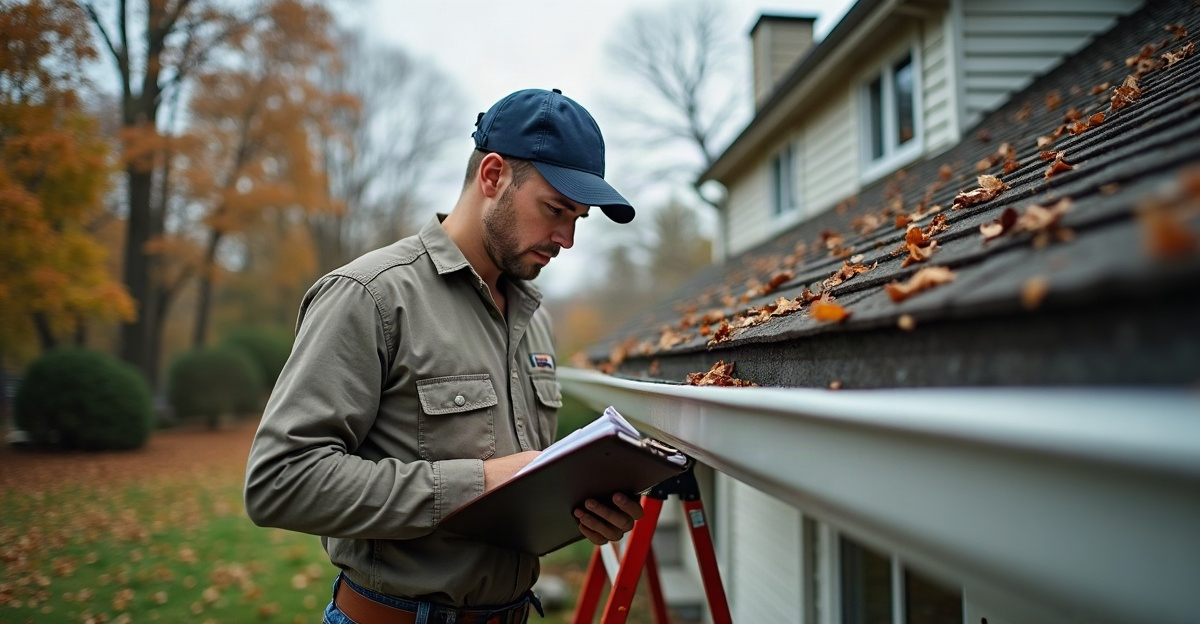
How long does gutter installation take?
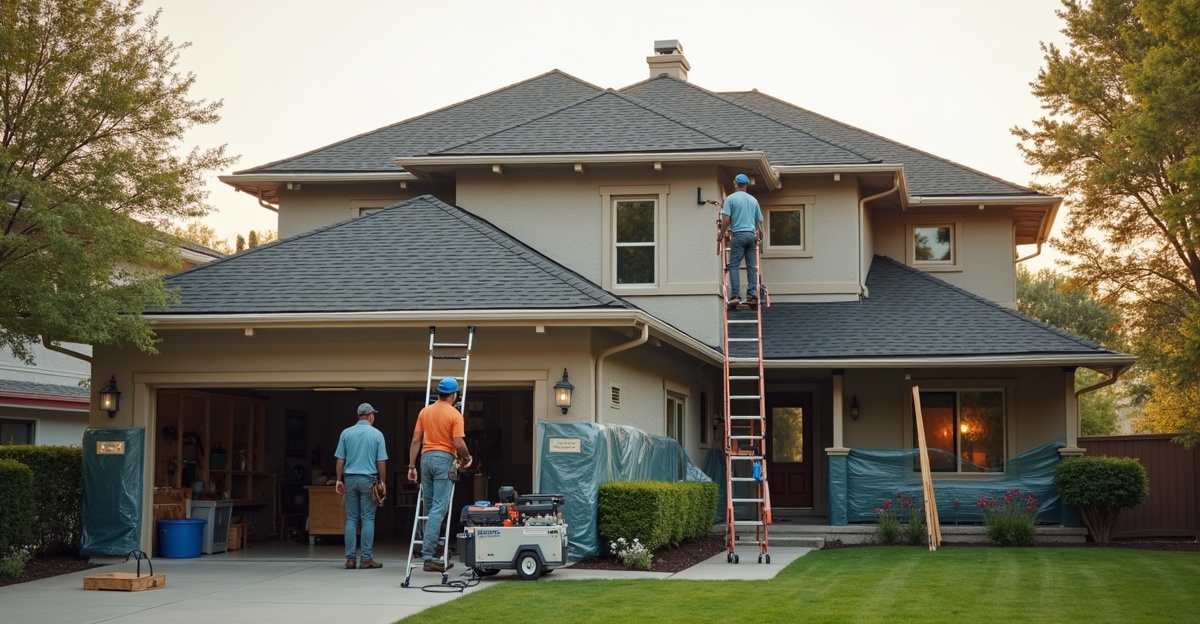
If we’re asking how long gutter installation takes, most residential projects wrap up in one day. Larger homes and commercial properties can take several days or even multiple weeks, depending on scope and coordination. The true timeline depends on roof complexity, materials, prep work, permitting, and whether we’re replacing gutters, installing new systems, or adding gutter guards.
Key Takeaways
- Most homes (2,000–2,500 sq. ft.) have gutters installed or replaced in 1 day; larger or more complex homes may take 1–2 days.
- Commercial and multi-family projects span several days to multiple weeks due to size, phased scheduling, safety requirements, and permitting.
- Gutter guard installation usually takes a few hours to 1 day and often happens the same day as a new gutter installation.
- Seamless gutters are fabricated on-site, which adds setup time but delivers a better fit, stronger performance, and fewer leaks.
- Materials, weather, fascia repairs, access constraints, and crew scheduling all affect the final project timeline.
How Long Does Gutter Installation Take? Quick, Honest Timelines You Can Plan Around
Most residential gutter installations take 1 day. Larger or more complex homes may take 1–2 days, while commercial or multi-building projects can take several days to multiple weeks depending on size and coordination.
If we’re adding gutter guards to existing gutters, the job usually takes a few hours to 1 day. A combined gutter and guard installation typically adds several hours but is still completed within the same day for a standard home.
When clients ask us, “how long does gutter installation take?” we give a straight answer: it depends on size, access, materials, and prep work—not just square footage. We’ll never promise a one-day turnaround if the project needs more time to be done safely and correctly. Long-term performance always matters more than speed.
Residential Gutter Installation: What Most Homeowners Can Expect
For most homes, the timeline is simple and predictable.
A standard 2,000–2,500 square foot home can usually have gutters replaced in about 1 day. Larger homes over 3,000 square feet or houses with complex rooflines—multiple peaks, valleys, and elevation changes—often take 1–2 days.
Replacement vs. New Installation
Replacement projects sometimes take a little longer because we remove and haul away old gutters first. That adds labor and cleanup time.
New installations on new construction can move faster if the fascia is already prepared and no demolition is required. Still, we inspect everything before installing. If we find fascia damage or roof edge deterioration, we address that first. Skipping those repairs shortens the timeline but reduces system lifespan. We won’t do that.
Many homeowners are surprised to learn that seamless gutters are fabricated on-site. We bring a roll-forming machine and cut each section to exact length. That setup adds some time at the beginning of the job, but it improves fit and reduces leaks. It’s worth it.
What the Day Looks Like
On a typical residential project, we:
- Remove and dispose of old gutters (if replacing)
- Inspect fascia and make minor repairs if needed
- Fabricate seamless gutters on-site
- Install hangers, gutters, and downspouts
- Seal joints and test drainage
- Clean up debris before we leave
Most families experience minimal disruption. We work efficiently, respect your property, and complete removal, installation, and cleanup during the same visit.
If you want more detail about how pricing connects to scope and timeline, our guide on gutter installation cost breaks it down clearly.
For homeowners ready to move forward, our professional gutter installation services include a clear timeline upfront so there are no surprises.
Commercial and Multi-Family Projects: Why Scheduling Takes Longer
Commercial work operates on a different scale.
A small commercial building may take several days. Larger properties or multi-building complexes—like a 100-unit multi-family property—can take multiple weeks depending on phasing and tenant coordination.
There are practical reasons for this:
- Multi-site coordination and tenant scheduling
- Safety compliance and site access planning
- Lift equipment, scaffolding, and staging areas
- Traffic control where needed
Permitting can also add days or weeks before installation begins, especially for larger buildings.
Material choices make a difference as well. Steel, copper, custom colors, and specialty systems like box gutters require longer fabrication times. Lead times alone can extend the schedule before we even arrive on-site.
From a commercial standpoint, the conversation is about ROI, compliance, and minimizing disruption. We plan projects in phases to keep operations running. Clear scheduling protects tenants, employees, and customers while reducing liability exposure.
For facility managers who want to understand system design in greater detail, our overview of roof drainage systems explained provides helpful background before planning large-scale upgrades.
How Long Does Gutter Guard Installation Take?
Installing gutter guards on existing gutters typically takes a few hours to 1 day for most homes. When we install guards during a new gutter project, it usually adds a few additional hours and is completed the same day.
When property owners ask, “how long does gutter guard installation take,” the real answer depends on a few things.
If existing gutters are in good condition, installation moves quickly. If we discover loose hangers, sagging sections, or clog-related damage, we recommend repairs before adding guards.
The type of guard also matters. Surface tension systems, micro-mesh guards, and screen-style guards each install differently. Heavier systems may require reinforcement.
Debris buildup can add prep time as well. We won’t install guards over packed debris. We clean and flush the system first.
There’s also a difference between:
- Replacing gutters only
- Adding gutter guards to existing gutters
- Upgrading the full system (gutters + guards together)
For residential clients, guards reduce long-term maintenance and ladder use. That lowers fall risk and gives peace of mind. For commercial properties, they reduce recurring service visits and potential liability from overflow or blocked drainage.
What Can Speed Up or Delay Your Project
The idea that “it only takes a few hours” or “all projects are one-day installs” overlooks the realities of field work.
Project timelines are influenced by:
- Property size and roofline complexity
- Material type (aluminum installs faster than copper or specialty metals)
- Seamless fabrication and custom color matching
- Removal and disposal of old gutters
- Roof condition and fascia repairs discovered during installation
- Permitting requirements
- Weather delays like rain or high winds
- Access challenges such as steep pitches or landscaping obstacles
- Equipment needs like lifts or scaffolding
- Crew availability and material ordering timelines
Aluminum remains the most efficient option for residential projects. Copper and specialty systems require custom fabrication and longer lead times. On commercial properties, steel or box-style systems increase schedule depth because of structural considerations.
Weather also plays a role. We don’t install gutters during unsafe wind conditions or heavy rain because roofing and ladder safety guidelines prioritize worker safety. Safety controls the calendar, not pressure to finish faster.
From Inspection to Installation: The Full Project Timeline
Many people focus on the install day. The full timeline starts earlier.
First, we perform an inspection and take precise measurements. We also evaluate slope requirements, drainage capacity, and fascia condition. Poor slope leads to standing water and overflow, so we correct that during layout.
If materials require ordering, we confirm lead times before scheduling. Seamless systems still require planning, even when fabricated on-site.
For a typical 2,500 square foot home replacing gutters, the process often looks like this: inspection this week, installation scheduled within days to a couple of weeks depending on season and crew availability.
For a large multi-family property, the process includes inspection, scope development, permitting review, material coordination, and phased scheduling across buildings. That alone can extend pre-installation planning before work begins.
We’re often asked:
How long does gutter installation take for a house?
Usually 1 day, sometimes 1–2 days for larger or complex homes.
How long does gutter installation take for commercial buildings?
From several days for small buildings to multiple weeks for large or multi-building properties.
How long does gutter guard installation take?
A few hours to 1 day for most homes, often completed the same day as new gutter installation.
Can gutters be installed in one day?
Yes, most residential projects can. The scope and prep work determine whether it’s realistic.
Clear scheduling prevents frustration. Whether you’re managing a business property or protecting your home, we provide defined timelines upfront. If you’re ready to plan your project, you can schedule an inspection with our team. We’ll evaluate your property, outline the scope, and give you a timeline you can count on.
Frequently Asked Questions
How long does it take to replace gutters on an average home?
Most gutter replacement projects for a standard-sized home are completed in one day. Larger homes, complex rooflines, or properties requiring fascia repairs may take one to two days. The final timeline depends on preparation, weather conditions, material selection, and site accessibility rather than square footage alone.
Can seamless gutters be installed in one day?
Yes, seamless gutters can often be installed in one day on most residential properties. Although they are custom-fabricated on-site, experienced installers can measure, form, and install the system during the same visit. This process creates a better fit with fewer seams, helping reduce the risk of future leaks.
What can delay a gutter installation project?
Weather, damaged fascia boards, difficult roof access, specialty materials, and permitting requirements are the most common causes of delays. Custom metals such as copper may also require longer fabrication times. A thorough inspection before installation helps identify potential issues and provides a more accurate project schedule.
Does installing gutter guards add a lot of time?
In most cases, adding gutter guards only extends the project by a few hours and is often completed on the same day as a new gutter installation. If guards are being installed on existing gutters, the system may need cleaning or minor repairs first to ensure the guards perform as intended.
Should damaged fascia be repaired before installing new gutters?
Yes, repairing damaged fascia before installing new gutters is recommended. Gutters rely on solid fascia boards for secure attachment and proper support. Installing a new system over deteriorated wood can shorten its lifespan, reduce performance, and lead to additional repair costs later.