What is residential construction?
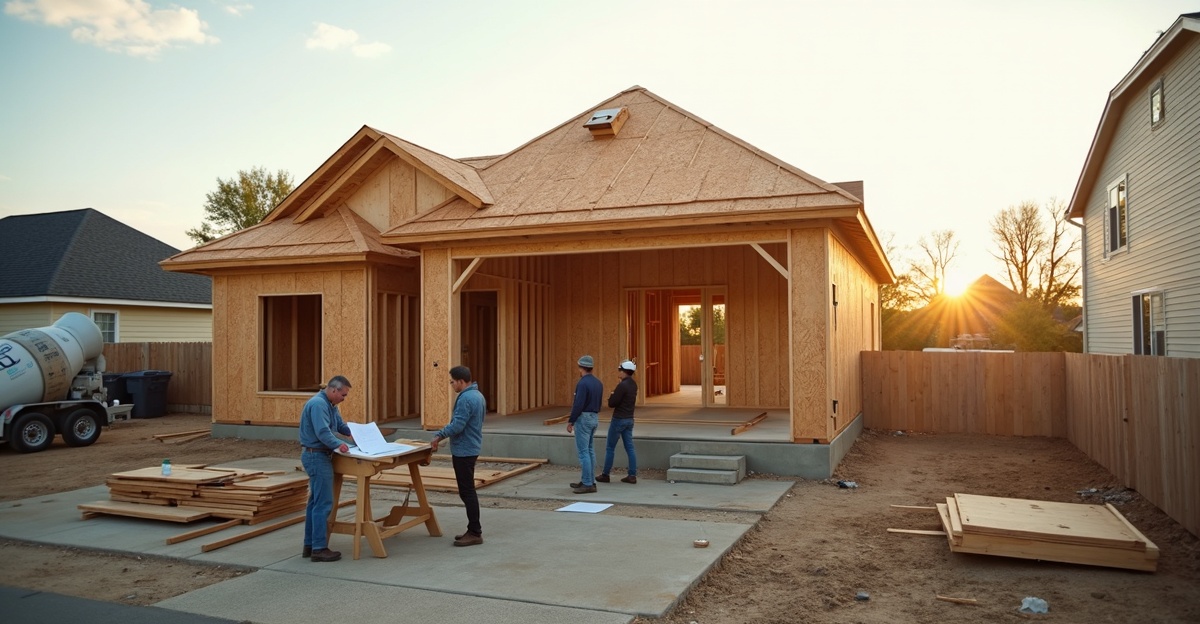
Residential construction covers the design, building, renovation, and repair of homes. We complete projects that range from new home builds and roof replacements to kitchen remodels and structural repairs. Our team follows a structured process that includes planning, permits, inspections, and coordination between trades to deliver safe, comfortable living spaces.
Key Takeaways
- Residential construction includes new home builds, renovations, additions, roofing, structural repairs, and exterior upgrades for single-family and small multi-family properties.
- Every project follows defined phases: design and planning, permitting, site work, structural framing, mechanical systems, and final finishes with required inspections.
- Residential construction differs from commercial work in scale, materials, building codes, financing, and overall complexity.
- Costs and timelines depend on square footage, material choices, structural complexity, labor markets, site conditions, and potential hidden issues in renovations.
- Clear contracts, proper permits, licensed contractors, and proactive project management protect our budget, schedule, and long-term property value.
Residential Construction Explained: Scope, Purpose, and Real-World Examples
Residential construction refers to the design, building, renovation, and repair of homes and living spaces where people live. It covers everything from new home construction on vacant land to upgrading a kitchen or replacing a storm-damaged roof.
We’re talking about single-family homes, townhomes, condominiums, duplexes, and multi-family properties, typically up to four units. In some areas, small apartment buildings may also fall under residential classification, depending on local codes.
If we’ve searched phrases like what is residential construction, what is a residential construction, or what is residential construction?, the answer is straightforward. It’s any construction work focused on safe, functional, comfortable living spaces for individuals and families.
Residential construction includes both new builds and improvements to existing homes. Common projects include:
- New home builds on vacant property
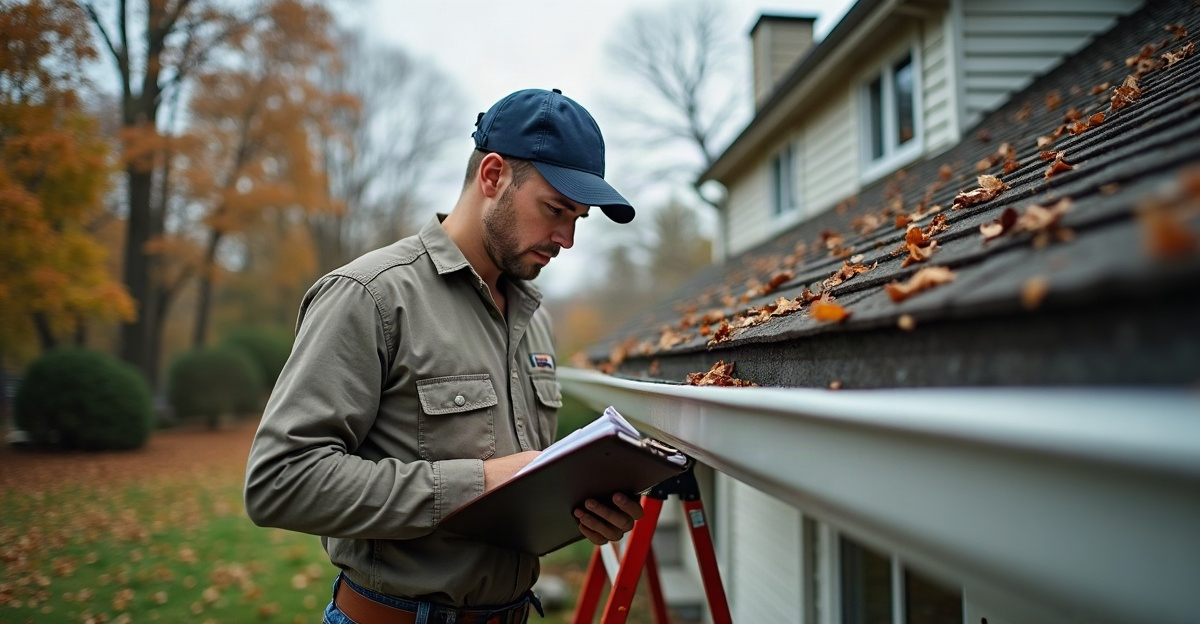
- Roof replacement and storm damage repair
- Room additions such as garages, extra bedrooms, or second-story expansions
- Kitchen and bathroom remodels
- Structural repairs like foundation stabilization or framing corrections
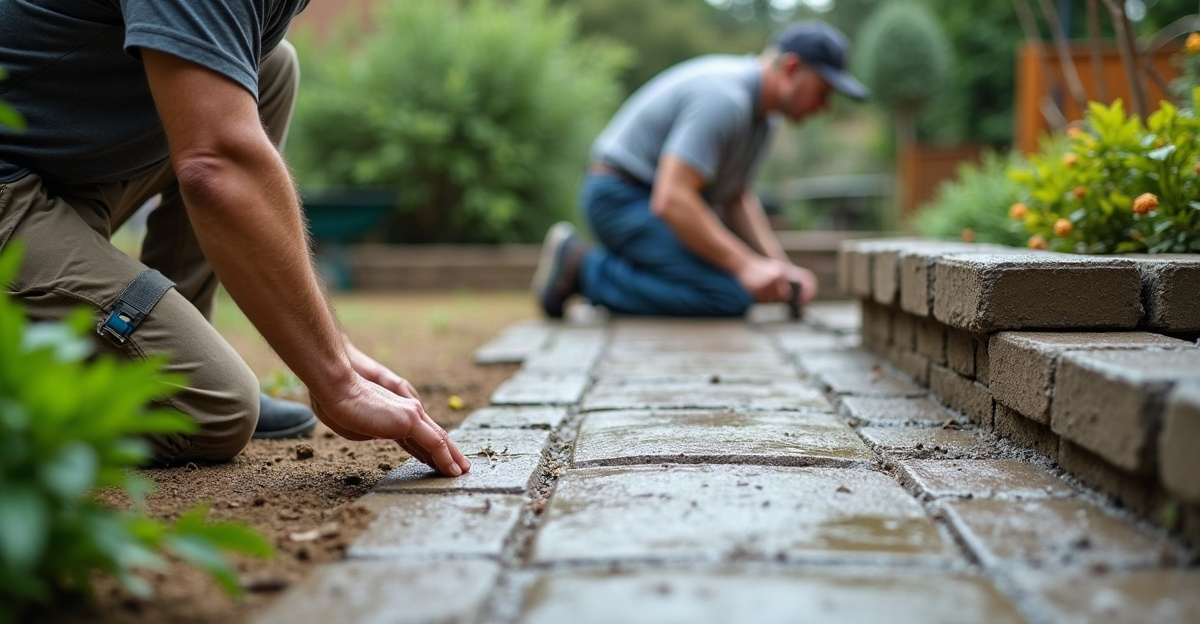
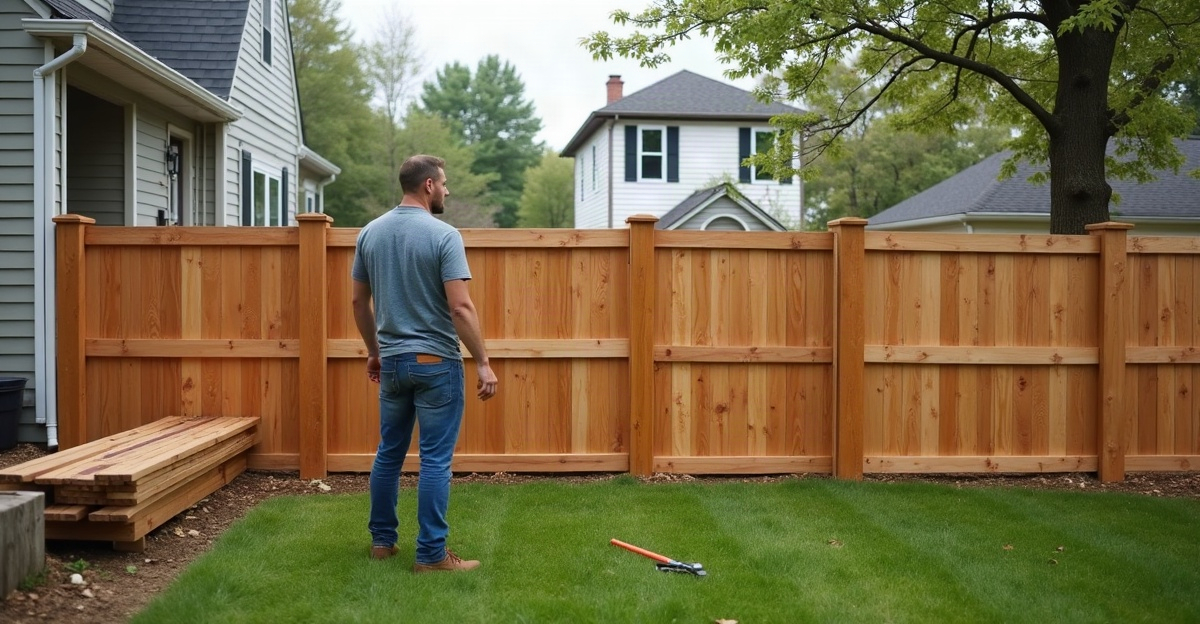
- Exterior upgrades including siding, windows, and decks
Each of these projects improves daily living while protecting property value. A new roof shields our family from weather. A remodeled kitchen improves function. A structurally sound foundation protects the entire investment.
At its core, residential construction delivers peace of mind, safety, and long-term value.
What Residential Construction Typically Includes From Start to Finish
Every project follows a structured residential construction process, even if it looks simple from the outside. A roof replacement, for example, still requires planning, scheduling, permits, and inspections.
Design, Planning, and Site Work
We start with design and planning. That involves architectural drawings, structural planning, budgeting, and material selection. On larger projects, we evaluate load paths, foundation needs, and system upgrades before any physical work begins.
Permits and approvals come next. Most residential construction projects require permits to meet local building codes and safety rules. Inspections happen at designated stages to confirm that work meets those standards.
Site preparation follows. Depending on the project, this may include:
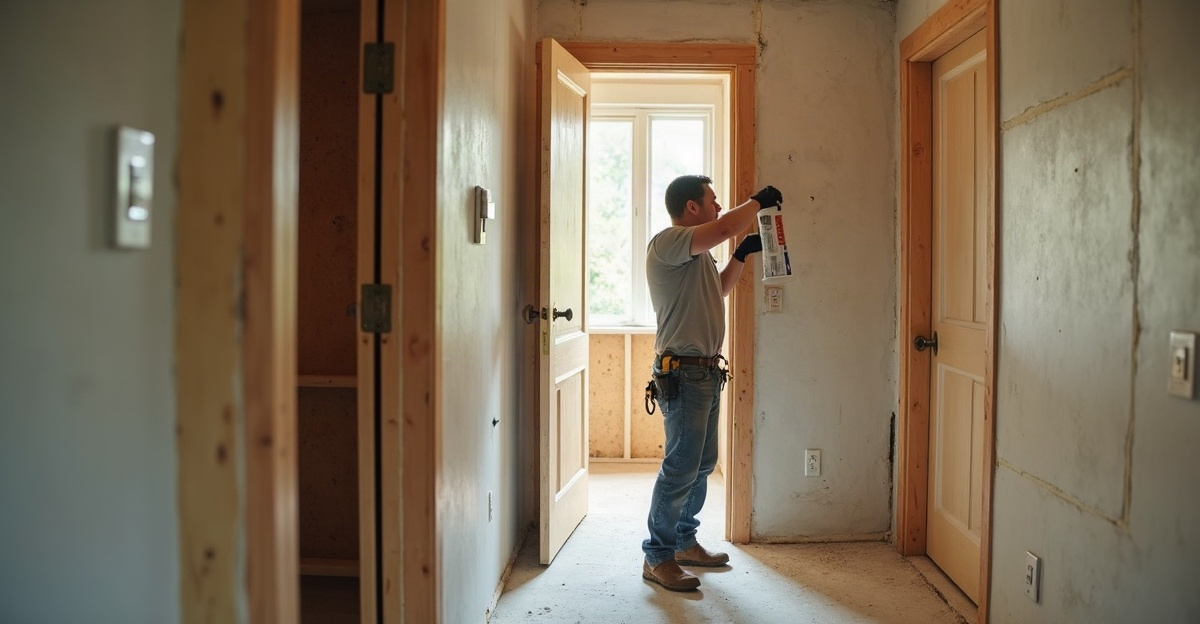
- Demolition for remodels
- Land grading for new builds
- Foundation installation or repair
- Utility setup
This early phase sets the stage for everything that follows.
Structural, Mechanical, and Finishing Phases
Once the site is ready, structural construction begins. That includes framing, installing load-bearing components, and building the roofing system. Homeowners often ask about materials, especially roofing. Understanding the best residential roofing material helps balance durability, cost, and curb appeal.
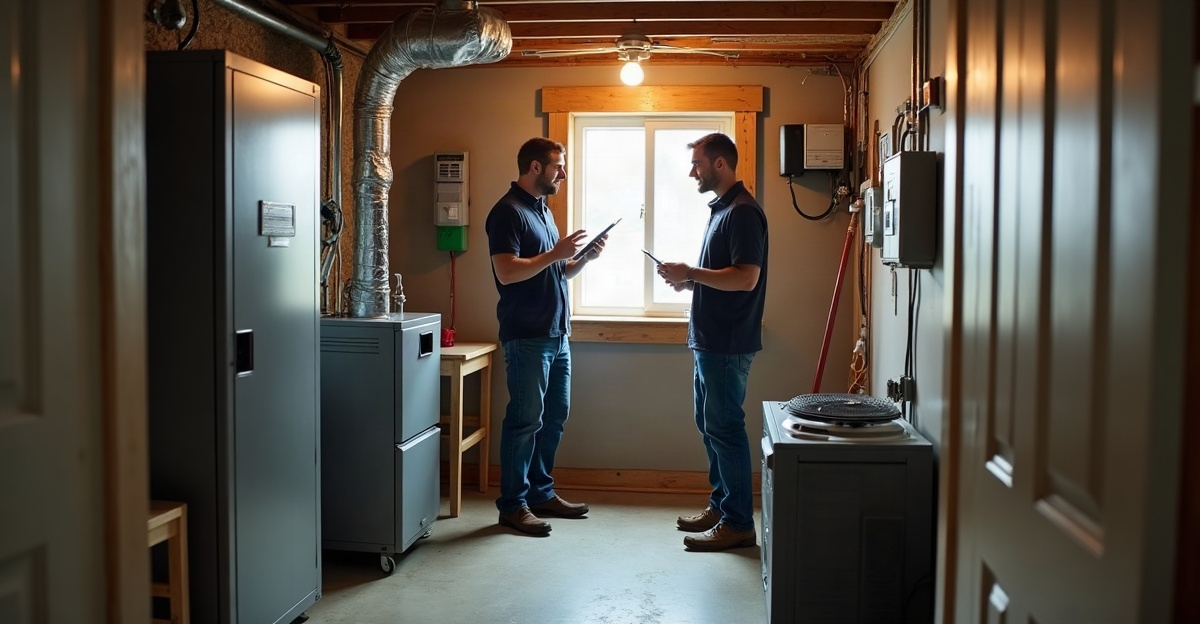
After framing and roofing, we install mechanical systems. These include electrical, plumbing, and HVAC components. Specialized crews often handle this work, such as licensed teams for electrical services, plumbing services, and HVAC services. Each system must pass inspections before walls are closed up.
Finally, we move to interior and exterior finishes. Drywall, flooring, cabinetry, painting, siding, trim, and fixtures bring the project together. Multiple inspections occur throughout the process to ensure structural strength, fire safety, and code compliance.
Residential construction typically involves:
- The homeowner or property owner
- A general contractor overseeing scheduling and budget control
- Subcontractors such as roofers, framers, electricians, and plumbers
- Inspectors and code officials
Even smaller projects require coordination. A straightforward roof replacement still demands permit verification, material scheduling, debris removal, and final inspection. Strong project management keeps everything on track.
For whole-home builds and major additions, professional oversight becomes even more important. Our residential construction services help coordinate every moving part so homeowners aren’t left managing crews on their own.
How Residential Construction Differs From Commercial Construction
Residential and commercial construction may look similar on the surface, but they operate differently.
Project scale is the first major difference. Homes are built for families or small groups. Commercial buildings like retail centers, warehouses, and office complexes serve larger numbers of occupants and require more extensive infrastructure. To better understand the distinctions, we explain them in detail in our guide on commercial vs residential construction.
Residential and commercial building codes also vary. Residential codes focus on family safety, fire protection, and habitability. Commercial codes are often stricter due to occupancy loads, accessibility requirements, and public access rules.
Materials and structural systems differ as well. Residential projects commonly use wood framing and lighter systems. Commercial projects often use steel framing, reinforced concrete, and more complex mechanical systems.
Budgets and financing change the dynamic too. Residential construction typically relies on mortgages, home equity, savings, or insurance claims. Commercial construction centers on return on investment, investor expectations, and long-term asset performance.
Timelines reflect that complexity. Commercial projects usually involve more stakeholders, additional regulatory layers, and extended schedules. Residential projects move faster, though large custom homes can still take several months or longer.
There are gray areas. Mixed-use buildings and large multi-family developments may fall under commercial classification depending on size and local regulations. For larger-scale developments, teams specializing in commercial construction projects handle those additional requirements.
Costs, Timelines, and What Impacts Your Investment
Residential construction costs depend on several well-established cost factors. The biggest drivers include:
- Total square footage
- Material quality and finish selections
- Structural complexity
- Local labor market conditions
- Permit and inspection fees
- Site conditions such as soil quality, slope, and accessibility
New builds and renovations behave differently from a budgeting standpoint. Renovations often uncover hidden issues like water damage, outdated wiring, or structural wear. Those discoveries can affect the final investment.
Homeowners weighing options may find it helpful to review remodeling versus rebuilding before committing to a major project.
Timelines vary widely. A roof replacement may take a few days. A room addition or whole-home remodel can stretch across several weeks or months. New home construction often takes several months or longer, depending on size and design.
Strong planning reduces stress. Clear written scopes of work, transparent pricing, and realistic schedules protect the budget. We also recommend building a contingency into any project plan. Material delays, weather issues, or hidden repairs can happen. Preparing for them keeps the project moving without financial strain.
For homeowners upgrading kitchens or major interior spaces, planning matters just as much as construction. Reviewing steps on planning a kitchen remodel and guidance on how to budget for a home remodel helps set accurate expectations from the start.
Common Questions Homeowners Ask Before Starting a Project
Permits are one of the first concerns. In most cases, structural changes, roofing, electrical work, plumbing updates, and additions require permits. Skipping that step can create legal and insurance complications later.
Inspections occur at specific milestones. Inspectors review framing, electrical, plumbing, and final finishes to confirm everything meets code.
Choosing a contractor deserves careful attention. We recommend that homeowners:
- Verify licensing and insurance
- Review past residential projects
- Request detailed written estimates
- Confirm timelines and communication processes
Contracts should clearly define the scope of work, materials to be used, payment schedules, estimated timelines, and warranty details. Clear documentation protects both parties.
Managing the process effectively also matters. Homeowners benefit from understanding how to manage a remodeling project effectively so expectations stay aligned from start to finish.
Working with a contractor who explains the process in plain terms makes a major difference. Construction affects daily routines. Crews enter living spaces. Noise and dust happen. A respectful team keeps disruption to a minimum and communicates proactively.
When to Talk to a Residential Construction Professional
Certain signs indicate it’s time to consult an expert. An aging roof, recurring leaks, foundation cracks, outdated interiors, storm damage, or plans for expansion all merit professional input.
Early consultation helps clarify structural limits, realistic budgets, and permit requirements before significant decisions are made. That insight can prevent costly changes later.
Whether planning an addition, updating a kitchen, or building from the ground up, comprehensive general contracting services bring coordination and accountability to the project. Instead of juggling multiple crews, we maintain one clear plan and one communication channel.
If a residential construction project is on the horizon, the next step is simple. Schedule a consultation, request an inspection, and talk through goals with our team at RayPro Roofing and General Contracting. Clear answers and a defined plan create confidence before the first nail is set.
Frequently Asked Questions
What types of projects are considered residential construction?
Residential construction includes building new homes, renovating existing houses, adding living space, replacing roofs, repairing foundations, and upgrading exterior features like siding, windows, and decks. These projects focus on creating safe, functional, and comfortable living spaces for homeowners while improving property value and meeting local building code requirements.
How long does a residential construction project usually take?
The timeline depends on the project’s size and complexity. Small projects, such as roof replacements, may take only a few days, while room additions, major remodels, or custom home construction can take several months. Permits, inspections, weather, material availability, and unexpected repairs can all affect the overall schedule.
Do I need permits for residential construction work?
Most residential construction projects require permits, especially when they involve structural changes, roofing, electrical work, plumbing, HVAC systems, or home additions. Permits help ensure the work complies with local building codes and safety standards. Failing to obtain required permits can lead to delays, fines, or complications when selling or insuring the property.
What factors affect the cost of residential construction?
Residential construction costs are influenced by square footage, material quality, labor rates, site conditions, project complexity, and permit fees. Renovation projects may also uncover hidden issues such as water damage or outdated wiring that increase expenses. A detailed estimate and contingency budget can help reduce unexpected financial surprises.
How do I choose the right residential construction contractor?
Start by verifying the contractor’s licensing, insurance, and experience with similar residential projects. Ask for references, review completed work, and request a detailed written estimate outlining the scope, materials, timeline, payment schedule, and warranty. Choosing a contractor with clear communication and strong project management helps keep the project on schedule and within budget.