How much does a fence installation cost?
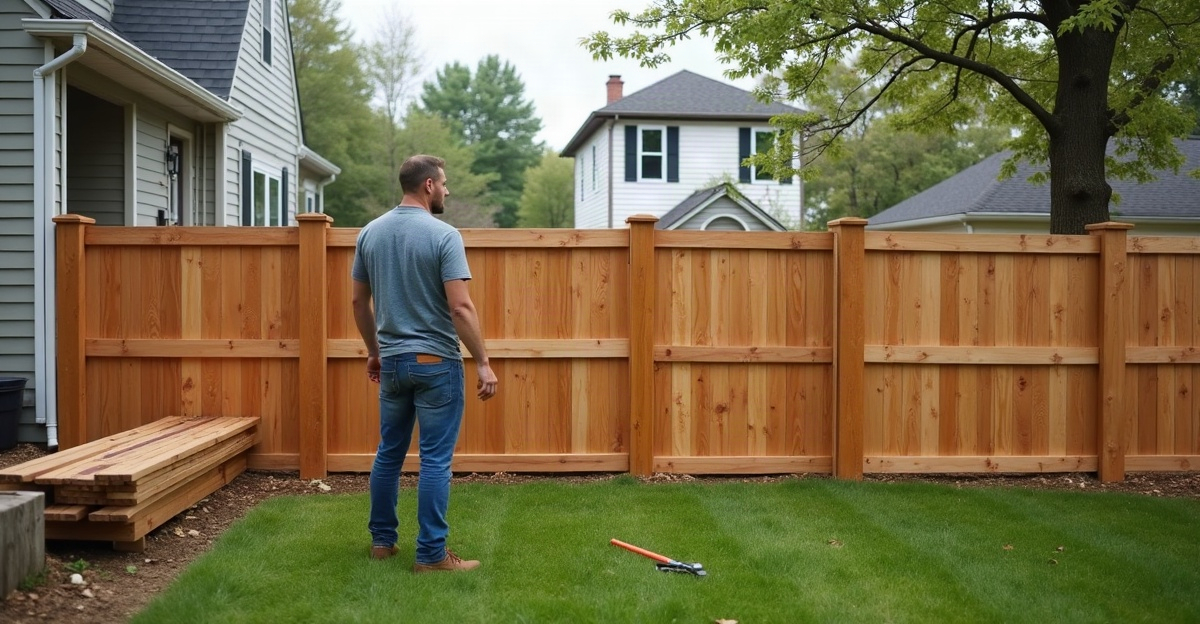
Fence installation costs typically range from $15 to $60 per linear foot for residential projects, with total investments between $1,500 and $12,000 depending on footage, materials, and site conditions. Commercial fencing projects often range from $10,000 to $100,000 or more based on security needs, gate systems, compliance standards, and overall scope.
Key Takeaways
- Residential fence installation typically costs $15–$60 per linear foot, with total price driven by material, height, and terrain.
- Material selection strongly influences cost, lifespan, and maintenance, from economical chain link to premium steel or composite options.
- Gates, demolition of existing fencing, soil conditions, and permits can quickly raise the total investment.
- Commercial projects cost more due to heavier materials, access control systems, inspections, and code requirements.
- A detailed written scope allows us to compare bids accurately and prevent hidden costs.
What You Can Expect to Pay for Fence Installation
Most property owners want a straight answer to one thing: how much does a fence installation cost? The short answer is this: residential fence installation typically ranges from $15 to $60 per linear foot installed, depending on material, height, and site conditions.
If we break that down by project size, the totals usually look like this:
- 100 linear feet: approximately $1,500 to $6,000
- 200 linear feet: approximately $3,000 to $12,000
For large commercial perimeter projects—such as multi-family properties, retail centers, or industrial facilities—costs often range from $10,000 to $100,000+, depending on security level, material strength, gate systems, and compliance requirements.
So when people ask how much does fence installation cost per foot, the real answer depends on scope. A simple 4-foot chain link fence on flat ground sits at the low end. An 8-foot steel security fence with access control equipment sits at the high end.
Regional factors matter too. Labor rates, permitting fees, soil conditions, grading needs, and material availability can significantly shift your final number. That’s why two bids for the same footage can vary.
If you’re evaluating contractors, start with a clear understanding of scope and site conditions before comparing numbers. A detailed plan prevents surprises later.
Fence Cost Per Foot by Material (Installed Pricing Comparison)
Material selection drives most of the price difference. Below is a realistic comparison of average installed costs, lifespan expectations, maintenance levels, and best-use scenarios.
| Material | Avg. Cost Per Foot (Installed) | Lifespan | Maintenance | Best Use |
|---|---|---|---|---|
| Chain Link | $15–$30 | 15–20 years | Low | Budget, perimeter, pets |
| Pressure-Treated Wood | $20–$45 | 10–20 years | High | Privacy, backyard spaces |
| Vinyl (PVC) | $25–$50 | 20–30 years | Low | Clean curb appeal |
| Aluminum | $30–$60 | 30+ years | Low | Decorative, pool fencing |
| Composite | $40–$85 | 25–30 years | Low | Premium privacy |
| Steel / Wrought Iron | $40–$70+ | 30+ years | Moderate | High security |
Height also affects price. A 6-foot fence uses more material and heavier posts than a 4-foot fence. An 8-foot security fence increases both material cost and labor time. The jump in cost isn’t just proportional to height—it often requires thicker posts and deeper concrete footings.
Upfront price matters. Total cost of ownership matters more. A cheaper wood fence may cost less today but require staining, sealing, and earlier replacement, as outlined in wood fence maintenance guidance. Vinyl, aluminum, or steel can carry a higher initial investment but lower long-term maintenance costs.
When homeowners ask how much does it cost for a fence installation, we always recommend looking beyond the first invoice.
What Drives the Final Price Up or Down
Several variables move the final number.
Material type is the biggest factor. Availability and supply chain issues can affect pricing quickly. Heavier-duty posts, thicker gauge steel, or premium finishes also raise costs.
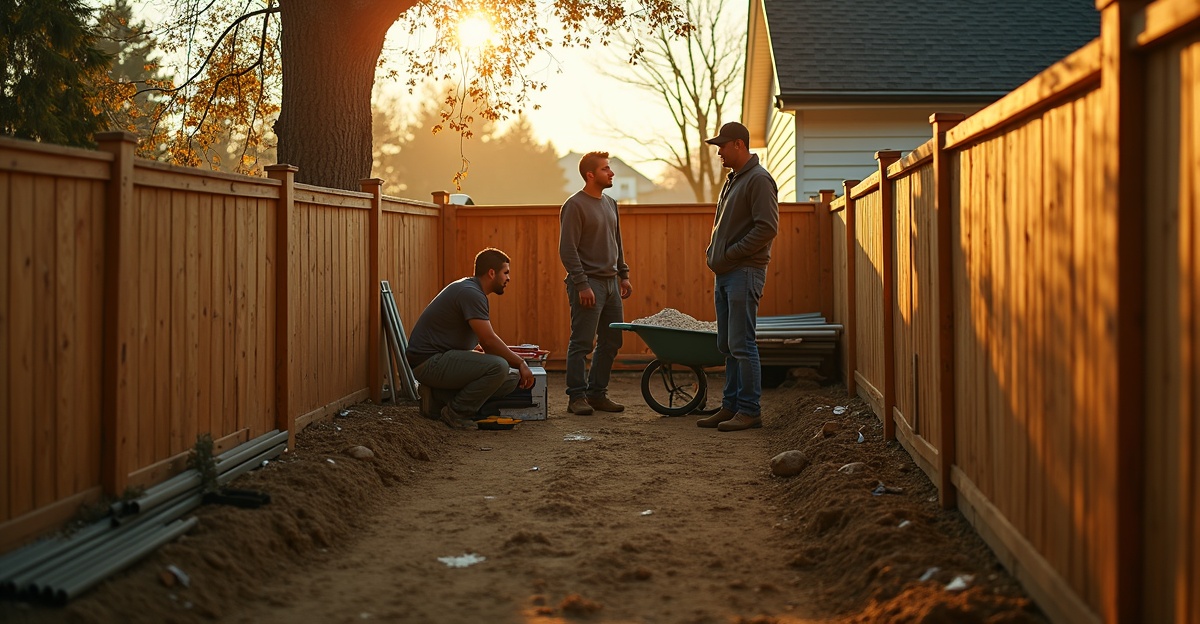
Terrain plays a major role. Sloped lots require stepped panels or custom adjustments. Rocky soil increases labor time. Clay soil may require deeper post holes and more concrete. Sandy soil can require larger footings for stability.
Removal and disposal of an existing fence is often excluded from base bids. If demolition isn’t clearly listed, it may be additional.
Gates change the scope fast. A standard walk gate is straightforward. A double drive gate adds framing and hardware. Automatic gate operators can add $2,000 to $10,000+ depending on access control systems and electrical requirements.
Commercial projects often include:
- Barbed wire or razor ribbon
- Privacy slats
- Thicker gauge steel
- Larger cantilever or rolling gates
Local fence permit and zoning requirements can affect both cost and timeline. Some municipalities require engineered drawings for taller fences. Commercial properties often require inspections before final approval.
Utility marking is mandatory before digging. Occasionally, crews encounter buried debris, old concrete, or large root systems that require additional labor.
Regional labor rates and seasonal demand influence pricing too. Spring and early summer often carry higher demand.
To avoid misunderstandings, review what a contractor includes in writing. Post spacing, concrete depth, gate hardware quality, and cleanup should all appear in the proposal. If you’re unsure how to compare bids fairly, reviewing guidance on how to hire a roofing contractor provides useful evaluation principles that apply to fencing as well.
Residential vs. Commercial Fence Installation Costs
Residential fencing focuses on privacy, curb appeal, child and pet safety, and property value protection. Most backyard projects run between 100 and 250 linear feet. Homeowners usually prioritize durability and peace of mind over the absolute lowest price.
A typical 150-foot backyard privacy fence falls comfortably within mid-range pricing. Styling, gate upgrades, and decorative post caps increase cost but also add visual impact.
Commercial fencing operates differently. ADA accessibility requirements and applicable building codes often guide material selection. Projects must often coordinate around active operations, tenants, or delivery schedules.
Commercial pricing increases with:
- Heavier-duty materials
- Large gate systems
- Access control integration
- Multi-site coordination
Warehouses, retail centers, schools, and municipal properties must meet inspection standards. Compliance isn’t optional. Planning errors create delays and added cost.
For residential builds or property upgrades, explore our residential construction services. For perimeter security and large-scale projects, our commercial construction team handles planning, permitting, and execution end to end.
Real-World Project Examples and Budget Scenarios
Seeing real numbers helps clarify expectations.
Example 1: Homeowner privacy fence
150 linear feet of 6-foot wood privacy fence at $30 per foot equals approximately $4,500. Add a gate and removal of an old fence, and the total often lands around $5,500–$6,500.
Example 2: Vinyl curb appeal upgrade
200 linear feet at $40 per foot equals about $8,000. Maintenance savings offset higher upfront cost over time.
Example 3: Multi-family perimeter chain link
1,000 linear feet at $22 per foot equals $22,000. Adding a double drive gate and privacy slats increases total accordingly.
Example 4: Commercial security steel fence
800 linear feet at $55 per foot equals $44,000+. Barbed wire and upgraded gates raise the final investment.
Notice how scope changes final cost more than material alone. Footage, gates, removal, and access systems quickly move the total.
If you’re budgeting other improvements alongside fencing, reviewing guidance on how to budget for a home remodel can help structure your overall investment planning.
Common Cost Questions About Fence Installation
How much does fence installation cost per foot?
Most projects fall between $15 and $60+ per linear foot installed, depending on material, height, terrain, and gates.
How much does it cost for fence installation overall?
For 100 linear feet, expect $1,500 to $6,000. For 200 linear feet, expect $3,000 to $12,000. Larger commercial projects easily scale into tens of thousands depending on security requirements.
Are permits included in contractor estimates?
Often they are not. Always confirm. Some contractors list permits as an allowance or separate line item.
Is removing an old fence included?
Frequently priced separately. Confirm debris disposal, hauling, and site cleanup in writing.
Why is one contractor’s bid much cheaper?
Lower pricing can mean thinner posts, less concrete, fewer fasteners, or excluded permits and demolition. Make sure you’re comparing equivalent scopes.
When requesting a quote, insist on a detailed site visit and written breakdown. Clear scope equals predictable cost. If you’re ready to move forward, we’ll walk the property, measure accurately, and provide a straightforward estimate for professional fence installation without hidden surprises.