How to hire a roofing contractor?
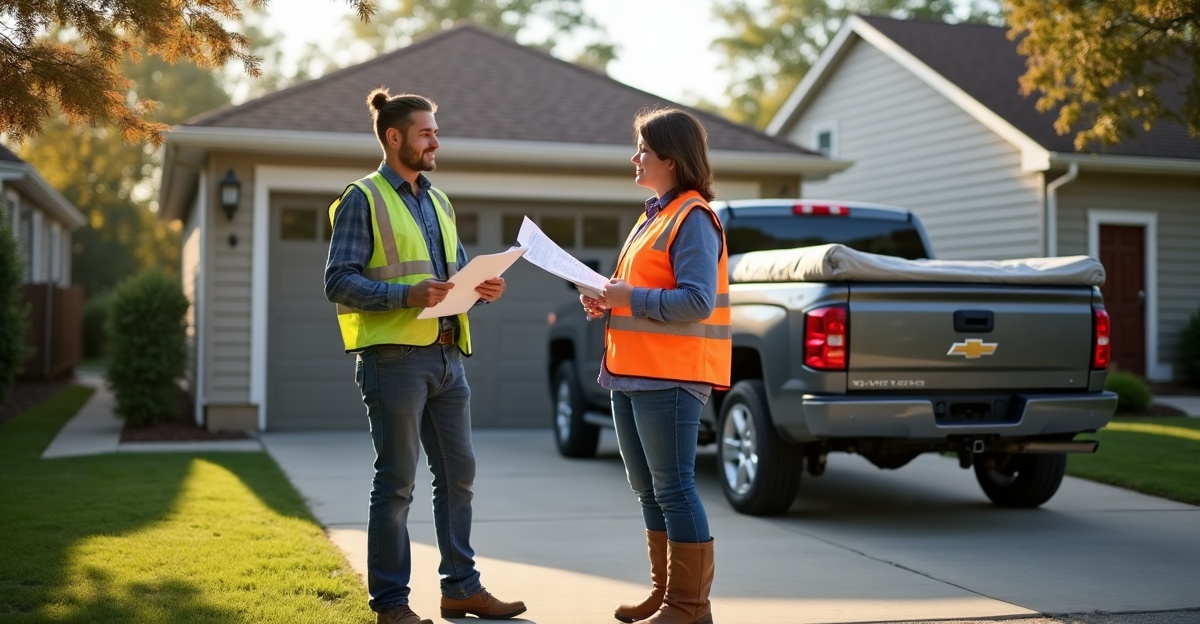
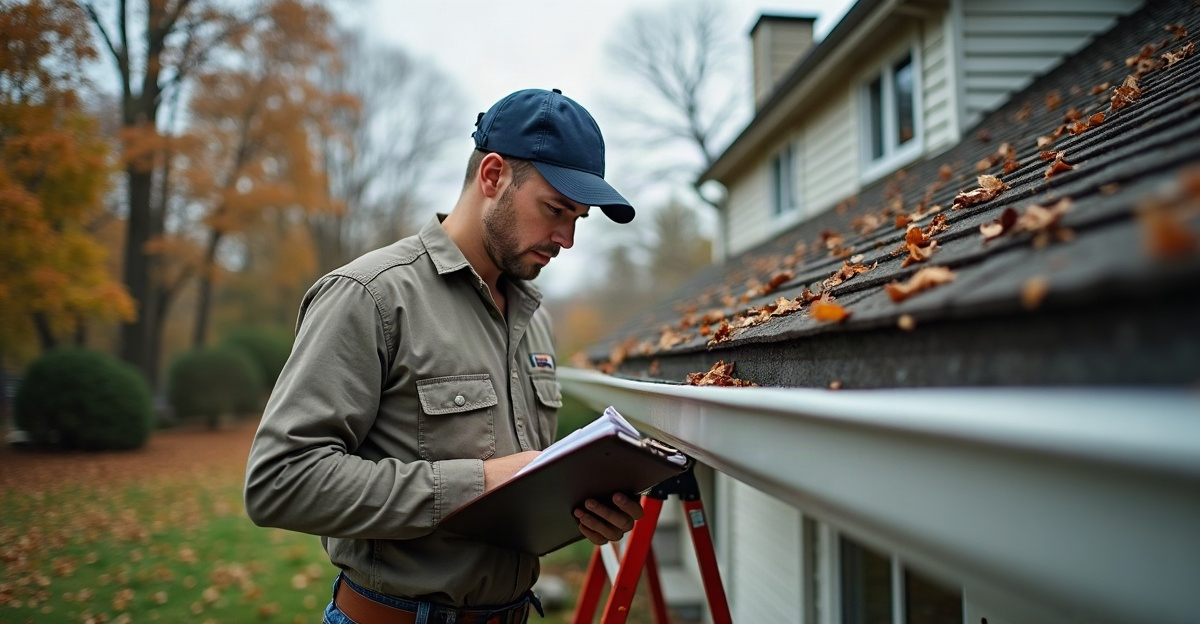
Learning how to hire a roofing contractor starts with confirming licensing, insurance, bonding, and safety compliance so we protect our property, permits, and warranty from day one. From there, we compare detailed written estimates, evaluate commercial or residential requirements, identify red flags, and ask direct contract questions before signing anything.
Key Takeaways
- We verify active licensing, general liability insurance, workers’ compensation coverage, and safety compliance before moving forward.
- We compare two to three detailed written estimates that clearly define materials, scope of work, supervision, change orders, timeline, and payment schedule.
- For commercial projects, we prioritize compliance documentation, project management structure, financial strength, and long-term return on investment.
- For residential projects, we review manufacturer and workmanship warranties, jobsite protection plans, and communication standards.
- We avoid red flags such as high-pressure sales tactics, large upfront cash demands, vague contracts, missing insurance documentation, or repeated unresolved complaints.
Start With Credentials: Licensing, Insurance, and Safety Compliance
Verifying credentials is the first step in how to hire a roofing contractor. It’s the fastest way to reduce liability and protect your investment.
Licensing requirements vary by state and even by municipality, so contractors should be checked against the rules of the jurisdiction where the project will take place. Some states require a specific roofing license. Others require a general contractor’s license with roofing classification. That difference matters. If a contractor isn’t properly licensed for your area, permits can be denied and warranties can be challenged.
When clients ask, “How do I verify a roofing contractor’s license?” we recommend using the official state contractor-license lookup to search the company name or license number. Confirm it’s active and in good standing. A professional contractor will gladly provide their license number upfront.
Insurance is non-negotiable. At minimum, require:
- General liability insurance to cover property damage.
- Workers’ compensation insurance to cover on-site injuries.
Depending on state law and the circumstances, hiring an uninsured contractor may create potential liability for worksite injuries if someone is hurt on your property. That’s not a risk worth taking.
Bonding adds another layer of protection. If the contractor fails to complete the job or meet contractual terms, a bond can provide financial recourse.
For commercial properties, OSHA compliance is critical. Ask for proof of an active safety program, safety training records, and documented procedures. A serious contractor can show safety logs and explain how they protect your site, tenants, and employees.
Manufacturer certifications also tell you a lot. Certain certifications require documented training and proper installation history. They often allow contractors to offer enhanced warranty options that uncertified roofers can’t provide.
There’s also a difference between a solo roofer and a full-service roofing company. A one-person operation may do solid work. However, a full-service company brings administrative support, compliance systems, safety oversight, and deeper project management. That structure matters for larger roofs and tight timelines.
Listen closely to how contractors answer credential questions. A smart answer sounds like: “We’re fully licensed. Here’s our license number and certificate of insurance.” A risky answer sounds like: “You don’t need to worry about that.” That second response is a red flag.
If you want a deeper breakdown, we cover this in our guide on licensed and insured contractors.
When evaluating what to look for when hiring a roofer, credentials come first. Always.
Compare Estimates the Right Way: Scope, Materials, Labor, and Hidden Costs
Price alone should never decide your contractor. Scope clarity determines the true roof leak repair cost and overall project cost.
When homeowners and property managers ask, “How many estimates should I get?” we usually recommend two to three. That gives you enough data for a meaningful roofing estimate comparison without creating confusion.
A detailed estimate should clearly outline:
- Material brand and system type (shingle, TPO roofing system, EPDM roofing, metal)
- Tear-off vs. overlay
- Underlayment and flashing details
- Ventilation upgrades
- Insulation specifications (commercial)
- Fasteners and attachment method
- Debris removal and disposal
It should also define the timeline, labor allocation, and who supervises the job daily. Clear supervision prevents errors and delays.
Change order policy must be spelled out. If hidden damage is discovered, how is it documented? How is pricing approved? Vague change order terms often lead to hidden costs and conflict.
Payment schedule matters. A reasonable deposit is standard. Large upfront demands, especially in cash, are not. Industry best practice ties payments to progress milestones. If you’re unsure, review our breakdown of what to ask before getting a roofing estimate.
For commercial properties, the estimate should also include permit handling, staging plans, safety protocols, and how occupancy disruptions will be minimized. A professional commercial roofing contractor plans logistics as carefully as installation.
Unclear estimates often lead to delays and budget overruns. Detailed scopes prevent that. When considering what to consider when hiring a roofing contractor, demand clarity in writing.
Commercial Roofing Considerations: Compliance, ROI, and Multi-Site Capability
Commercial roofing decisions affect assets worth millions. The stakes are higher, and so are the standards.
When evaluating what to look for when hiring a roofing company for commercial work, start with project management structure. We recommend confirming you’ll have a dedicated project manager, defined communication cadence, and documented reporting.
Financial stability also matters. Large-scale TPO roofing system or EPDM roofing installations require upfront material purchases, skilled crews, and coordination, all of which can influence membrane roof repair cost. A contractor stretched too thin can cause costly delays.
If you manage multiple properties, look for a multi-site roofing contractor with consistent performance standards. Processes should be repeatable across locations. Documentation should be standardized. Communication should be centralized.
Compliance documentation is critical. Expect safety logs, inspection reports, warranty documentation, and complete closeout packages. These protect you during audits and future property transactions.
Minimizing disruption should be part of the written plan. Tenants, employees, and customers need safe access while work proceeds overhead.
Every decision should tie back to ROI roofing investment thinking, especially when evaluating flat roof leak repair cost versus long-term replacement value. Consider lifecycle cost, energy efficiency, maintenance requirements, and warranty coverage. A lower upfront bid can result in higher 10-year maintenance costs, even when the initial small roof leak repair cost appears inexpensive.
If you’re choosing a large-scale contractor, our guide on choosing a good commercial roofing contractor provides a structured approach.
Commercial roofing is about performance consistency and long-term partnership, not short-term savings.
Residential Roofing Considerations: Warranties, Protection, and Peace of Mind
Residential roofing is personal. It protects your home and family.
When hiring a residential roofing contractor, understand roofing warranties explained in plain language. There are two main types: manufacturer warranty and workmanship warranty.
A manufacturer warranty covers material defects. A workmanship warranty covers installation errors. Knowing the difference between workmanship warranty vs manufacturer warranty helps you avoid confusion later.
Warranties can be voided by improper ventilation, incorrect installation, or unauthorized modifications. That’s why credentials and proper installation methods matter so much.
Protection during the job is also important, especially if water intrusion has increased the attic leak repair cost. We recommend confirming that landscaping, driveways, siding, and neighboring properties will be protected. Daily cleanup and magnetic nail sweeps should be standard.
Material options should be explained simply, including factors that influence tile roof leak repair cost compared to other roofing materials, especially when discussing repairs that may affect roof vent leak repair cost. Shingles offer affordability and variety. Metal roofs provide longevity and durability. If you’re considering that route, review our metal roofing contractor guide at metal roofing contractor guide.
Set realistic timeline expectations. Weather delays happen. A reliable contractor communicates schedule changes clearly and promptly.
Communication builds peace of mind. Know who your point of contact will be. Confirm response times. Ask whether you’ll receive daily updates.
For more details about our approach to residential roofing services, we outline what homeowners can expect from start to finish.
When deciding what to look for when hiring a roofer for your home, focus on clarity, protection, and communication.
Red Flags and Warning Signs You Should Never Ignore
Roofing contractor red flags usually show up early. Pay attention.
Storm-chasing contractors often appear after severe weather. They pressure property owners with urgent, limited-time offers. High-pressure sales tactics are a major warning sign.
No physical business address or inconsistent branding is another issue. Established companies have traceable operations.
Large upfront cash-only requests increase financial risk. So does refusal to provide proof of general liability insurance or workers’ compensation insurance.
Vague contracts and verbal-only agreements leave you unprotected. No written warranty or unclear terms can cost you later.
Online reviews require context. A few negative reviews aren’t unusual. Patterns of unresolved complaints are. Ignored permits where required also signal trouble.
Each of these red flags increases your risk of delays, liability exposure, higher roof water damage repair cost, and financial loss. If you want practical examples, we discuss how to avoid roofing scams in more detail.
Learning how to choose a reliable roofing contractor means recognizing warning signs before signing anything.
Key Questions to Ask Before Signing the Contract
Before committing, ask direct questions and expect direct answers.
Common questions to ask a roofing contractor include:
- How do we verify a roofing contractor’s license?
Answer: Check the state licensing board website using the contractor’s license number and confirm it’s active. - How many estimates should we get?
Answer: Two to three detailed estimates allow for effective roofing estimate comparison. - Who will supervise the project daily?
Answer: There should be a named on-site supervisor or project manager. - What happens if unforeseen damage is discovered, and how will the cost to repair water damage from roof leak issues be documented and approved?
Answer: It should trigger a written change order with documented pricing before work continues. - What is your OSHA compliance process?
Answer: The contractor should provide safety documentation and explain procedures clearly. - What warranties are included?
Answer: The contract should specify manufacturer coverage and workmanship terms in writing. - What is the payment schedule?
Answer: Payments should be milestone-based, with clear percentages tied to progress. - Can you provide recent local references?
Answer: A reputable contractor provides them without hesitation.
Your contract should include full scope of work, materials specified, start and end dates, total cost, payment schedule, warranty terms, cleanup responsibilities, and permit handling. Clearly written roofing contract terms reduce risk, protect your asset, and prevent misunderstandings.
If you’re ready to move forward, explore our roofing services or reach out through our contact page to schedule an inspection. We’re here to give straightforward answers and dependable results.
Frequently Asked Questions
What should I look for when hiring a roofing contractor?
Look for a licensed and insured contractor with proven experience, positive customer reviews, written estimates, and clear warranty terms. They should also provide references and answer your questions openly. Taking time to verify credentials helps reduce the risk of poor workmanship, unexpected roof water damage repair cost, and future repairs.
How many roofing estimates should I get?
Getting at least three written estimates is recommended. Comparing multiple quotes allows you to evaluate pricing, materials, project scope, warranties, and timelines rather than choosing solely based on the lowest price.
Why is insurance important when hiring a roofing contractor?
Insurance protects both the homeowner and the contractor. Liability insurance covers accidental property damage, while workers’ compensation insurance helps protect you from potential financial responsibility if a worker is injured on your property.
Should I hire a local roofing contractor?
In many cases, yes. Local roofing contractors are familiar with regional building codes, climate conditions, and permit requirements. They’re also generally easier to contact for warranty work, inspections, or future repairs after the project is completed.
What questions should I ask before signing a roofing contract?
Ask about project timelines, payment schedules, warranties, permits, cleanup procedures, change orders, materials being installed, and who will supervise the project. A professional contractor should provide clear answers and document everything in writing.
Are manufacturer-certified roofing contractors better?
Manufacturer-certified contractors receive specialized training and follow approved installation methods. This often results in higher-quality workmanship and may qualify homeowners for extended manufacturer warranties that are unavailable through uncertified installers.
What are common roofing contractor red flags?
Be cautious of contractors who demand large upfront payments, offer unusually low prices, lack proof of insurance, refuse written contracts, or pressure you into making immediate decisions. Reputable contractors provide transparent pricing and clear documentation.
Who is responsible for obtaining roofing permits?
In most cases, the roofing contractor should obtain any required permits and ensure the project complies with local building regulations. Always confirm permit responsibilities before work begins and request documentation if required by your municipality.
How do roofing warranties work?
Roofing warranties typically include manufacturer coverage for material defects and contractor workmanship warranties for installation errors. Review both warranties carefully to understand coverage limits, exclusions, and maintenance requirements needed to keep them valid.
What happens after a roofing project is completed?
A professional contractor should perform a final walkthrough, remove debris, inspect the completed installation, and provide warranty documents and maintenance recommendations. Reviewing the finished work before making the final payment helps ensure everything meets the agreed scope.