How to choose a good commercial roofing contractor?
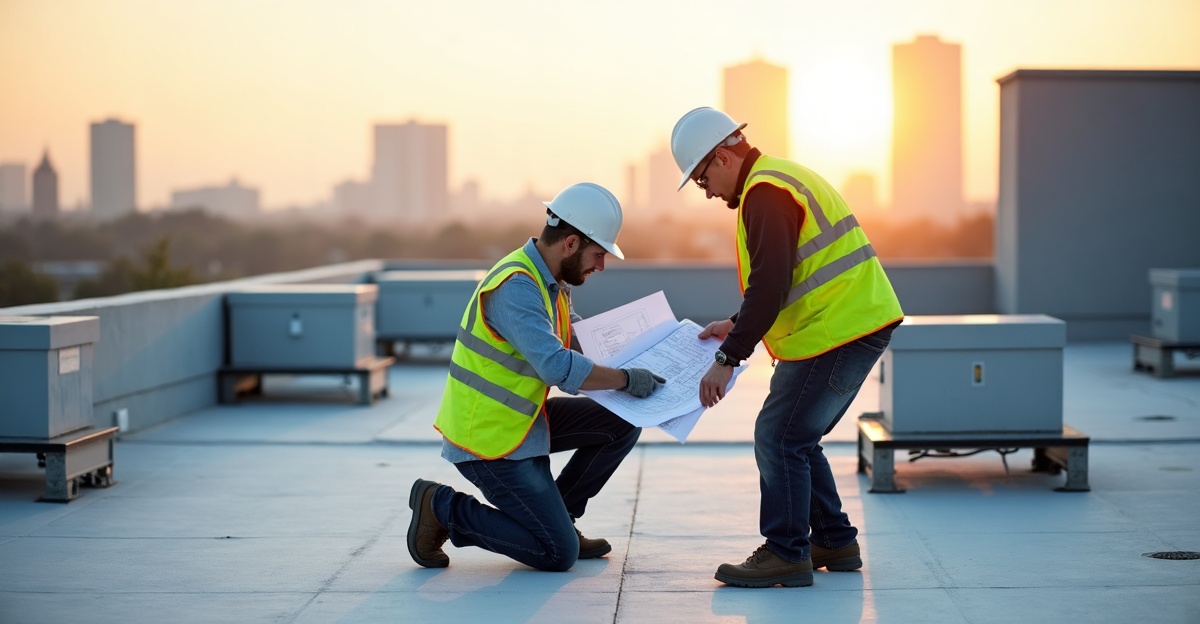
Knowing how to choose a good commercial roofing contractor requires more than comparing prices. Flat and low-slope systems demand technical skill, strict safety compliance, and a clear understanding of lifecycle costs. We protect ROI, regulatory compliance, and long-term performance by following a structured evaluation process. That process reviews credentials, manufacturer certifications, management systems, scope alignment, and risk controls before we ever look at numbers.
Key Takeaways
- Commercial roofing requires specialized experience with flat and low-slope systems, manufacturer certifications, and OSHA-compliant safety programs.
- Always verify licensing, insurance limits, bonding capacity, and written safety documentation before reviewing price.
- Compare bids based on full scope alignment, material specifications, warranties, change order terms, and lifecycle cost—not just the lowest number.
- Watch for red flags like vague proposals, extremely low bids, lack of commercial portfolio depth, and poor communication during bidding.
- A qualified contractor should offer structured project management, clear communication, documented inspections, and a long-term maintenance strategy to protect your investment.
What Makes Commercial Roofing Different — And Why It Changes How You Choose
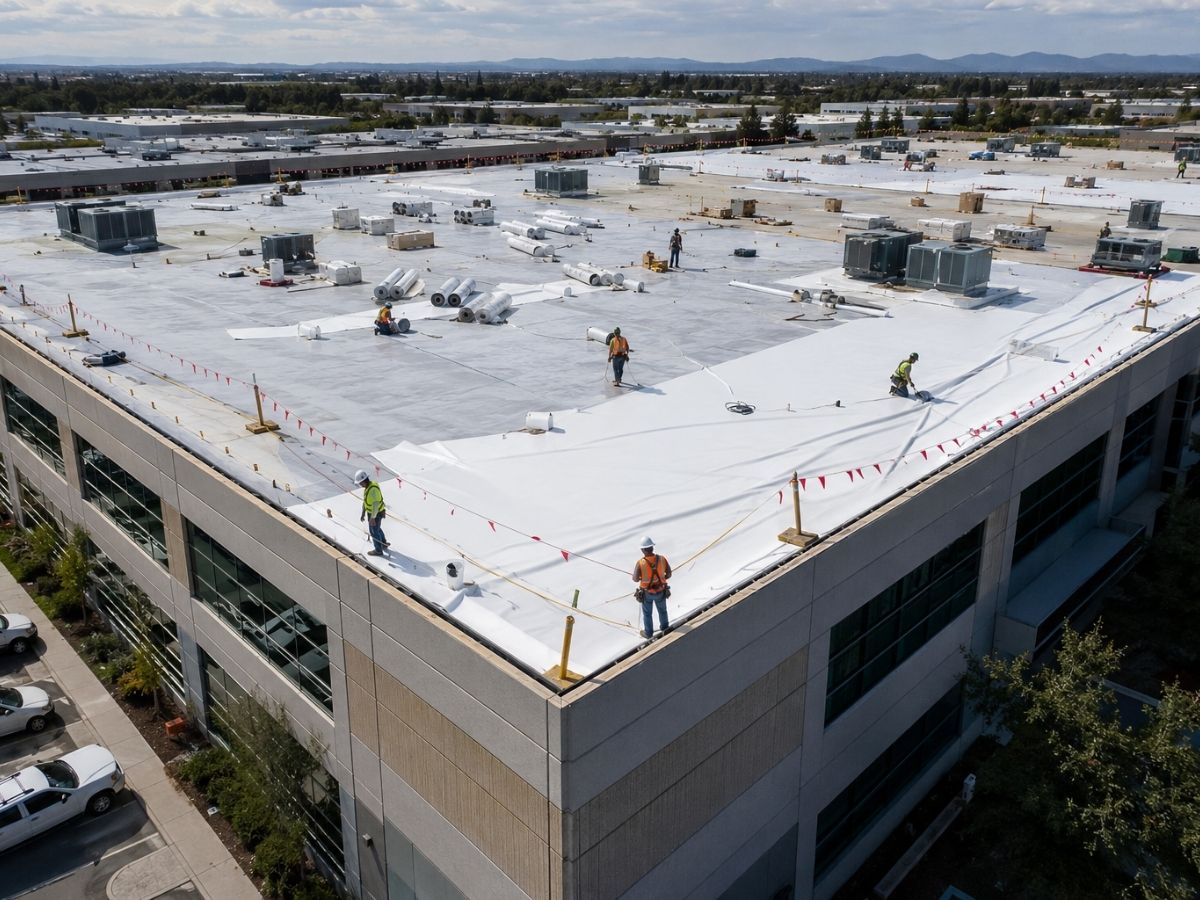
Commercial roofing operates on a different level than residential work. The size, systems, safety standards, and long-term costs all shift the decision-making process.
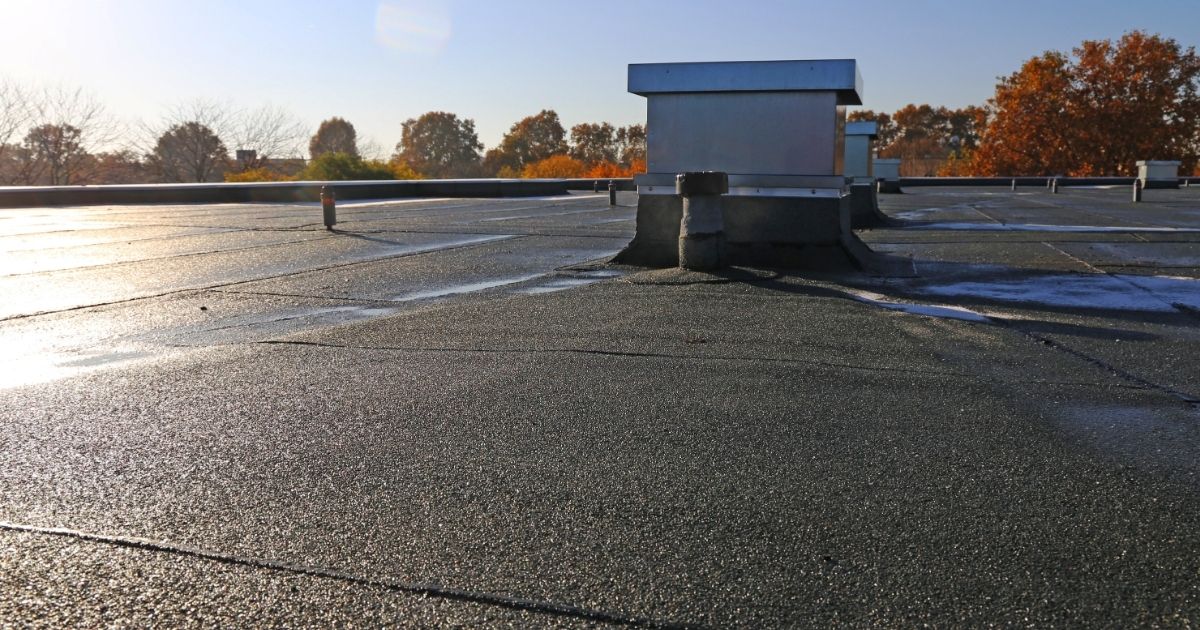
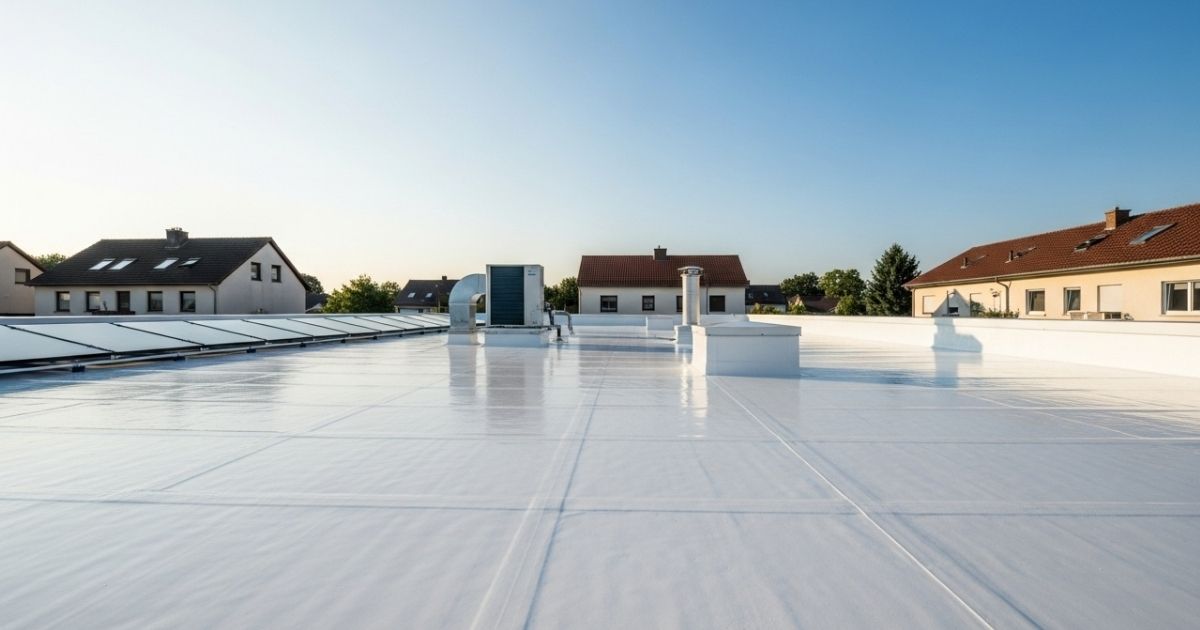
Most commercial properties use flat roof systems or low-slope designs. That includes TPO, PVC, EPDM, modified bitumen, metal, and fluid-applied coating systems. These aren’t shingle jobs. They require specialized crews, manufacturer certifications, and strict installation standards to protect warranties.
Square footage alone changes everything. A small installation issue on a 20,000-square-foot warehouse can turn into major damage fast. That’s why understanding how to choose a good commercial roofing contractor starts with recognizing the complexity of the system itself.
Operational continuity also matters. For a multi-tenant retail center, roofing work must avoid disrupting business hours. For a hospital or school facility, safety and coordination are even more critical. Noise control, staged material deliveries, and restricted access zones all require planning.
Insurance requirements are higher too. Commercial contractors typically carry larger general liability limits, workers’ compensation coverage, and umbrella policies to manage risk on multi-million-dollar properties. Bonding capacity may also be necessary.
Many commercial property owners manage multiple buildings across different regions. That introduces portfolio coordination, standardized documentation, and consistent compliance tracking. A residential roofer may not have the infrastructure for that level of organization.
There’s also a financial shift. Commercial projects are evaluated based on lifecycle cost rather than initial installation price alone. Decisions involve energy performance, maintenance schedules, warranty coverage, and capital planning. Installation is only one piece of the equation.
Choosing a contractor in this space means evaluating safety programs, OSHA compliance standards, manufacturer certifications, risk management practices, and long-term maintenance strategy—not just price.
A Step-by-Step Framework for Evaluating a Commercial Roofing Contractor
If we’re serious about how to choose a commercial roofing contractor, we need a structured evaluation process. Guesswork increases risk.
Verify Credentials, Safety, and Technical Qualifications
Start with documentation.
Confirm active state and local licensing. Review certificates for general liability, workers’ compensation, and umbrella coverage appropriate for the value of your property. For larger projects, ask about bonding capacity. These details matter. We break this down further in our guide to licensed and insured contractors.
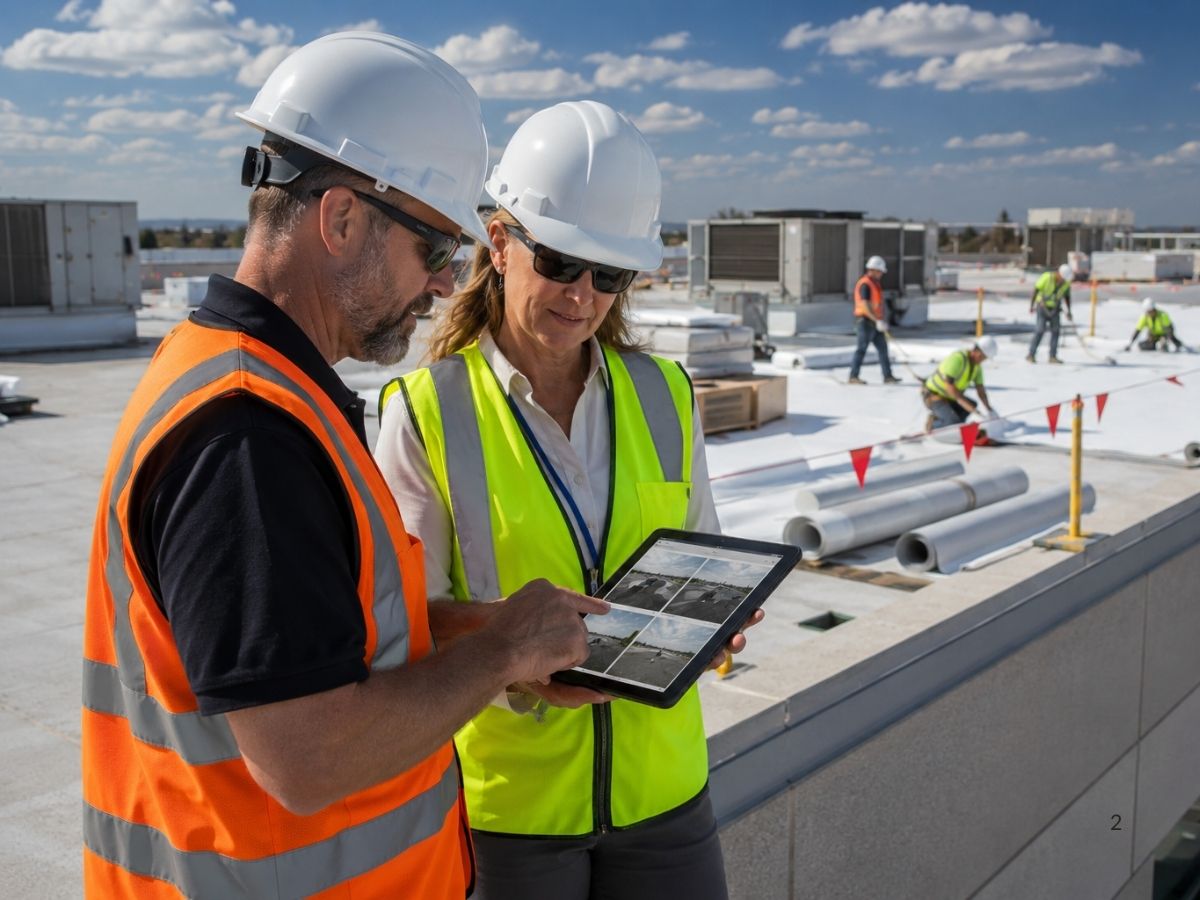
Next, review OSHA compliance and safety programs. A professional contractor should have:
- A written safety manual
- Ongoing documented training
- Clear jobsite enforcement protocols
Commercial roofing carries higher exposure risk. A contractor without a defined safety structure increases liability for the property owner.
Manufacturer certifications are equally important. Ask whether the contractor is certified to install TPO, PVC, EPDM, metal, or coating systems. Manufacturer certifications often allow access to enhanced manufacturer warranties. Without them, you may lose extended coverage options.
Evaluate Experience, Management, and Communication Systems
Experience must align with your property type. We recommend reviewing past work involving:
- Multi-family housing
- Retail centers
- Warehouses and distribution facilities
- Schools, hospitals, and municipal buildings
Ask for examples from the last three to five years. Portfolio depth matters.
Project management structure is another decision point. A qualified firm should assign a dedicated project manager. There should be pre-construction planning meetings, clear scheduling, staging plans, and tenant coordination procedures. If we’re handling a multi-tenant property, disruption planning should already be built into the proposal.
Communication protocols should be clear from the start. Identify a single point of contact. Confirm update frequency. Determine whether the company provides digital reports with photos and daily logs.
If you manage multiple buildings, ask about regional coordination capabilities. Many property owners who ask, “How do I choose a commercial roofing contractor?” overlook portfolio management experience. Consistency across locations saves time and protects asset value.
Finally, examine maintenance strategy. Installation alone doesn’t solve long-term performance. Review lifecycle planning options and preventative programs. Our overview of roof maintenance contracts explains how structured maintenance supports ROI and risk reduction.
How to Compare Bids the Right Way (Beyond Just Price)
Price comparisons only work if scope alignment exists. Otherwise, you’re comparing completely different systems.
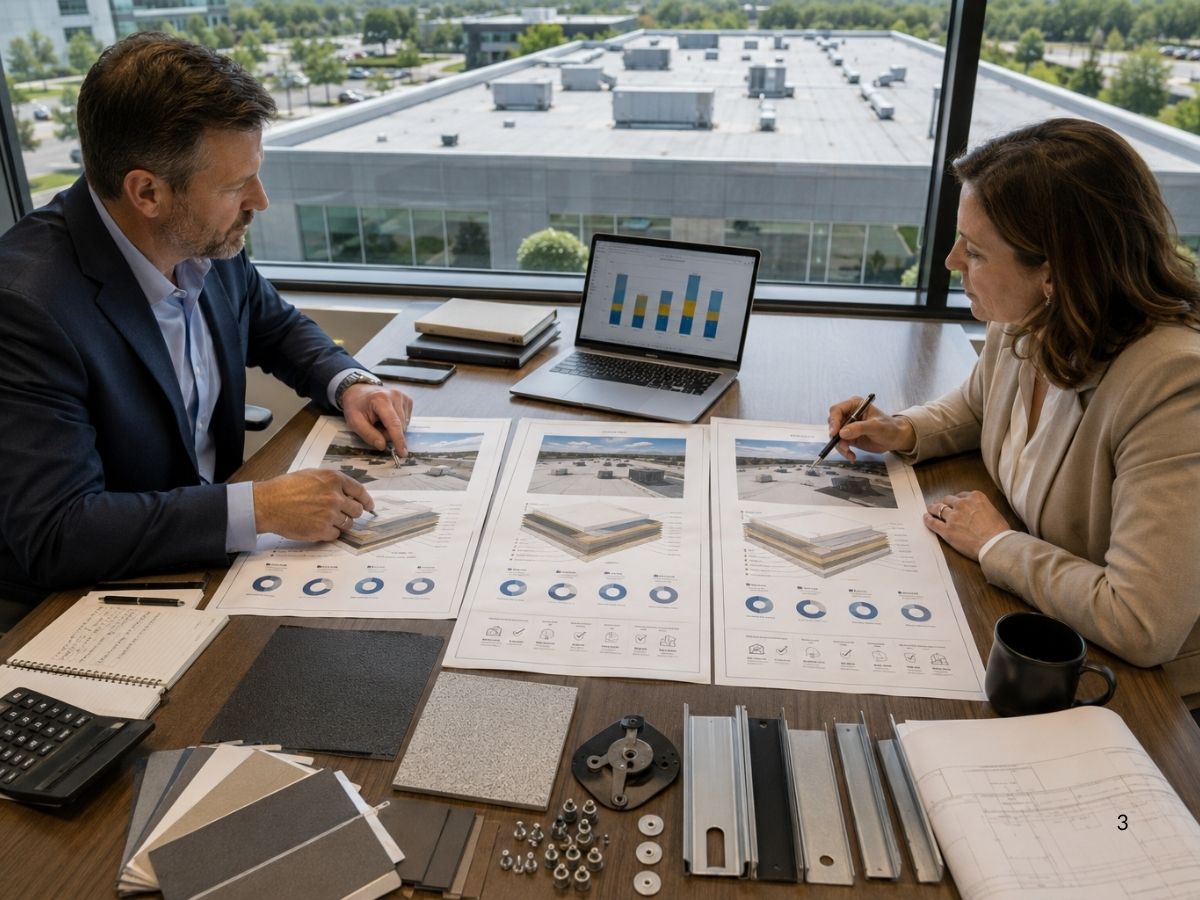
Start by confirming that all bidders are quoting the same roof assembly. Check system type, insulation thickness, attachment method, and fastening patterns. Ensure tear-off, disposal, permits, and edge metal are included. In Florida, permitting rules can significantly impact scope, which we explain in our guide to roof replacement permits in Florida.
Review material specifications closely. Note brand names, membrane thickness, and approved accessories. Small differences affect durability and warranty eligibility.
Clarify warranty structure. Manufacturer warranties typically cover material defects. Workmanship warranties address installation quality. Compare duration, exclusions, and required maintenance documentation.
Ask about change order procedures. What triggers additional cost? How are deck repairs handled if damage is discovered after tear-off? Transparent pricing structure protects both sides.
Timeline evaluation matters. An unrealistic schedule can mean understaffing or corner-cutting. Balance speed with safety and quality control.
Most importantly, compare lifecycle cost. A slightly higher upfront investment may reduce energy consumption, extend membrane lifespan, and decrease maintenance expense. Coating systems can sometimes restore an aging roof at a lower capital cost than full replacement—but only if the existing substrate qualifies.
Selecting the lowest bid without reviewing scope, safety, and long-term performance often increases risk exposure and total ownership cost.
Red Flags That Signal Risk
Risk usually shows up early in the process.
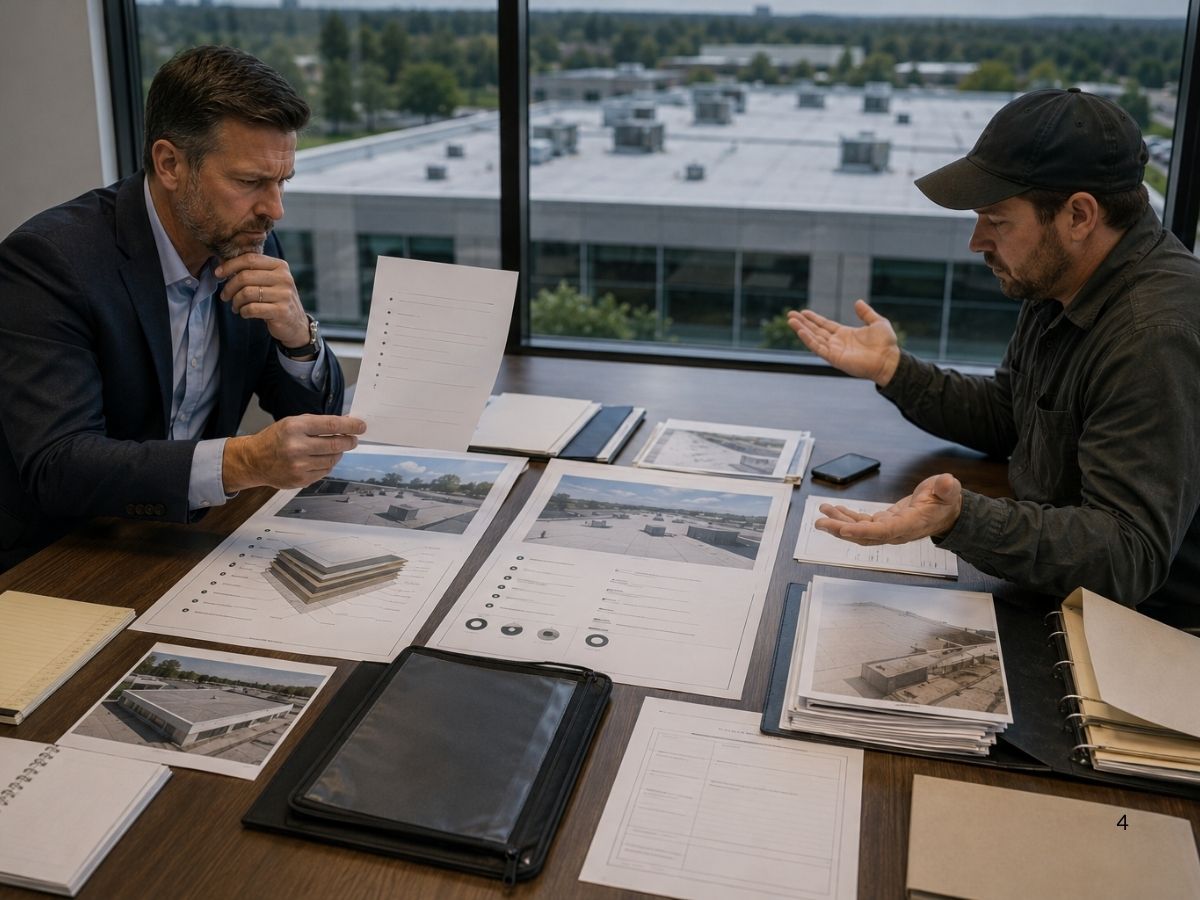
Vague, one-page proposals without clear system breakdowns signal inexperience or lack of planning. Extremely low bids that undercut comparable proposals often omit scope or reduce material quality.
Absence of written safety documentation suggests weak OSHA compliance standards. That exposes property owners to unnecessary liability.
Be cautious of contractors whose portfolio is primarily residential. Commercial roofing requires different systems, crews, and management structure.
No proof of manufacturer certification is another warning sign. So is high-pressure urgency without a documented roof assessment. We’ve outlined examples in our article on common roofing scams.
Limited references for similar commercial property types also raise concerns. Communication issues during bidding often predict execution problems later.
Attention at this stage protects long-term compliance, safety, and financial performance.
Practical Questions to Ask Before You Sign a Contract
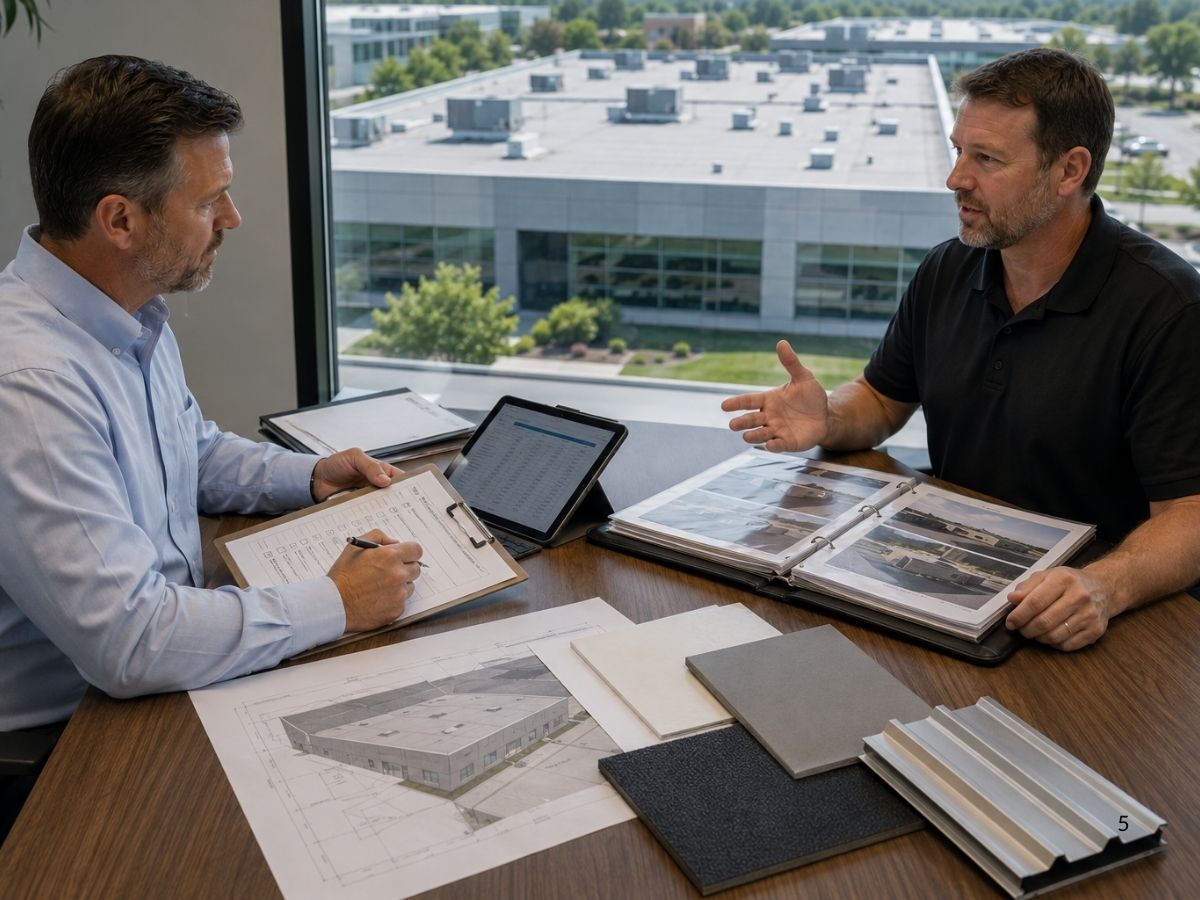
Use direct questions to reduce ambiguity. We recommend asking:
- “Can we see proof of licensing, insurance, and bonding appropriate for this property size?”
- “What similar commercial projects have you completed in the last three to five years?”
- “How do you handle tenant coordination and business-hour restrictions?”
- “What documented safety program do you enforce on-site?”
- “What manufacturer warranties and workmanship warranties do you offer—and what’s the difference?”
- “How will change orders be approved and priced?”
- “Who will be the day-to-day point of contact?”
- “Do you offer preventative maintenance programs to extend roof life?”
These align with our broader guidance on questions before getting a roofing estimate.
We recommend turning this list into a Commercial Roofing Contractor Evaluation Checklist. Structured comparison reduces hiring risk and improves decision clarity.
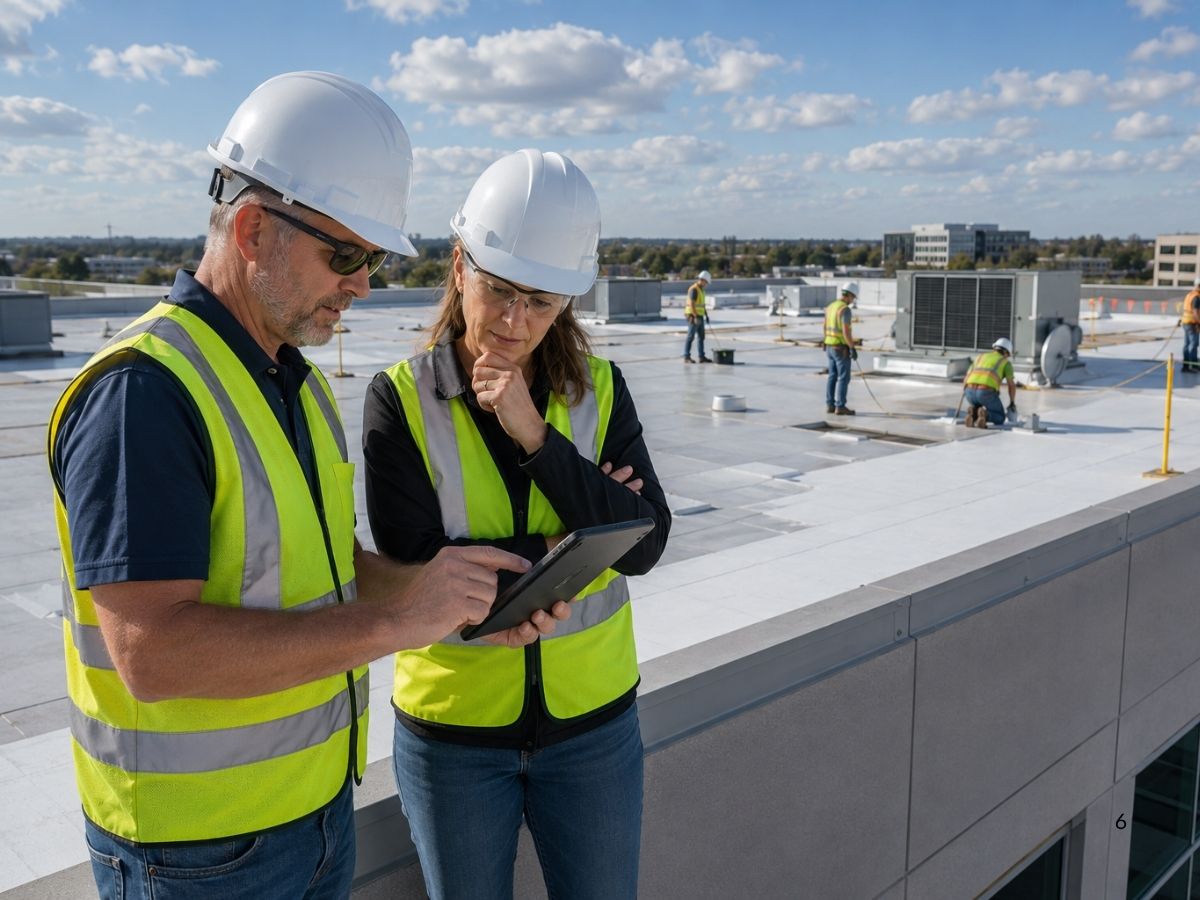
How to Find a Qualified Commercial Roofing Contractor and What a Professional Partner Should Deliver
Strong search strategies make how to find a commercial roofing contractor much easier.
Start with manufacturer directories for certified installers. Review local and regional project listings. Study actual case studies rather than relying only on star ratings. For example, reviewing completed commercial roofing projects reveals scale, system types, and execution quality.
Read reviews carefully. Look for comments about communication, safety practices, staying on schedule, and resolving unexpected issues. Those themes matter more than generic praise.
A professional commercial roofing partner should provide transparent inspections with documented findings. Proposals should outline detailed scope and compliance planning, including permit coordination and code requirements. If you’re evaluating providers in South Florida, explore our structured approach to commercial roofing services to understand what full-service management includes.
Long-term performance planning should be part of the conversation. That means maintenance planning aligned with asset lifecycle expectations and capital budgeting. Multi-site owners should expect centralized documentation, consistent reporting standards, and coordinated scheduling.
Choosing a contractor affects compliance, safety exposure, and long-term roof performance. It also impacts tenant relationships and operating budgets.
We focus on clarity, risk management, and measurable ROI—not quick fixes. If you’re evaluating options, schedule a commercial roof assessment or request a bid review through our contact page. Speaking with a project manager about your property or portfolio can bring immediate insight and help you move forward with confidence.
Understanding how to choose a good commercial roofing contractor protects your asset, your tenants, and your long-term investment strategy.
Frequently Asked Questions
What questions should I ask a commercial roofing contractor before hiring?
Ask about licensing, insurance, years of experience, manufacturer certifications, warranties, project timelines, safety procedures, and references from similar commercial projects. Request a written estimate and clarify how unexpected repairs or change orders will be handled before signing a contract.
How can I tell if a commercial roofing contractor is reputable?
A reputable contractor has verifiable licenses, adequate insurance coverage, positive customer reviews, transparent pricing, and experience with commercial roofing systems. They should also provide written contracts, communicate clearly, and willingly share references from previous projects.
Why are manufacturer certifications important for commercial roofing contractors?
Manufacturer certifications indicate that a contractor has completed specialized training and follows approved installation methods. Hiring a certified contractor can improve installation quality and may be required to qualify for enhanced manufacturer warranty coverage.
What are common red flags when choosing a commercial roofing contractor?
Warning signs include unusually low bids, no proof of insurance, vague contracts, high-pressure sales tactics, poor communication, and requests for large upfront payments. Contractors who cannot provide references or local project examples should also be approached with caution.
Should I get multiple commercial roofing estimates?
Yes. Comparing at least three written estimates helps you evaluate pricing, materials, warranty terms, project scope, and timelines. The lowest price is not always the best value, especially if important services or quality materials are excluded.
Does a commercial roofing contractor need experience with specific roofing materials?
Absolutely. Different roofing systems such as TPO, EPDM, PVC, and metal roofs require specialized installation techniques. Choosing a contractor experienced with your building’s roofing material reduces the risk of premature failures and costly repairs.
What should be included in a commercial roofing contract?
A comprehensive contract should include project scope, materials, costs, payment schedule, estimated completion date, warranty information, cleanup responsibilities, and procedures for handling additional work. Having everything documented helps prevent misunderstandings during the project.
How important is safety when selecting a commercial roofing contractor?
Safety is essential because commercial roofing projects involve significant risks. Contractors should follow OSHA guidelines, provide employee safety training, and maintain appropriate liability and workers’ compensation insurance to protect both workers and property owners.
Should I choose a contractor that offers roof maintenance services?
Yes. Preventive maintenance can extend roof lifespan, identify minor issues before they become expensive repairs, and help maintain warranty compliance. Contractors that offer ongoing inspections and maintenance provide long-term value beyond the initial installation.
How long does it take to complete a commercial roofing project?
Project timelines depend on roof size, material type, weather conditions, and repair complexity. Small projects may take a few days, while full commercial roof replacements can require several weeks. A professional contractor should provide a realistic schedule and communicate any delays promptly.