What Are the Benefits of Impact Doors?

The benefits of impact doors extend far beyond storm protection. We use them to protect properties from wind-driven debris, forced entry attempts, energy loss, and expensive downtime. These doors rely on laminated glass, reinforced frames, and strict code-compliant installation. Together, these elements strengthen the entire building envelope and support long-term value and risk control.
Key Takeaways
- Impact doors feature laminated glass and reinforced frames that resist high winds, flying debris, and sudden pressure shifts during severe storms.
- They create a powerful everyday security barrier by slowing down and discouraging forced entry attempts.
- Tight seals and multi-layer glass reduce energy transfer and outside noise, which helps lower operating expenses over time.
- Impact-rated systems help us meet building codes, pass inspections more smoothly, and reduce liability exposure in storm-prone areas.
- Although upfront costs exceed those of standard doors, we gain long-term ROI through reduced damage, minimized downtime, and stronger resale appeal.
Stronger Storm Protection and Damage Prevention
Impact doors are built for serious weather. They use laminated impact-resistant glass—two panes bonded together with a strong interlayer—along with reinforced frames and heavy-duty anchoring systems. Every component works together to handle high winds and flying debris.
Here’s what that means in real terms. If the glass is struck and cracks, the inner interlayer holds the pieces in place. The door stays largely intact. That barrier helps block wind and water from rushing inside and causing structural damage. Preventing sudden pressure changes inside the building is key to reducing structural damage during severe storms. Once wind gets in, it can lift roofs, blow out walls, and lead to major loss.
In coastal and high-wind areas, wind-borne debris zone requirements are incorporated into modern building codes. That simply means regions where storms can send branches, roof tiles, and other objects flying fast enough to break standard glass. If we’re in one of these zones, upgrading exterior openings becomes part of protecting the entire structure.
From a residential standpoint, the benefits of impact doors show up quickly after a storm. We reduce interior water intrusion. We lower the risk of internal pressurization. We help protect what matters most—family, furniture, electronics, and irreplaceable belongings. Fewer emergencies mean fewer costly repairs.
For commercial properties, the stakes are even higher. Impact doors help protect inventory, equipment, and tenant improvements. They help keep rain out of offices, retail floors, medical facilities, and warehouses. Minimizing storm damage also reduces downtime. That protects revenue and limits exposure to claims or lease disputes.
The broader benefits of impact windows and doors become clear when we look at the building as a system. Stronger exterior openings support the roof, walls, and structural components as a whole. That coordination can be the difference between minor cleanup and a major capital repair.
Enhanced Security and Intrusion Resistance Year-Round
Impact doors are often associated with hurricanes. In reality, they strengthen daily security as well.
Laminated glass is harder to shatter completely. Even if it breaks, it tends to remain bonded to the interlayer instead of falling away. Reinforced frames and secure anchoring make it more difficult to force the door open. Compared to many standard glass doors, the barrier is significantly stronger.
We should be clear. No door guarantees prevention of every break-in. Determined intruders can attempt various methods. What impact doors provide is an added security layer. That layer increases effort, noise, and time required for forced entry. In many cases, that visible strength alone discourages opportunistic crime.
For homes, that brings peace of mind. Ground-floor entries, rear patio doors, and side entrances are common access points. Strengthening those areas helps families sleep better and feel more secure during travel or extended absences. As part of an overall exterior plan, impact-resistant doors and windows add confidence without sacrificing natural light.
Commercial buildings face different risks. Retailers protect merchandise. Offices secure sensitive data and equipment. Multi-family properties control common-area access. Across larger portfolios, stronger exterior systems help standardize protection levels from site to site. That consistency supports risk management goals and long-term asset planning.
Energy Efficiency and Noise Reduction That Lower Operating Costs
Impact doors can also perform well thermally. Multi-layer glass, improved seals, and insulated frames help reduce air leakage and improve overall energy performance. Tighter construction helps keep conditioned air inside and outdoor air where it belongs.
The outcomes are practical:
- Less strain on HVAC systems
- More stable indoor temperatures
- Reduced drafts and hot or cold spots
For homeowners, that often translates to lower energy bills and better comfort in both summer heat and winter chills. Indoor spaces feel steadier, and systems don’t have to cycle as aggressively to maintain set temperatures.
Commercial properties see these effects at scale. Office buildings, retail centers, and multi-family communities operate across much larger square footage. Even modest improvements in thermal performance can influence long-term utility costs. Over several years, operational savings can become significant.
Energy savings do vary. Climate, building age, existing insulation, and installation quality all play a role. We always evaluate the full enclosure before projecting results.
Sound control is another benefit that many owners appreciate. Laminated glass dampens outside noise more effectively than standard single-pane systems. That’s especially useful near highways, airports, busy urban streets, or in high-density housing. Reduced noise supports comfort in homes and productivity in offices and hospitality properties.
When combined with other upgrades, the full benefits of impact windows and doors can improve overall building performance—thermal, acoustic, and structural—at the same time.
Code Compliance, Insurance Considerations, and Liability Reduction
Building codes in many coastal and high-wind regions require impact-rated products for certain openings. These requirements are especially common in designated wind-borne debris zones. Installing compliant systems aligns the property with current standards.
In simple terms, impact-rated doors are tested to handle strong winds and flying debris scenarios that resemble real storm conditions. Meeting these standards helps projects pass inspections more smoothly and reduces the risk of failed permits or costly rework.
For commercial properties, compliance is about more than passing inspection. It supports:
- Improved inspection outcomes
- Reduced exposure to claims after severe weather
- Portfolio-wide consistency across multiple sites
Stronger exterior openings can also play a role in broader risk management strategies. Limiting damage helps reduce liability if storms affect tenants, customers, or employees. It also demonstrates proactive property stewardship.
Residential homeowners benefit from alignment with modern code requirements as well. If the home was built before current wind standards, upgrades can bring it closer to today’s expectations. Some insurance providers may take impact-rated systems into account, though we never promise guaranteed premium reductions. Policies vary.
Overall, code alignment and risk reduction are long-term benefits of impact doors. They strengthen the property’s position before and after major weather events.
Long-Term Value: ROI, Resale Strength, and Asset Protection
Impact doors typically cost more upfront than standard exterior doors. That’s the honest starting point. The materials, engineering, and installation standards are higher.
The value shows up over time.
For commercial assets, strong exterior systems help protect capital investments. Fewer emergency repairs mean less unplanned spending. Less downtime protects revenue flow. Reduced damage risk supports long-term asset management strategies and may strengthen investor confidence.
Residential owners see value in other ways. Curb appeal improves with modern, well-built entry systems. Buyers in storm-prone markets often look for impact-rated features as a sign of preparedness. That added confidence can support resale discussions and shorten time on market.
Return on investment depends on region, building age, exposure level, and overall property condition. We avoid overselling fixed payback timelines. Instead, we frame impact doors as a risk-aware investment. They help control potential losses while delivering comfort, security, and performance benefits year after year.
What to Expect During Installation and When Impact Doors Make the Most Sense
A quality installation matters as much as the product itself. We follow a clear, structured process:
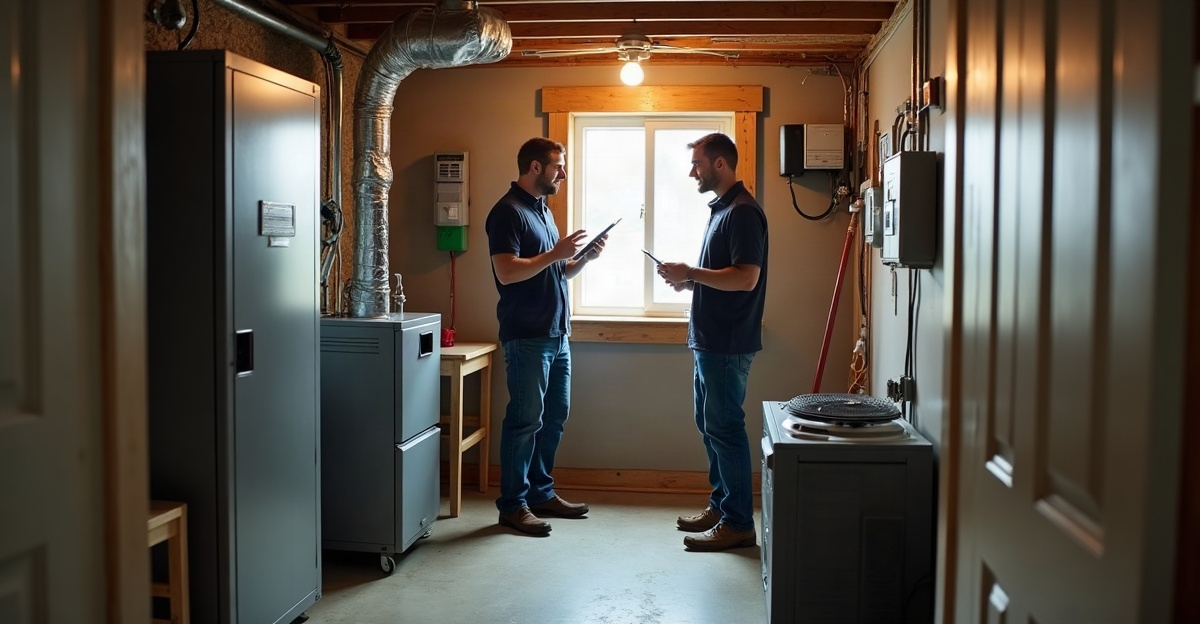
- On-site inspection and evaluation: We assess exposure levels, existing framing, and code requirements.
- Product selection: We choose the right system based on region, wind exposure, building type, and aesthetic goals. Coastal homes may need higher ratings than inland properties. A multi-tenant office has different demands than a single-family residence. Our general contracting services allow us to coordinate doors with broader exterior upgrades if needed.
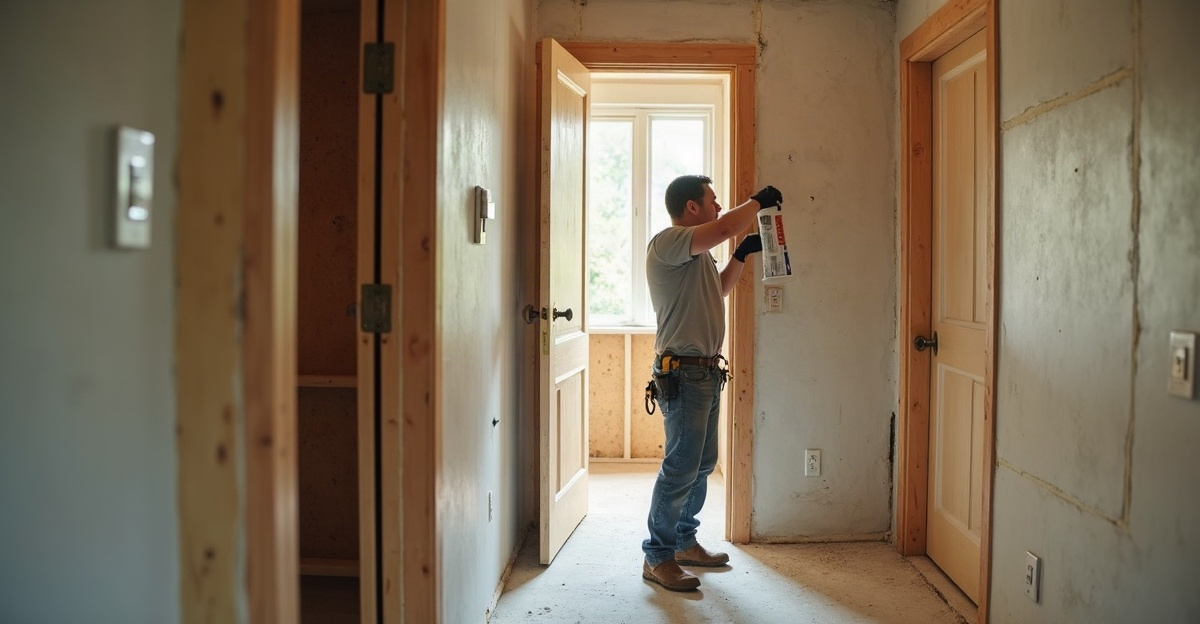
- Removal and installation: We carefully remove the existing system. Proper anchoring and sealing are critical. The new frame and panel are installed according to manufacturer specifications and local code.
- Final inspection and cleanup: We confirm compliance, ensure proper operation, and leave the site secure and clean.
Installation timelines vary. A single residential door may be completed in a relatively short time. Larger commercial projects or multi-site portfolios require scheduling coordination and phased work plans. Some temporary disruption is normal, especially for high-traffic entries. Clear communication keeps operations moving.
Impact doors make the most sense in:
- Coastal and high-wind regions
- Older properties that need code upgrades
- Buildings with high asset value or large occupancy
- Sites with a history of storm-related claims
If we’re evaluating the benefits of impact doors for a property, we look at the full exterior envelope. In many cases, we pair door upgrades with storm-readiness planning or storm damage repair services after a severe event.
When it’s time to talk specifics, we keep the conversation straightforward. We assess risk exposure. We review product options. We outline realistic costs and timelines. Anyone ready for a direct, pressure-free discussion can reach out through our consultation page. We’ll help make a clear, informed decision built on facts and long-term value.
Frequently Asked Questions
Are impact doors worth the investment for most properties?
Yes, impact doors are often worth the investment for properties exposed to severe weather or higher security risks. While they cost more upfront than standard doors, they can reduce storm damage, improve security, enhance energy efficiency, and increase long-term property value. The overall return depends on the building’s location, condition, and exposure to risk.
How do impact doors differ from standard exterior doors?
Impact doors are built with laminated impact-resistant glass, reinforced frames, and heavy-duty anchoring systems designed to withstand strong winds and flying debris. Standard exterior doors typically lack these protective features. Impact-rated systems are also tested to meet strict performance standards required in many hurricane-prone and high-wind regions.
Can impact doors help reduce energy bills?
Yes, impact doors can improve energy efficiency by reducing air leakage and limiting heat transfer. Tight weather seals, insulated frames, and laminated glass help maintain more consistent indoor temperatures, reducing the workload on heating and cooling systems. Actual energy savings vary based on climate, insulation quality, and the overall building envelope.
Do impact doors provide protection against break-ins?
Impact doors improve security by making forced entry more difficult, but they do not guarantee that break-ins cannot occur. Laminated glass stays bonded even when cracked, while reinforced frames and secure installation increase the time and effort required to gain entry. This added resistance often discourages opportunistic intruders and strengthens overall building security.
When should you install impact doors?
Impact doors are most beneficial for properties in coastal or high-wind areas, older buildings needing code upgrades, and homes or businesses with valuable assets to protect. They are also a smart choice for properties that have experienced previous storm damage or are undergoing exterior renovations, allowing protection and performance upgrades to be completed together.