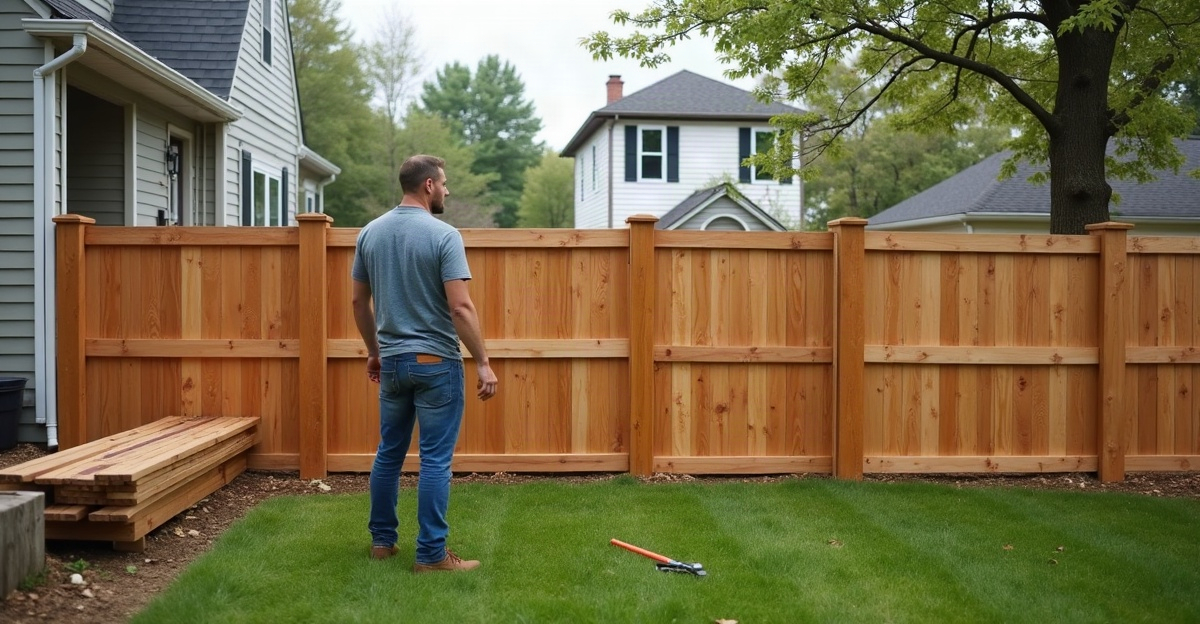
How to repair a broken fence?
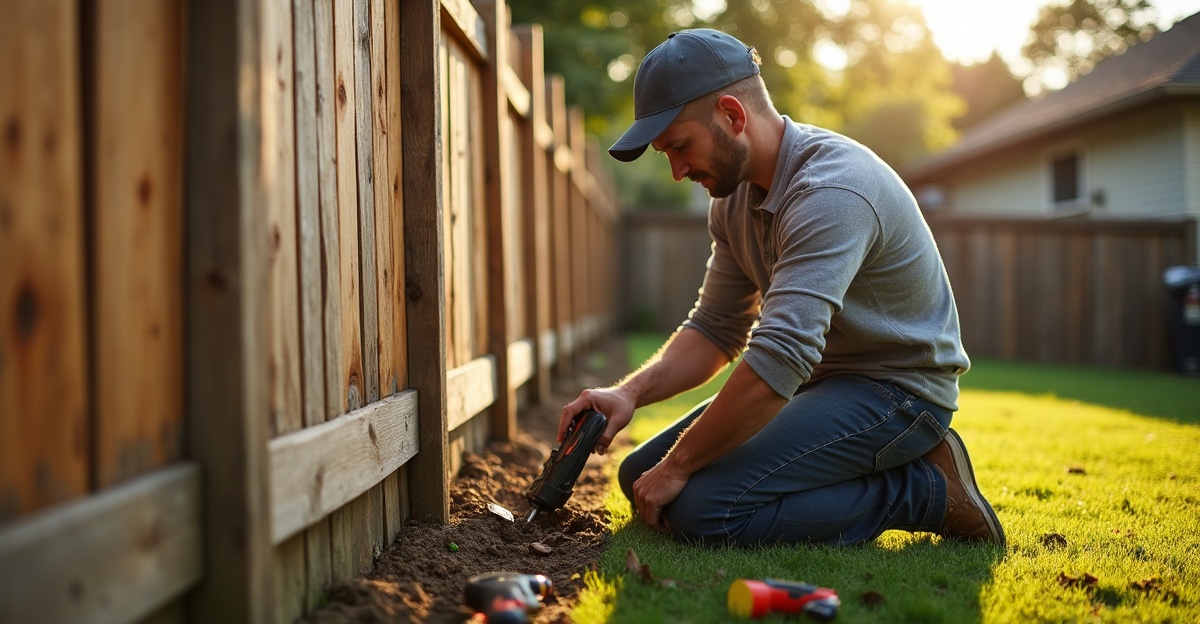
Learning how to repair a broken fence starts with identifying whether the issue is cosmetic, like cracked pickets or warped rails, or structural, such as rotted posts and failing footings. We inspect posts, panels, soil movement, and hardware first. We then decide if a focused repair will restore stability or if full replacement offers better long-term financial and safety value.
Key Takeaways
- We always assess whether the damage is cosmetic or structural before starting repairs.
- We treat fence post failure as the most serious issue, and we often remove old concrete and set a new pressure-treated post below proper depth.
- We fix stable posts with isolated panel damage by replacing boards or reinforcing rails with exterior-grade fasteners.
- We recommend full replacement if repair costs exceed 40–50% of replacement or if multiple posts are failing.
- We verify utilities, property lines, and local codes before digging, and we call in a professional when structural alignment or large sections are involved.
Assess the Damage First: Is It Cosmetic or Structural?
A broken fence can look worse than it is. It can also seem minor while hiding serious structural failure. The first step in how to repair a broken fence is figuring out exactly what failed.
We separate fence damage into two categories: cosmetic issues and structural problems.
Cosmetic damage typically includes loose boards, cracked pickets, minor leaning, or a single warped rail. Structural failure involves rotted posts, shifting footings, multiple panels collapsing, or a fence line that has moved out of alignment. Structural issues affect stability and safety. Cosmetic issues affect appearance and limited performance.
Common causes of fence failure include weather exposure, wood rot, soil movement or frost heave, vehicle impact, and poor original installation. In South Florida, heavy rain and shifting soil often weaken post footings over time.
During inspection, focus on critical pressure points:
- Grab each post and check if it moves at ground level. Movement usually signals footing failure.
- Probe wood with a screwdriver. If it sinks easily, rot is present.
- Look for rusted fasteners, warped rails, and split boards.
- Inspect concrete footings for cracking or separation from soil.
- Check whether multiple sections lean in the same direction, which can indicate soil settlement.
For commercial and multi-family properties, unstable fencing creates liability risk. A falling section can injure residents or visitors. Compromised perimeter fencing also impacts security. Those issues require immediate correction, not temporary fixes.
Learning how to repair a broken wooden fence starts with proper diagnosis. If posts are solid and damage is isolated, repair may extend the fence’s life. If posts are failing or rot is widespread, replacement often makes more financial sense long term.
Accurate evaluation determines whether a simple repair will hold—or if money is being spent on a short-term patch.
How to Repair a Broken Fence Post (The Most Critical Fix)
Fence posts carry the load of the entire system. When a post fails, panels follow. That’s why understanding how to repair a broken fence post is often the key to restoring stability.
Here’s a clear step-by-step overview:
- Remove any fence panels attached to the damaged post. Support adjacent sections to prevent collapse.
- Extract the old post. If necessary, cut it at ground level before removing the buried portion.
- Break up and remove the old concrete footing.
- Prepare the hole and add a gravel base for drainage.
- Set a new pressure-treated post (typically 4×4 or 6×6) in fresh concrete according to local fence and footing requirements.
- Use a level to ensure the post is perfectly plumb.
- Allow concrete to cure for 24–48 hours before reattaching panels.
Tools and materials you’ll need include a post hole digger or auger, shovel, level, concrete mix, gravel, galvanized screws or nails, gloves, and eye protection.
There are real safety concerns. Always verify buried utilities before digging through Florida’s 811 notification process. Fence panels can be heavy and unstable during removal. A partially collapsed section can fall without warning.
Cost varies depending on conditions. Based on current fence-repair cost data, DIY material costs typically range from $50–$150 per post, while professional repair usually runs $150–$400+ per post, depending on accessibility, soil conditions, and damage extent.
For long perimeter fences or load-bearing sections, professional expertise helps ensure alignment, code compliance, and long-term performance. Improper post spacing or shallow footings lead to repeat failures.
When we handle fence installation or structural repairs, we focus on footing depth and drainage first. A solid post prevents future callbacks and protects your investment.
How to Repair a Broken Fence Panel or Section
If posts are stable and damage is isolated, repairing a panel is usually straightforward. Many homeowners asking how to repair a broken fence panel are dealing with cracked pickets or split rails.
Follow this approach:
- Remove damaged pickets or rails carefully.
- Inspect surrounding boards for hidden rot or weakness.
- Cut replacement boards to match thickness and material.
- Secure them with exterior-grade or galvanized fasteners.
- Seal, stain, or paint the repaired area to protect against moisture.
Individual board replacement typically costs $10–$30 per board for materials. Full panel replacement generally ranges from $100–$300+ depending on material—wood, vinyl, or metal. Labor costs vary based on region and layout.
For wood fencing, understanding how to repair a broken wooden fence includes reinforcing rails properly. If a rail is cracked but posts are stable, sister the damaged rail with a new board. Fasten the new rail alongside the old one using exterior screws to distribute load evenly.
Vinyl or metal fences may require manufacturer-specific replacement sections. Matching color and panel style is important for curb appeal and consistency.
After repair, lifespan depends on overall fence condition. A properly repaired section can last many years if surrounding materials remain solid. However, if the rest of the fence is near end-of-life, isolated repairs may only buy limited time.
Repair vs. Replace: A Practical Comparison for Long-Term Value
Sometimes the better question isn’t how to repair a broken fence, but whether repair makes financial sense at all.
We recommend comparing repair versus replacement using these criteria:
When to Repair vs. Replace
- Fence age
Under 5–7 years: Repair is often practical.
15+ years: Replacement may be more cost-effective. - Extent of damage
Isolated section: Repair usually works.
Widespread rot or multiple panel failure: Replacement is smarter. - Post condition
Stable posts: Repair panels confidently.
Multiple failing posts: Structural integrity is compromised. - Cost comparison
If repair exceeds 40–50% of replacement cost, replacement usually delivers better long-term value.
For commercial properties, consistency and compliance matter. A patched perimeter with ongoing failures increases liability exposure. A full replacement often improves ROI by reducing maintenance and protecting occupants.
For residential properties, curb appeal and peace of mind matter just as much as cost. A leaning fence affects both aesthetics and safety.
Before major work, verify local codes, HOA requirements, and property lines. Boundary markers should always be confirmed before installation or structural correction.
If repair costs approach installation pricing, review fence installation cost expectations and compare them realistically. In many cases, starting fresh avoids repeated labor and material expenses.
Replacement can feel like a bigger decision upfront. In the long run, it often eliminates chronic issues.
Tools, Safety, and Compliance Considerations
Successful repairs depend on preparation. Oversimplifying structural work leads to setbacks.
Essential tools for most fence repairs include:
- Post hole digger or auger
- Circular saw
- Drill/driver
- Level
- Concrete mix
- Exterior-grade screws
- Protective gloves and eye protection
Safety risks deserve attention. Unstable posts can tip during removal. Concrete dust and wood splinters are common hazards. Underground utilities must always be verified before digging.
For commercial or multi-family properties, additional precautions may apply. Maintain clear pedestrian access. Use temporary barricades if sections are removed. Document repairs for compliance and recordkeeping.
Large or heavy fencing systems often require equipment beyond standard DIY tools. Attempting structural correction without proper supports or alignment tools can create new problems.
Small repairs are manageable for many property owners. Structural realignment and soil correction usually require professional equipment and experience.
When to Call a Professional Contractor
Some situations go beyond a simple home repair.
Professional evaluation makes sense when:
- Multiple posts are leaning.
- The fence line is shifting due to soil movement or erosion.
- More than 20–30% of the structure shows rot.
- Large-scale commercial perimeter fencing is involved.
Minor board swaps and small hardware replacements are manageable for many homeowners. However, structural post replacement across a long run requires precision alignment and proper footing depth.
Working with an experienced general contractor in Delray Beach ensures code compliance, accurate property line placement, and long-term durability. Professional repairs also reduce risk and help avoid repeat failures.
When structural integrity affects safety, shortcuts cost more later. Warranty-backed workmanship protects property value and reputation, especially for commercial and multi-family owners.
If conditions are uncertain or damage appears structural, schedule an inspection through our contact page. A clear assessment today prevents repeated repairs tomorrow.
Frequently Asked Questions
What is the easiest way to repair a broken fence without replacing it?
The easiest way to repair a broken fence is to replace damaged boards, rails, or hardware if the fence posts remain solid. Start by inspecting the posts for movement or rot, then remove and replace only the damaged components. Using exterior-grade fasteners and sealing exposed wood helps extend the repair and prevent future moisture damage.
Can I repair a broken fence post, or does it need to be replaced?
A broken fence post usually needs to be replaced because it supports the weight of the entire fence. Temporary braces may stabilize a leaning post for a short time, but they rarely provide a lasting solution. Installing a new pressure-treated post in fresh concrete restores structural strength and improves long-term durability.
How much does it cost to repair a broken fence?
Fence repair costs depend on the type and extent of the damage. Replacing individual boards is generally inexpensive, while repairing or replacing a damaged post costs more because it involves digging and setting new concrete. If repair expenses approach half the cost of a new fence, replacement is often the better long-term investment.
How long does a repaired wooden fence last?
A properly repaired wooden fence can last for many years if the surrounding structure remains in good condition. Replacing damaged boards, reinforcing rails, and protecting the wood with stain or sealant helps prevent moisture damage and decay. Regular inspections also catch small problems before they become major structural issues.
When should you replace a fence instead of repairing it?
You should replace a fence when multiple posts are failing, widespread rot is present, or large sections have become unstable. Older fences with recurring structural problems often cost more to maintain than to replace. A new fence provides improved safety, appearance, and long-term value while reducing the need for repeated repairs.