What Is TPO Roofing?
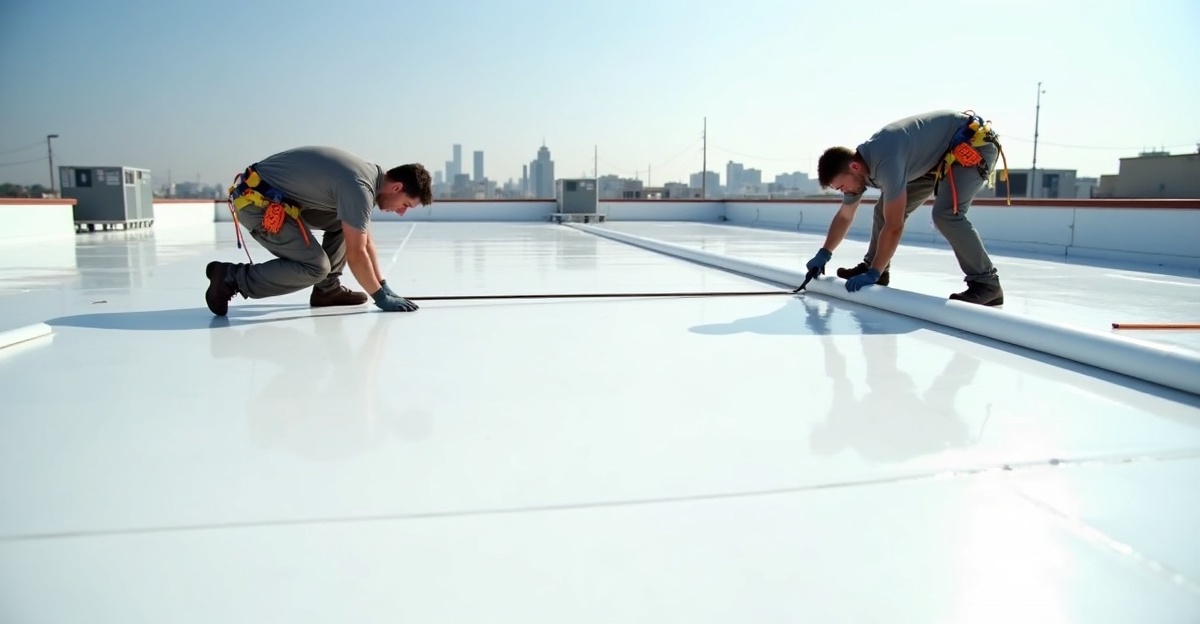
When we ask what TPO roofing is, we refer to a single-ply thermoplastic polyolefin membrane built for flat and low-slope roofs. Contractors heat-weld the seams to create a continuous waterproof barrier. Crews install it in layers over insulation and TPO decking components to deliver reflective energy performance, solid durability, and cost-effective protection for commercial buildings and select residential flat sections.
Key Takeaways
- TPO roofing is a reinforced single-ply membrane system installed over insulation and a roof deck, with heat-welded seams that form a strong, watertight surface.
- Most TPO membranes come in white or light colors and reflect sunlight, which reduces rooftop heat buildup and improves energy efficiency.
- Contractors install TPO using mechanically attached, fully adhered, or ballasted systems, and we select each method based on building structure, wind exposure, and performance goals.
- Typical lifespan ranges from 15–25+ years, and membrane thickness, climate conditions, ongoing maintenance, and installation quality all directly affect service life.
- TPO performs best on flat and low-slope roofs, and we recommend choosing the right thickness and working with trained installers to protect long-term performance.
TPO Roofing Explained: What It Is and Why It’s So Popular
TPO stands for thermoplastic polyolefin, a single-ply roofing membrane primarily used on flat and low-slope roofs. When asking what TPO roofing is, we’re talking about a flexible, heat-welded membrane system that creates a continuous waterproof barrier across large roof areas.
A TPO roofing system is made from a blend of polypropylene and ethylene-propylene rubber. It’s reinforced with polyester fabric for added strength and stability. That reinforcement helps the membrane resist tearing and handle expansion and contraction as temperatures shift.
So what is a TPO roofing system in practical terms? It’s a layered assembly installed over a roof deck and insulation. The TPO membrane sits on top and acts as the main TPO waterproofing layer. Seams between sheets are fused together with hot air, not glued or taped. Once welded, those seams form a monolithic surface that’s often stronger than the membrane itself.
Most TPO membranes are white or light-colored. Reflective roofing surfaces reduce heat absorption by bouncing back much of the sun’s radiation. For commercial properties and homes in warm climates, that can mean lower rooftop temperatures and better energy performance.
TPO is most common on warehouses, retail centers, office buildings, and multi-family properties. We also install it on modern homes with flat roof sections over garages or additions through our flat roofing services. It’s built for flat and low-slope applications. It’s not intended for steep-slope residential roofs.
How a TPO Roofing System Is Installed and Structured
A TPO roofing system is more than just the membrane, with insulation and TPO underlayment components forming part of the complete assembly built in layers.
Here’s how it’s typically structured:
- Roof deck: The structural base, such as concrete, steel, or wood.
- Vapor barrier (if required): Installed to control moisture movement from inside the building.
- Insulation: Commonly polyiso or EPS, improving energy efficiency and providing a smooth surface.
- TPO membrane: The top waterproofing layer, heat-welded at seams.
There are three primary installation methods:
Mechanically attached systems use fasteners to secure the membrane to the deck. This approach is common for large commercial buildings because it’s efficient and cost-effective.
Fully adhered systems use adhesives to bond the membrane directly to the insulation. This creates a smooth, uniform appearance and performs well in high-wind zones.
Ballasted systems rely on stones or pavers to hold the membrane in place. These are less common today but still used in certain circumstances.
Heat-welded seams are one of TPO’s biggest advantages. Contractors use hot-air welders to fuse sheets together. The result is a continuous surface that resists leaks at joints, which are often the weakest points in other systems.
Membranes are typically available in 45 mil, 60 mil, and 80 mil thicknesses. Thicker membranes generally provide better puncture resistance and longer service life. For high-traffic commercial rooftops, we often recommend 60 mil or 80 mil options.
Installation quality makes a major difference. Poor welding, weak flashing, or improper fastening can shorten the life of the system. Commercial TPO roofs are usually installed to meet strict local building codes, wind uplift standards, and energy efficiency requirements. That compliance protects the building and supports long-term performance. For larger facilities, our commercial roofing services focus heavily on these code and wind-load details.
If you want a deeper look at how single-ply systems are put together, our guide on single membrane roof installation walks through the process in more detail.
Key Benefits for Commercial and Residential Properties
TPO has gained popularity for good reason. It balances cost, performance, and energy efficiency.
Energy efficiency is one of its strongest selling points. The reflective surface reduces rooftop heat buildup. In warm climates, that can lower cooling demands and help maintain steady indoor temperatures.
Cost is another factor. TPO is generally more affordable than PVC and often competitive with EPDM, especially across large commercial surfaces. For property owners managing tight budgets, it delivers strong value per square foot.
Weight also matters. TPO is lightweight compared to built-up roofing or other multi-layer systems. That makes it ideal for wide-span commercial buildings that can’t support heavy assemblies.
Durability is solid for a single-ply system. TPO resists UV exposure, ozone, and general weathering. It remains flexible during normal expansion and contraction cycles.
Most TPO roofs last 15–25+ years, depending on thickness, climate, maintenance, and installation quality. If you’re evaluating long-term expectations, our breakdown of how long a flat roof lasts explains lifespan factors in more detail.
From a commercial standpoint, TPO supports return on investment through energy savings, scalable installation, and manageable maintenance costs. For residential flat sections, it provides peace of mind. Homeowners get a clean look and dependable waterproofing over garages, patios, and additions.
Limitations, Risks, and When TPO May Not Be the Best Choice
TPO works best on flat and low-slope roofs. It’s not suitable for steep-slope residential roofs where shingles or metal systems perform better.
Material quality can vary between manufacturers. Lower-grade membranes may not age as well, especially in extreme heat or cold. That’s why product selection and contractor experience matter.
Traffic is another consideration. Service technicians accessing HVAC units can puncture thinner membranes. In those cases, walkway pads or thicker sheets are smart upgrades.
Climate also plays a role. Thin 45 mil membranes in harsh environments may not last as long as thicker options. Choosing the right thickness for your building’s exposure is key.
TPO isn’t a universal solution. Some properties benefit more from EPDM, PVC, metal roofing, or asphalt shingles. If you’re comparing systems, our overview of flat roof vs shingle roof can help clarify which roof styles fit different structures.
We always recommend a professional assessment before making a decision. Roof design, traffic levels, chemical exposure, and budget all influence the right choice.
TPO vs. EPDM, PVC, Metal, and Asphalt Shingles
TPO and EPDM are both single-ply systems, but they differ in key ways. EPDM is a black rubber membrane with a long performance history and strong flexibility in cold climates. TPO typically features a white surface and heat-welded seams instead of taped seams. That welded connection can offer better leak resistance at joints.
PVC is known for chemical resistance. Restaurants or industrial buildings with grease or chemical exposure often lean toward PVC. TPO usually costs less, but PVC may outperform it in environments with heavy contaminants.
Metal roofing fits steep-slope or architectural designs and often carries a longer lifespan. It also comes with a higher upfront cost. TPO is better suited for large, flat commercial expanses where speed of installation and energy performance are priorities.
Asphalt shingles are standard for pitched residential roofs. TPO is appropriate for residential flat sections, not traditional sloped designs.
Every building is different. The best system depends on roof slope, budget, climate, and long-term ownership plans. We look at structure, usage, and goals before recommending any material.
Cost, Maintenance, and Signs It’s Time for Replacement
TPO roofing costs vary widely. Final pricing depends on roof size, membrane thickness (45, 60, or 80 mil), insulation type, tear-off versus a TPO overlay roof, labor rates, and local code requirements.
Commercial property owners should look beyond upfront cost. Evaluate lifecycle value, energy savings, warranty terms, and how installation affects daily operations. Residential homeowners often prioritize budget clarity and projected lifespan, typically 15–25+ years with proper care.
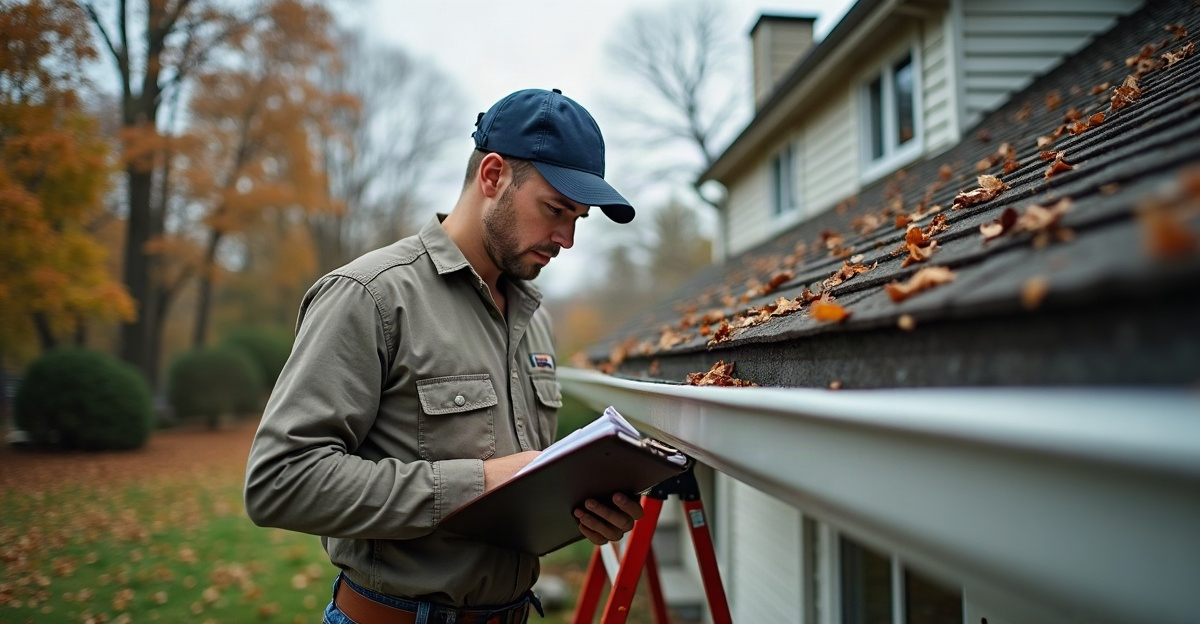
Maintenance is straightforward but essential. Schedule periodic inspections. Keep drains and scuppers clear. Check seams and flashing. Address punctures quickly. Early repairs prevent broader water damage.
TPO is repairable. Heat-welded patches can restore damaged sections effectively if issues are caught early. Our guide on single membrane roof repair outlines what that process looks like.
It may be time for replacement if you see:
- Persistent or widespread leaks.
- Seam separation across large areas.
- Membrane shrinkage or cracking.
- Repeated punctures.
- Saturated insulation beneath the membrane.
In those cases, a full roof replacement may make more financial sense than ongoing patchwork.
A professional inspection gives clarity. We assess membrane condition, seam integrity, insulation moisture levels, and overall system performance. From there, we can determine whether targeted repairs, restoration, or a new TPO roofing system is the right move. If you’re weighing options, reach out through our contact page and we’ll walk through it together.
Frequently Asked Questions
What is TPO roofing made of?
TPO roofing is made from a blend of polypropylene and ethylene-propylene rubber, reinforced with polyester fabric for added strength. This single-ply membrane is designed for flat and low-slope roofs, where heat-welded seams create a durable, waterproof barrier that resists weather, UV exposure, and everyday wear.
How long does a TPO roofing system last?
A properly installed and maintained TPO roof typically lasts between 15 and 25 years or more. Its lifespan depends on factors such as membrane thickness, climate, installation quality, roof traffic, and routine maintenance. Regular inspections and prompt repairs can help maximize its service life.
Is TPO roofing energy efficient?
Yes, TPO roofing is known for its energy efficiency because most membranes are white or light-colored and reflect sunlight. This reflective surface reduces heat absorption, helping keep buildings cooler during warm weather. Lower rooftop temperatures can also reduce cooling costs and improve overall building efficiency.
What is the difference between TPO and EPDM roofing?
The main difference is that TPO uses heat-welded seams and typically has a reflective white surface, while EPDM is a black rubber membrane with seams usually joined using adhesive or tape. TPO is often chosen for its energy-saving properties, whereas EPDM is valued for its flexibility and strong performance in colder climates.
Can TPO roofing be repaired if it gets damaged?
Yes, TPO roofing can often be repaired if damage is identified early. Small punctures, seam issues, and localized wear can usually be fixed with heat-welded patches that restore the membrane’s waterproof integrity. However, widespread leaks, extensive seam failure, or water-damaged insulation may indicate that roof replacement is a more practical long-term solution.