What is the process of roof replacement?
If we ask what the process of roof replacement involves, we begin with a detailed inspection and a clearly defined scope of work. We then move through tear-off, structural review, installation, and a final walkthrough. Each stage—permits, material selection, decking repairs, waterproofing, and warranty documentation—protects the property and ensures the system meets code, budget, and long-term performance goals.
Key Takeaways
- We start roof replacement with a full inspection and a written scope that outlines materials, timeline, permits, and known repairs.
- We remove the existing roof during tear-off to expose the decking for structural review, and we correct any rot or damage before we continue installation.
- We install underlayment, flashing, ventilation, and drainage components before we apply the final roofing system to prevent leaks and moisture issues.
- We complete most residential projects in 1–3 days, while commercial jobs can take several weeks based on size, system type, and staging requirements.
- We finish with full cleanup, magnetic nail sweeps, a detailed walkthrough, and delivery of manufacturer and workmanship warranties.
From Inspection to Final Walkthrough: The 7 Core Stages of Roof Replacement
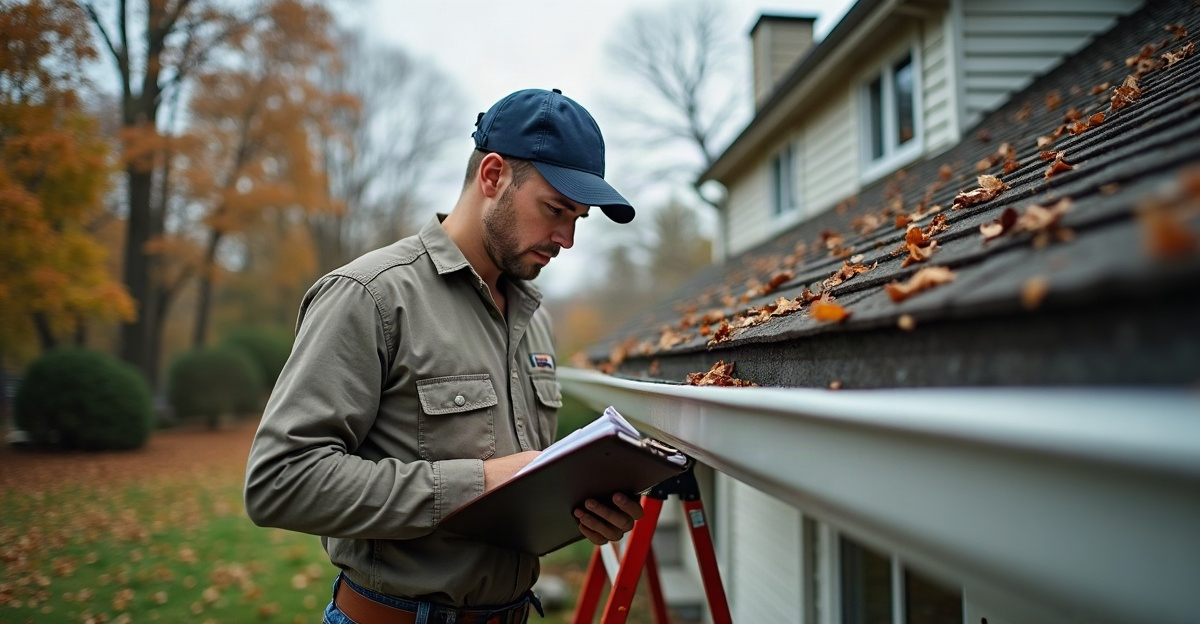
We start every project with a full inspection. That means checking the attic for moisture, mold, insulation issues, and ventilation problems, then walking the roof to assess shingles, flashing, penetrations, and overall wear.
This first step answers the big question: what is the process of roof replacement and where does it truly begin? It begins with facts. No guessing. No shortcuts.
1. Inspection and Scope Development
After the assessment, we build a detailed estimate and scope of work. This outline explains materials, labor, timeline, and any known repairs. If we’re replacing a residential system, we review shingle or metal options. For commercial properties, we look at membrane systems like TPO, PVC, EPDM, or modified bitumen.
Before signing anything, it’s smart to review what to ask before getting a roofing estimate. A clear scope protects everyone involved.
Permits come next. Requirements vary by state and municipality. Florida roof replacement permit and inspection requirements explain the applicable code and inspection process. We coordinate permits so the project meets code from day one. You can learn more about roof replacement permits in Florida to understand what’s required.
2. Scheduling, Tear-Off, and Structural Review
Once paperwork is approved, we schedule material delivery and set a start date. Timing depends on weather and availability. If you’re deciding when to move forward, review the best season for roof replacement so expectations are realistic.
The physical roof replacement process step by step looks like this:
- Protect landscaping and property with tarps and barriers.
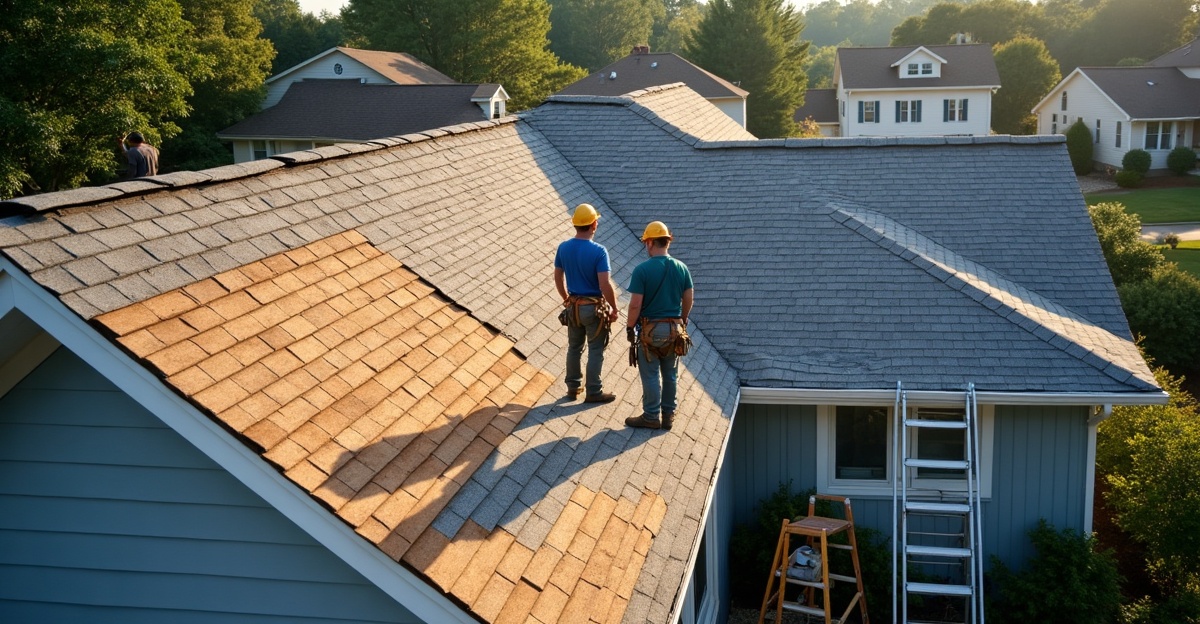
- Remove the old roofing system down to the decking.
- Dispose of debris in designated containers.
- Inspect exposed decking for rot, mold, or structural damage.
Decking inspection is critical. If sheathing is compromised, it must be replaced before moving forward. Skipping this stage causes long-term failures.
After structural review, we install roof underlayment and waterproofing systems before continuing with the finished roofing assembly. These components shield the home or building from wind-driven rain and moisture intrusion. Then we install flashing, ventilation systems, edge metal, and drainage components. These details prevent leaks at the most vulnerable points.
Finally, we install the finished roofing system. For homes, that could be asphalt shingles, tile, or metal panels. For commercial properties, it may be a fully adhered TPO membrane, mechanically attached PVC, EPDM, or modified bitumen system.
When installation is complete, we perform a full cleanup. That includes a magnetic nail sweep and removal of protection materials. We finish with a final walkthrough, confirm workmanship, and deliver warranty documentation.
If you want a deeper overview of typical components involved, review what is included in roof replacement for additional clarity.
How Long It Takes—and What Can Change the Timeline
Most residential roof replacements take 1–3 days. Larger homes with steep slopes or complex layouts may take longer. Weather plays a major role. High winds, heavy rain, or extreme heat can delay progress.
Commercial projects are different. Large facilities often take several weeks depending on square footage, system type, and staging needs. Flat and low-slope roofs require phased installation, especially when business operations must continue during construction.
Several factors can influence schedule:
- Weather interruptions.
- Decking replacement discovered during tear-off.
- Permit approval timing and required inspections.
- Material availability.
- Change orders for hidden structural damage.
Flat roofs and pitched systems behave differently. Pitched residential roofs shed water quickly and are typically replaced faster. Low-slope commercial roofs often require insulation upgrades, adhesion time for membranes, and more complex drainage planning.
Rain during installation is a common concern. If unexpected weather moves in, we secure the structure with temporary dry-in methods. That may include synthetic underlayment or sealed membrane tie-ins that protect the building overnight. We never leave exposed decking uncovered.
Exact timelines depend on roof size, design complexity, material choice, and local code requirements. There isn’t a one-size-fits-all answer to what is the process of installing a roof because each structure has its own demands.
What You Should Expect on Installation Day (Noise, Safety, and Disruption)
Roof replacement is loud. Tear-off involves heavy materials hitting containers and constant nail gun use. Vibrations travel through framing members. That’s normal.
For residential properties, we recommend a few basic preparations:
- Move vehicles out of the driveway.
- Cover or secure fragile wall hangings.
- Protect attic belongings from dust.
- Keep children and pets away from work zones.
Many homeowners ask whether they should leave during installation. In most cases, staying home is safe but uncomfortable due to noise. For more clarity, read should I stay home during roof replacement to help plan the day.
Commercial projects operate differently. We follow OSHA roofing safety standards and establish defined access points, debris zones, and safety barriers. Tenant notifications and coordination happen in advance. Our goal is minimal disruption and continuous operations whenever possible.
Property protection matters on every job. We use:
- Tarps to shield landscaping.
- Plywood to protect windows and doors when needed.
- Controlled debris disposal systems.
- Daily cleanup on multi-day projects.
Magnetic nail sweeps occur at the end of each day and again at final completion.
Moving out is rarely required unless structural framing repairs are extensive. Most homeowners remain in place without issue.
Costs, Estimates, and Change Orders—What Drives the Investment
Roof replacement costs vary based on measurable factors. We don’t offer vague guesses. We evaluate the structure and provide ranges based on scope.
Primary cost drivers include:
- Total square footage.
- Material selection (asphalt shingles vs. metal vs. membrane systems like TPO or PVC).
- Roof pitch and architectural complexity.
- Number of penetrations, skylights, chimneys, or HVAC units.
- Decking repair requirements.
- Local labor rates and permit fees.
- Insulation upgrades, especially for commercial properties.
Hidden damage is the biggest cost variable. Once tear-off reveals the decking, we may discover rot or moisture intrusion. When that happens, we issue a documented change order. A professional contractor explains the issue, provides photos, outlines corrective action, and gains approval before proceeding.
For commercial property managers, roof replacement is a capital investment. Energy efficiency, drainage design, warranty length, and code compliance influence long-term operating costs and asset value.
For homeowners, the roof protects your largest investment and your family’s safety. Cutting corners to save short-term costs usually leads to higher expenses later.
Insurance claims may apply in cases of storm or hail damage. We help document findings so claims align with actual site conditions.
If you’re reviewing contractor options, start with guidance on how to hire a roofing contractor. Experience and transparency matter more than low bids.
Key Differences Between Residential and Commercial Roof Replacement
Residential roofs are typically pitched systems. Water drains down slopes into gutter systems. Materials include shingles, tile, or metal panels.
Commercial roofs are commonly flat or low-slope. Drainage flows into internal drains or scuppers. Membrane systems like TPO, PVC, and EPDM dominate this category.
Installation methods differ significantly. Shingle systems rely on layered overlapping components. Membrane systems depend on heat welding or adhesive bonding. Each requires specialized skill sets.
Safety requirements scale up on commercial properties. Fall protection, perimeter warning lines, and documented safety protocols are mandatory. Municipal inspections are also more detailed and frequent on large buildings.
Project management becomes more complex for multi-tenant facilities or retail centers. Phased installation keeps businesses operational while sections of roofing are replaced.
Experience should match property type. A contractor skilled in residential shingle work isn’t automatically qualified for a large industrial membrane retrofit. Choose a team that works with your building type regularly.
Our full range of roofing services covers both residential and commercial systems, so the solution is matched to structure, code requirements, and long-term performance goals.
Credentials, Warranties, and the Final Inspection
The final walkthrough confirms workmanship and site condition. We review flashing details, ventilation components, edge metal installation, and overall system alignment. Cleanup is verified, including magnetic nail sweep confirmation.
You should receive:
- Manufacturer warranty documentation.
- Written workmanship warranty.
- Permit sign-offs where required.
Warranty coverage varies by material and installer certification level. Manufacturer warranties typically cover product defects. Workmanship warranties cover installation errors.
How long does a roof replacement take? Most homes take 1–3 days. Large commercial systems can take weeks.
What warranties should you expect? At minimum, a manufacturer warranty and a written labor warranty.
How do you choose the right contractor? Verify licensing and insurance. Request a written scope. Ask about change order procedures. Confirm familiarity with local codes.
If you’re ready to move forward after learning what is the process of roof replacement, schedule a professional evaluation through our contact page. Clear answers start with a thorough inspection.
Frequently Asked Questions
What is the process of roof replacement from start to finish?
The roof replacement process starts with a professional inspection and a detailed scope of work. The old roofing materials are removed, the roof decking is inspected and repaired if needed, and new underlayment, flashing, ventilation, and roofing materials are installed. The project ends with cleanup, a final walkthrough, and delivery of warranty documentation.
How do you know if your roof decking needs to be replaced?
Roof decking is evaluated after the existing roof is removed because damage is often hidden beneath the surface. Signs such as rot, moisture damage, mold, or weakened wood indicate replacement is necessary. Repairing damaged decking before installing a new roof helps create a stable foundation and prevents future structural problems.
Can a roof replacement be completed if it rains?
Yes, but contractors take precautions to protect the property if weather changes unexpectedly. Temporary dry-in methods, such as synthetic underlayment or sealed waterproof coverings, help keep the roof protected until work can resume. Professional roofers avoid leaving exposed decking uncovered whenever rain is expected.
What factors affect the cost of the roof replacement process?
The cost of roof replacement depends on roof size, material selection, roof pitch, structural complexity, permit requirements, and any hidden damage discovered during tear-off. Additional repairs, insulation upgrades, or specialized roofing systems can also increase the total investment. A detailed inspection provides the most accurate estimate.
Should you stay home during the roof replacement process?
Most homeowners can safely stay home during roof replacement, but they should expect significant noise and vibration throughout the project. Moving vehicles, securing fragile items, and keeping children and pets away from work areas can improve safety and comfort. Some homeowners choose to leave for the day simply to avoid the disruption.