Eco-Friendly Construction Materials to Consider
Eco‑friendly construction materials demand lifecycle thinking. We measure embodied energy, durability, recyclability, indoor air quality impact, and long-term energy performance before we specify a product. Each decision affects operating costs, compliance, and asset value for decades. From metal roofing and cool roof systems to ICFs, recycled steel, and high-performance insulation, we choose materials that strengthen ROI while lowering long-term risk.
Key Takeaways
- True sustainability depends on lifecycle performance, not marketing claims or upfront cost alone. We evaluate how materials perform over 20 to 50 years, not just at purchase.
- Roofing options like metal, cool roofs, coatings, green roofs, and solar systems impact energy use, maintenance cycles, and asset value. We compare reflectivity, lifespan, and service needs before specifying a system.
- Durable structural materials such as engineered wood, recycled steel, ICFs, and fiber cement reduce replacement frequency and long-term risk. These materials increase resilience and often lower insurance and repair costs.
- Energy efficiency improves most when roofing, insulation, and air sealing work as an integrated system. We align these layers to control heat flow, moisture, and air leakage as one strategy.
- Smart material selection requires evaluating climate exposure, ownership timeline, maintenance capacity, ROI, and code compliance. We match each choice to project goals so performance and cost stay predictable over time.
What Makes a Construction Material Truly Eco Friendly?
Eco friendly construction materials are defined by performance over their full lifespan, not by labels or marketing claims. We evaluate how a material is produced, how long it lasts, how it performs in service, and what happens at the end of its life.
That approach is known as lifecycle thinking. It forces measurement of real impact instead of reliance on marketing language.
True sustainable building materials should be evaluated across five core areas:
- Embodied energy: The energy required to extract, manufacture, and transport the material.
- Lifespan: How long it performs compared to conventional options.
- Recyclability: Whether it can be reused or recycled at end of life.
- Indoor health impact: Including low VOC building materials that protect indoor air quality.
- Energy performance: How effectively it reduces heating and cooling demand over time.
For example, metal roofing often contains recycled content and is 100% recyclable at the end of its service life. It can also last 40 to 70+ years. A material that lasts three times longer reduces replacement cycles and landfill waste.
The lifecycle cost of building materials also matters. The lowest upfront bid rarely produces the lowest cost over 30 or 40 years. Maintenance, repairs, and energy inefficiencies compound over time.
Not every product marketed as green building materials delivers meaningful performance. Some options sacrifice durability. Others fail to meet code requirements in specific climates. A short-lived material that requires frequent replacement often increases environmental impact.
Strong outcomes happen when durability, energy efficiency, and code compliance align. That alignment is what makes eco friendly construction materials deliver real value.
High-Performance Eco Friendly Roofing Options for Real-World Projects
Roofing significantly impacts energy consumption, maintenance cycles, and long-term asset value. Selecting the right eco friendly roofing options can influence operating costs for decades.
Comparing Major Eco Friendly Roofing Options
Metal roofing
- Upfront cost: High
- Lifespan: 40–70+ years
- Maintenance: Low
- Best for: Long-term owners, commercial buildings, storm-prone regions
Metal roofing sustainability is strong due to high recyclability and exceptional durability. Reflective finishes improve thermal performance in warm climates. For residential and commercial applications, metal roofing systems provide measurable long-term value.
Cool roofing systems (TPO, PVC, reflective membranes)
- Upfront cost: Moderate
- Lifespan: 20–30+ years depending on system
- Maintenance: Low to moderate
- Best for: Flat and low-slope commercial buildings
Cool roofing systems reflect sunlight and lower surface temperatures, helping reduce cooling loads and meet energy codes. Learn more about practical performance benefits in this overview of cool roof system benefits.
Reflective roof coatings
- Upfront cost: Low to moderate
- Lifespan: Can extend roof life 10–15+ years when properly applied
- Maintenance: Periodic inspection
- Best for: Extending aging flat roofs
Coatings reduce heat gain and delay full tear-offs, minimizing landfill waste and capital expense. Explore additional details about reflective roof coatings.
Recycled shingles or rubber roofing
- Upfront cost: Moderate
- Lifespan: 30–50 years
- Maintenance: Low
- Best for: Residential properties focused on waste reduction
These products use recycled rubber, plastics, or wood fiber, reducing landfill impact while offering strong durability.
Green roofs
- Upfront cost: High
- Lifespan: 40+ years for underlying waterproofing with maintenance
- Maintenance: Moderate to high
- Best for: Urban commercial buildings
Vegetative systems improve stormwater control and reduce urban heat. Review key considerations for green roofing systems for commercial buildings.
Solar roofing systems
- Upfront cost: High
- Lifespan: 25+ years for panels
- Maintenance: Low with scheduled inspection
- Best for: Long-term residential and commercial ownership
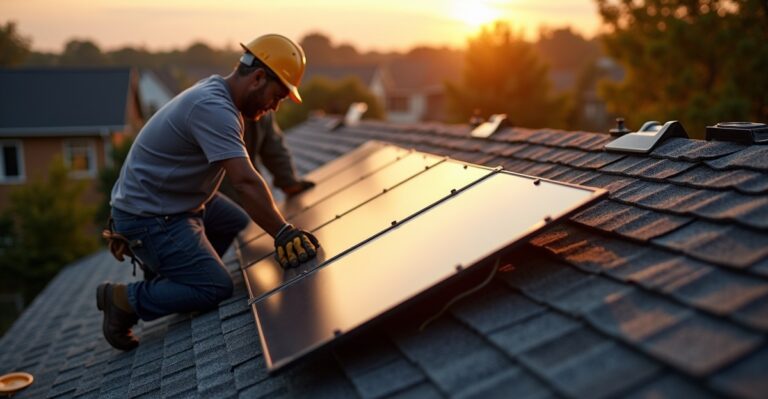
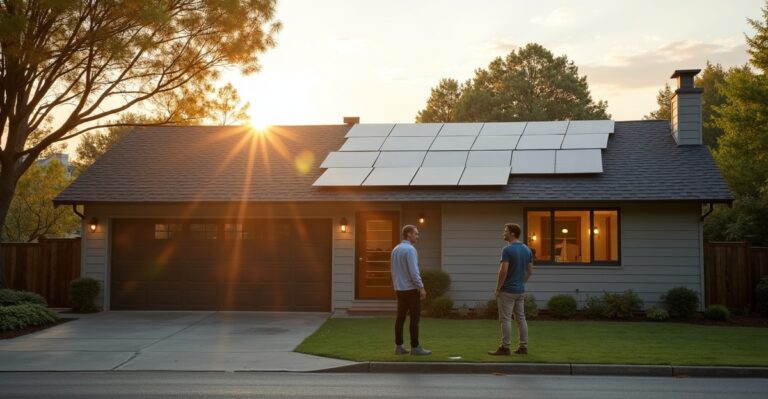
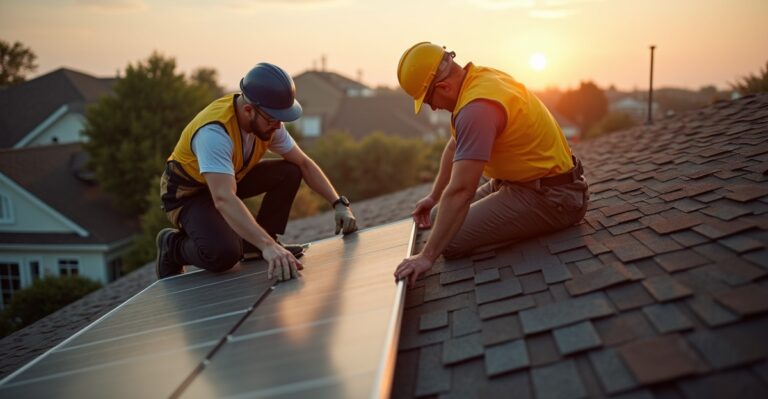
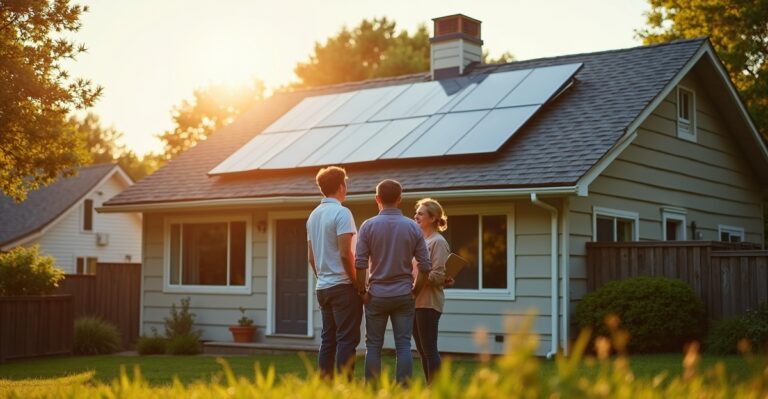
Solar roofing systems convert roof space into on-site energy generation. Many owners pursue solar panel systems for long-term savings and enhanced resale value, as discussed in how solar roofing boosts home value.
The right system depends on climate conditions, ownership timeline, and building function.
Sustainable Structural and Exterior Materials That Add Long-Term Value
Sustainable construction extends beyond roofing. Structural and exterior materials shape building performance for generations.
Engineered wood products use raw materials efficiently and reduce waste compared to dimensional lumber. When responsibly sourced, they qualify as green building materials while maintaining structural reliability.
Recycled steel offers a high strength-to-weight ratio and can be recycled repeatedly at end of life. Its durability and fire resistance make it common in commercial sustainable construction.
Insulated concrete forms (ICFs) combine structure and insulation, providing superior thermal resistance and storm resilience. Though upfront costs are higher, lifecycle savings frequently justify the investment.
Fiber cement siding resists fire, insects, and rot. Its long service life reduces replacement frequency and maintenance costs.
Reclaimed materials reduce demand for new manufacturing. Structural applications require strict code review, while finish applications are often easier to integrate.
Strong durability drives long-term ROI. Fewer repairs and replacements reduce labor disruption, material waste, and cumulative cost.
Energy Efficiency and Insulation: Where Sustainability Pays You Back
The building envelope controls operating expense. Roofing, insulation, windows, and air sealing determine HVAC demand.
Common sustainable insulation options include:
- Spray foam insulation: High R-values and excellent air sealing, with strong moisture control.
- Cellulose insulation: Often made from recycled material and cost-effective when installed properly.
- Rigid board insulation: High thermal resistance and common in commercial roofing assemblies.
Energy efficient roofing materials perform best when paired with adequate insulation and air sealing. Integrated systems reduce utility bills, improve comfort, and stabilize indoor temperatures.
Additional performance considerations are outlined in this summary of the benefits of energy-efficient roofing. When roofing and insulation work together, sustainability produces measurable financial returns.
Cost vs Long-Term Value: How to Evaluate Construction Material ROI
Construction material ROI must be evaluated over time, not at purchase. Five core cost categories should be considered:
- Upfront material and installation cost
- Maintenance frequency
- Repair risk
- Energy savings potential
- Expected lifespan
For example, asphalt roofing may last 15–25 years, while metal roofing can last 40–70+ years. Even at a higher initial cost, fewer replacement cycles often reduce total spending over the building’s life.
The same principle applies to insulation systems. Higher-performance assemblies reduce heat loss for decades, compounding energy savings annually.
For commercial buildings, improved efficiency increases asset value and tenant appeal. For residential owners, it delivers predictable maintenance and lower energy bills.
Sustainable materials are not always the cheapest upfront option. They make financial sense when longevity, efficiency, and risk reduction justify the investment.
How to Choose the Right Materials for Your Property and Stay Code-Compliant
Selecting eco friendly construction materials requires a structured evaluation process.
Consider:
- Budget and financing options
- Property type (office, retail, industrial, multi-family, single-family)
- Climate exposure (wind, heat, hail, humidity)
- Project timeline and operational tolerance
- Long-term ownership plans
- Maintenance capacity
Energy codes such as IECC establish insulation and reflectivity standards. Commercial projects may pursue LEED building materials credits. Insurance providers in high-risk regions often favor resilient systems like metal or concrete assemblies.
Verified performance data is essential. Wind ratings, fire classifications, and tested R-values must be confirmed to avoid greenwashing and maintain compliance.
Sustainable upgrades are often most cost-effective during planned replacements. Delaying improvements until failure can limit choices and increase expense.
If you are evaluating eco friendly construction materials for an upcoming project, connect through our contact page. A structured review can help balance performance, compliance, and long-term value for your property.