Green Roofing Systems for Commercial Buildings
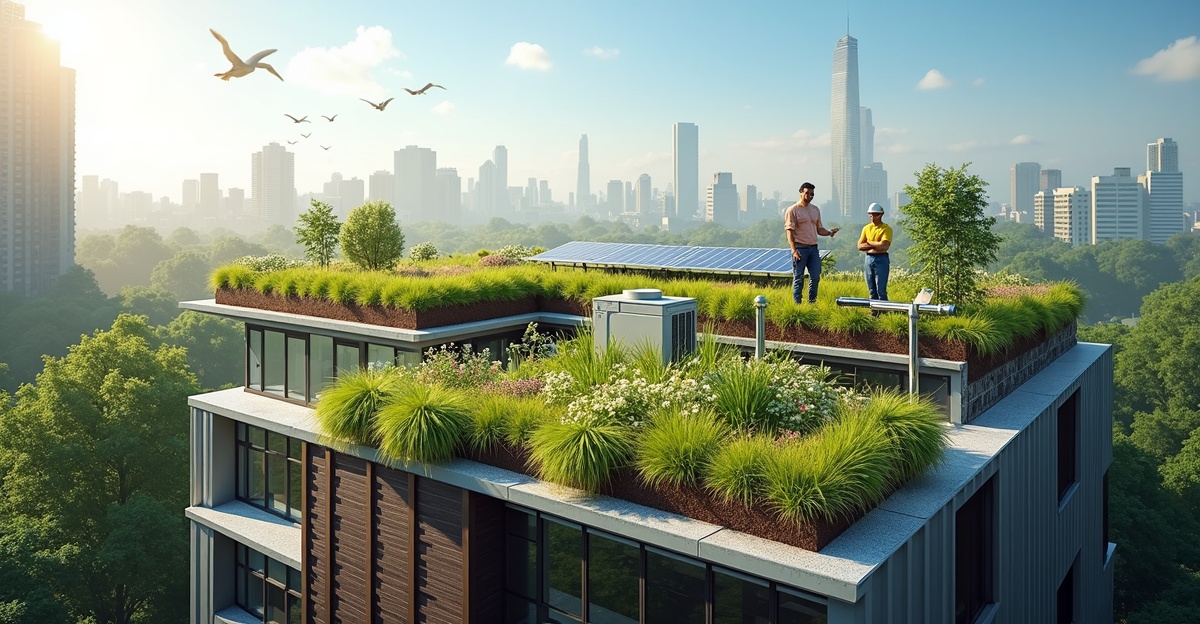
Green roof systems on commercial properties do more than support sustainability—they make solid financial sense. They lower energy use, extend roof durability, and open the door to meaningful incentives like tax savings and LEED credits. These advantages build genuine value for property owners.
Key Takeaways
- Green roofs reduce summer energy use by as much as 75%, helping shrink monthly utility expenses.
- The plant layers shield roof membranes from UV rays and harsh temperatures, which helps roofs last longer.
- Cities and utilities often provide financial support, including rebates and stormwater fee discounts.
- Both intensive and extensive setups allow flexible designs based on structural capacity and usage goals.
- Ensuring code compliance remains essential. Skilled contractors help speed up permits and streamline the build.
What You Gain From a Green Roof: ROI, Rebates, and Reliability
Green roofs offer more than a fresh look—they deliver long-term value. For commercial property owners focused on reducing operating expenses, retaining tenants, and making smart capital improvements, green roof ROI is hard to ignore.
Energy performance leads the list. According to the EPA, “Green roofs can reduce energy use in summer by up to 75% in some commercial buildings.” That drop in cooling demand translates to significant utility savings. In colder seasons, the insulation layer helps cut heating costs too.
Beyond energy savings, a green roof extends the service life of your existing roof membrane. Plants and soil protect the underlying materials from UV exposure and extreme temperature swings. That means fewer repairs and a longer replacement cycle.
Maintenance costs over time also go down. Green roofs regulate temperature, manage water runoff, and slow degradation, so you’re not patching leaks or replacing insulation as often.
Financial incentives push green roof ROI even further:
- LEED green roof credits contribute to your certification score.
- Many city and state programs offer stormwater fee reductions or property tax rebates.
- Some utility companies offer installation incentives for sustainable upgrades.
Green roofs may cost more upfront than a traditional system, but the payoff is real. Reduced energy bills, fewer repairs, extended lifespan, and bonus incentives combine to make the investment worth serious consideration. For more on lifecycle cost comparisons, check out our article on the commercial roof replacement guide.
Why More Commercial Buildings Are Going Green on Top
Green roofs have moved from trend to standard in commercial design for good reason. Their benefits line up well with what building owners, asset managers, and developers care about most.
Key reasons companies choose green roofing:
- Reduced heating and cooling costs: Better insulation leads to real utility savings.
- Stormwater management: Green roofs absorb rain, reducing pressure on urban drainage systems.
- Longer roof life: Vegetative layers shield roof membranes from weather damage.
- LEED compliance and credibility: Eco-friendly features improve building certifications and public image.
- Better tenant appeal: The improved aesthetics and potential access to rooftop gardens attract higher-quality tenants.
- Less impact from heat islands: Green spaces lower your property’s localized heat signature.
These sustainable roofing solutions for buildings go beyond environmental impact. They’re good business decisions. If you’re planning a renovation or a new build, discuss your energy goals, market positioning, and long-term strategy so we can match the roof system to what matters most for you.
Understanding Green Roof Systems: Intensive vs. Extensive
A green roof system for a commercial property has multiple layers—waterproofing, insulation, root barriers, drainage, and the vegetation layer on top. But “green” doesn’t always mean the same thing. There are two main types: intensive and extensive.
Intensive systems use deeper soil beds and support larger plants, shrubs, or even trees. They’re heavier, more expensive, and require regular landscape maintenance. But they allow for usable outdoor space, like rooftop gardens or terraces.
Extensive systems are lighter. They use shallower soil with drought-tolerant ground cover like sedum. These systems cost less and need minimal maintenance, but they’re not meant for daily foot traffic.
Here’s how they compare:
- Intensive systems
- Higher installation cost
- Heavier (needs stronger structural support)
- Allows for recreational or tenant use
- Ideal for high-profile buildings or residential mixed-use projects
- Extensive systems
- Lower cost and load impact
- Thinner soil layer and less vegetation
- Passive environmental benefits
- Suited to warehouses, offices, or buildings with limited roof access
Choosing between intensive vs. extensive green roofs comes down to your structural capacity, budget, and goals. If you want park-like space tenants can access, you’re likely looking at intensive. For simpler applications, extensive gets the job done well. Property managers overseeing multiple sites should also consider standardizing one type for consistency across the portfolio.
Is Your Commercial Property a Good Fit?
Not every building can support a green roof out of the gate. That said, most commercial properties can be upgraded—with the right planning.
Start by evaluating a few essentials:
- Load-bearing capacity – Green roofs add substantial weight, especially intensive ones. Your building must support this safely, or retrofitting will be needed.
- Regional climate – Plant types vary by climate. Heat, frost, and rainfall all affect which system works best.
- Building height and exposure – Tall buildings face stronger winds, which can lift poorly designed systems.
- Use case – Will tenants be walking or gathering on the roof? Then you’ll need intensive systems and guardrails.
- Maintenance needs – Some buildings may not have the staffing or budget for high-maintenance vegetation.
- Liability and access – Lease terms and insurance should be reviewed if tenant access is planned.
Older buildings often need structural assessments to confirm their suitability. Some flat roofs weren’t built to handle green upgrades. In those cases, we may recommend flat roof reinforcement or an alternative like a roof coating to improve energy performance.
Calculating the full green roof cost for commercial buildings includes both upfront installation and long-term benefits. Don’t go in blind—talk with professionals who understand building codes, structural engineering, and weatherproofing.
What You’ll Need to Cover: Codes, Permits, and Compliance
Installing a green roof system isn’t just a construction job—it’s a regulated process. Every city has different zoning rules. Building codes may dictate how deep your system can be, how heavy it is, and how stormwater is managed.
Waterproofing and drainage are major focus areas. A green roof must be leak-proof and meet standards for runoff control. That usually requires certified architectural plans and documentation to satisfy building departments.
This is where experienced green roofing contractors for businesses make all the difference. We work in multiple jurisdictions and know how to get your project approved without wasting time. That includes permit prep, drawing submittals, and coordinating inspections.
Don’t miss out on extra incentives either:
- LEED green roof credits can apply toward overall certification.
- City and utility programs may offer portfolio-wide benefits if you’re upgrading several properties.
Every green roof project should start with a permitting and compliance checklist. If you manage multiple buildings, standardizing your approach helps minimize surprises and delays. We can also align these upgrades with broader commercial construction planning to optimize ROI.
How We Approach Green Roof Projects at Scale
Green roofing at commercial scale isn’t just about the system—it’s about the process. We bring planning, construction, and performance together in one controlled workflow.
Here’s how we work from start to finish:
- Consultation and feasibility analysis – We begin by reviewing existing structures, goals, and budgets.
- Structural assessment and recommendations – Our teams assess load capacity, waterproofing integrity, and code requirements before design begins.
- Permitting and compliance – We handle submittals, drawings, and code alignment for stress-free approvals.
- Quality installation and project management – From logistics to material procurement to final setup, we stay fully involved.
- Ongoing maintenance planning – Green roofs need follow-through. We help design a commercial roof maintenance plan that fits your site and staffing model.
For property owners ready to build responsibly, we offer reliable, experienced service. We’ve delivered on everything from metal upgrades to solar installations. We’ll bring that same practical, efficient mindset to your green roof project.
Want to explore your options? Reach out to schedule a consultation or build your readiness plan. Our team’s ready to help you get green roofing done right—the first time. Visit our contact page to start the conversation.