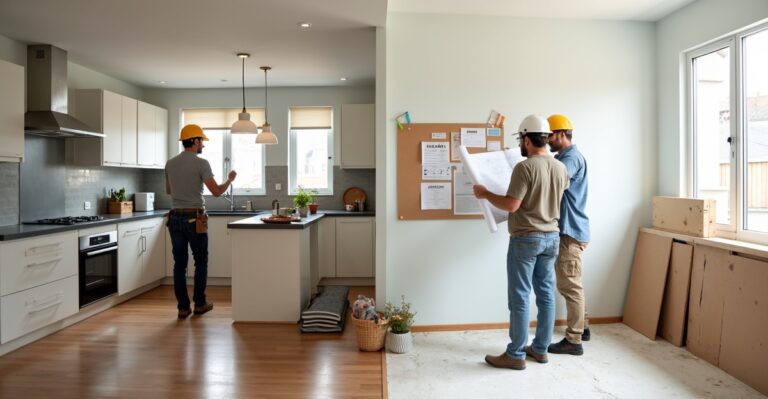
How to Choose the Best Flooring for Your Home
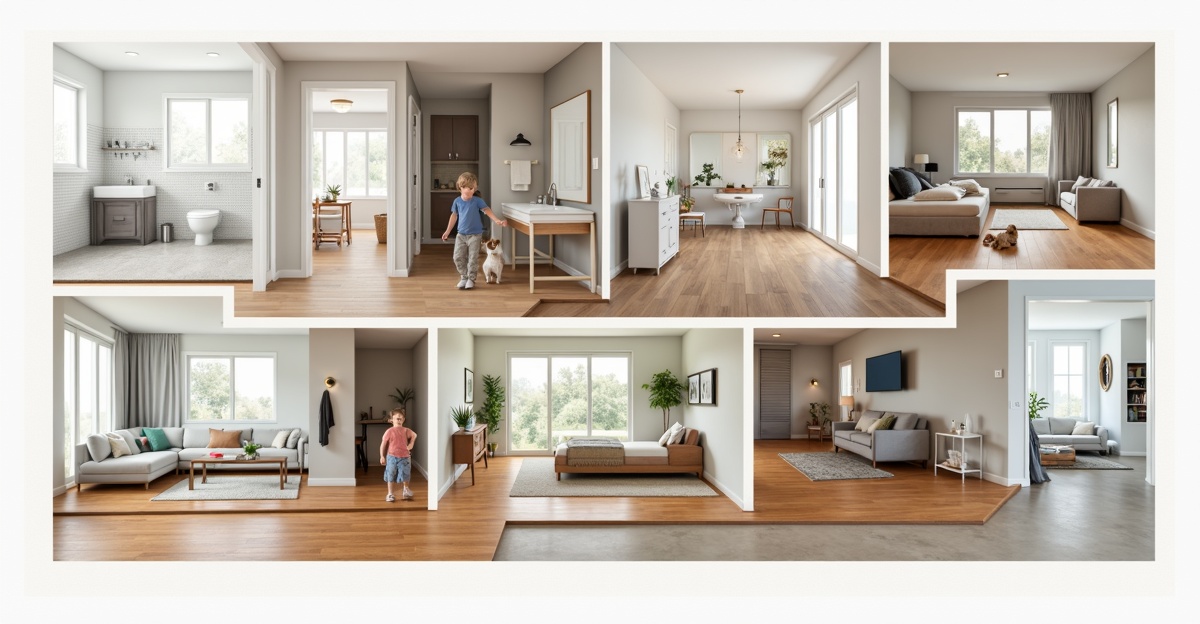
Choosing the right flooring for a home renovation starts with how each space functions. Bathrooms, kitchens, and basements need materials that handle moisture. Living rooms and hallways demand surfaces that hold up to daily wear. Each option comes with tradeoffs—some boost durability, others focus on comfort or easy care. Matching the floor to the room’s needs helps get the best value and performance.
Key Takeaways
- Use moisture-resistant options like luxury vinyl plank (LVP) or tile in bathrooms, laundry rooms, and basements to avoid damage and mold.
- In homes with pets or kids, go with scratch-resistant, low-maintenance materials like laminate or vinyl plank. These hold up well under pressure and clean easily.
- For rental homes, favor choices like carpet tiles or LVP. Both are tough and easy to replace, saving time and money between tenants.
- Commercial settings benefit from simple-to-clean, efficient floors like polished concrete or commercial-grade vinyl. These meet code, install quickly, and cut down on long-term upkeep.
- Always factor in more than the cost of materials and installation. Prep work—such as removing old flooring, fixing subfloors, or smoothing surfaces—adds to the budget and timeline.
What to Consider Before Picking a Flooring Type
Before deciding on the best flooring for home renovation, start by looking at where the flooring will go. Flooring that works well in a living room might not hold up in a laundry room or commercial kitchen.
If you’re updating a bathroom, laundry area, or basement, moisture-resistant flooring like vinyl plank, tile, or sealed concrete is a smart move. These materials handle damp conditions without buckling or warping.
In busy households—especially those with pets or kids—go for something that’s tough and low-maintenance. Laminate, luxury vinyl plank (LVP), or polished concrete stand up to scratches, messes, and daily wear.
For rental properties or multi-family housing, we recommend durable flooring for rental properties that’s easy to refresh between tenants. Look for something cost-effective, long-lasting, and simple to clean—LVP or carpet tiles often check all the boxes.
Commercial clients should focus on code-compliant commercial flooring solutions with low lifecycle costs and fast install times. ROI matters here. Steer clear of high-maintenance options that slow operations or need constant care.
Flooring Options Compared: Pros, Cons & Best Uses
Key flooring types at a glance:
Here’s a quick overview of how top flooring types stack up:
| Flooring Type | Durability | Moisture Resistance | Comfort | Cost Range (Material/Labor) | Best For |
|---|---|---|---|---|---|
| Solid Hardwood | High | Low | Warm underfoot | $6–$12 / $3–$7 | Living rooms, resale value |
| Engineered Wood | Moderate | Moderate | Comfortable | $4–$10 / $3–$6 | Bedrooms, kitchens |
| Laminate | Moderate to High | Low to Moderate | Moderately firm | $1–$4 / $2–$4 | Family rooms, rentals |
| Luxury Vinyl Plank (LVP) | High | High | Softer than tile | $2–$5 / $1.50–$3 | Kitchens, bathrooms, rentals |
| Ceramic/Porcelain Tile | Very High | Very High | Hard underfoot | $4–$10 / $4–$8 | Bathrooms, entryways |
| Polished Concrete | Extremely High | High (sealed) | Very hard | $3–$7 (installed) | Garages, commercial spaces |
Real-world tips:
- Hardwood looks great and boosts resale, but it doesn’t love moisture. Avoid it in bathrooms or below grade.
- Laminate has improved, but it’s not waterproof. Don’t let the marketing fool you.
- LVP is a favorite in rentals and kitchens—it looks sharp, cleans easily, and handles spills without complaint.
- Polished concrete holds up under forklifts, shopping carts, and power washers. Perfect for high-traffic commercial entryways.
How Much Will It Cost? Budgeting by Flooring Type
Flooring costs vary widely by material, labor, and prep. Here’s a ballpark range to help you plan:
- Hardwood: $6–$12 per sq ft (materials), $3–$7 per sq ft (labor)
- Luxury Vinyl Plank (LVP): $2–$5 per sq ft (materials), $1.50–$3 per sq ft (labor)
- Ceramic Tile: $4–$10 per sq ft (materials), $4–$8 per sq ft (labor)
- Polished/Sealed Concrete: $3–$7 per sq ft (includes labor)
Cheap upfront costs can be tempting, but long-term upkeep matters. Hardwood, for example, may require refinishing every 7–10 years. LVP and polished concrete? Wipe, sweep, repeat.
Looking for economical options with staying power? Laminate, LVP, and even sealed concrete offer durability without draining your renovation fund.
One overlooked cost: prep work. Removing old floors, fixing a damaged subfloor, or leveling surfaces can add thousands. Need help planning your budget? Check out our tips on how to plan a home remodeling project.
What’s Involved in Installation?
Installation time and disruption vary by product.
Floating LVP and laminate install quickly and can often go right over an existing surface. That’s great if your family’s sticking around during the remodel or you’re flipping units fast. On the flip side, tile or solid hardwood can take several days to install—and may put a kitchen or living room out of commission for a while.
DIY-friendly floors include:
- Click-lock vinyl plank
- Floating laminate
Leave these to the pros:
- Tile (needs precise leveling and grouting)
- Solid hardwood (involves nailing, sanding, finishing)
- Concrete (requires grinding, chemicals, sealing)
For commercial installations, speed matters. Projects like healthcare, hospitality, and retail often need quick-turn flooring like carpet tiles or LVP to minimize tenant downtime.
For larger projects, review compliance requirements and contractor safety practices. We outline important steps for prep and permitting in this guide on how to get permits for construction projects.
Tailoring Your Pick to the Purpose
Every space has different demands. Here’s how to align your flooring choice with how the space is used:
- Best for families with kids and pets: LVP or high-quality laminate—resist scratches and clean up fast.
- Best for high humidity or basements: Moisture-resistant flooring like vinyl plank or sealed concrete.
- Best for rentals or multi-unit properties: Cost-effective and replaceable options like LVP or carpet tiles offer value and speed.
- Best for boosting resale value: Solid hardwood or modern LVP in neutral tones deliver style that sells.
- Best for commercial flooring solutions: Go with commercial-grade vinyl, polished concrete, or porcelain tile. They’re tough, clean easily, and meet most commercial codes.
Need help planning a remodeling project to match your flooring goals? Take a look at our project management tips for smoother builds.
Common Questions About Flooring—Answered
What flooring holds up best to kids and pets?
Luxury vinyl plank or abrasion-rated laminate handle nails, spills, and zoomies better than most.
What’s the most affordable durable flooring?
Vinyl plank and laminate are both solid picks if you’re watching your budget but want floors that last.
Can I install hardwood in a kitchen?
Yes—but be ready for maintenance. Spills need to be wiped fast, and protective mats help a lot.
What’s best for multi-family rental turnover?
LVP. It’s affordable, looks great, resists water, and swaps out easily between tenants.
What’s the lowest maintenance overall?
Polished concrete or high-quality LVP. Both hold up well and need very little upkeep.
Still sorting things out? Talk to our pros. We’ll walk you through what works for your space, your budget, and your timeline—and if you’re starting bigger renovations, explore our home remodeling services to streamline everything under one roof.