How to Choose the Best Roof Color

Knowing how to choose roof color does more than shape your home’s appearance—it influences comfort, energy use, and even whether your design meets local requirements. Decisions grounded in climate, aesthetics, material performance, and neighborhood standards help avoid costly mistakes and enhance your home’s function and style.
Key Takeaways
- Light-colored roofs reflect sunlight, helping lower cooling costs in warm areas. Darker roofs absorb heat, making them better suited for colder climates.
- Coordinating your roof with siding, trim, and architecture increases curb appeal and can boost resale value.
- Climate plays a big role in how different roof colors perform and age. Metal finishes tend to hold their color longer than asphalt in harsh weather.
- Homeowners’ associations and local regulations often limit roofing color options. Always confirm requirements and secure approval before moving forward.
- Skip passing fads that might look dated or out of place later. Focus on lasting appeal, practical performance, and community aesthetics.
What Roof Color Means for Energy Bills, Comfort, and Compliance
Roof color directly affects indoor temperatures and utility bills. It plays a bigger role in energy efficiency than most people realize. Light-colored roofs reflect the sun’s heat, significantly lowering attic temperatures. In hot climates, this can cut cooling costs by up to 15%, according to the U.S. Department of Energy’s guidance on cool roofs. That’s real savings you’ll notice.
Dark roofs do the opposite. They absorb heat, which can help reduce heating needs in colder seasons—especially in northern areas where winters drag on.
If energy efficiency is your priority, we recommend choosing reflective roof colors or cool roof materials. These options reflect solar radiation and meet higher efficiency standards. Look for ENERGY STAR® certified roofing materials that meet federal reflectance standards when possible. They’re approved for energy performance and often required by programs like California’s Title 24 Building Energy Efficiency Standards for commercial buildings. Some local codes also demand energy-rated coatings on commercial rooftops. Whether you’re improving comfort at home or meeting commercial energy codes, roof color plays a key role.
How to Match Roof Color with House or Building Style
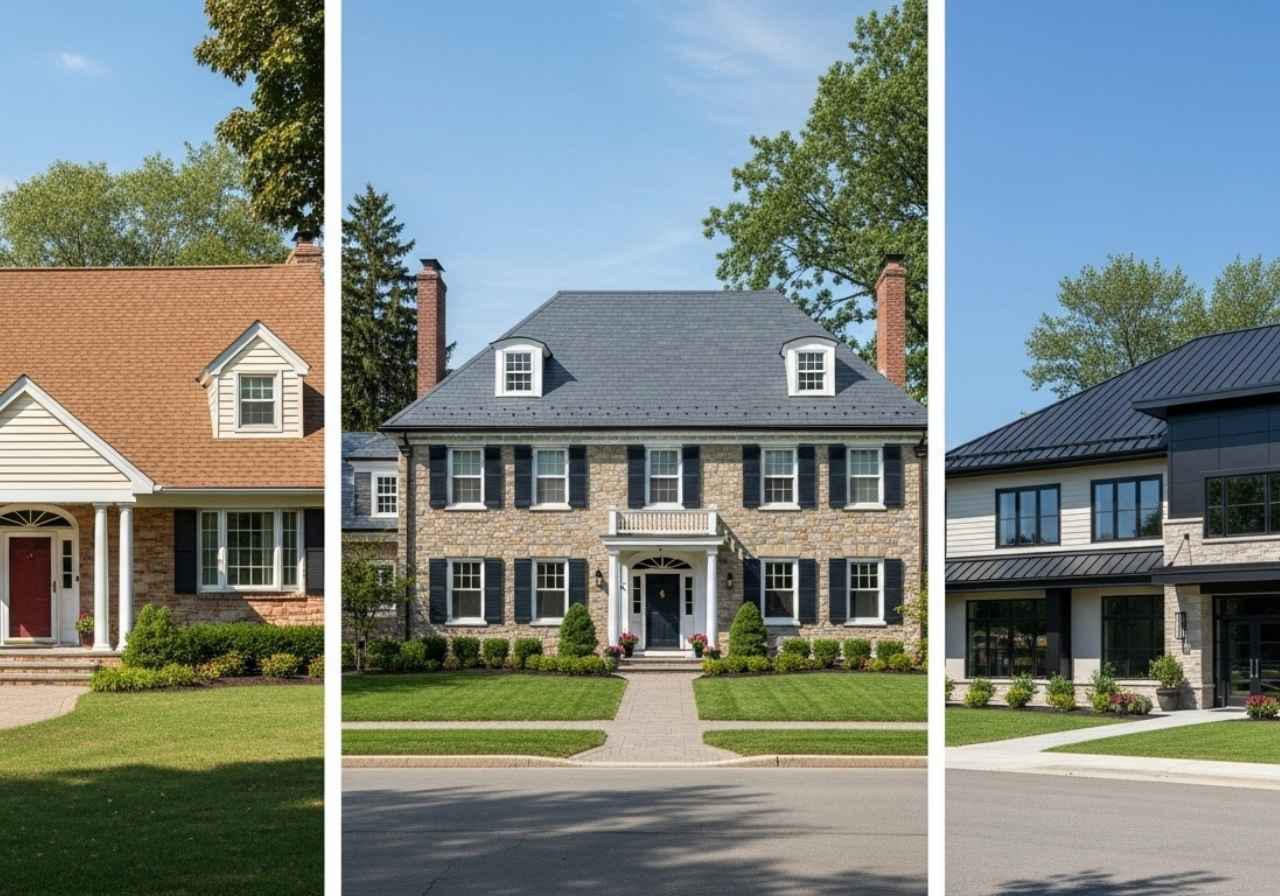
Understanding how to choose roof color isn’t just about preference—it affects property value.A good roof complements the siding, trim, and overall architecture. That’s true whether you’re updating a ranch home, colonial, or commercial space.
Popular Residential Combinations
- Gray roofs with red brick or white siding
- Brown and tan tones with beige or cream exteriors
- Black shingles with light gray or blue siding
- Terracotta-toned tile with stucco or light-colored homes
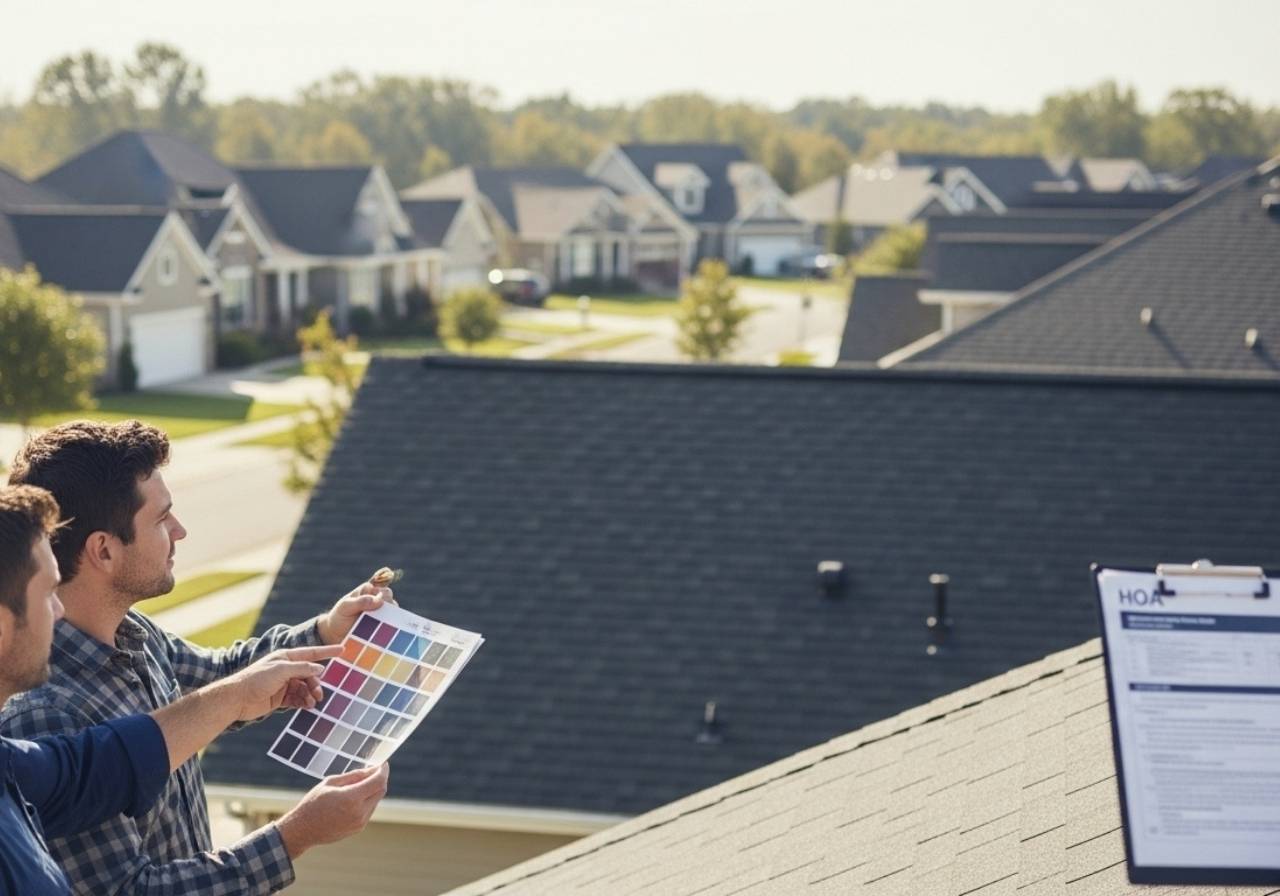
Always use swatches—physical if possible—and compare them under sunlight. Better yet, check out roofs in your neighborhood or browse galleries for real-world inspiration. Roof color can boost curb appeal and impact resale, so the look has to last.
Commercial property owners should consider brand alignment too. Schools, healthcare facilities, and multi-unit buildings often choose commercial roof color options that reinforce logos, colors, or overall branding.
Get it right, and your roof adds value and visual impact—not just protection.
Climate and Regional Factors That Should Guide Your Choice
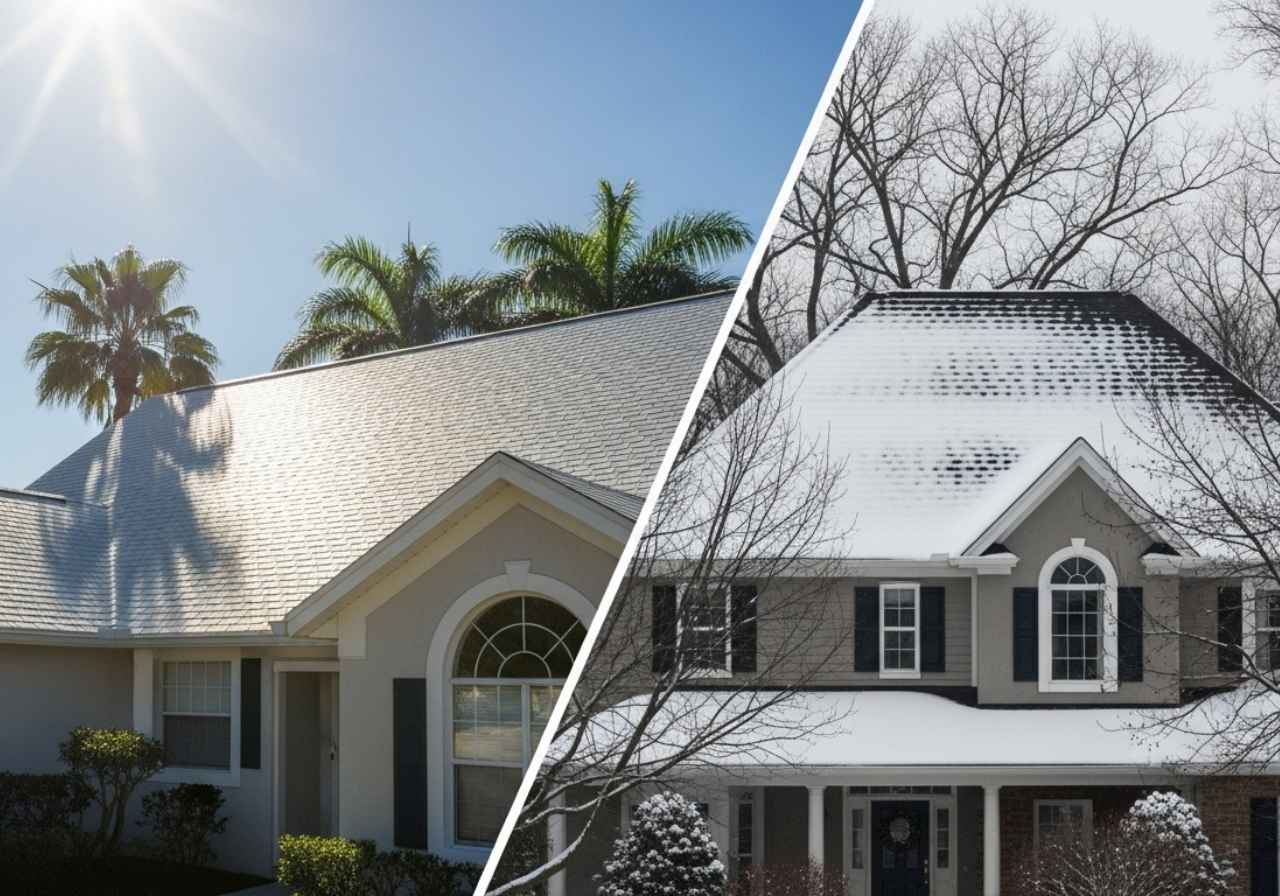
Where you live should guide your roofing color. If you’re wondering how to choose roof color by region, we cover a wide range—from sunny Florida to chilly Pennsylvania—and color performance changes accordingly.
In hotter states like Florida, Texas, and Arizona, light-colored shingles or tiles will reflect sunlight and reduce your AC load. These are smart roofing color tips for hot climates. In cooler areas like Ohio or Pennsylvania, darker shades help homes retain heat during winter.
If your region gets heavy snow, darker roofs can help with melting. In storm-prone areas like the Gulf Coast, darker tones may do a better job of hiding dirt or discoloration caused by windblown debris. UV exposure can also fade bright colors over time, especially on asphalt—materials matter here.
Long-term appearance, comfort, and cost all connect to your climate. We help you balance all three.
What Homeowners and HOAs Need to Check Before Choosing a Color
Before you buy shingles or select coatings, check your HOA rules or local codes. Some neighborhoods have firm guidelines about house roof color rules. Ignoring those can mean fines—or worse, being forced to replace your roof.
Common restrictions include:
- Earth-tone colors only
- No white or light-reflective shingles
- Must match neighborhood master palette
Quick Tip: How to Handle HOA Rules
- Review the community bylaws for roofing instructions
- Request color approval in writing before scheduling installation
- Keep records of approvals to avoid issues down the line
We routinely help clients with residential roofing understand and follow HOA rules. It’s easier to make the right choice upfront than fight a change later.
Color Longevity, Material Compatibility, and Maintenance Needs
Not all roofing materials respond the same to time and weather. That’s why color choice isn’t just about appearance.
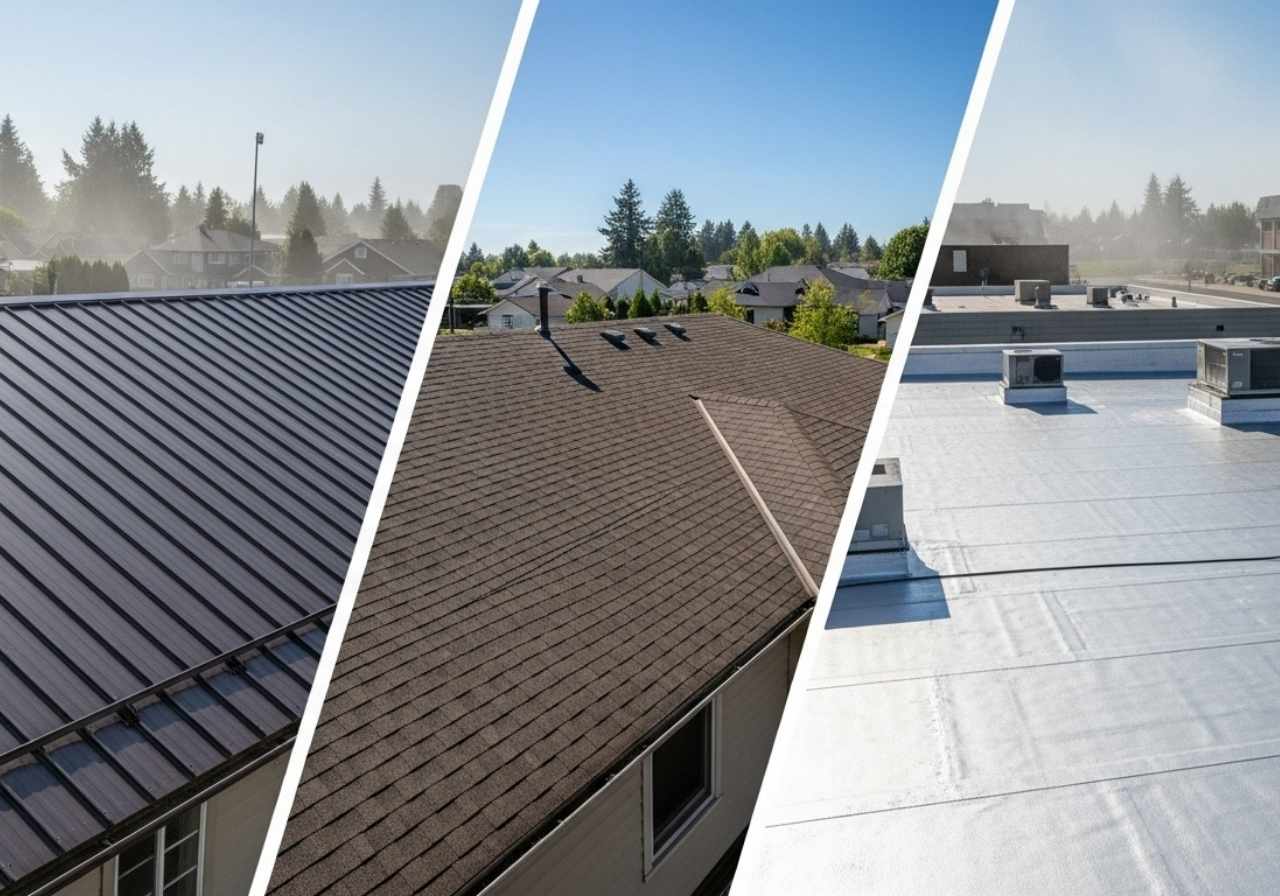
Metal roofs with baked-on finishes hold color better and resist fading, ideal for long-term performance. We cover that in our guide on metal roof color longevity. On the other hand, asphalt shingles can lose vibrancy over time, especially under harsh sun or in humid areas.
If you’re in a humid zone, lighter shingles may show algae faster. Consider algae-resistant Luxury Asphalt Shingles to combat those streaks.
Commercial roofs with reflective coatings also need routine cleaning to maintain compliance and appearance. Textured surfaces or high-gloss finishes may need extra upkeep in dusty or storm-prone areas.
We match materials and colors that reduce maintenance and last longer—because nobody wants to re-roof early.
Mistakes to Avoid: Trend Chasing, Ignoring Function, or Skipping the Neighborhood Check
Trends come and go, but your roof sticks around for decades. Don’t go with the “color of the year” without thinking it through. What looks stylish now might clash with your siding—or worse, stand out like a sore thumb in your neighborhood.
Disregarding regional climate hurts too. That dark, dramatic tone might trap too much heat in the South—or fade fast under UV rays. Use our RayPro roofing color advice to keep your pick functional.
Color can also change depending on material texture, nearby lighting, and landscape tone. Always look at full-size samples in natural light—preferably against your home or a digitally rendered model.
Choosing the right roof color is a long-term choice. Think through all angles—and when ready, we’re here to help with new roof installation or full roof replacement planning.
Frequently Asked Questions
The best roof color for a home in a hot climate is usually a light shade like white, light gray, beige, or tan. These colors reflect more sunlight and absorb less heat, helping keep attic and indoor temperatures lower. This can reduce air conditioning use, improve comfort, and lower energy bills over time, especially in areas with long, hot summers.
In colder or snowy regions, darker roof colors such as black, dark brown, or charcoal often perform better. Dark roofs absorb more solar heat, which can help reduce heating demands during winter. They may also encourage snow to melt faster. While energy savings vary, darker colors can offer practical benefits in climates with long, cold seasons.
The best roof color for your home should complement the siding, trim, and architectural style. Neutral roof colors like gray, brown, or black work with most exteriors and age well visually. Compare physical samples outdoors in natural light, and consider nearby homes for context. A balanced color combination can improve curb appeal and support resale value.
Yes, roof color directly affects energy efficiency by influencing how much heat your home absorbs or reflects. Light-colored roofs reflect solar radiation, helping lower cooling costs in warm climates. Dark roofs absorb heat, which can slightly reduce heating needs in colder areas. The impact depends on climate, insulation quality, and roofing material, but color still plays a measurable role.
For resale value, it’s best to avoid overly trendy, bright, or unconventional roof colors. Colors like vivid red, blue, or green may limit buyer appeal and clash with neighborhood styles. Neutral, classic roof colors tend to attract more buyers because they blend well with different exteriors and look appropriate across a wide range of architectural styles.