How to Choose the Right General Contractor
Choosing a general contractor goes beyond price—it hinges on trust, qualifications, and open communication. From checking credentials to reviewing thorough estimates, understanding these steps helps prevent delays and expensive missteps.
Key Takeaways
- Always confirm the contractor holds proper licenses and insurance, and get that documentation in writing.
- Ask for detailed written estimates and compare every line item—not just the final numbers.
- Look through past project portfolios and speak with recent clients to judge work quality and reliability.
- Read a sample contract closely. Pay attention to timelines, payment structure, and how they address project changes.
- Stay alert to warning signs such as unclear estimates, requests for large upfront payments, or avoidance of questions about credentials.
What to Ask Before You Sign: Key Questions and Documents to Review
Choosing a general contractor is a major decision. Get it right, and your project runs smoothly. Get it wrong, and you’re stuck untangling delays, cost overruns, or poor work. Here’s how to approach it the right way—step by step.
Contractor References Checklist and Document Review
Before hiring, walk through this checklist to protect your investment:
- Verify licensing and insurance
Make sure the contractor holds all required state and local licenses. Ask for license numbers and verify them with the issuing agency. Also confirm they carry general liability insurance and workers’ compensation coverage as required by the U.S. Department of Labor. - Ask for written proof
Get the license and insurance details in writing. This includes liability policy numbers and bonding information. Don’t settle for verbal assurances. - Request written estimates
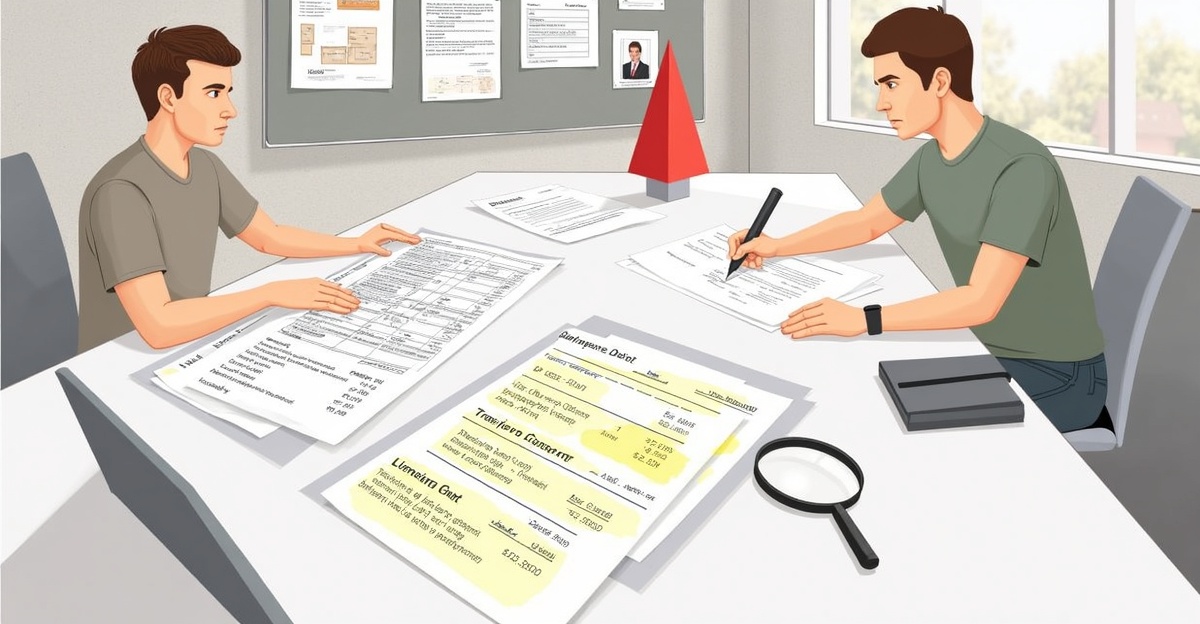
A legitimate contractor provides detailed estimates. Get at least three and compare them line by line. Pay close attention to what’s included—and what’s not. - Review project portfolios
Ask to see past projects similar to yours. Whether it’s a kitchen remodel, a full build, or roofing upgrades, experience matters. - Contact references
Request three recent clients and call each one. Ask about timelines, communication, work quality, and whether they’d hire the contractor again. - Examine a sample contract
A solid contract spells out timing, payment schedules, scope, and deliverables. If it feels vague, so will your project expectations.
Here are a few key questions to ask before choosing a general contractor:
- What similar projects have you completed? Can I talk to those clients?
- Who supervises the job site, and how do you keep owners informed?
- How do you handle supply shortages or weather delays?
- If something changes mid-project, what does that cost and approval process look like?
We also recommend reviewing tips from our guide on how to hire a licensed roofing contractor for deeper insights when roofing is involved.
Watch Out for Red Flags That Could Cost You
Vetting a contractor means spotting the signs of trouble early. Here are the most common contractor red flags:
- They demand cash-only or ask for large deposits up front.
- They dodge licensing questions or fail to provide insurance documents.
- They avoid written estimates or push you to decide fast.
- Reviews show complaints about delays, messy jobsites, or missed deadlines.
- Bids seem way off from industry norms on price or timeline.
One client we worked with had hired a crew based on a low cash bid. They were never given a full contract. Materials ran out halfway through scheduling the roof, and the company ghosted. It took them months—and extra cost—to start over with a vetted team.
Trust your gut. If something feels off, walk away.
Our post on hiring reliable subcontractors highlights how reputable partners keep your project moving without surprises.
Residential vs. Commercial: Why the Right Fit Matters
Not all licensed general contractors handle the same types of jobs. There are major commercial vs residential contractor differences that impact how your project runs.
Consider project type and environment
- Commercial construction
These projects often involve multiple crews, phased work schedules, and strict codes. The right contractor knows how to coordinate permits, meet OSHA standards, and work within budgets without missing deadlines. - Residential construction
Here, the focus shifts to householder safety, respect for your home, and steady communication. A contractor who’s done family homes knows how to protect living spaces and minimize disruption.
For homeowners, choose a contractor with expertise in residential construction. Look for experience working in occupied homes and finishing on tight schedules without sacrificing quality.
Commercial property owners should prioritize those with experience in commercial construction, especially if coordinating logistics or working under demanding timelines. Our team has handled both—allowing us to provide scalable solutions whether it’s high-end retail space or a family remodel.
Check out our full breakdown in our commercial construction project guide if you’re planning a larger build.
How to Compare Bids Without Getting Burned
The construction bidding process isn’t just about finding the cheapest quote. It’s about understanding what you’re paying for—and what could cost you later.
Start by requesting at least three bids. Each should clearly break down:
- Labor charges and hourly rates
- Material selections and costs
- Subcontractor expenses
- Contingency funds for changes or overruns
It’s easy to fall into the trap of choosing the lowest bidder, but cheap bids often skip over essentials. That’s where change orders sneak in—sudden cost increases when ‘surprise’ work gets added, a risk frequently addressed in National Association of Home Builders contract guidance.
To avoid that, get the contractor’s change order process in writing. Who approves them? How are they priced?
Make sure each bid lists what’s excluded too. Will you need separate permits? Are waste disposal or cleanup included? Find out now, not halfway through the job.
Need help setting expectations? Our article on planning a home remodeling project offers a reliable prep strategy that applies to projects of all sizes.
Clear Communication: Your Insurance Against Surprises
Strong communication practices build trust—and keep your job on track. Missing one simple update can throw off a whole week of work.
Expect your contractor to provide:
- Regular updates by phone or email
- Access to a shared schedule or dashboard
- Written confirmations of decisions and change orders
Communication should be prompt, respectful, and consistent. You shouldn’t have to chase answers.
Ask upfront: Who’s your main point of contact? Are schedule changes documented? If something breaks or lags behind—how will you be informed?
Good contractors set these expectations early. We use daily check-ins, real-time updates, and documented changes so you’re never left guessing.
For more on how to set the tone early, check out this guide on managing a remodeling project effectively.
Safety, Reliability, and Long-Term Value
Project reliability comes down to two big things: how your contractor manages people and how they manage risk.
Safety standards aren’t optional. Make sure your contractor follows OSHA construction safety standards, holds safety training, and provides protective gear and signage. This isn’t just for crews—it protects your home or business, too.
Reliable contractors hit deadlines and don’t leave you wondering when they’ll show up. They plan backup suppliers. They work clean. And they communicate clearly if weather or supply issues force adjustments.
For residential work, this means fewer disruptions and less mess. For commercial builds, it means less downtime and fewer liability concerns.
Long-term value often comes from what you don’t see: proper waterproofing, clean structural work, and solid finishes. These reduce repair needs later and increase the resale value of your property.
Looking for long-term peace of mind? Visit our general contracting services page and see how we build for lasting performance.
Whether you’re remodeling your kitchen or building a new facility, choosing a general contractor who brings safety, skill, and communication to the table makes all the difference. Don’t rush the hiring process. Ask the hard questions. Check the paperwork. And make sure you’re working with someone who respects your investment from day one.
Frequently Asked Questions
You choose a reliable general contractor by verifying licenses, insurance, and past work before signing anything. Check state licensing records, request proof of liability and workers’ compensation insurance, and review recent project portfolios. Speaking directly with past clients helps confirm whether the contractor meets timelines, communicates clearly, and delivers consistent quality.
A general contractor’s written estimate should include labor costs, material specifications, subcontractor fees, timelines, and any exclusions. The estimate should clearly define the scope of work so you can compare bids accurately. Detailed estimates reduce the risk of surprise charges and make it easier to identify where cost differences come from.
You should typically pay a modest deposit, not a large upfront sum, to a general contractor. Industry norms often limit deposits to a small percentage of the total project cost, with remaining payments tied to milestones. Large upfront payment requests can signal financial instability or increased risk for the homeowner.
The biggest red flags include vague estimates, refusal to provide licensing or insurance documentation, and pressure to make quick decisions. Contractors who request cash-only payments, avoid written contracts, or offer prices far below competitors may cut corners or abandon projects, leading to costly delays and repairs.
You should choose a contractor whose experience matches your project type. Residential general contractors specialize in working within occupied homes and managing homeowner communication, while commercial contractors handle complex schedules, permits, and compliance requirements. Hiring the right specialization improves efficiency, safety, and overall project outcomes.