How to Hire a Licensed Roofing Contractor
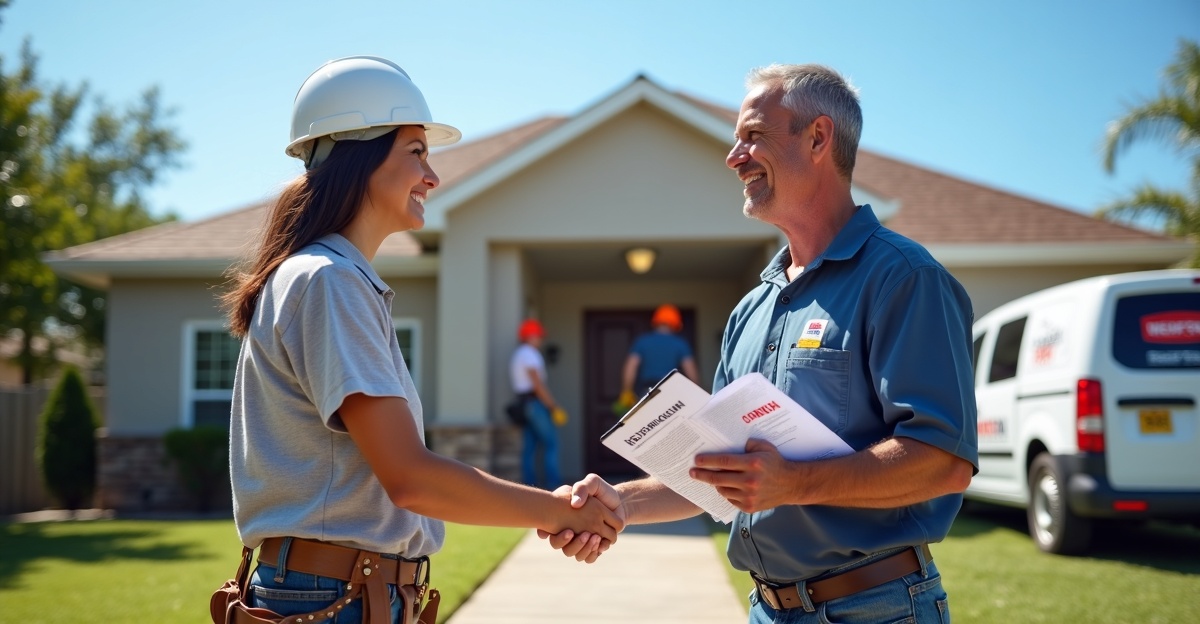
Hiring a licensed roofing contractor acts as your first line of defense against liability, poor installation, and lack of coverage. By confirming licenses and insurance upfront and knowing which warning signs to avoid in estimates, we put ourselves in a stronger position to choose qualified professionals and steer clear of scams.
Key Takeaways
- Always confirm the contractor holds a current roofing license and provides proof of active insurance before work begins.
- Watch for unusually low estimates, unclear proposals, or high-pressure sales. These often signal unqualified or dishonest roofers.
- Choose professionals with credible details like a fixed local office, certifications from manufacturers, and verified customer references.
- Residential and commercial roofs require different materials, techniques, and codes. Ensure the contractor understands how to handle both situations properly.
- Insist on a clear, written contract. It must outline all project details—scope of work, payment terms, warranty coverage, and cleanup obligations.
Why Hiring a Licensed Roofing Contractor Matters Right from the Start
Bringing in a licensed roofing contractor is more than just a box to check. It’s a decision that protects your budget, your property, and your peace of mind. For homeowners, a licensed roofer means your home and family are in reliable hands. For commercial property owners, it reduces liability and keeps you in line with local and state building requirements.
Hiring an unlicensed contractor opens the door to real problems:
- Work may not meet recognized building code standards outlined by the International Code Council.
- You risk voiding manufacturer warranties.
- Your insurance may not cover accidents.
- You could face major delays down the road if unpermitted work stalls a refinance or sale.
Unlicensed contractors often bid low to win the job but cut corners during the work. That can lead to leaks, failing materials, or full tear-offs that cost double later. Licensed contractors, by contrast, are accountable to state boards. They’re required to carry insurance and typically offer warranties that protect you.
Roofing scams are more common than you might think. According to data published by the Better Business Bureau, roofing scams are consistently ranked among the top five most reported contractor fraud complaints every year. Knowing how to avoid roofing scams starts with checking for licensing. It’s your first defense against shoddy work and bad actors.
Learn more about spotting roofing contractor red flags before it costs you big.
What to Look for in a Qualified Roofing Contractor (and What to Avoid)
Credentials Every Contractor Should Have
Every reputable roofer should be willing—and able—to show:
- An active, state-issued contractor’s license covering roofing.
- Proof of general liability insurance.
- Workers’ compensation coverage.
- Manufacturer certifications like GAF or CertainTeed (for specific product installation warranties).
- A permanent local business address, not just a P.O. box.
Residential customers should also get a thorough explanation of labor and material warranties. Commercial property managers should confirm OSHA roofing safety compliance requirements and ask how the contractor tracks documentation and inspections across large jobs.
Red Flags You Should Never Ignore
Be cautious if you notice any of the following:
- Vague or missing contract terms.
- High-pressure pitches or “today only” deals.
- Unusually low bids compared to others.
- A request for a large cash payment upfront.
- No valid license or insurance documents.
- Reluctance to share past customer references.
Some contractors are good at talking their way around the facts. We’ve seen cases where property owners thought they hired a licensed pro, only to learn mid-roof that their “contractor” had an expired drywall license—not a roofing one.
How to Verify Roofing Licenses and Insurance the Right Way
You don’t have to take a contractor’s word for it. Verifying roofing contractor licensing requirements by state is straightforward—with the right approach.
Start by asking for their license number. Then:
- Visit your state’s contractor license board website. (Examples: the California Contractors State License Board or the Ohio Construction Industry Licensing Board.)
- Enter the license number and confirm it’s current and valid.
- Make sure the business name on file matches their contract or business card.
- Check for any past violations or complaints.
After that, ask for certificates of general liability and workers’ comp insurance. Don’t settle for “Trust me, we’re covered.” Ask for real paperwork. A quality contractor will show it without hesitation.
Whether you’re fixing storm damage or planning a full replacement, knowing how to hire a roofing contractor with verified documentation is key.
Understanding the Hiring Process from First Call to Contract
Step-by-Step Process for Property Owners
- Initial Contact: Make a brief call or send a message. Ask about license and insurance right away.
- On-Site Estimate or Inspection: A reliable roofer visits in person, assesses condition, and explains next steps.
- Verification of Credentials: Cross-check their license and insurance documents as outlined above.
- Formal Estimates: We recommend comparing bids from 2–3 contractors. But focus on value—not just the cheapest number.
- Contract Negotiation: Review the written agreement closely. You should see:
- Full project timeline
- Payment schedule (with milestones)
- Cleanup responsibilities
- Permit obligations and who’s handling them
- Labor and material warranties
Residential homeowners should be clear about cleanup and daily crew management. Commercial clients need formal scopes of work, set reporting schedules, and possible bond requirements.
Planning a roofing project soon? Start by learning how to hire a roofing contractor the smart way.
How Needs Differ: Residential vs. Commercial Roofing Projects
Common Residential Roofing Priorities
Most homeowners care about:
- Family safety and comfort during and after the project
- Long-lasting protection from storms and water damage
- Energy savings if upgrading insulation or reflective materials
- Boosting curb appeal and resale value
They tend to prefer quick installs, clear warranty terms, and crews that respect the property.
Key questions to ask:
- “Who supervises the crew on-site each day?”
- “Do you provide a dedicated cleanup plan after the job?”
Looking for a dependable contractor with local experience? Get more tips on why professional roofing beats DIY every time.
How Commercial Roofing Projects Stand Apart
With commercial work, the focus shifts to:
- Long-term durability that fits budget forecasting
- Clear documentation to cover compliance and insurance
- Safety standards and consistent crew performance
- Scheduling that limits disruption to operations or tenants
Complex projects like schools, warehouses, or retail buildings need structured planning and experienced oversight.
Questions we hear often from commercial clients:
- “Can you describe your safety compliance record?”
- “Do you meet bonding or document bid requirements?”
We’ve helped restore storm-damaged homes in just a few days—and scoped 12-month commercial roof replacements on active school campuses. That range in expertise matters.
Your Checklist: The Smart Way to Hire a Licensed Roofer
To make your decision easier, we’ve built a quick-hire checklist that covers the essentials. Whether you own a home or manage multiple properties, these points will help you hire with confidence.
Here’s what to confirm before you sign:
- License and insurance have been verified through the state
- Written, itemized estimate from each contractor (apples-to-apples comparison)
- Labor and material warranties are clear and documented
- References checked (local homeowners or previous commercial clients)
- Signed contract outlining timeline, payment terms, and jobscope
At RayPro, we work best with informed clients. We believe the more you know, the better the project outcome. So go ahead—cross-check us, ask for documents, call past customers. We welcome it.
Save time and stress by downloading our free contractor-vetting checklist to guide you through every step.
Need an estimate or ready for a second opinion? Schedule your no-obligation consultation with a roofing team that earns your trust first—and your business second.
Looking for trusted services in your area? Explore our roofing service areas and choose confidence.
Frequently Asked Questions
A licensed roofing contractor meets state requirements for training, testing, and insurance before legally offering services. This means their work must comply with building codes and safety standards. Licensing also creates accountability through state oversight, giving property owners recourse if issues arise. Unlicensed roofers often skip permits, cut corners, and leave homeowners responsible for costly repairs or violations.
You can verify a licensed roofing contractor by requesting their license number and checking it through your state’s contractor licensing board website. The listing should confirm the license is active, properly classified for roofing, and issued to the same business name. This process also reveals past violations or disciplinary actions that may affect your hiring decision.
Hiring a licensed roofing contractor may appear more expensive upfront, but it usually costs less over time. Licensed professionals include permits, proper materials, insurance coverage, and warranty-backed workmanship in their pricing. Unlicensed contractors often submit low bids but create expensive problems later, such as failed inspections, voided warranties, or repairs that require a full roof replacement.
Yes, a licensed roofing contractor is typically required to carry general liability insurance and workers’ compensation coverage. This protects homeowners from financial responsibility if property damage occurs or a worker is injured on-site. Without proper insurance, the property owner may be liable for medical bills, lawsuits, or repair costs resulting from accidents during the project.
You should refuse to work with a roofing contractor if they cannot provide verifiable license details, proof of insurance, or a written contract. Other warning signs include vague estimates, pressure to pay cash upfront, or reluctance to pull permits. A legitimate licensed roofing contractor will welcome verification and clearly document all project terms.