How to Integrate Solar Panels into Roof Design
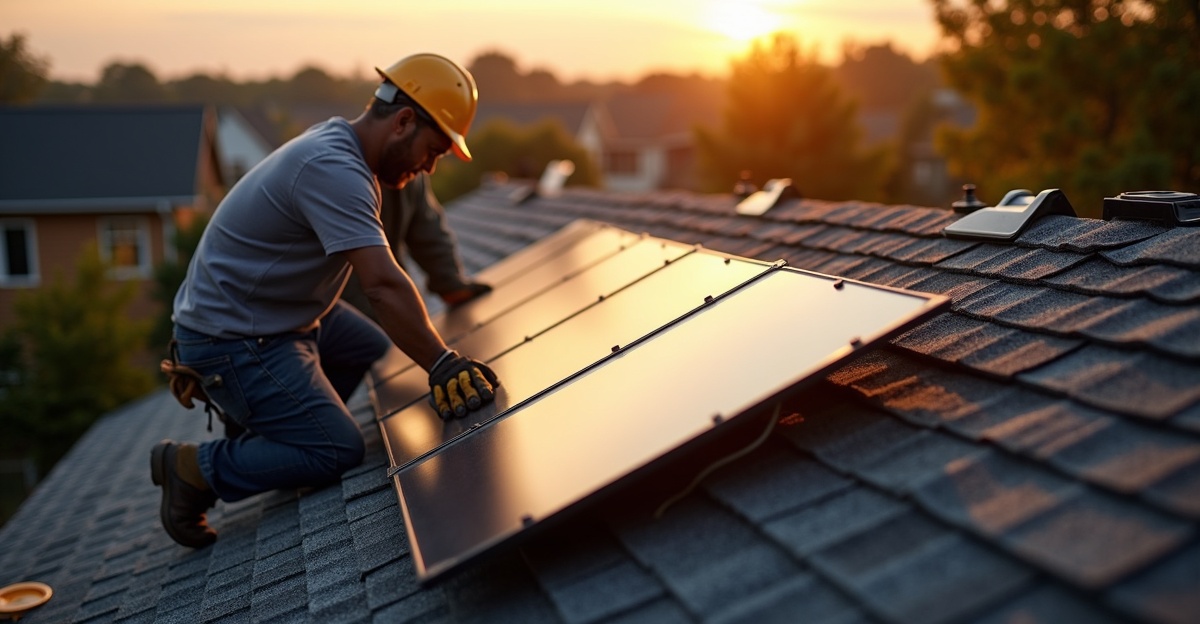
Roof integrated solar panels function as part of the roofing system. We replace sections of roofing material instead of mounting panels on top with racks. To integrate solar panels into roof design successfully, we align structural planning, waterproof detailing, code compliance, and lifecycle budgeting so the roof and solar system perform as one long-term investment.
Key Takeaways
- Roof integrated systems replace roofing materials and connect directly to decking, underlayment, flashing, and drainage design.
- We achieve the best results when we integrate solar during roof replacement or planned capital improvement cycles, since this aligns system lifespans and controls costs.
- We must complete structural load calculations, plan waterproof transitions carefully, and design proper drainage to prevent leaks and long-term failures.
- Upfront costs often exceed those of rack-mounted systems, yet ROI depends on energy production, incentives, tax benefits, and total lifecycle value.
- Long-term performance depends on coordinated roofing and electrical installation, routine inspections, and matching panel lifespan with roof durability.
What Roof Integrated Solar Panels Really Are (And How They Differ from Rack-Mounted Systems)
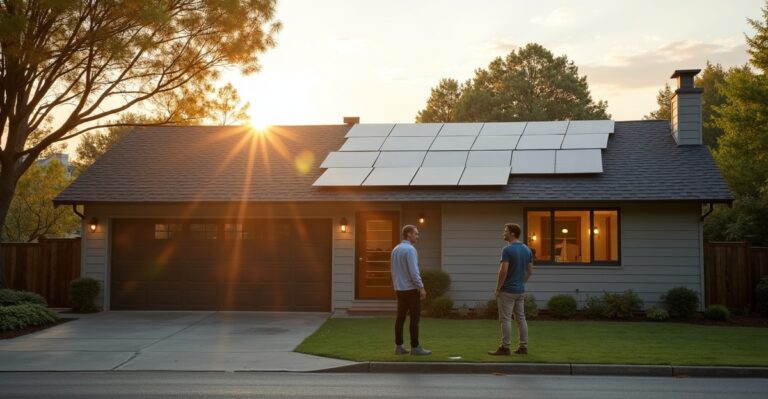
Roof integrated solar panels, also called integrated solar roof systems or building-integrated photovoltaics (BIPV), are solar panels built into roof assemblies instead of mounted on top with racks. They function as part of the roofing system itself.
In a rack-mounted vs integrated solar comparison, the difference comes down to how the panels connect to the roof.
Rack-mounted systems sit above existing roofing materials. Installers attach brackets through the finished roof and secure panels to a rail system. The roofing stays in place, and the solar array is layered on top.
Integrated systems replace a section of roofing material. The solar panels built into roof areas tie directly into the decking, underlayment, flashing, and water-shedding design. In other words, the solar becomes part of the solar roof design, not an add-on.
That structural difference matters.
Rack-mounted setups depend on attachment points and sealants that penetrate the finished roofing surface. When installed correctly, they perform well. But they still rely on those penetrations remaining sealed for decades.
Integrated systems are detailed with roof waterproofing in mind from the start. Flashing, underlayment transitions, and drainage paths are planned as one system. That lowers the risk of long-term leak issues when done properly.
Aesthetics also change.
Integrated solar roof systems sit low and streamlined. The array blends into the roof plane. Rack-mounted panels float above the surface. They allow more airflow beneath the panels, which can slightly impact performance and cooling, but they are more visually pronounced.
Energy output, savings, and ROI vary in either case. Location, roof orientation, shading, utility rates, and available incentives all affect real-world performance. For a broader overview, review what to know before installing solar panels so expectations are clear from day one.
When Solar Integration Makes the Most Sense for Your Property
Solar during roof replacement is usually the smartest move.
If a roof is nearing the end of its lifespan, adding rack-mounted panels on top rarely makes financial sense. At some point, those panels will need to come off so the roof can be replaced. That adds labor costs and risk of damage.
For residential solar roof installation, timing is everything. Homeowners often gain the most value by combining solar with a roof replacement or a new roof installation. That way, the roof and solar system age together. You avoid future removal costs. You also get a clean, integrated look that supports curb appeal and long-term value.
Commercial solar roof integration works best during planned capital improvement cycles. If a facility already budgeted for reroofing, that is the right time to evaluate solar as part of the same project. For multi-site portfolios, standardizing integration during roof upgrades can deliver long-term operational savings and support sustainability goals.
Integrated systems may not be ideal in every scenario.
A brand-new roof with decades of life remaining may not justify partial tear-off for integration. Structurally compromised decking must be corrected before any solar is considered. Heavy shading or poor orientation can weaken financial performance.
Roof geometry matters, too. Panel placement depends on slope and water flow. Roof pitch affects solar performance and layout. Review how pitch impacts design in understanding roof pitch and its impact before committing.
If we are planning a roof upgrade anyway, that is the right time to evaluate integrated solar instead of bolting it on later.
Structural and Waterproofing Requirements You Cannot Ignore
Solar roof structural requirements are not optional. They are the foundation of the entire project.
Every building must undergo load calculations. Panels, racking (if applicable), ballast, and wind forces all add stress. On some properties, especially older ones, the decking may need reinforcement. Before moving forward, we evaluate roof weight load capacity to confirm the structure can support the system.
Slope and drainage also drive design decisions. Solar modules cannot interrupt water flow. On sloped systems, flashing and panel alignment must direct runoff cleanly into gutters and valleys. On low-slope systems, detailed membrane integration and edge transitions become critical.
Solar roof waterproofing details deserve special attention:
- Underlayment must tie seamlessly into panel edges.
- Flashing must close off every transition and sidewall.
- Wiring penetrations require sealed boots and long-term protection.
- Drainage paths must remain open after installation.
Inspection checkpoints keep problems from compounding. We check deck condition before any panels go down. We repair damaged sheathing first. We verify membrane tie-ins and confirm drainage performance before final approvals.
Compliance matters as much as craftsmanship.
Local building codes set structural and fire setback rules. Utilities enforce interconnection standards. Electrical inspections confirm safe wiring and inverter placement. Solar permitting and code compliance are especially critical for commercial and institutional facilities, where life-safety access paths must remain clear.
Coordination between roofing and solar trades is essential. Poor coordination creates roof warranty and solar panels conflicts. A single, aligned team reduces finger-pointing later and protects long-term performance.
Cost, ROI, and Incentives: What the Numbers Actually Look Like
Integrated systems generally carry higher upfront costs than rack-mounted arrays.
Why? Installation complexity. Roofing material integration. Structural upgrades. Design and engineering coordination. Labor demands increase because the roofing and solar work happen as one system instead of separate layers.
For homeowners, the focus should be total lifecycle value. Utility bill offsets add up over time. Energy stability helps protect against rising rates. Curb appeal improves with a streamlined system. There is also evidence that solar can influence resale performance, as outlined in how solar roofing boosts home value.
Commercial owners often evaluate solar ROI for commercial buildings through a different lens. Tax credits and federal incentives can offset a significant portion of capital costs. Depreciation benefits, including accelerated depreciation where applicable, can improve cash flow in early years. Large portfolios can reduce exposure to energy market volatility by spreading installations across multiple facilities.
Payback periods vary. Region, sun exposure, incentive availability, financing terms, and electricity rates all influence results. No responsible contractor should promise a universal timeline.
Instead of focusing only on installation price, we recommend looking at:
- Total project cost combined with reroofing.
- Expected annual energy production.
- Incentives and tax treatment.
- Maintenance and lifecycle alignment.
- Property value impact.
For a deeper overview of system-level advantages, see the benefits of installing solar roofing systems before finalizing a decision.
Step-by-Step: How Integrated Solar Is Designed and Installed
Integrated solar works best with a structured process.
Assessment starts with a full roof inspection and structural review. We evaluate decking, insulation, and moisture conditions. At the same time, we analyze energy usage, review utility data, and conduct shading and orientation studies.
Design follows. Panel layout must align with roof slope and drainage. Electrical system design includes inverter sizing, conduit routing, and interconnection planning. For complex systems, engineering approval may be required.
Permitting and approvals come next. Local building departments review structural plans. Fire pathways and setbacks are verified. Utilities review interconnection applications. Commercial projects often require additional documentation.
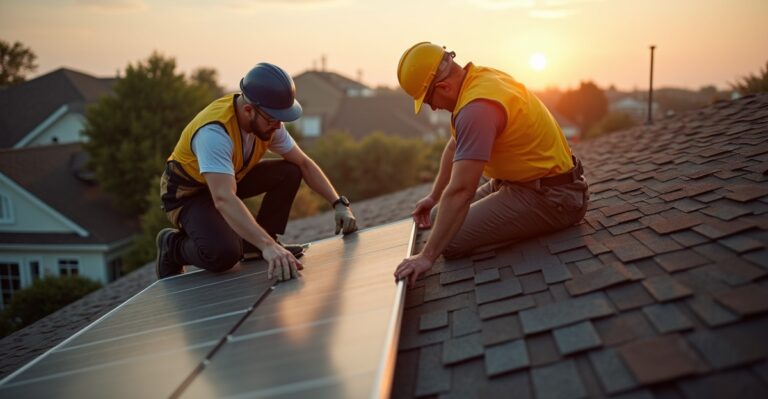
Installation sequencing is precise. Roofing prep happens first. Underlayment and base materials go in place. Panels are integrated and flashed into the assembly. Electrical connections, inverters, and monitoring systems are installed. Our team coordinates electrical services with roofing to keep everything aligned. Final inspections and commissioning confirm performance.
For occupied commercial facilities, we schedule work to minimize disruption. For homeowners, we work in defined phases to reduce stress. A coordinated team lowers vendor risk and streamlines communication. When roofing and solar contractors work separately, accountability can blur. We prefer clear lines of responsibility.
Lifecycle Planning, Maintenance, and Potential Drawbacks
Solar panels often last 25 years or more. The roof beneath them must last just as long.
An integration strategy should match the expected roof lifespan. Installing long-life panels over an aging roof creates future removal costs. That defeats the purpose.
Maintenance remains straightforward if planned properly. Access pathways allow for inspections. Periodic cleaning maintains performance. Annual visual reviews help catch issues early. For guidance on durability, review how solar panels impact roof lifespan to understand system interaction over time.
Still, integrated systems carry trade-offs.
- Higher upfront costs.
- More complex replacement if part of the system fails.
- Significant structural correction for retrofit applications on irregular or aging roofs.
Long-term reliability depends on three things: correct waterproofing, quality installation, and ongoing inspection. Cut corners in any area and performance suffers.
Before committing, we recommend a full roof and solar readiness assessment. That applies to both residential roofing projects and large commercial properties.
If we want to evaluate whether roof integrated solar panels make structural, financial, and practical sense for a property, it starts with an honest review. We can schedule a portfolio assessment or roof consultation through our team and build a plan that fits the building for the long term.