How to Maintain a Commercial Parking Lot
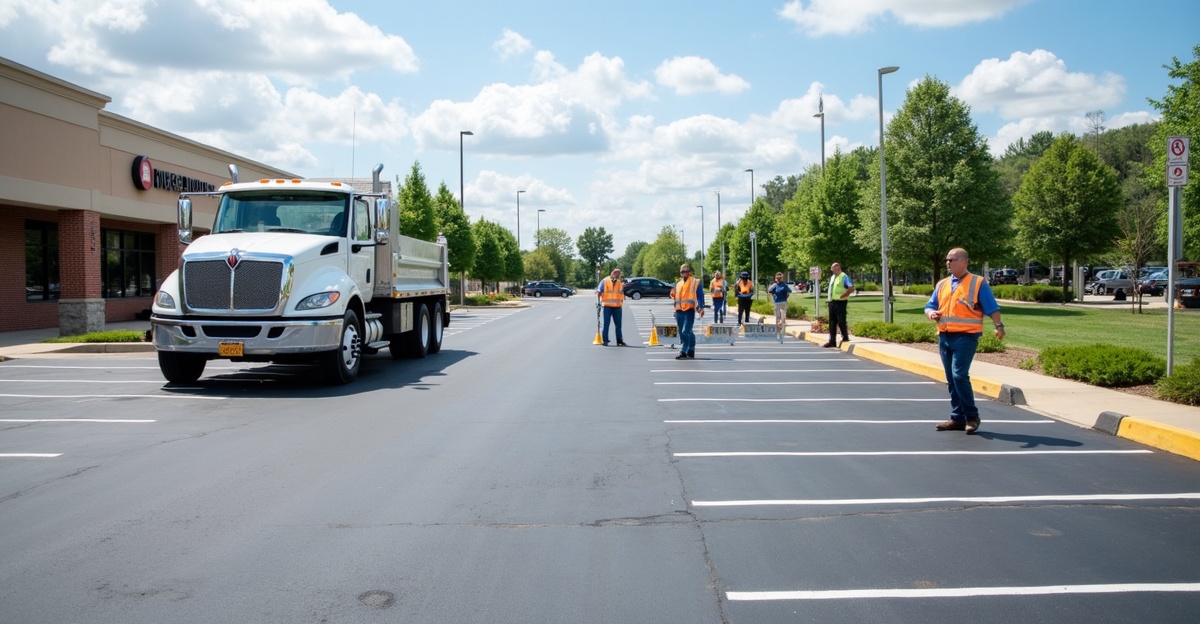
Commercial parking lot maintenance goes beyond keeping things visually clean—it plays a direct role in public safety, legal compliance, and long-term cost-efficiency. Set up the right plan, and we can keep pavement in good shape for more than a decade, reduce liability exposure, and avoid expensive last-minute repairs.
Key Takeaways
- Regular crack sealing, pothole repair, and sealcoating stop minor issues from growing into large-scale pavement failure.
- Staying compliant with ADA laws means keeping striping clear, signs visible, and parking stall layouts accurate.
- Seasonal checks—especially after freeze-thaw weather or major storms—spot early wear and help keep surfaces intact longer.
- Smart maintenance schedules should include budgeting over time for sealcoating, repainting, and resurfacing based on how much traffic and what kind of weather the lot sees.
- Hiring a skilled contractor who understands regulations and how to phase work properly means fewer interruptions and work you can depend on.
Why Parking Lot Maintenance Protects Your Bottom Line
Ignoring your lot invites bigger problems. Cracked, stained pavement and faded striping don’t just look bad—they hit your wallet and your reputation. Poorly maintained commercial parking lots deteriorate faster, cost more to repair, and create liability risks that no business wants.
Cracks left unchecked open the door to water infiltration. That moisture undermines the base, turning small surface issues into major structural failures. A single unrepaired crack can escalate into potholes or widespread base damage over a single season.
Putting regular effort into preventative maintenance for commercial lots can extend pavement lifespan by 10 to 15 years, as documented by pavement preservation research from national asphalt authorities. That kind of durability can save your business tens of thousands of dollars on resurfacing or replacement. Equally important, it helps reduce claims from slip-and-fall accidents or damaged tires due to unsafe conditions.
ADA parking lot compliance plays a big role here, too. Clear striping, accessible routes, and proper signage are federal requirements—not just best practices. Staying ahead on restriping and surface upkeep isn’t just about accessibility, it also proves your commitment to safety and inclusion.
Well-kept lots give customers confidence and show tenants you’re committed to upkeep. That makes routine commercial parking lot maintenance a direct investment in both financial health and public perception.
The Essential Commercial Parking Lot Maintenance Tasks
Keeping your lot in good shape means knowing what to tackle daily, seasonally, and annually.
Daily to Seasonal Maintenance Tasks
Here’s how a consistent plan keeps wear and tear from getting out of hand:
Daily/Weekly:
- Sweep debris and trash to maintain appearance and prevent surface erosion.
- Power wash entryways or high-use zones as needed.
Seasonal Focus:
- Crack sealing parking lot surfaces prevents water from seeping in and freezing—one of the biggest causes of potholes.
- Patch potholes quickly to eliminate trip hazards and stop deeper degradation.
- Sealcoat every 2–4 years to defend against UV damage, water intrusion, and oil leaks. This gives the pavement a cleaner appearance while extending its life.
- Monitor freeze-thaw cycles closely. Winter weather can open up cracks and separate layers, a well-documented effect of freeze–thaw stress on asphalt pavement. Post-snow inspections are essential.
Tip: Our storm damage guide covers inspection tips that apply to parking lots too—check it out after harsh weather.
Line Striping and ADA Requirements:
- Parking lot line striping isn’t just about traffic flow; it enforces space clarity and legal compliance. ADA rules require a minimum number of accessible spots based on total capacity, as outlined in the 2010 ADA Standards for Accessible Design. These need clear paint, signage, and properly sized access aisles.
- Refresh lines every 1–2 years, or sooner if fading begins.
Drainage Solutions for Parking Lots:
- Catch basins, curbs, and grates should be inspected every few months, especially after leaf fall or heavy storms.
- Standing water not only shortens pavement life but also causes subsurface erosion. Clean and repair these systems regularly.
How to Plan Your Lot’s Maintenance Over Time
Don’t treat parking lot repair like a one-time fix. Long-term savings come from planning ahead.
A proper lifecycle strategy spaces out services so you don’t face major downtime or emergency costs. Here’s what a 5–10 year plan often includes:
- Sealcoating every 2 to 4 years
- Striping every 1 to 2 years
- Commercial asphalt resurfacing roughly every 10–15 years based on use and weather conditions
Work in inspections after each season change or big traffic spike. Whether it’s a snowstorm or a rush event, those moments add load and wear to your pavement. A quick check afterward helps catch small issues early.
Break big repairs into phases. If you manage a large property or multi-tenant site, schedule work during off-peak hours or early mornings. We often tackle sections at a time to minimize disruption. Teams like ours understand that your lot needs to stay open whenever possible.
For inspiration on planning, browse our business maintenance plan strategies. The same principles apply to your pavement.
Budgeting and Cost Factors You Need to Know
Parking lot maintenance cost depends on job scope, location, and materials, but having a general idea helps shape decisions.
Here’s what you can expect for average pricing:
- Crack sealing: $0.60 to $1.00 per linear foot
- Sealcoating: $0.15 to $0.25 per square foot
- Striping: $300 to $500 for a typical project
- Full repaving: $3.00 to $6.00 per square foot (commercial asphalt jobs)
Additional costs can come from:
- Local labor rates and material availability
- Site access challenges, especially for busy commercial centers
- Hidden structural damage beneath the surface
- Drainage issues or sub-grade replacement
To manage costs, build both short-term and long-term lines into your capital improvement budget. Smaller, scheduled upkeep like sealing and striping avoids surprise expenses later.
If you’ve never priced repairs before, our maintenance checklist for commercial roofs includes budget planning advice that works for pavement too.
Staying Compliant: ADA and Safety Regulations to Know
Federal and local codes shape how your lot must be structured. Meeting these standards isn’t optional—it protects your operation, your customers, and your liability.
ADA parking lot compliance includes:
- A regulated number of accessible parking spaces per lot size
- Proper stripes, signs, and stalls with access aisles
- Correct slopes and surface smoothness for mobility aids
These aren’t just cosmetic details. A shallow slope or missing sign can trigger a failed inspection or even legal action.
Other safety and visibility needs include:
- Clear fire lanes with red paint
- Pedestrian walkways and crosshatch zones
- Arrows and stop lines to guide safe traffic flow
Drainage solutions for parking lots also fall under code in many municipalities. Standing water isn’t just dangerous—it can draw attention from inspectors.
If you manage multiple properties, review our property management maintenance tips for ways to stay on top of safety and compliance across locations.
Choosing the Right Contractor—and What to Ask
Not every crew handles commercial asphalt maintenance the same way. Before hiring, ask key questions to avoid costly surprises later.
Ask if they have:
- Licensing, insurance, and bonding for commercial work
- Proven experience with high-traffic sites or multi-use properties
- Familiarity with ADA parking lot compliance and local codes
- Processes for minimizing public disruption during work
- Transparent proposals with lifecycle service options
Look for partners who think beyond the next job and help you create a clear plan for preventative maintenance for commercial lots.
Contractors should communicate with building managers and property tenants, not just show up with trucks. They should be able to phase jobs, work off-peak hours, and help develop timelines that match your business operations.
If you’re ready to connect with someone who knows the ins and outs of large-scale work, our paving services division handles commercial lots from planning through final stripe.
For businesses expanding or combining larger property needs—like lighting, site work, or renovation—our general contracting team can integrate pavement upgrades into broader upgrades.
Thinking long-term? Get in touch through our contact page to start a plan that’s realistic and reliable.
Frequently Asked Questions
Commercial parking lot maintenance includes routine cleaning, crack sealing, pothole repairs, sealcoating, line striping, drainage inspections, and safety checks. These tasks protect the pavement structure, improve appearance, and reduce liability risks. A consistent maintenance program helps prevent water damage, surface failure, and non-compliance with safety or accessibility regulations.
Most commercial parking lots should be sealcoated every two to four years. The exact timing depends on traffic volume, weather exposure, and pavement condition. Sealcoating protects asphalt from UV rays, moisture, oil spills, and oxidation, helping extend pavement life and delay costly resurfacing or replacement.
ADA compliance is essential because commercial properties are legally required to provide accessible parking and safe travel paths. Proper striping, signage, slopes, and surface conditions ensure accessibility for all users. Failing to maintain compliant parking spaces can result in fines, lawsuits, or failed inspections, in addition to safety concerns.
Commercial parking lot maintenance costs vary based on lot size, condition, materials, and location. Preventative services like crack sealing and sealcoating are relatively affordable, while resurfacing or repaving is more expensive. Planning routine maintenance typically lowers long-term costs by preventing structural damage and reducing emergency repairs.
The best time for commercial parking lot maintenance is during warmer, dry weather, usually from late spring through early fall. Asphalt repairs, sealcoating, and striping cure properly in moderate temperatures. Seasonal inspections after winter or heavy storms are also important to identify damage early and schedule timely repairs.