How to Manage a Remodeling Project Effectively

Managing a remodel successfully starts long before demolition begins. Solid planning, precise budgeting, and the right team drive every project forward. Whether we’re handling residential updates or commercial renovations, we need a defined scope, a structured timeline, and steady communication from kickoff to final walkthrough.
Key Takeaways
- Set clear project goals, scope, and boundaries early. This cuts down costly changes later.
- Plan a budget that covers permits, labor, materials, plus a 10–20% cushion for the unexpected.
- Screen contractors carefully. Keep communication active and dependable across every phase.
- Get all permits in place before starting, and complete every required inspection along the way.
- Divide the remodel into defined stages. Stay active in each one, and wrap with a full checklist to confirm completion.
Start With a Realistic Plan: Scope, Goals, and Vision
Before any demo begins, nail down exactly why the remodel is happening. Whether it’s boosting property value, modernizing for comfort, or meeting code for an aging building, clarity at the start saves time and money later.
Define your main project goal. For homeowners, that might be better flow in the kitchen or a more energy-efficient space. On commercial sites, goals likely center around ROI, compliance with fire or ADA codes, and making space rentable or productive as soon as possible.
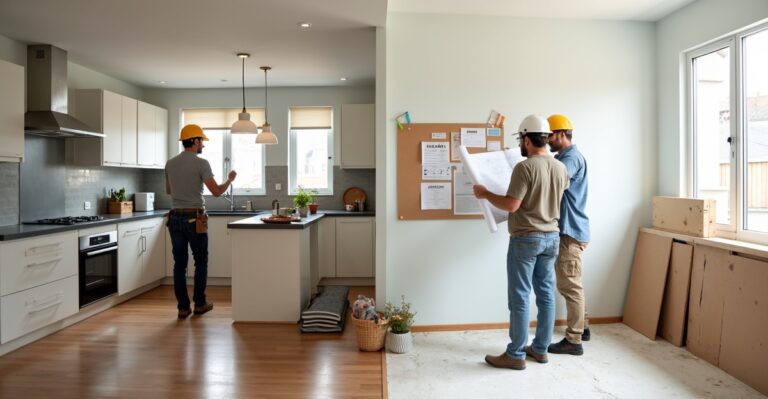
Quickly move from ideas to specifics. Decide if your project is interior-only, tackling key structural changes, or improving curb appeal. Figure out early if anyone will need to live or work in the space during renovations—this impacts how we build the schedule and safety protocols.
To check feasibility:
- Conduct a site walkthrough.
- Identify all stakeholders upfront.
- Note any key limitations—space, behavior zoning, occupancy rules, or building access hours for commercial tenants.
Create a “wish list” of everything you want, then line it up against zoning rules, realistic timeline windows, and available budget. These checks help shape a usable scope from day one.
Residential goals often focus on comfort and lifestyle upgrades—open floor plans, better lighting, or more space. Commercial projects shift that focus to returns, tenant needs, and tight code standards. Either way, the process works better with a clear foundation. For more structured advice, check out our guide on home renovation planning to get the ball rolling in the right direction.
Get Your Budget Right Before You Swing a Hammer
Budgeting a remodel starts long before construction. Build a solid plan with clear itemized estimates, realistic allowances, and a buffer fund for the unexpected. We recommend adding a 10% to 20% contingency depending on the complexity of your build.
For residential remodels, small design tweaks or finish upgrades can snowball into big cost jumps. Homeowners often overlook permit fees, demolition costs, or labor. For commercial spaces, it’s common to miss compliance testing costs, delay penalties, and extra inspections tied to tenant safety or insurance conditions.
Watch for these common mistakes:
- Underestimating labor costs.
- Forgetting to include permit fees.
- Failing to limit variable expenses like hardware, tile, or appliances.
We suggest building your own budgeting spreadsheet or working directly with a general contractor who offers detailed estimates with forecasting tools built-in. In either case, revisit your numbers regularly. For detailed help setting up your numbers, read our post on how to budget for roof replacement; most of the same principles apply to interior and structural work.
Choose the Right Contractor and Build a Communication Plan
Finding the right contractor drives the success of any remodeling project. Start by checking experience, reading real customer reviews, and verifying licenses and insurance. Ask if they hold industry credentials like NARI or GAF Certification for roofing.
During interviews, pay attention to how clearly they answer questions. Beware of bids that lack detail, contractors who dodge third-party inspections, or those who can’t offer a firm timeline.
Good communication prevents most change orders and time overruns. Set up a rhythm—weekly check-ins, shared calendars, or a simple project management app (even a shared Google Doc can work in smaller jobs).
What to Look for Based on Your Property Type
- Residential: You want clean crews, clear expectations around home access, and a respectful tone. If your family will stay in the house, choose someone who honors boundaries and works clean.
- Commercial: Choose teams who show up consistently, prioritize OSHA compliance, understand business hours, and have experience with similar spaces (like healthcare clinics or multifamily units).
For more tips on contractor vetting, we walk through all the essentials in our feature on how to hire a licensed contractor.
Permits, Inspections, and Compliance: Don’t Skip the Paperwork
Permits aren’t red tape—they’re how you ensure everything is legal, safe, insurable, and up to code. Typically, your contractor handles this part, but you should know the steps too.
Permit types can vary but often include:
- Electrical permits
- Plumbing permits
- Structural work permits
- Certificate of occupancy (especially for major commercial work)
Timing matters. Always apply before work starts. And don’t miss follow-up inspections—many jobs require multiple site visits before sign-off.
For commercial projects, add extra review points: ADA upgrades, sprinkler or fire alarm systems, and any code that’s tied to tenant load or public access. Insurance companies and leasing agents often require specific documentation post-remodel.
The biggest headaches come from three common mistakes:
- Breaking ground before permits are approved
- Skipping inspection steps
- Assuming old issues are “grandfathered”—they often aren’t
Understanding these checkpoints is a major piece of the commercial remodeling process, and skipping them can cost time, money, or shutdowns.
Create a Timeline You Can Actually Stick To
A successful remodel stays on track because the timeline was built with real-world variables in mind. Instead of wishful thinking, plan for delays, approvals, and delivery hold-ups.
Start by breaking the project into phases: design finalization, planning, permitting, material procurement, and active construction. Planning at least 2–3 months before construction begins gives you time to handle changes without panic.
Some jobs commonly follow these windows:
- Kitchen remodel: 6–12 weeks
- Full home gut: 3–4 months
- Commercial tenant buildout: 3–6 months
Choosing the right season matters. Winter storms in some areas delay deliveries; summer often means slower city permitting due to staffing. Always keep this in mind during scheduling.
To prevent timing issues:
- Finalize design and scope before demo
- Pre-order long-lead items like custom cabinetry or special-order HVAC units
- Avoid open-ended add-ons that create cascade delays
For more insights on managing construction phases, our detailed post on project phase expectations is a good reference even beyond roofing.
Stay Hands-On Until the Finish Line
Many remodeling problems come from disappearing too early in the process. Stay in the loop through each stage—not just design and demo.
We recommend final walkthroughs after structural framing and before drywall. These checkpoints let you catch mistakes early, like misrouted wiring or missing backing for mounted hardware.
As you approach completion, build a close-out checklist:
- Final inspections passed
- All finishes complete and defect-free
- Product warranties on file
- Permit documents and plans stored
- Contractor punch list completed and signed off
Keep all your records together for future resale, warranty issues, or insurance. That includes plans, product manuals, and any city compliance documentation.
Don’t assume everything will be caught automatically. Trust the process, but double-check the details. And above all, don’t vanish after the demo—stay reachable, stay invested, and make sure your team finishes strong.
If you’re ready to plan your own remodel with a professional team, we offer complete remodeling services for both homeowners and business owners. Or give us a call through our contact page, and we’ll walk you through next steps.