How to Prevent Roof Leaks Before They Start
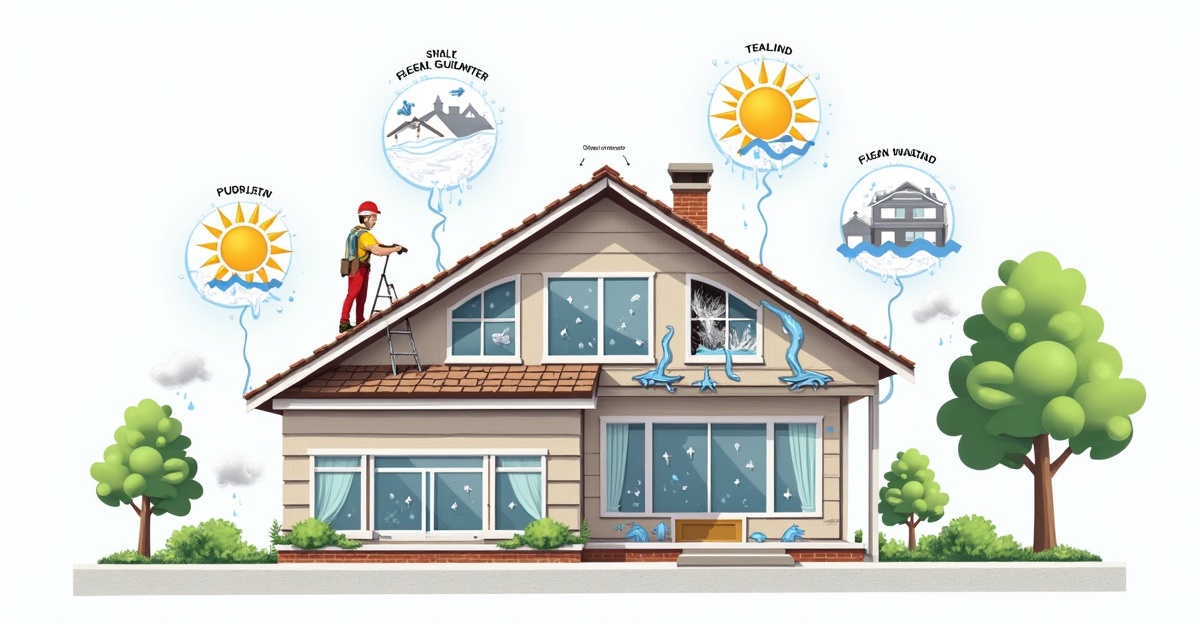
Ignoring small roof problems leads to costly damage fast. With regular checkups and smart upkeep, we stop leaks before they begin. Clogged drains and cracked flashing don’t stand a chance when we take simple, effective steps that protect your roof year-round.
Key Takeaways
- Damaged shingles, worn flashing, aging sealants, and blocked drains often cause roof leaks.
- Getting a professional to inspect your roof twice a year—and after major storms—helps us fix problems early.
- Cleaning gutters, replacing worn caulk, and trimming trees near your roof all lower the chance of leaks over time.
- Local weather matters. Whether we face snow, intense heat, or strong winds, our approach should match the climate’s threat.
- Homes and businesses deal with different roofing issues. Each needs its own smart plan to stay leak-free.
What Puts Your Roof at Risk: The Common Causes of Leaks
Roof leaks rarely appear out of the blue. They’re usually the result of small issues that were ignored for too long. The most common causes of roof leaks include damaged shingles, cracked flashing, worn-out sealants, clogged drains, and poor ventilation. These problems can sneak up slowly—especially if you’re not on top of routine checks.
In residential roofing, missing or broken shingles after a storm are a classic starting point for leaks. For commercial buildings, it’s often standing water that’s the culprit. Ponding on flat roofs stresses the membrane and can eventually break it down. Clogged scuppers or drains that don’t clear properly can cause water to seep in through seams or roof penetrations.
Age is another big factor. Older roofs naturally deteriorate, and the chances of a breach go up with each passing year. We also see many leaks tied to poor workmanship during previous installations or repairs. It doesn’t take much—an improperly sealed vent or flashing joint can let water in over time.
Even small signs of roof damage matter. A loose gutter seam, cracked caulk, or buildup of moss and moisture in one corner may not seem urgent, but they can lead to slow leaks that go unnoticed until mold forms or drywall buckles. That kind of lingering moisture inside a home or building? It’s a recipe for expensive problems down the road.
If you want to understand more about leak sources and repair options, here’s a deeper dive into the causes of roof leaks and how to fix them.
Inspection Is Prevention: How to Stay Ahead of Problems
Routine inspections are one of the smartest ways to prevent leaks. We recommend roof inspections at least twice a year—once in the spring and again in the fall. It’s also smart to check after any big storm or hail event.
You can start with a basic look yourself. Check for visible damage, missing shingles, piles of debris, or sagging areas. Peek inside the attic for signs of moisture or daylight. These basic steps are part of any good roof inspection checklist.
But a DIY look only goes so far. Professional inspections dig deeper. We check for soft spots in the decking, bubbling on membranes, loose flashing at penetrations, blocked ventilation, and other subtle signs of trouble. For commercial properties, we may use infrared scanning to detect hidden moisture below the surface—something you won’t spot with the naked eye.
Inspections also help you understand how to protect your roof long-term. They catch issues early, when repairs are minor and costs stay low. For example, a residential homeowner might catch cracked sealants around a chimney before it turns into attic damage. A facility manager might spot signs of aging around a rooftop HVAC system that’s leaking slowly.
Whether it’s residential roofing maintenance or a commercial assessment, staying ahead of the leak means staying on a schedule.
Maintenance Moves That Matter: Actionable Tips to Prevent Leaks
Regular roof care pays off big. It not only reduces the chance of a leak—it greatly extends your roof’s life. Here’s a clear and simple list of roof maintenance tips that directly help prevent costly issues:
Seasonal Roof Care Checklist
- Clean gutters and downspouts regularly to prevent overflow and water seeping under shingles.
- Remove debris from flat roof surfaces to prevent ponding and membrane damage.
- Replace cracked caulking at flashing, vents, and penetrations.
- Trim overhanging branches that could fall or rub on roofing material.
- Check attic vents and ventilation to reduce condensation buildup.
- Remove moss, mold, or algae with safe cleaners—these trap moisture.
- Inspect and reseal skylights and chimneys annually.
Each one of these steps keeps water flowing where it should—and away from your structure. Preventative maintenance like this can save a roof from five-figure replacement costs, a point emphasized by the National Roofing Contractors Association’s maintenance recommendations. If you’re already wondering how to extend your roof’s lifespan without major upgrades, these strategies also help.
For more on seasonal and annual steps, try our guide on how to extend the life of your roof.
Weather and Regional Realities: Customized Prevention by Climate
Protecting your roof means factoring in your region’s climate. Across our 17-state service area, we see very different threats depending on the zone.
In the Midwest, heavy snow and freeze-thaw cycles lead to ice dams, a phenomenon explained in detail by University extension building science programs on ice dam prevention. These force water back under shingles and into your attic. We recommend heat tape, improved attic ventilation, and ice dam barriers in these areas.
On the Gulf Coast and Southeast, intense UV and hurricane-force winds dominate. UV rays can break down roof materials faster, so annually checking for cracking or curling is a must. Consider UV-resistant roof coatings that shield your surface and extend its service life, as supported by U.S. Department of Energy guidance on cool roof systems.
Desert and southwest regions face similar heat-related risks, with added dry conditions that cause materials to split. High-elevation zones grapple with high winds and hail.
There’s no single “correct” solution for how to protect your roof. But knowing your environment helps us narrow the focus. Choose activities and materials that stand up to your area’s toughest seasons.
Residential vs. Commercial: Key Differences in Leak Prevention
Leak prevention strategies shift based on whether you’re protecting a home or a commercial facility.
Residential roofs are typically sloped and covered in shingles. These are great for shedding water, but they’re vulnerable to wind damage, clogged gutters, or missing flashing around chimneys and skylights. A homeowner should watch for granule loss, bent shingles, and sagging gutters.
Commercial buildings often have flat or low-slope roofs with large surface areas. Membrane systems (TPO, EPDM, PVC) are common, and they require a different approach. Flat roofs don’t shed water as well, so you’ll need to keep ponding in check and maintain all joints, drains, and rooftop units.
Here’s a simple comparison:
- A residential roofer may be checking shingles, ridge vents, and soffit air flow.
- A commercial technician focuses on membrane seams, drainage outlets, and mechanical curbs around HVAC.
Also, timelines differ. A business might inspect quarterly, while a homeowner may only schedule annual checks—though we’d recommend twice yearly for both. Either way, preventive work now helps avoid downtime, property damage, and last-minute scrambling.
Learn more strategies for commercial roof leak prevention by starting with reliable inspections.
When You Need Backup: Signs It’s Time to Call a Pro
There’s a point where DIY won’t cut it. Certain signs mean it’s time to bring in a professional. If you spot any of these red flags, make the call sooner, not later:
- Dripping water during or after storms
- Moisture buildup or mold in the attic
- Sagging roof areas or soft spots
- Blisters or bubbles on a flat roof membrane
- Daylight visible through attic boards
- Musty odors that don’t go away
Real-world example: After a snowstorm, moisture builds in the attic. If the ice melts, runs under shingles, and no one notices? You’ve got rot spreading before the first leak shows up inside.
Professional help at this stage can stop small issues from becoming structural. It can also help preserve your product warranties and lower overall repair costs.
If we catch a problem early, targeted solutions like minor roof repairs or drainage fixes can keep things on track. Waiting too long could mean full roof replacement—and a much higher bill.
You’ll know and trust the difference if you reach out to a reputable contractor. Contact RayPro through our online form for fast scheduling. We’re here when your roof needs a second set of eyes.
Frequently Asked Questions
The best way to prevent roof leaks is through regular inspections and routine maintenance. Checking for damaged shingles, worn flashing, cracked sealant, and clogged gutters allows problems to be fixed early. Scheduling professional inspections twice a year and after major storms helps catch hidden issues before water penetrates the roof system.
You should inspect your roof at least twice a year, typically in spring and fall, to prevent leaks. Additional inspections are recommended after heavy storms, hail, or high winds. Regular inspections help identify small issues like loose shingles, blocked drains, or deteriorating caulking before they develop into active leaks.
Yes, clogged gutters are a common cause of roof leaks. When gutters and downspouts are blocked, water can overflow and back up under shingles or roofing membranes. This trapped moisture can seep into the roof structure, leading to rot, mold, and interior water damage if not addressed promptly.
Key maintenance tasks that help prevent roof leaks include cleaning gutters, removing roof debris, resealing flashing and penetrations, trimming overhanging tree branches, and addressing moss or algae growth. Proper attic ventilation is also important, as it reduces moisture buildup that can weaken roofing materials over time.
You should call a professional if you notice water stains, attic moisture, sagging areas, blistered roofing materials, or recurring drainage issues. Professionals can detect hidden damage, check flashing and membranes, and make repairs that prevent leaks. Early professional intervention often costs far less than repairing widespread water damage.