How to Protect Your Roof from High Winds
High winds can tear through vulnerable parts of your roof—even when speeds fall short of hurricane force. Weak corners, faded sealant, loose materials, and worn-out systems all invite trouble. Wind targets the soft spots first, so protecting your roof starts with strengthening every potential failure point.
Key Takeaways
- Roof edges, corners, and unsecured parts give way first during strong winds. Regular inspections are a key part of roofing maintenance for high-wind areas, helping us spot and fix issues before storms do damage.
- Ahead of storm season, we secure loose rooftop equipment, clear gutters, and have professionals inspect for weak anchoring or flashing.
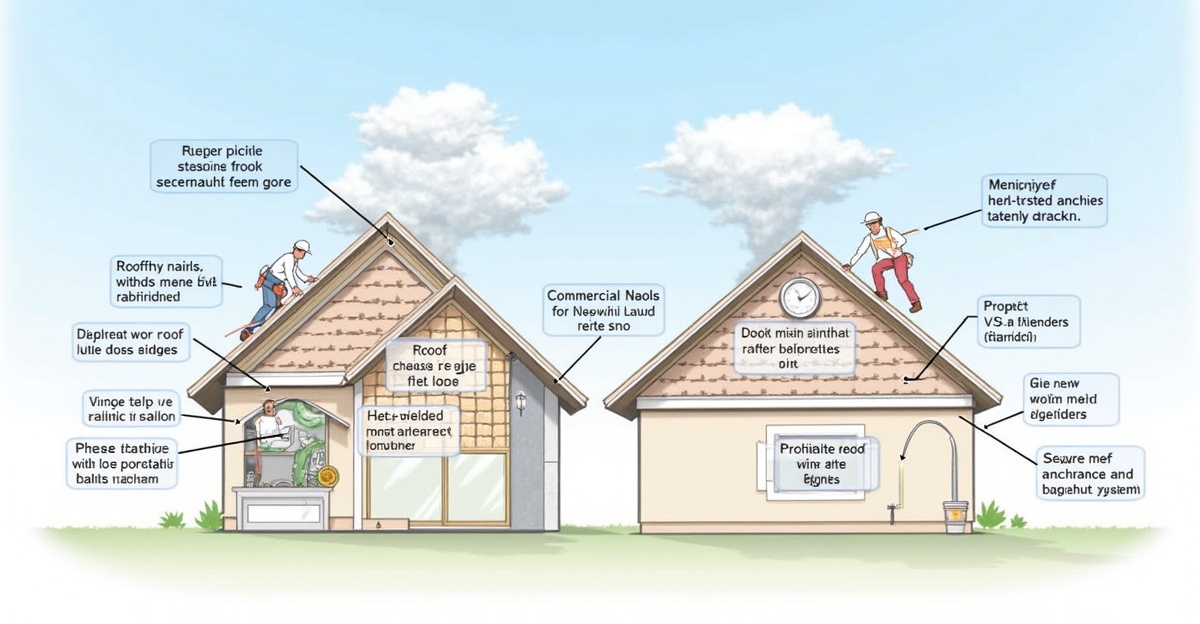
- For residential roofing, we recommend high-wind-rated shingles, storm-resistant underlayment, and ring-shank nails for better deck retention.
- Commercial buildings benefit from heat-welded membranes, non-penetrating anchors, and wind-tested ballast systems to meet safety standards and limit risks.
- Local wind zones guide code rules. Matching roofing systems to our area’s wind requirements helps protect property and extend the life of the roof.
Understanding Wind Threats to Your Roof: What’s at Stake
High winds don’t have to reach hurricane strength to cause serious damage. Once speeds top 50 mph, roofs can face lifted shingles, torn seams, dislodged flashing, and hidden water entry points, as outlined in NOAA’s wind speed damage classifications. For homeowners and building owners in wind-prone regions, that’s a real threat.
Residential roofs often take the hit at their weakest points—like corners, eaves, and roof edges. Shingle uplift and broken sealants are common. On commercial properties, flat roofs might experience membrane detachment or rooftop equipment damage.
In RayPro’s 17-state service area, especially in hurricane zones, we see stronger gusts more frequently. These winds exploit the smallest vulnerabilities. A loose drip edge or worn flashing can quickly become a major leak.
Quick tip: Watch those edges. Wind damage usually starts at roof perimeters or areas with unsecured materials. Knowing the signs of wind damage on your roof is your first layer of protection.
Pre-Storm Prep: How to Get Your Roof Ready for Wind Season
When your roof’s intact, wind is just noise. When it’s not, everything underneath is at risk. The best time to prepare is before the winds start.
What to Do Before Storm Season Hits
Take these steps now to boost your roof’s wind resistance:
- Schedule a professional roof inspection to catch weak anchoring points, deteriorating flashing, or loose materials.
- Clean and unclog gutters and roof drains to prevent water buildup during storms.
- Anchor any rooftop furniture, antennas, or equipment that could become projectiles.
- Download our “Storm Season Roof Readiness Checklist” to stay organized.
Our team regularly works with homeowners and property managers in storm-prone areas, pointing out weak spots long before they become emergencies. Fixes done early cost far less—roofing maintenance for high-wind areas can prevent wind repairs that often run up to three times more.
Residential Roofing Wind Protection That Actually Works
Your roof protects your home, your family, and your future. We get why you’re looking for real solutions that stick. The good news is, there are options that hold up even when the wind goes wild.
Here’s what works best on homes in high-wind areas:
- Install shingles rated for 130+ mph wind loads.
- Upgrade to storm-resistant underlayment—so even if shingles fly, you stay dry.
- Use starter strip shingles to keep critical edges from peeling up.
- Reinforce roof decking with ring-shank nails for better grip.
Top Materials for Residential Roofing in High-Wind Zones
Some roofing materials handle strong wind better than others:
- Impact-resistant asphalt shingles
- Standing seam metal roofing
- Concrete or clay tile roofing—heavy, but effective when installed right
Early damage signs include curling or missing shingles, displaced fasteners, visible gaps, or even interior staining. These are warnings worth catching early. Learn how roofing maintenance for high-wind areas can extend your roof’s life by staying ahead of early damage signs.
Commercial Roof Wind Protection Requires a Different Approach
Protecting a commercial flat roof isn’t just about stopgap fixes—it’s about reducing liability, protecting assets, and staying compliant.
Key materials like TPO or modified bitumen membranes perform better under stress, especially when seams are reinforced. Ballasted roofing systems can minimize membrane lift. For rooftop HVAC or solar units, non-penetrating anchors help hold gear in place without compromising waterproofing.
Best Practices for Commercial Roof Systems During Wind Events
Use these strategies to protect commercial structures:
- Install reinforced membranes with heat-welded seams
- Secure rooftop units with code-compliant, non-penetrating anchoring systems
- Ensure parapet caps and edge flashings are sealed and fastened
- Use ballast systems rated for local wind speeds
- Confirm wind design loads meet or exceed ASCE 7-16 minimum design load requirements or applicable local codes
We stay ahead of code changes and make sure every roof replacement we handle meets wind specs for the building’s zone.
Professional Inspections: Why DIY Doesn’t Cut It
A quick glance won’t catch roof problems that snowball under high wind. Inspection matters—but only if it’s done right.
Licenses and ladders alone aren’t enough. We go deeper. Our inspections include:
- Pull tests on membrane adhesion
- Checks for flashing lift or seam separations
- Evaluation of parapet caps and perimeter terminations
- Anchoring system reviews
Most insurance carriers require reports from certified professionals. Our document sets include timestamped photos and damage notes—use them for insurance claims or capital budgeting.
Not sure if your roof’s ready for the next big wind event? We’ll help you find out.
Know Your Region: How Local Wind Zones Impact Roof Choices
Code-driven wind resistance rules aren’t optional—they change based on your zip code. Local wind zones define what materials and installation methods you need.
For coastal states like Florida, Texas, and the Carolinas, hurricane wind resistance starts at 120 mph and goes higher according to FEMA’s hurricane wind scale. FEMA and IBHS both define demands for these high-exposure areas.
Why Wind Ratings Matter in Your Zip Code
Because higher winds require better-performing materials:
- Architects might specify Class F shingles (up to 150 mph)
- Ballast weights and attachment methods increase per ASCE 7-16 wind maps
- Elevation and terrain affect edge pressure calculations
We operate across 17 states, and every residential or commercial roof we repair or replace is built for the wind zone it lives in.
Choosing the right roofing materials for high wind can be the difference between staying dry—or starting over. Let’s make sure you stay protected.
Frequently Asked Questions
The best way to protect a roof from high winds is to reinforce weak points like edges, corners, and fasteners while using wind-rated materials. High-wind shingles, sealed underlayment, and proper nailing patterns reduce uplift. Regular inspections also help catch loose flashing or sealant before strong winds exploit them.
Most standard residential roofs are designed to handle winds between 60 and 90 mph, depending on age and installation quality. Newer systems in wind-prone areas may be rated for 130 mph or more. Exceeding a roof’s wind rating increases the risk of shingle loss, leaks, and structural damage.
Roof damage from wind can be reduced—but not fully prevented—through regular maintenance. Securing loose components, replacing worn sealants, and fixing minor damage improves wind resistance. However, older or poorly installed roofs may still fail during severe gusts, even with consistent upkeep.
Roof edges, corners, eaves, and ridgelines are the most vulnerable to wind damage. These areas experience the highest uplift pressure during storms. Loose flashing, starter shingles, and improperly fastened materials often fail first, allowing wind to peel back roofing layers.
Upgrading roofing materials is worth it in areas that experience frequent strong winds. Wind-rated shingles, reinforced membranes, and improved fastening systems significantly lower repair costs over time. These upgrades also extend roof lifespan and may help meet local building codes or insurance requirements.