How Weather Affects Your Roof’s Lifespan
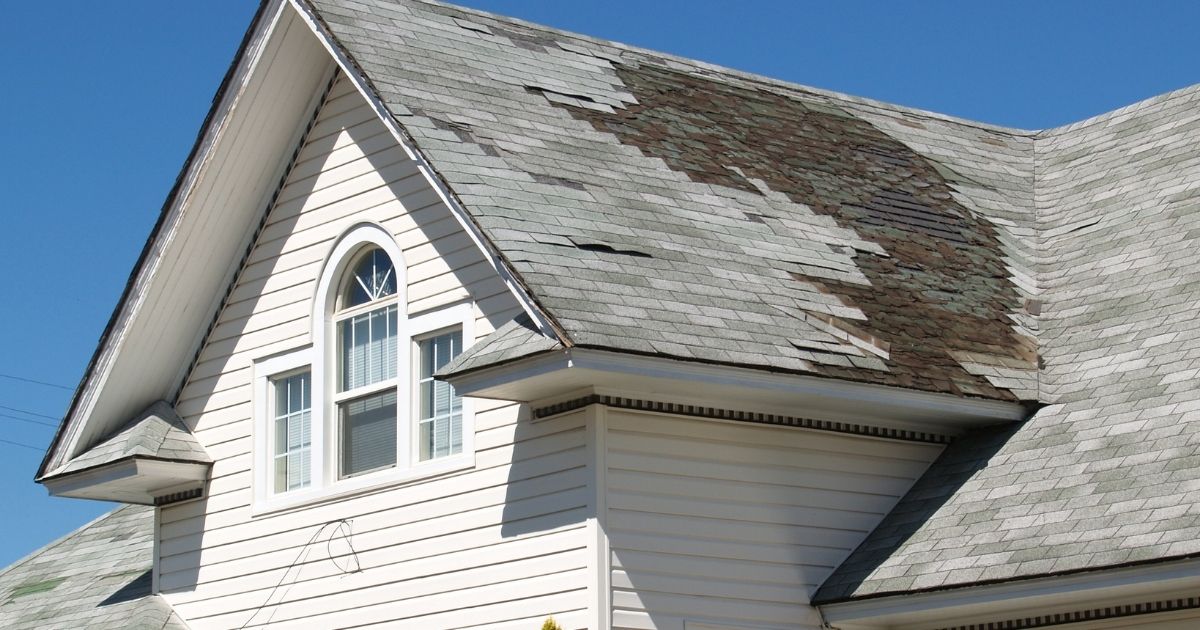
Your roof is built to protect—but the weather is constantly working against it. From blazing heat to driving rain, wind, and hail, the elements take a toll that can shorten your roof’s lifespan—and raise questions like how do weather conditions impact skylight lifespan?—which can lead to costly repairs if left unchecked. In this article, we’ll break down how weather affects your roof, what signs to watch for, and how you can protect your property—whether it’s your home or a commercial building.
Here’s what we’ll cover:
- Why Weather Matters for Your Roof’s Longevity
- Sun & Heat – The Silent Roof Killers
- Rain & Moisture – The Risk You Can’t See
- Wind Damage – When Gusts Compromise Roof Structure
- Hail & Storm Events – The Most Obvious Culprit
- Snow, Ice & Freeze-Thaw Cycles
- Proactive Roof Maintenance: Your Best Defense
- Conclusion – Protect Your Roof, Protect Your Property
Let’s start by looking at why weather is one of the biggest factors in how long your roof really lasts.
Why Weather Matters for Your Roof’s Longevity
Your roof isn’t just a protective cover—it’s a working system designed to withstand years of wear and tear. But the biggest threat to that system isn’t age alone—it’s the weather. Every storm, heatwave, or cold snap chips away at your roof’s durability, often in ways you can’t see until a bigger problem appears.
Roofing system durability refers to how well your roof holds up over time, considering both the materials used and the environment it faces. Even the most well-installed roof will degrade faster if it’s exposed to constant UV rays, heavy rainfall, high winds, or cycles of freezing and thawing. And that degradation doesn’t happen all at once—it builds up slowly, weakening seams, loosening fasteners, and compromising protective layers that are supposed to keep water and debris out.
For homeowners, this can mean unexpected leaks or higher energy bills. For commercial property managers, it can mean budget overruns, maintenance headaches, or even code compliance risks. In both cases, climate-related roof degradation is more than just a seasonal nuisance—it’s a long-term cost driver.
Whether you’re responsible for a multi-family housing complex or simply want to protect your home investment, knowing how weather affects roof longevity can help you plan smarter. It also helps you get more value out of every dollar spent—because maintaining a roof before problems escalate almost always delivers better roofing ROI after weather events.
Key takeaway: Weather wears down roofs, not just with storms, but through daily exposure to sun, rain, and temperature changes. Understanding that risk is the first step toward preventing it—and protecting your property for the long haul.
Sun & Heat – The Silent Roof Killers
When people think about roof damage, they often picture storms or hail. But some of the most destructive forces are the ones you can’t see—sunlight and heat. ver time, constant exposure to UV rays and high temperatures can quietly shorten your roof’s lifespan by drying out materials, weakening seals, and reducing overall performance.
UV Rays and Material Breakdown
Just like the sun fades paint and cracks pavement, ultraviolet (UV) light breaks down roofing materials at the molecular level. Asphalt shingles can become brittle, flat roofs may blister, and coatings can lose their elasticity. This process—known as UV damage to roofing materials—weakens your roof’s top protective layer, making it easier for moisture to sneak in.
Even in mild climates, long-term sun exposure adds up. Roofs in southern states like Florida, Arizona, or Texas experience hundreds of days of direct UV radiation every year. Without proper maintenance or reflective coatings, that exposure can reduce a roof’s expected lifespan by several years.
Expansion and Contraction from Heat
Temperature swings between day and night also take a toll. As the sun heats your roof, materials expand; when temperatures drop, they contract. This daily cycle of temperature fluctuations and roof expansion can loosen fasteners, crack sealants, and separate seams over time.
For flat or metal roofs, the impact can be especially noticeable. Panels may warp or shift slightly, creating small gaps where water can later infiltrate. While these changes happen slowly, they compound year after year—especially in regions with hot days and cool nights.
Residential vs. Commercial Roofing Risks in Hot Climates
Residential and commercial roofs face unique challenges under heat stress.
Residential roofs—especially shingle and tile systems—often absorb more direct sunlight because of their slope and material color. Homeowners might notice curling shingles, attic heat buildup, or rising energy costs as ventilation systems work harder.
Commercial flat roofs, on the other hand, tend to trap heat. The lack of slope means less air circulation, so the roof membrane bakes under consistent exposure. Without proper insulation or reflective coatings, this can accelerate wear and raise interior cooling costs.
Improving energy efficiency and roofing performance through cool-roof materials, reflective coatings, or added insulation can offset much of this damage. These solutions help stabilize temperatures, protect materials, and reduce long-term operating costs—especially for multi-site commercial properties managing energy budgets across several buildings.
Key takeaway: Sun and heat don’t cause immediate destruction, but they slowly undermine your roof’s strength and energy efficiency. Regular inspections, reflective coatings, and proactive maintenance are the best ways to protect your investment before hidden UV damage turns into costly repairs.
Rain & Moisture – The Risk You Can’t See
Rain may seem harmless—especially if it rolls off your roof without a problem. But over time, even small amounts of moisture can cause significant damage if your roofing system isn’t properly sealed or maintained. The real danger lies in what you don’t see: slow leaks, trapped humidity, and structural deterioration hidden beneath the surface.
Common Signs of Moisture Penetration
When water finds its way past your roof’s protective layers, it doesn’t always make a dramatic entrance. Moisture penetration in roofing systems often begins subtly. You might notice:
- Discolored ceiling spots
- A musty smell in certain rooms or units
- Bubbling paint or sagging drywall
- Increased humidity in the attic or upper floors
These early signs can go unnoticed for months—especially in commercial buildings where roofing systems are out of sight. That’s why seasonal roofing inspection checklists are critical. Catching problems early can save tens of thousands of dollars in repairs or replacements down the road.
How Leaks Affect Insulation, Decking, and Structure
When water slips past the surface, it can soak insulation, rot wood decking, rust metal fasteners, and weaken structural components. In a residential home, that might mean reduced energy efficiency, mold growth, or long-term damage to the attic and ceiling. In a commercial building, it could compromise HVAC systems, fireproofing materials, or critical electrical infrastructure hidden beneath the roofline.
What starts as a minor drip can escalate into serious damage that’s both expensive and disruptive. That’s why water intrusion prevention isn’t just about patching holes—it’s about having the right flashing, ventilation, drainage systems, and maintenance strategy in place.
Moisture Issues in Multi-Family or Flat-Roof Buildings
Flat and low-slope roofs, common in multi-family housing and commercial buildings, are especially vulnerable to moisture problems. Unlike pitched residential roofs that naturally shed water, these systems rely on proper drainage design and membrane integrity.
If drains clog or seams fail, water can pool and slowly seep into the structure. For property managers, this can lead to tenant complaints, code violations, or insurance claims that damage reputation as much as the roof. Moisture intrusion in these settings often spreads across multiple units, making fast identification and response a top priority.
Key takeaway: Moisture doesn’t need a big storm to become a big problem. Rain, humidity, and poor drainage silently weaken your roofing system over time, and raise concerns about how do weather conditions impact skylight lifespan? especially when seals or flashing are compromised. With regular inspections and proactive prevention, you can stop leaks before they start—and protect both your property and your peace of mind.
Wind Damage – When Gusts Compromise Roof Structure
Not all roof damage is visible from the ground—and wind is a perfect example. While it may not always leave behind the obvious signs that hail or heavy rain do, strong gusts can silently weaken your roofing system. And without immediate attention, that damage can grow worse with every storm that follows.
Wind Uplift and Flashing Failure
When wind moves across a roof, it creates pressure that can lift shingles, peel membranes, or tear off flashing around chimneys, skylights, and vents. This is called wind uplift, and it often starts at the edges and corners of your roof—places where materials are more exposed and vulnerable.
Over time, even a slightly lifted shingle or loosened flashing can allow water to seep in. Worse, repeated gusts can turn a small gap into a major leak. These failures often go unnoticed until the next storm exposes the weakness—and by then, you’re dealing with a bigger, more expensive issue.
Higher Risk Areas and Roof Types
Certain properties face a greater risk of wind damage based on design, elevation, or location.
Commercial flat roofs are especially susceptible because of their wide, open surface area. If the membrane isn’t tightly secured, wind can catch the edges and start lifting large sections.
Multi-family buildings with taller rooflines or poorly installed flashing are more exposed to gusts that can stress structural joints or corner points.
In coastal or tornado-prone regions, wind speeds can exceed code requirements, making older or poorly maintained roofs even more vulnerable.
That’s why investing in storm-proof roofing solutions—like reinforced fasteners, high-wind-rated shingles, and sealed flashing systems—is key to long-term resilience.
What to Do After Strong Wind Events
You don’t need to see shingles on the ground to know there’s a problem. After a wind event, it’s smart to have a licensed contractor perform a professional inspection—even if your roof looks “fine.” Early detection is your best defense against hidden problems.
For commercial properties, storm readiness and post-event inspections should be part of your operational plan. Not only does this align with roofing compliance and safety standards, but it also helps prevent costly damage that can disrupt operations or tenant services.
If you’re asking, “How do I know if the wind damaged my roof?” or you’re worried about hidden roof damage, the answer is simple: don’t wait to find out. Get it checked—especially before the next storm hits.
Key takeaway: Wind damage isn’t always obvious, but it can weaken your roof’s structure in critical areas. A fast, professional inspection after strong winds can catch problems early, protect your property, and help ensure your roof performs when you need it most.
Hail & Storm Events – The Most Obvious Culprit
Of all the weather-related threats to your roof, hail and severe storms are the ones that grab attention—and for good reason. A single hailstorm or severe weather event can trigger repair costs ranging from hundreds to several thousands of dollars for a residential roof. But what many property owners don’t realize is that even small hailstones or moderate wind gusts can create long-term issues if not caught and addressed early.
Signs of Hail Damage (Photos or Checklist Helpful)
Hail doesn’t always leave behind dramatic holes or broken tiles. In fact, many signs of damage are subtle—especially when you’re viewing the roof from the ground. Look for:
- Dented shingles or bruised granules
- Cracks or chips in tiles or slate
- Soft spots on flat roofing membranes
- Damage to gutters, flashing, or vents
- Granules collecting at the base of downspouts
A professional hail damage roof inspection can uncover issues that aren’t immediately visible. Left untreated, these small impact points can lead to water intrusion, rot, or even voided warranties. That’s why timely inspections are critical after any storm.
Filing Insurance Claims Effectively
One of the most common questions we hear is, “Does homeowners insurance cover hail damage?” The answer is often yes—but only if you document the damage and follow the proper process.
Here’s how to make it smoother:
- Schedule a certified inspection as soon as possible
- Document visible damage with photos and notes
- Contact your insurance provider to start a claim
- Work with a contractor who can guide you through the roof insurance inspection process
RayPro has helped hundreds of property owners navigate insurance-covered roof repairs, ensuring nothing is missed during the adjuster’s review. Having a contractor on your side protects your interests and helps avoid underpaid or denied claims.
Timeline and Cost Expectations for Repairs
Many property owners ask, “How much does it cost to fix a storm-damaged roof?” It depends on the extent of the damage, your roofing system, and insurance coverage—but here’s what to expect:
- Minor repairs: $500–$2,000 for a small area or minor shingle replacement
- Moderate damage: $2,000–$10,000 for partial roof sections
- Full replacements: $10,000+ depending on roof size and materials
In commercial properties, costs can escalate quickly due to scale, code compliance, and tenant disruptions. That’s why a detailed inspection and quote from an experienced contractor is the first step toward an accurate budget and fast resolution.
Key takeaway: Hail and storm damage may be obvious—or completely hidden. Either way, acting quickly with a proper inspection, insurance coordination, and professional repair plan is the best way to protect your roof and avoid escalating costs.
Snow, Ice & Freeze-Thaw Cycles
Winter weather brings a unique set of roofing challenges, especially in colder regions where snow accumulation and freezing temperatures are common—prompting many to ask, how do weather conditions impact skylight lifespan? under these harsh conditions. While a blanket of snow may look harmless, the weight, melting, and refreezing can quietly damage your roof—both structurally and beneath the surface. These cold-weather conditions accelerate wear in ways that often go unnoticed until leaks or failures appear.
Roof Stress from Heavy Snow Loads
Snow is heavier than it looks—especially when it’s wet or compacted. A roof covered in several inches of snow can support thousands of extra pounds. This puts stress on the decking, support beams, and fasteners underneath.
In residential settings, you may notice sagging in the attic or ceiling cracks. For commercial properties, particularly older or low-slope roofs, excessive snow load can strain the structure or even risk collapse in extreme cases.
When snow builds up repeatedly without being cleared, that weight can gradually weaken the roof over time. That’s why regular inspections and snow removal—especially after major storms—are essential for protecting both property and safety.
Ice Dam Formation and Prevention
Ice dams are one of the most common winter roofing problems. They form when heat from inside your building melts the snow on your roof. As the melted water runs down and refreezes near the colder eaves, it creates a ridge of ice that blocks further drainage. Water then backs up under shingles or flashing—leading to leaks, mold, and insulation damage.
Preventing ice dams requires a mix of proper ventilation, insulation, and drainage. Sealing attic bypasses, improving airflow, and using heated cables or ice-and-water shield barriers along the eaves are effective solutions. If an ice dam has already formed, calling for emergency roofing services is your safest bet—especially before it causes deeper interior damage.
Commercial Flat Roof Vulnerabilities in Winter
Flat roofs are particularly vulnerable to winter weather. Unlike sloped residential roofs, they don’t shed snow or water efficiently. Instead, snow collects and slowly melts, creating standing water that can seep into seams, flashing, or drainage outlets—especially if there’s already minor damage.
Repeated freeze-thaw cycles make things worse. As temperatures fluctuate, water trapped in small cracks expands when it freezes, slowly prying those gaps wider. Over time, this freeze-thaw effect on roofing systems can degrade membranes and lead to widespread leaks or insulation failure.
For commercial properties managing multiple buildings or tenants, these risks multiply. Adding winter prep to your seasonal roofing inspection checklist helps catch problems early and ensures compliance with safety and structural standards.
Key takeaway: Snow and ice can be just as damaging as a storm—especially when left unchecked. Between weight stress, ice dams, and freeze-thaw cycles, winter weather silently erodes roofing systems. A proactive winter maintenance strategy is your best defense for avoiding costly surprises.
Proactive Roof Maintenance: Your Best Defense
You can’t control the weather—but you can control how well your roof stands up to it. Routine care and timely inspections are the most effective ways to extend your roof’s lifespan and reduce the risk of sudden, costly damage. Whether you own a single-family home or manage a portfolio of commercial properties, proactive roof maintenance tips are your first line of defense.
Maintenance Tips for Each Season
Every season brings unique challenges, and your roof maintenance plan should adapt accordingly:
- Spring: Inspect for winter damage, especially from snow and ice. Clear gutters, check flashing, and remove any debris.
- Summer: Look for UV damage, blistering shingles, or worn coatings. Make sure attic ventilation is functioning properly.
- Fall: Prepare for colder weather by clearing leaves, checking sealants, and confirming downspouts and drains are clear.
- Winter: Monitor for ice dams, inspect for snow buildup, and schedule snow removal services as needed.
Following a seasonal maintenance schedule helps identify problems before they escalate, reduces energy loss, and maintains roofing warranty coverage for storm damage—a step many owners overlook until it’s too late.
When to Schedule an Inspection
The best time to inspect your roof is before a problem starts. As a general rule, schedule professional inspections:
- Twice per year (spring and fall)
- After major storms or hail events
- Before listing or leasing a property
- When installing or removing solar panels
RayPro offers complete roof inspections for both residential and commercial clients, including multi-family property roof management and post-storm evaluations. We help you understand exactly what’s going on—no guesswork, no pressure.
If you’re wondering, “Don’t wait until a leak shows up—get your roof checked now,” you’re already on the right track.
Why Partnering with a Roofing Expert Matters
DIY fixes and patch jobs may save money in the short term—but they rarely hold up against weather-driven wear. A licensed, insured contractor like RayPro not only addresses immediate issues, but also helps with long-term asset protection through roofing upgrades, proper documentation for insurance, and smart recommendations tailored to your property’s needs.
For commercial property managers juggling multiple vendors, a reliable roofing partner reduces complexity and ensures consistent service across all sites. For homeowners, it means peace of mind—knowing your roof is ready, no matter what the weather throws your way.
RayPro also offers solar panel detach/reset services, storm repair, and flexible financing options to make planning easier.
Key takeaway: Maintenance isn’t just a checklist—it’s a strategy. With seasonal care, scheduled inspections, and the right roofing partner, you can protect your investment and avoid the headaches that come with unexpected repairs. Protect your property investment from unpredictable weather—and let us help you stay ahead of it.
Conclusion – Protect Your Roof, Protect Your Property
Weather is one of the most consistent—and costly—factors in roof wear and tear. From intense sun exposure and seasonal storms to heavy snowfall and high winds, each element plays a role in how long your roof lasts and how well it protects what matters most.
We’ve walked through the silent damage caused by UV rays, the hidden risks of moisture and leaks, the structural strain from wind uplift, the obvious impact of hail, and the compounding effects of winter freeze-thaw cycles. Whether you’re managing a commercial portfolio or caring for your family home, these threats are real—but preventable.
The good news? You don’t have to wait for damage to show up to take action. Proactive maintenance, regular inspections, and partnering with a trusted contractor like RayPro help safeguard your investment, improve long-term performance, and ensure you’re always one step ahead of the weather.
Ready to protect your roof and your property? Schedule an inspection or request a free quote today. RayPro offers expert guidance, transparent pricing, and dependable service for both residential and commercial roofing needs across 17 states.
Frequently Asked Questions
Storms with high winds and hail tend to cause the most immediate and visible roof damage—cracked shingles, dented metal, or torn membranes. However, long-term exposure to sun, heat, and moisture can be just as destructive over time, silently weakening your roofing system and reducing its lifespan.
Look for signs like missing shingles, bruised or dented materials, granule loss, damaged flashing, or interior leaks. Even if everything looks fine from the ground, it’s smart to schedule a professional roof inspection after a storm. Some damage is hidden but can worsen with time or void warranties if left untreated.
Most homeowners and commercial property insurance policies cover storm-related damage, including hail, wind, or fallen debris—if it’s properly documented and reported in time. Having a contractor like RayPro assist with your roof insurance inspection process ensures nothing is missed when filing your claim.
Yes. Prolonged exposure to high temperatures and UV rays can dry out shingles, crack coatings, and weaken sealants—especially if your roof isn’t well-ventilated or properly maintained. This kind of UV damage to roofing materials builds up over time and can significantly shorten your roof’s lifespan.
Regular inspections, seasonal maintenance, and timely repairs are the key. Follow a seasonal roofing inspection checklist, clear debris from gutters and drains, and fix small issues before they become bigger problems. Partnering with a roofing expert like RayPro ensures your roof stays ready for whatever the weather brings.