
HVAC Maintenance Tips to Improve Efficiency
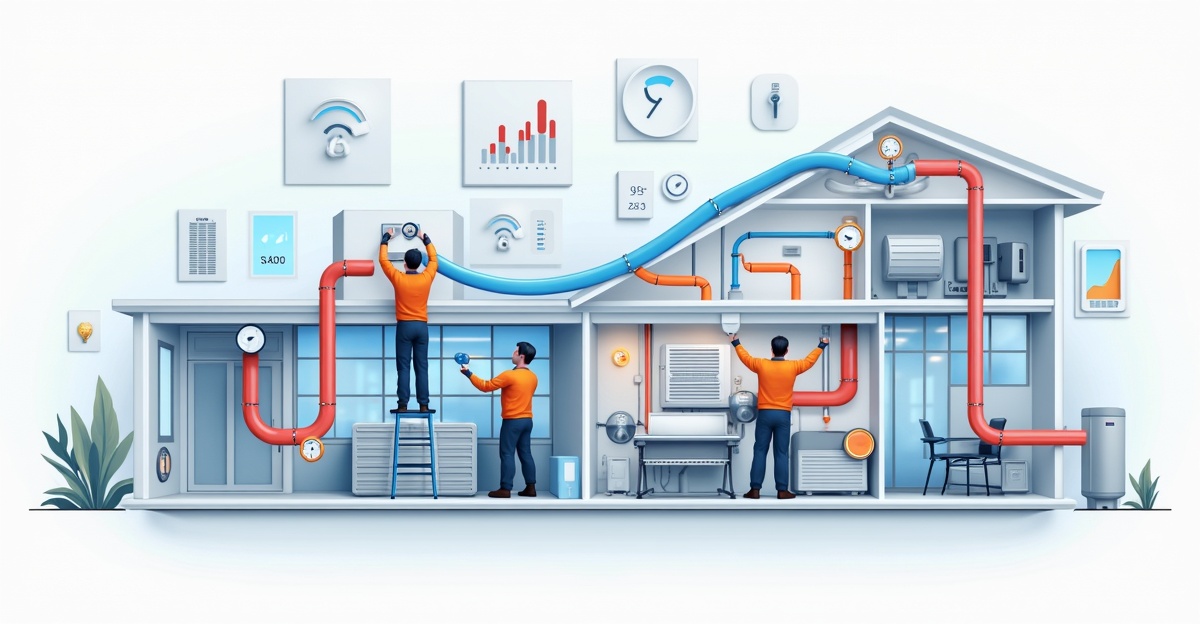
Regular HVAC upkeep cuts energy costs by as much as 20%. This maintenance guide walks through essential steps to keep systems running efficiently. From seasonal action plans to commercial scheduling, these strategies boost performance, extend lifespan, and help avoid expensive breakdowns.
Key Takeaways
- Consistent HVAC maintenance lowers energy use and delivers reliable performance throughout the year.
- Seasonal tasks—such as changing filters, checking refrigerant levels, and sealing ductwork—play a key role in system efficiency.
- Commercial units perform better with planned quarterly checks and building control system adjustments.
- Catching early issues—like odd sounds or inconsistent airflow—helps avoid system failures.
- Stick to a defined maintenance schedule and consider ongoing service agreements to stay ahead and save money.
The Cost-Saving Benefits of Routine HVAC Maintenance
Regular HVAC maintenance isn’t flashy—but it works. A properly maintained HVAC system can reduce energy bills by up to 20%, according to ENERGY STAR’s guidance on heating and cooling efficiency. That’s not a small number when you add it up over seasons, especially for commercial buildings or large homes.
Both residential and commercial property owners see this in real time. Think stable utility costs, fewer expensive breakdowns, and controlled upkeep instead of emergency repairs. Preventative care also protects your system’s long-term value. Staying ahead of wear extends your HVAC lifespan and shields the investment you’ve made in your property.
We’ve seen it ourselves: a few scheduled checks a year can save you thousands over your system’s life. It’s also the easiest way to avoid disruptions when the weather turns extreme. If you’re looking for a simple place to begin, our full HVAC maintenance guide covers the essentials you can tackle throughout the year.
Seasonal HVAC Maintenance Tips for Homeowners
Staying efficient at home comes down to timing. Seasonal HVAC maintenance helps you avoid mid-season surprises and gets your system running at top performance year-round.
Spring/Summer Residential HVAC Checklist
Start prepping as temperatures rise:
- Replace air filters to ensure smooth airflow and improve AC performance.
- Check and clear around the outdoor condenser unit—especially in areas with grass, leaves, or pollen buildup.
- Test your thermostat settings for accuracy and proper cycling.
- Inspect refrigerant levels. Low charges mean your system works harder, costing more and cooling less.
In humid regions like Florida, condenser cleaning becomes even more important. Moisture accelerates grime buildup, pushing systems to run longer than needed.
Fall/Winter Residential HVAC Checklist
As temperatures drop, it’s time to shift focus:
- Inspect the heat exchanger for cracks or corrosion.
- Test or replace carbon monoxide detectors—as recommended by the U.S. Consumer Product Safety Commission for heating safety.
- Insulate exposed ductwork.
- Check burner flame color. It should burn blue, not yellow, which may signal incomplete combustion.
Don’t overlook your home’s envelope, either. Check weatherstripping and attic insulation to prevent losing heated or cooled air. These simple steps pair well with HVAC services to boost comfort and lower bills. If things seem off or you’re unsure, it pays to have a tech step in early.
Commercial HVAC Maintenance Plan Essentials
For facility managers and business owners, structured care makes all the difference. Commercial systems face heavier loads and tighter regulations. A consistent commercial HVAC maintenance plan helps you meet both.
Here’s what to include:
- Schedule quarterly inspections for large components like RTUs, boilers, or chillers. These checks catch wear before it becomes expensive.
- Calibrate building controls and thermostats regularly for better zone control and energy savings.
- Review performance logs and building automation data. This supports predictive maintenance and reduces costly surprises.
Staying proactive protects uptime and keeps tenant complaints to a minimum—important for both office buildings and retail spaces. Keeping your system in shape also ensures you’re code-compliant and won’t void warranties, especially since manufacturers often require licensed contractor visits.
Make sure you check out our full commercial maintenance checklist while planning your quarterly care strategies.
Signs Your HVAC System Needs Immediate Service
Notice something odd with your system? Don’t ignore it. Here are clear signs your HVAC needs service now:
- Strange sounds like grinding, squealing, or banging
- Musty or burning smells from vents
- Sudden room temperature swings, despite stable thermostat settings
- Unexplained spikes in your energy bill
- Weak airflow or uneven temperatures in different rooms
Ignoring symptoms can lead to breakdowns or unsafe conditions—fast. On one recent job, we caught a failing blower motor at a local school before peak summer hit. Replacement before system failure saved them nearly $10,000 in repair costs and avoided a shutdown during hot weather.
When to DIY vs. When to Call a Pro
Knowing where your own skills end can save you more than stress—it can prevent damage or voided warranties.
Safe do-it-yourself tasks include:
- Replacing standard air filters
- Clearing debris from vents and return ducts
- Adjusting thermostat schedules or settings
Beyond that, there’s a sharp line where certified expertise matters:
- Handling refrigerants, which is regulated under EPA Section 608 refrigerant management requirements
- Running electrical diagnostics
- Balancing or commissioning systems for commercial setups
HVAC contractor work isn’t just about tools—it’s about accountability. Always hire a licensed, insured HVAC contractor to protect your system and warranty. If you’re managing a facility, we suggest reviewing this HVAC care plan for businesses designed specifically for larger properties and operations.
Simple Visual Schedules and Tools to Stay on Track
Time slips by fast if you’re not tracking it. Set up a maintenance calendar specific to your building’s type and your region’s climate. This helps stay ahead of seasonal swings and make smarter decisions.
Maintenance Frequency Schedule
For keeping your system in peak shape, use this guide:
- Monthly: Check and replace filters if needed (critical for high-traffic areas)
- Quarterly: Inspect thermostats and clear debris from units
- Semi-annually: Deep-clean components and inspect refrigerants
- Annually: Schedule full system inspection with performance reporting
If you’re managing both personal and commercial locations, place the tasks side-by-side for clarity. It helps to automate alerts through a smart thermostat or system dashboard. These small tools make big impacts on optimization and give you real-time HVAC efficiency tips.
Want to simplify the process? Get a free maintenance consultation or request our customized maintenance checklist based on your property type and size. We make staying on schedule easy and effective.
For more long-term savings, many building owners find it worthwhile to explore ongoing maintenance contracts that include seasonal checks and priority service. Whatever your setup, building consistency into your routine is what delivers long-term reliability.
We’ve worked in every type of environment—from small homes to high-density offices—and know the value of a smart HVAC plan that fits your needs. Keep your system running strong, your costs down, and your space comfortable all year long.
Frequently Asked Questions
A complete HVAC maintenance guide covers routine inspections, cleaning, and adjustments that keep heating and cooling systems efficient. It typically includes filter replacement, thermostat checks, electrical and refrigerant inspections, duct sealing, and seasonal tune-ups. The goal is to reduce energy waste, prevent breakdowns, and extend system lifespan through consistent, scheduled care.
HVAC maintenance should be performed at least twice a year for most systems—once before the cooling season and once before the heating season. Commercial systems or high-use residential units often benefit from quarterly checks. Regular service ensures components stay clean, airflow remains balanced, and small issues are corrected before they impact efficiency or reliability.
Yes, proper HVAC maintenance can significantly lower energy bills by improving system efficiency. Clean filters, properly charged refrigerant, and calibrated controls reduce strain on the system, allowing it to use less energy to maintain comfort. Over time, these efficiency gains add up, helping homeowners and businesses avoid unnecessary utility costs.
Common HVAC maintenance mistakes include skipping filter changes, ignoring unusual noises, blocking vents, and delaying professional inspections. Attempting complex repairs without proper training can also cause damage or void warranties. A reliable HVAC maintenance guide emphasizes routine care and knowing when to call a licensed technician for technical or regulated tasks.
Professional HVAC maintenance is still necessary even if the system appears to work normally. Many efficiency losses and mechanical issues develop gradually and aren’t obvious at first. Trained technicians can identify hidden problems, verify safe operation, and ensure the system meets performance standards, helping prevent sudden failures and costly emergency repairs.